Key takeaways
- Think in three levels: primary (touches the product), secondary (groups or ships it) and tertiary (moves it in bulk).
- Paper-based boxes dominate e-commerce and retail; flexible pouches dominate food.
- Choose the format from the product’s needs first, then the sales channel, then the brand.
- Most brands use two or three formats together, not one.
How to make sense of packaging types
"Packaging" covers an enormous range of things: a glass perfume bottle, the carton around it, the corrugated case that holds twelve cartons, and the pallet that carries forty cases to a distribution center. To choose packaging well, it helps to organize all of that in three ways:
- By level: how close the packaging is to the product (primary, secondary, tertiary).
- By material: paper and board, plastic, glass, metal, wood, and combinations.
- By format: the physical form, such as boxes, bags, pouches, bottles, tubes and blisters.
This guide walks through each, then maps 25 common packaging types to the products and channels they suit best. If you already know you need a box, our box styles guide goes deeper into every box format.
Packaging by level
Primary packaging
Primary packaging holds or touches the product. It is what the customer handles when they use it.
- A bottle of serum, a jar of cream, a can of coffee, a bag of chips.
- A paperboard carton that holds a bar of soap directly.
- A blister pack around a battery.
Primary packaging protects the product from contamination, leaks and spoilage, carries most of the regulatory label information and is often the main brand surface.
Secondary packaging
Secondary packaging groups, presents or protects primary packages.
- A printed carton around a perfume bottle.
- A gift box holding three candles.
- A display box holding twelve lip balms on a counter.
- A mailer box that holds a skincare set.
In retail, secondary packaging sells. In e-commerce, it often doubles as the shipping container.
Tertiary packaging
Tertiary packaging moves goods in bulk through warehouses and freight.
- Corrugated shipper cases and master cartons.
- Pallets, slip sheets, corner boards.
- Stretch wrap and strapping.
Customers rarely see it, but it decides how efficiently and safely goods travel. Case sizes that fit a 48 × 40 in pallet with no overhang save freight costs on every shipment; our pallet calculator helps plan that.
How e-commerce changes the levels
In direct-to-consumer shipping, the levels blur. A printed mailer may be both secondary (presentation) and the shipping container. Some products ship in their own container (SIOC) with no overbox at all. Large marketplaces increasingly encourage packaging that can ship without extra layers.
Packaging by material
| Material family | Examples | Strengths | Watch-outs |
|---|---|---|---|
| Paper & paperboard | Folding cartons, paper bags, labels | Prints beautifully, light, widely recyclable | Limited moisture and grease barrier without coatings |
| Corrugated board | Shipping boxes, mailers, displays | Strong, light, cushions, widely recycled | Bulkier; print quality depends on flute and liner |
| Rigid board | Rigid gift boxes, magnetic boxes | Premium feel, reusable | Higher cost; does not fold flat |
| Plastic (rigid) | Bottles, jars, tubs, clamshells | Barrier, clarity, durability | End-of-life challenges vary by resin |
| Plastic (flexible) | Pouches, films, poly mailers, shrink wrap | Light, low cost, barrier | Often not curbside recyclable |
| Glass | Bottles, jars, vials | Inert, premium, recyclable | Heavy, fragile |
| Metal | Cans, tins, aerosol, foil | Barrier, durable, recyclable | Cost, weight for some formats |
| Wood | Crates, gift boxes, pallets | Strong, natural look | Weight, cost, treatment rules for export |
| Molded fiber | Egg cartons, inserts, cup carriers | Paper-based cushioning | Surface finish, tooling cost |
| Textiles | Drawstring pouches, wraps | Reusable, premium | Cost, not recyclable curbside |
For a deeper dive into board grades and flutes, see our packaging materials guide and corrugated vs cardboard explained.
25 common types of packaging
1. Corrugated shipping boxes (RSC)
The four-flap brown box. The most economical way to ship goods in bulk or by parcel. Strong, stackable and widely recycled. Best for heavy goods, wholesale, fulfillment and outer packaging. See shipping boxes.
2. Mailer boxes
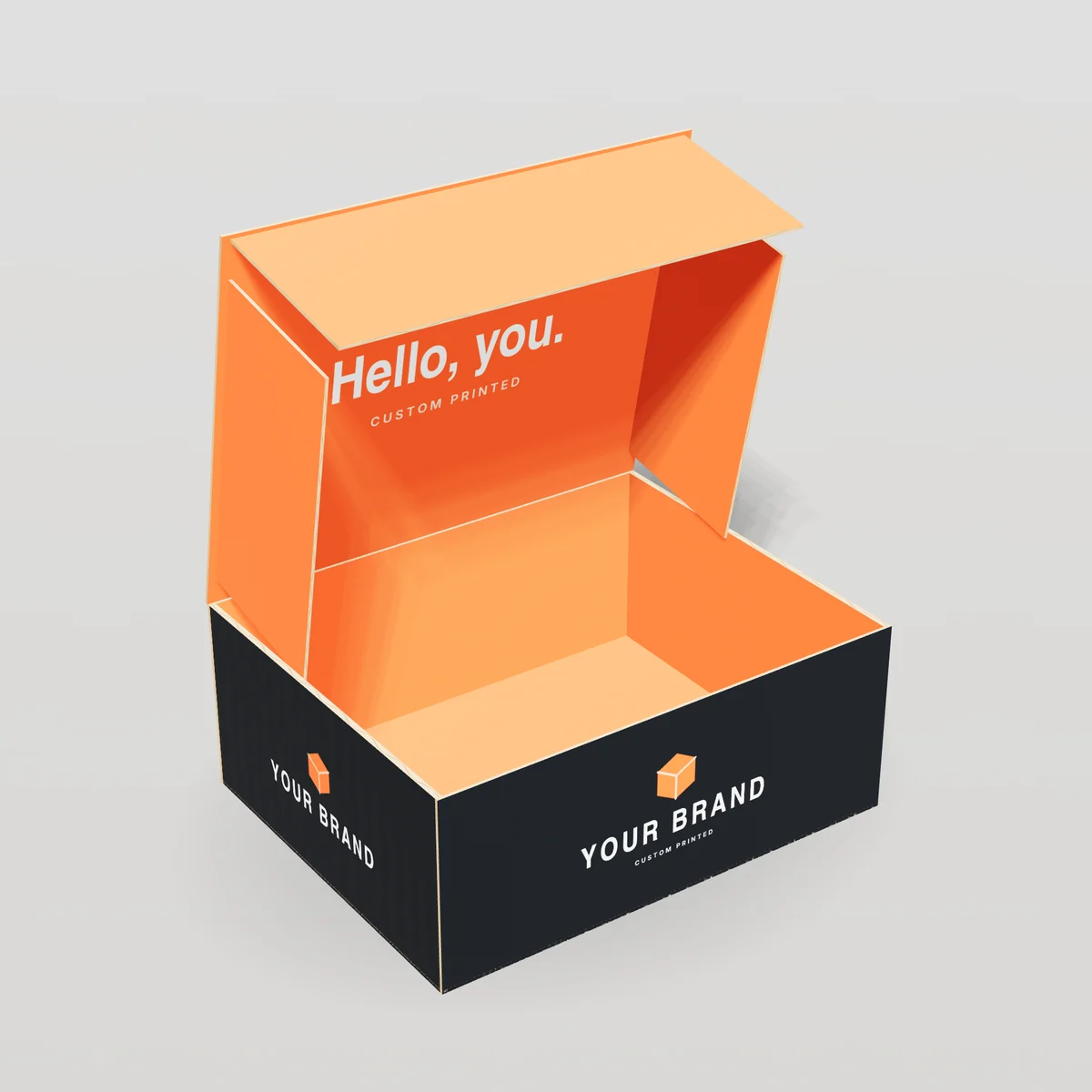
One-piece corrugated boxes with a tuck-front lid. Printed inside and out, they create a gift-like unboxing and need no tape. Best for DTC brands, subscriptions and PR kits. See mailer boxes and our comparison of mailer box vs shipping box.
3. Folding cartons (tuck end boxes)
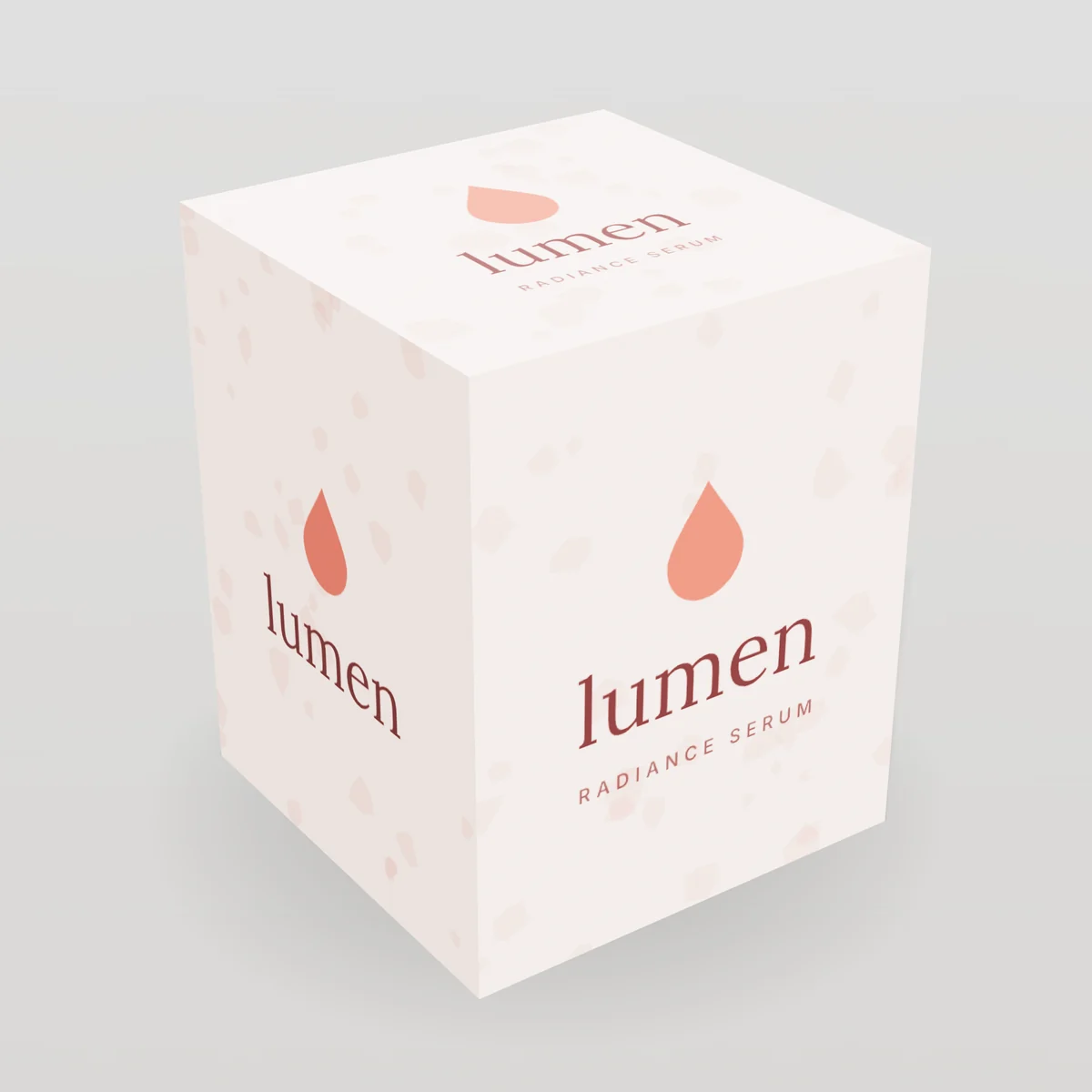
Paperboard boxes that open on a tuck flap at one or both ends. The workhorse of retail: cosmetics, supplements, tea, pharmaceuticals, small electronics. See tuck end boxes.
4. Auto-lock (crash-lock) bottom boxes
Folding cartons with a pre-glued bottom that snaps into place when opened, supporting heavier contents and faster packing. Good for bottles, jars and heavier retail products. See auto-lock bottom boxes.
5. Rigid boxes (lid and base)
Thick greyboard wrapped in printed paper, set up at the factory. The premium standard for luxury goods, jewelry, electronics and gifting. See rigid boxes and two-piece boxes.
6. Magnetic closure boxes
Rigid boxes with a hinged lid held shut by hidden magnets. A satisfying open-and-close that customers keep. See magnetic closure boxes.
7. Sleeve and drawer boxes
A tray that slides out of a sleeve. Works in paperboard for economy and rigid board for luxury. The reveal is part of the experience. See sleeve boxes.
8. Window boxes
Cartons with a die-cut window, often with a clear film patch, that show the product. Popular for bakery, toys, soap and food. See window boxes.
9. Display boxes (PDQ, counter displays)
Printed boxes that hold multiple units on a shelf or counter, often shipping closed and opening into a display. Used for impulse items like lip balm, snacks and accessories. See display boxes.
10. Gable boxes
Boxes with a carry handle formed from the top panels. Used for food takeout, bakery, party favors and gift sets. See gable boxes.
11. Pillow boxes
Curved boxes that close at each end, for small, light gifts like jewelry, gift cards and favors. See pillow boxes.
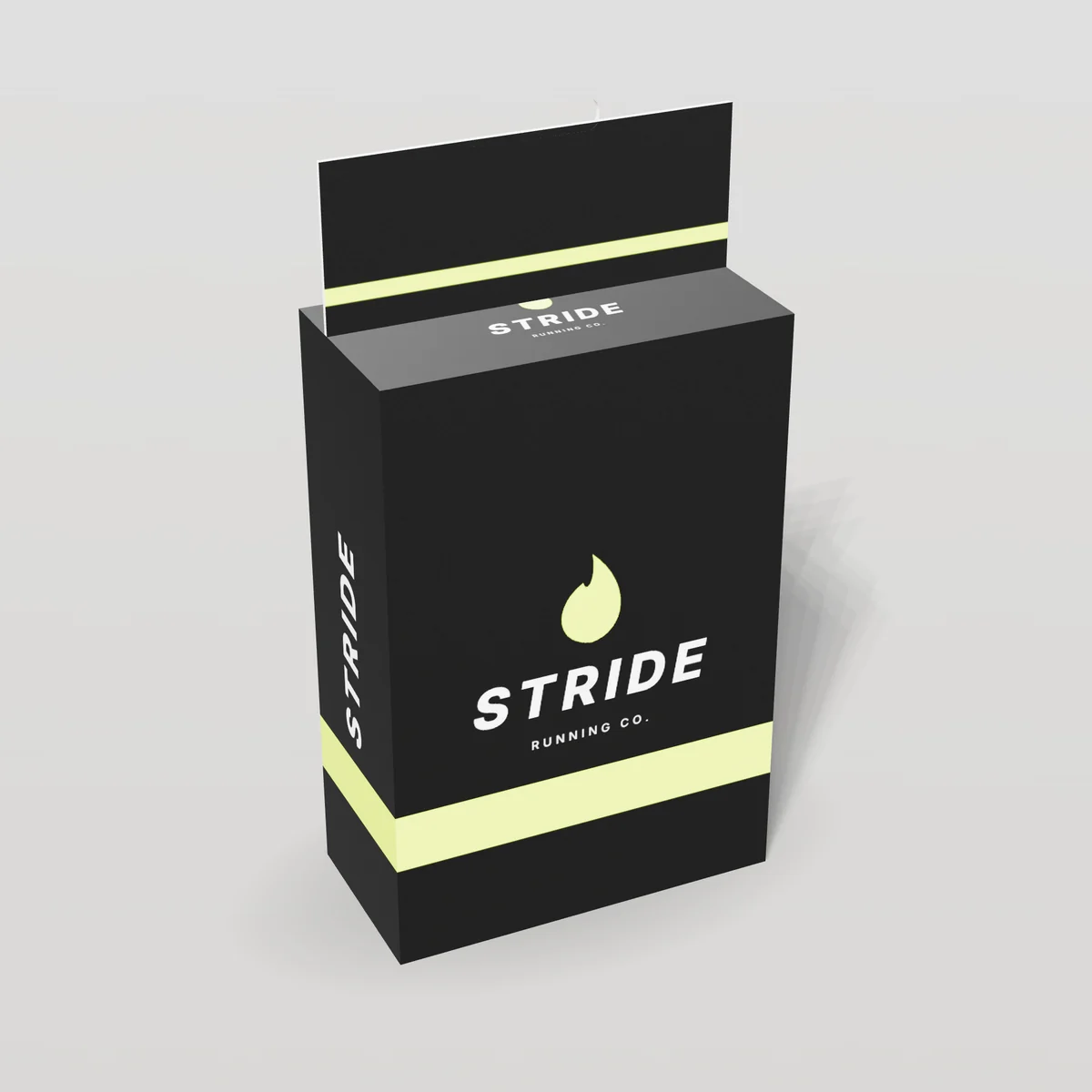
12. Hanger boxes
Cartons with a die-cut hang tab for peg displays. Common for accessories, small electronics and hardware. See hanger boxes.
13. Tube packaging
Cylindrical paperboard tubes with lids. Used for tea, cosmetics, spirits, apparel and posters. See tube packaging.
14. Stand-up pouches
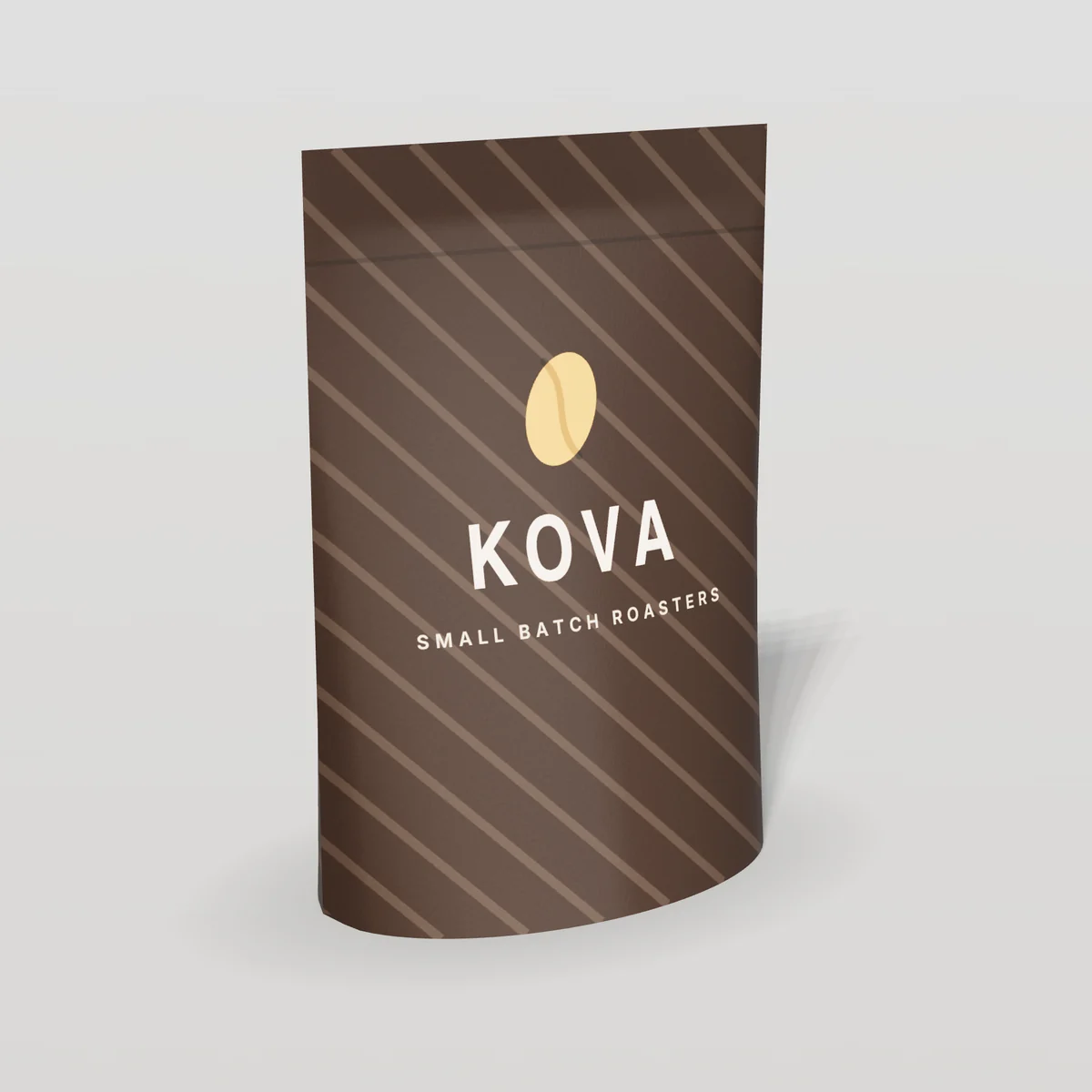
Flexible bags with a gusseted bottom that stand on a shelf, often with a zipper and a barrier layer. The standard for coffee, snacks, supplements and pet treats. See stand-up pouches.
15. Flat pouches and sachets
Flat, sealed flexible packs for single servings, samples and refills. Low cost and light, with good barrier when the right film is used.
16. Paper bags
Shopping bags, merchandise bags and food bags. Branded paper bags are a walking advertisement. See paper bags.
17. Poly mailers
Lightweight, water-resistant plastic envelopes for shipping soft goods like apparel. Low cost and light to ship. See poly mailers.
18. Padded mailers
Envelopes with bubble or paper padding for small items, books and accessories. Paper-padded versions can be curbside recyclable where accepted.
19. Bottles and jars
Rigid primary containers in glass or plastic for liquids, creams, food and supplements. Usually paired with a label and often a carton.
20. Cans and tins
Metal containers for food, beverages, candles, tea and cosmetics. Excellent barrier and highly recyclable.
21. Blister packs and clamshells
Thermoformed plastic shapes that hold a product against a card (blister) or enclose it (clamshell). Common for small electronics, batteries, hardware and medicine. Increasingly replaced by paper-based alternatives where possible.
22. Shrink wrap and stretch wrap
Plastic films that tightly wrap a product (shrink) or a pallet load (stretch). Shrink bands are also used as tamper evidence on bottle caps.
23. Labels and stickers
Labels turn plain containers into branded products and carry required information. Stickers are also a low-cost way to brand stock boxes and seal tissue. See custom stickers and labels.
24. Inserts
Die-cut paperboard, corrugated, molded pulp or foam pieces that hold products in place inside a box. They prevent damage and make the presentation look intentional. See custom inserts.
25. Protective and void-fill materials
Paper fill, air pillows, bubble wrap, foam, crinkle paper and tissue. They fill space and absorb shock. The best packaging needs as little as possible. See tissue paper.
Packaging types by industry
| Industry | Common primary | Common secondary | Shipping |
|---|---|---|---|
| Cosmetics & skincare | Bottles, jars, tubes, compacts | Tuck end cartons, rigid boxes | Mailer or RSC |
| Supplements | Bottles, pouches, jars | Cartons, display boxes | RSC, master cases |
| Coffee & tea | Pouches, tins, sachets | Cartons, tubes, gift boxes | Mailer or RSC |
| Candles | Glass jars, tins | Tuck boxes, rigid boxes | Mailer with insert |
| Apparel | Garment bags, tissue | Mailer boxes, hanger boxes | Poly mailer or mailer |
| Jewelry | Pouches | Rigid, magnetic, pillow boxes | Small mailer |
| Food & bakery | Wraps, trays, liners | Window boxes, gable boxes | RSC with insulation if needed |
| Electronics | Anti-static bags, trays | Rigid or folding cartons | RSC with inserts |
| CBD & hemp | Bottles, tins, pouches | Child-resistant or tuck cartons | Mailer or RSC |
Our industries pages cover each category, including typical sizes and finishes, and the cosmetic packaging guide and candle packaging guide go into detail for two of the most popular categories.
Packaging types by sales channel
The same product often needs different packaging for different channels.
- Retail shelf. The carton must attract attention at a distance, communicate quickly and fit the shelf. Folding cartons, window boxes and display boxes dominate.
- Peg hooks. Hanger boxes, blister cards and header cards.
- E-commerce. The package must survive parcel networks, where it may be dropped, crushed and vibrated. Corrugated mailers and shippers dominate, often with inserts.
- Subscription. A consistent, branded mailer that customers recognize on the doorstep.
- Wholesale. Strong, clearly labeled master cases that stack on pallets.
- Gifting and corporate. Rigid, magnetic or sleeve boxes with inserts and a card.
- Marketplaces. Follow each marketplace's packaging and labeling rules; for example, Amazon publishes detailed packaging and prep requirements for fulfillment centers.
How to choose the right type of packaging
Use a simple order of decisions:
- Product needs. What does the product need protecting from? Breakage, moisture, light, oxygen, tampering, heat? Liquids and food set strict requirements before anything else.
- Journey. How will it travel? On a shelf, by parcel, on a pallet, or all three?
- Customer moment. What should the customer feel when they see and open it?
- Regulation. What must the label say, and is there a food-contact, child-resistance or other rule?
- Budget and volume. What can you spend per unit, and how many will you order?
- End of life. Can customers recycle it easily? Can you use less material?
Then pick the format, then the material, then print and finishes.
Combining packaging types well
Most products use two or three types together. Some proven combinations:
- Serum: glass dropper bottle + SBS tuck carton with soft-touch and foil + E-flute mailer with a paperboard insert.
- Coffee: kraft stand-up pouch with valve + printed mailer for subscriptions, or a master case for wholesale.
- Candle: glass jar + rigid two-piece box for gifting, or tuck carton for retail + corrugated mailer with cradle insert for e-commerce.
- Apparel: tissue + sticker + printed mailer, or a recyclable poly mailer for basics.
- Electronics accessory: tray + rigid box with sleeve for retail + RSC for shipping.
Each layer has a job. Removing layers that do not have one is the easiest way to save cost and reduce waste.
Trends in packaging types
- Paper replacing plastic in mailers, inserts, blister alternatives and void fill.
- Right-sizing to cut dimensional weight and material.
- Mono-material designs that are easier to recycle.
- Inside printing on mailers to create the unboxing without extra components.
- Ship-in-own-container designs that remove the overbox.
- Refill formats such as pouches and sachets for cosmetics and cleaning.
These are directions, not mandates, and the right choice still depends on your product. Our sustainable packaging guide covers the trade-offs.
Cost overview by packaging type
Prices vary widely with size, quantity and print, but a rough ranking per unit at a few thousand units, from least to most expensive:
- Poly mailers, paper fill, labels and stickers.
- Plain corrugated shipping boxes.
- Printed folding cartons and paper bags.
- Printed corrugated mailers and stand-up pouches.
- Display boxes and window boxes with film.
- Rigid, magnetic and sleeve boxes with inserts.
Our custom packaging cost guide explains what drives each price, and the packaging cost calculator gives instant estimates.
Summary
- Packaging works in three levels: primary, secondary and tertiary.
- Materials range from paper and board to plastic, glass, metal and wood; each has its strengths.
- The most common custom packaging types are shipping boxes, mailers, folding cartons, rigid boxes, pouches, bags, labels and inserts.
- Choose from the product's needs, then the journey, the customer moment, regulation, budget and end of life.
 GuideBox styles explainedA practical comparison of every common box style: mailer, RSC shipper, tuck end, auto-lock, rigid, magnetic, sleeve, pillow, gable, display, window and tube.
 GuidePackaging materials & board gradesUnderstand corrugated flutes and ECT, paperboard caliper (pt), SBS vs kraft vs recycled board, and rigid greyboard, so you can specify packaging like a pro.
 GuideCustom packaging: the complete guideHow custom packaging works from first idea to delivered boxes: styles, materials, printing, finishes, costs, artwork, lead times and ordering mistakes to avoid.
 GuideMailer box vs shipping boxMailer boxes and shipping boxes (RSCs) compared on structure, strength, print, packing speed, cost per unit and customer experience, with real price examples.
Key terms on this page
- Carton
- A box made from paperboard, usually a folding carton. In shipping, "carton" can also mean a corrugated case.
- Pallet
- A flat platform used to ship stacked goods. The standard US GMA pallet is 48 by 40 inches.
- Board
- A general term for thick paper materials used in packaging, including paperboard, corrugated board and greyboard.
- Secondary packaging
- Packaging that groups primary packages, such as a shipping box or display.
- Primary packaging
- The package that directly holds the product, such as a jar or carton.
- Paperboard
- Thick paper (usually 0.010 inch or more) used for folding cartons, such as SBS, kraft and recycled board.
- Blister pack
- Plastic formed around a product and sealed to a card, used for small retail items.
- Mailer box
- A self-locking corrugated box with a hinged lid and tuck front, widely used for e-commerce and subscriptions.
- Tertiary packaging
- Packaging used to move large quantities, such as pallets and stretch wrap.
- Shipper
- A box used to ship products, often corrugated.
- Wrap
- The printed or specialty paper glued around the board of a rigid box or tube.
- Corrugated board
- Board made of a fluted (wavy) paper medium glued between flat liners. It is strong, light and the main material for shipping boxes and mailers.
- Flute
- The wavy middle layer of corrugated board. Flute size (A, B, C, E, F) determines thickness, cushioning and strength.
- Liner
- The flat paper faces of corrugated board. Can be kraft (brown) or bleached (white).
- Shrink wrap
- Plastic film that shrinks tightly around products or cartons when heated.
- Cushioning
- Materials that absorb shock and vibration to protect products, such as paper void fill, molded pulp, foam or air pillows.
- Finish
- Any treatment applied after printing to change appearance or protect the surface, such as coatings, laminations, foil, embossing or spot UV.
- Regular slotted container (RSC)
- The standard corrugated shipping box with four top and four bottom flaps of equal depth (FEFCO 0201).
- Lid
- The top part of a box, hinged or separate.
- Tuck flap
- A flap that folds over the opening of a box and tucks inside to close it.
- Auto-lock bottom
- A pre-glued carton base, also called a crash-lock bottom, that locks into place automatically when the flattened box is opened. Stronger and faster to pack than a tuck bottom.
- Greyboard
- Thick, dense recycled board used as the structural core of rigid boxes, usually 1.2 to 3 mm thick.
- Sleeve
- An open-ended band or tube that slides over a tray or box, often printed to brand plain packaging.
- Tray
- An open-topped box base, often used with a sleeve or lid.
More definitions in our packaging glossary.
Discussed on Quora & X
Frequently asked questions
What are the three main types of packaging?
Primary packaging holds or touches the product, secondary packaging groups or presents it, and tertiary packaging moves goods in bulk, such as cases and pallets.
What are the most common packaging materials?
Paper and paperboard, corrugated board, plastics, glass, metal and wood. Paper-based materials dominate boxes and cartons; plastics dominate flexible packaging and many bottles.
What type of packaging is best for e-commerce?
Corrugated mailer boxes and shipping boxes are the most common, often with inserts to stop products moving. Poly mailers suit soft goods that cannot break.
What is the difference between a folding carton and a rigid box?
A folding carton is made from paperboard, shipped flat and folded by the user. A rigid box is made from thick greyboard wrapped in paper, is set up at the factory and does not fold flat.
What is flexible packaging?
Packaging that changes shape when filled or handled, such as pouches, bags, sachets, films and wraps. It is light and efficient but often harder to recycle.
What is secondary packaging used for?
To group, present and protect primary packages. Examples include cartons around bottles, display boxes and gift boxes. In e-commerce, a printed mailer can be secondary packaging and the shipper at once.
How do I choose packaging for a new product?
Start with what the product needs protecting from and how it will travel, then consider the customer experience, labeling rules, budget and recyclability. Choose the format first, then the material, then printing and finishes.
What are examples of tertiary packaging?
Corrugated master cases, pallets, slip sheets, corner boards, stretch wrap and strapping.
Related products & pages
 Box StylesProduct BoxesPrinted paperboard boxes for retail shelves, gift sets and everyday products.
 Box StylesStand-Up PouchesPrinted resealable pouches with a gusseted base for coffee, snacks, supplements and bath products.
 Box StylesFolding CartonsLightweight printed paperboard cartons that ship flat and fold up fast on your packing line.
 IndustriesRetail PackagingShelf-ready cartons, hang-tab boxes and displays built for store buyers and planograms.