Quick answer
Die-cut paperboard, corrugated, EVA foam and molded pulp inserts that lock products in place. Typical turnaround is 10–14 business days after proof approval.
What are custom inserts?
Custom inserts are components inside a box that hold products in place. They stop items moving and breaking, present products deliberately, organize multi-item kits and make packing faster. In premium packaging, the insert is often what turns a box into an experience: a bottle that sits perfectly in a cradle, a device on a platform, a set of products laid out like a display.

Insert styles
- Die-cut cavities for bottles, jars and devices
- Platforms that raise products to the box rim
- Dividers and partitions for multiple items
- Cradles and collars that hold bottles at the neck
- Tiered trays for two-level reveals
- Card slots for messages and instructions
Tip: Design inserts with a finger notch or ribbon pull so customers can lift products out easily.
Sizing inserts
Send us the products (or exact dimensions) and the box. We design the insert and box together, with clearances suited to the material: tighter for foam, slightly looser for paperboard.
Why inserts matter
An insert is the part of the package customers often notice least and appreciate most. It holds products in place so they arrive undamaged, presents them neatly when the lid opens, and speeds up packing because each item has a defined place. For fragile, multi-item or premium products, the insert is frequently more important than the outer box.
Good inserts:
- Immobilize the product so it cannot build momentum and hit the walls in transit
- Separate items so they do not scratch or collide
- Present the product at the right angle and height for the reveal
- Guide the customer through the unboxing (first this, then that)
- Speed up packing and reduce mistakes
- Reduce void fill, saving material and cost
Insert materials in depth
| Material | Strengths | Best for |
|---|---|---|
| Paperboard | Economical, printable, recyclable | Cosmetics, bottles, light items |
| Corrugated | Protective, strong | Shipping, glass, heavier items |
| Wrapped greyboard | Premium, rigid, matches the box | Rigid and magnetic gift boxes |
| EVA foam | Precise cavities, excellent protection | Electronics, glass, jewelry |
| Molded pulp | Plastic-free, protective, shaped | Electronics, cosmetics, eco brands |
| Velvet or satin-covered | Luxurious presentation | Jewelry and watches |
Paperboard inserts
Die-cut from SBS, kraft or recycled board and folded into cradles, platforms, partitions or neck holders. Paperboard inserts can be printed and are fully recyclable with the box.
- Best for: light products, cosmetics, bottles in cartons, card holders
- Pros: economical, printable, recyclable, flat-packed
- Cons: limited cushioning for fragile or heavy items
Corrugated inserts
Die-cut from E- or B-flute corrugated, often folded into a structure that suspends the product away from the box walls.
- Best for: heavier products, e-commerce, electronics, glass
- Pros: strong, cushioning, recyclable
- Cons: visible flutes on cut edges (can be printed or lined)
Molded pulp
Formed from recycled paper pulp in a mold, creating 3D cavities that match product shapes.
- Best for: fragile items, irregular shapes, plastic-free brands
- Pros: protective, plastic-free, recyclable and often compostable where accepted
- Cons: mold tooling cost; textured look (smoother "thermoformed" pulp is available)
Foam inserts
EVA, PE or polyurethane foam cut to shape, often covered with flocking or fabric.
- Best for: jewelry, watches, electronics, instruments, high-value presentation
- Pros: precise fit, luxurious presentation, excellent cushioning
- Cons: not curbside recyclable; mixed materials when glued into boxes
Wrapped board inserts (for rigid boxes)
Greyboard or paperboard platforms wrapped in printed or specialty paper, with cavities for products.
- Best for: rigid gift boxes, PR kits, premium sets
- Pros: premium look that matches the box, all-paper
- Cons: handwork increases cost
Designing an insert: step by step
- Measure every product precisely, including caps, pumps and labels. Supply samples if possible.
- Decide the presentation: how should products be seen when the lid opens? Standing, lying, angled?
- Choose the material based on weight, fragility and brand.
- Decide the layout: hero product in the center or first in view; accessories around it.
- Allow finger access: thumb notches or ribbon pulls make products easy to remove.
- Prototype: a plain structural sample shows fit and feel before printing.
- Test: drop-test a packed box and check how products sit after the test.
Fit and tolerances
Inserts must be snug but not tight. Products vary slightly, and coatings or labels add thickness. Typical cavity clearance:
| Material | Clearance per side |
|---|---|
| Paperboard | 1/32–1/16 in |
| Corrugated | 1/16 in |
| Molded pulp | Designed to the product shape with a slight draft |
| Foam | Slight interference fit for a secure hold |
Too tight and products are hard to remove (or labels scuff); too loose and products rattle. A sample solves this quickly.
Inserts and the unboxing experience
An insert is a stage for your product. To make the reveal special:
- Print the insert with a message, instructions or pattern.
- Add a pull tab or ribbon to lift products out elegantly.
- Use a card slot in the lid for a welcome note.
- Create a hierarchy: the hero product is the first thing seen.
- Match the box: color, texture and finish consistent with the outside.
See our unboxing design guide.
Inserts for e-commerce protection
For shipped products, the insert's job is protection first:
- Suspend fragile items away from the walls and floor.
- Prevent movement in all directions, including up toward the lid.
- Protect corners and edges of products like frames and devices.
- Combine with the right board grade: see corrugated cardboard.
- Test with drops: around ten drops from about 30 inches onto faces, edges and a corner.
Sustainability of inserts
Inserts are often where plastic sneaks into otherwise paper packaging. Paper-based alternatives cover most needs:
| Instead of | Try |
|---|---|
| Foam cradle | Corrugated suspension insert or molded pulp |
| Plastic tray | Paperboard tray or molded pulp |
| Bubble wrap around items | Fitted paperboard partitions |
| Foam for jewelry | Wrapped paperboard with a slit or flocked paper |
Keeping the insert in the same material family as the box lets customers recycle everything together.
Inserts by industry
| Industry | Typical insert |
|---|---|
| Cosmetics | Paperboard cradles for jars and tubes; wrapped board platforms in PR kits |
| Skincare | Neck inserts for droppers and serums; multi-cavity trays for routines |
| Candles | Corrugated or molded pulp cradles for glass vessels |
| Perfume | Wrapped board or foam cavities matching the bottle shape |
| Electronics | Corrugated or pulp suspension inserts, accessory compartments |
| Jewelry | Slotted foam or flocked board, ring rolls, necklace boards |
| Chocolate | Cavity trays for individual pieces |
| Coffee and tea | Dividers for bags, tins and accessories in gift sets |
| Subscription boxes | Partitions and platforms that change monthly |
| Wine and spirits gifts | Bottle cradles and glass compartments |
Inserts and packing speed
Inserts are not only about protection and presentation. On a packing line or at a busy fulfillment desk, a good insert makes packing faster and more accurate:
- One place for every item means missing items are obvious.
- No void fill to measure and add.
- Consistent presentation regardless of who packs the box.
- Flat-packed paperboard inserts take little storage space and fold in seconds.
If packing time is a cost driver, tell us how boxes are packed (by hand, at what rate) so we can design inserts that fold quickly.
Prototyping inserts
Inserts are where samples pay for themselves. A plain structural sample of the box and insert lets you:
- Check that every product fits snugly and comes out easily
- Test drop protection with real products
- Time packing
- Photograph the layout for approval
Adjustments at the prototype stage (a cavity 1/16 in wider, a deeper platform, a thumb notch) cost little; changes after production are expensive. See samples.
Combining box and insert specifications
An insert works only with the box around it. When we design both together, we coordinate:
- Inside dimensions of the box and outside dimensions of the insert
- Board thickness of both
- Opening direction so products face the customer
- Lid clearance so the lid closes without pressing on products
- Print alignment if the insert and box interior are both printed
Common mistakes with inserts
- Measuring products without caps or pumps.
- Cavities too tight, scuffing labels or making products hard to remove.
- No finger access to lift products out.
- Foam inserts in an otherwise recyclable box without considering paper alternatives.
- Designing the box before the insert, leaving no room.
- Skipping a prototype for multi-item kits.
Worked example: a three-piece skincare kit
A brand ships a cleanser, serum and moisturizer in a 9 × 6 × 3 in mailer.
- Insert: die-cut paperboard (SBS) platform with three cavities, printed with step numbers 1–2–3.
- Fit: cavities sized with 1/32 in clearance; thumb notches on each side.
- Lid: a card slot holds a routine guide.
- Protection: drop-tested at about 30 inches; no movement.
- Recyclability: box and insert are both paper, recycled together.
Die-cut paperboard structures explained
Paperboard inserts are cut and creased from a flat sheet, then folded into shape. A handful of structures cover most needs:
- Cradles hold a single product in a shaped opening, often with a raised platform underneath so the product sits at the right height when the lid opens.
- Partitions divide a box into cells, keeping several items separated so they do not knock against each other.
- Tiered inserts create two or more levels, for example a top tray of small items above a lower compartment for larger ones.
- Sleeve holders wrap around a product and lock into the box walls, stopping it from sliding.
- Lift-out trays sit on top of the main contents and carry accessories, samples or a card, revealing the main product when lifted.
Because paperboard inserts are folded from one piece, they are economical to produce, ship flat and recycle easily with the box. Their limitation is cushioning: they hold products in place but absorb less impact than foam or pulp, so fragile, heavy items may need a thicker or corrugated structure.
Corrugated inserts for heavier products
Corrugated board is stronger and more cushioning than paperboard, which makes it the natural insert material for heavy, rigid or fragile products shipped through parcel networks: glass bottles, ceramics, electronics, tools and multi-item kits. Corrugated inserts can be die-cut into cradles and partitions just like paperboard, and printed on visible surfaces for presentation. E-flute and B-flute are common choices, with E-flute giving a finer look inside premium mailers and B-flute adding more cushioning.
Molded pulp inserts
Molded pulp is made from recycled paper fiber formed in a mold, then dried. It can take complex three-dimensional shapes that hold products snugly, and it cushions well. Molded pulp has become a popular replacement for plastic trays and foam in electronics, cosmetics and drinkware. Custom shapes require a mold, which adds a tooling cost and usually a higher minimum quantity, so molded pulp is most economical for stable products with ongoing demand. The finish is typically a natural fiber texture; smoother, thermoformed pulp gives a more refined look at a higher cost.
Foam inserts and when they still make sense
Foam inserts, such as polyethylene (PE) or EVA foam, offer excellent cushioning and precise fit. They remain common for high-value electronics, instruments, tools and presentation cases where protection and reuse matter. Their drawback is end of life: foam is plastic and is not accepted in most curbside recycling. Before choosing foam, ask whether a well-designed paperboard, corrugated or molded pulp insert can protect the product. Often it can. When foam is the right choice, design the case to be kept and reused, which gives the material a longer useful life.
Inserts in rigid boxes
Rigid gift boxes often use wrapped inserts: a platform or well made from greyboard and wrapped in the same paper as the box, or in a contrasting color. Wrapped inserts feel solid and luxurious, hold products with a precise fit and can include ribbon pulls for lifting items out. Velvet or flocked papers add a soft, jewelry-box feel. Because wrapped inserts are made by hand, they add cost and lead time, but they transform how a premium product is presented.
Inserts for bottles and jars
Bottles and jars need inserts that stop movement and protect the most vulnerable points: necks, caps and bases. Common approaches include cell partitions that separate bottles, neck holders that grip just below the cap, and base cradles that hold the bottle upright. For glass shipped by parcel, add cushioning around the base and shoulders, and test with drops. For dropper bottles and pumps, make sure the insert does not press on the dispenser, which could cause leaks.
Inserts for electronics and accessories
Electronics often ship with the main device, cables, adapters and documentation. An insert with a cradle for the device and smaller compartments for accessories keeps everything in place and makes the unboxing feel organized. Leave finger notches so customers can lift the device out easily. If cables are coiled, a small compartment or a paperboard wrap keeps them tidy. Consider how the product goes back in the box, since many customers keep electronics packaging for storage, returns or resale.
Printing and finishing inserts
Inserts can be printed and finished like any other component. A printed insert can carry instructions ("Lift here", "Start with step one"), brand messages or a pattern that continues the box design. Interior colors that contrast with the product make it stand out when the lid opens: a white product on a black insert, or a dark product on kraft. Foil or embossed logos on an insert surface add a premium touch where the customer's eye lands first.
Testing inserts before production
A prototype insert, cut on a sample table from the real board, is the best way to check fit. Test with real products, including the largest and smallest units from your production tolerance. Pack the box as your team will, ship it to yourself, and drop-test it on corners, edges and faces. Check that products stay in place, nothing rattles, the lid closes without pressure and the customer can remove items easily. Adjust and retest until the result is right, then approve the final dieline.
Insert terms you will hear
- Cradle: a shaped opening that holds a product.
- Partition: a divider that creates separate cells.
- Platform: a raised surface that lifts the product to the right height.
- Finger notch: a cut-out that lets customers grip and lift a product.
- Tolerance: the allowance between the product and the insert opening.
- Ribbon pull: a ribbon under a product or tray to lift it out.
- Wrapped insert: greyboard covered in paper, used in rigid boxes.
Choosing an insert by product type
| Product | Common insert | Why |
|---|---|---|
| Skincare bottles and jars | Paperboard cradle or partition | Holds items upright and separated |
| Candles in glass | Corrugated or molded pulp cradle | Protects glass from impact |
| Electronics | Molded pulp or paperboard tray | Holds device and accessories in place |
| Wine and spirits | Corrugated partition or molded pulp | Separates and cushions bottles |
| Jewelry | Wrapped insert with slots or cushions | Presents and secures small items |
| Chocolates and confectionery | Paperboard or molded tray | Keeps pieces in position |
| Tools and instruments | Foam or corrugated die-cut | Protects shapes with precise fit |
| Subscription kits | Tiered paperboard insert | Organizes many small items |
Inserts that tell a story
An insert can guide customers through a product experience. Numbered compartments show the order of use. A printed message under each item reveals itself as products are lifted out. A top tray of samples can sit above a main product, building anticipation. Brands with ritual-based products, such as skincare routines, tea ceremonies or tasting kits, use inserts to choreograph the unboxing so the customer follows a deliberate sequence.
Inserts for multi-size product ranges
If you sell the same product in several sizes, or kits with varying contents, consider an adjustable insert approach. One outer box with interchangeable inserts can cover several products, reducing the number of box sizes you stock. Alternatively, a universal insert with removable sections lets packers adapt it to the order. These approaches simplify inventory, reduce costs and keep the presentation consistent across the range.
Insert colors and finishes
The insert is often the first surface customers see behind the product, so its color matters. Black inserts make metallic and white products stand out; white inserts make products look clean and clinical; kraft inserts feel natural and handmade; colored inserts can match brand colors. Printing a logo or pattern on the insert adds branding inside the box. Foil, embossing and soft-touch can elevate inserts in premium packaging.
Inserts and sustainability claims
If you switch from foam or plastic trays to paper-based inserts, you may want to tell customers. Keep claims specific: "Our insert is made from recycled paperboard and can be recycled with the box" is clear and accurate. Avoid broad claims like "plastic-free packaging" unless every component, including tape, windows and labels, is plastic-free. Paper-based inserts usually make the whole package easier to recycle, which is a genuine improvement worth communicating.
Inserts and shipping costs
Inserts add weight and sometimes size to a package. A well-designed insert can reduce shipping costs by allowing a smaller outer box and replacing loose fill. A poorly designed insert can do the opposite. When designing inserts, consider the total packed size and weight, and run the numbers with the DIM weight calculator.
Inserts for gift sets and seasonal kits
Gift sets combine several products in one box, often for holidays. Inserts keep items arranged attractively and protect them. Seasonal kits may change contents from year to year, so consider flexible inserts that adapt to different products, or simple paperboard inserts that are inexpensive to change. Plan early, because seasonal demand can stretch production lead times.
Inserts FAQ for designers
Designers often ask how much space to leave between a product and an insert opening. A small tolerance, usually a few millimeters, lets products slide in without force while preventing movement. The right tolerance depends on the material and product. Test with real samples and adjust.
Specification checklist for inserts
- Product dimensions and weight for every item, with tolerances.
- Insert material: paperboard, corrugated, molded pulp, foam or wrapped greyboard.
- Structure: cradle, partition, tiered, tray or platform.
- Finger notches, ribbon pulls and lift features.
- Print and finishes on visible insert surfaces.
- Drop-test plan for shipped products.
More insert FAQ
Can inserts be printed?
Yes. Paperboard and corrugated inserts can be printed and finished like any box surface.
Are paper inserts as protective as foam?
For many products, a well-designed paperboard, corrugated or molded pulp insert protects as well as foam. Very fragile or heavy products may still need specialized cushioning. Drop tests show what works.
Quick decision guide for inserts
| If you need… | Choose… | Because… |
|---|---|---|
| Low-cost presentation for light products | Paperboard cradle or partition | Economical, recyclable, ships flat |
| Protection for glass or heavy items | Corrugated or molded pulp | More cushioning and strength |
| Plastic-free replacement for foam | Molded pulp | Shapes closely around products |
| Luxury presentation | Wrapped greyboard insert | Solid feel and precise fit |
| Reusable protective case | Foam in a keepable case | Precise fit for valuable items |
| Many small items | Tiered paperboard insert | Organizes and choreographs the unboxing |
How inserts change the customer's first impression
When the lid opens, an insert decides what the customer sees first: a neatly framed product, a row of carefully placed items, or a jumble. A good insert makes even simple products look considered, and it signals that the brand cares about details. It also makes the product easier to remove and put back, which matters for products customers store in their packaging.
How to brief us on custom inserts
Inserts are designed around your products. Send:
- Every item that goes in the box. Dimensions, weight and photos.
- How the box ships. Parcel, freight or retail shelf.
- Presentation goals. What customers should see first.
- Material preferences. Paperboard, corrugated, molded pulp, foam or wrapped.
- Samples. If possible, send products so we can test fit.
Send what you have, even if some answers are rough. Our specialists reply within one business day with recommendations, a price estimate and next steps, and every order includes free design help and a 3D proof before anything goes to production.
Cost
Inserts add a per-unit cost and, for die-cut inserts, a one-time die. Paperboard is the most economical; foam and wrapped inserts cost more. See "What finishes cost" on product pages for estimates.
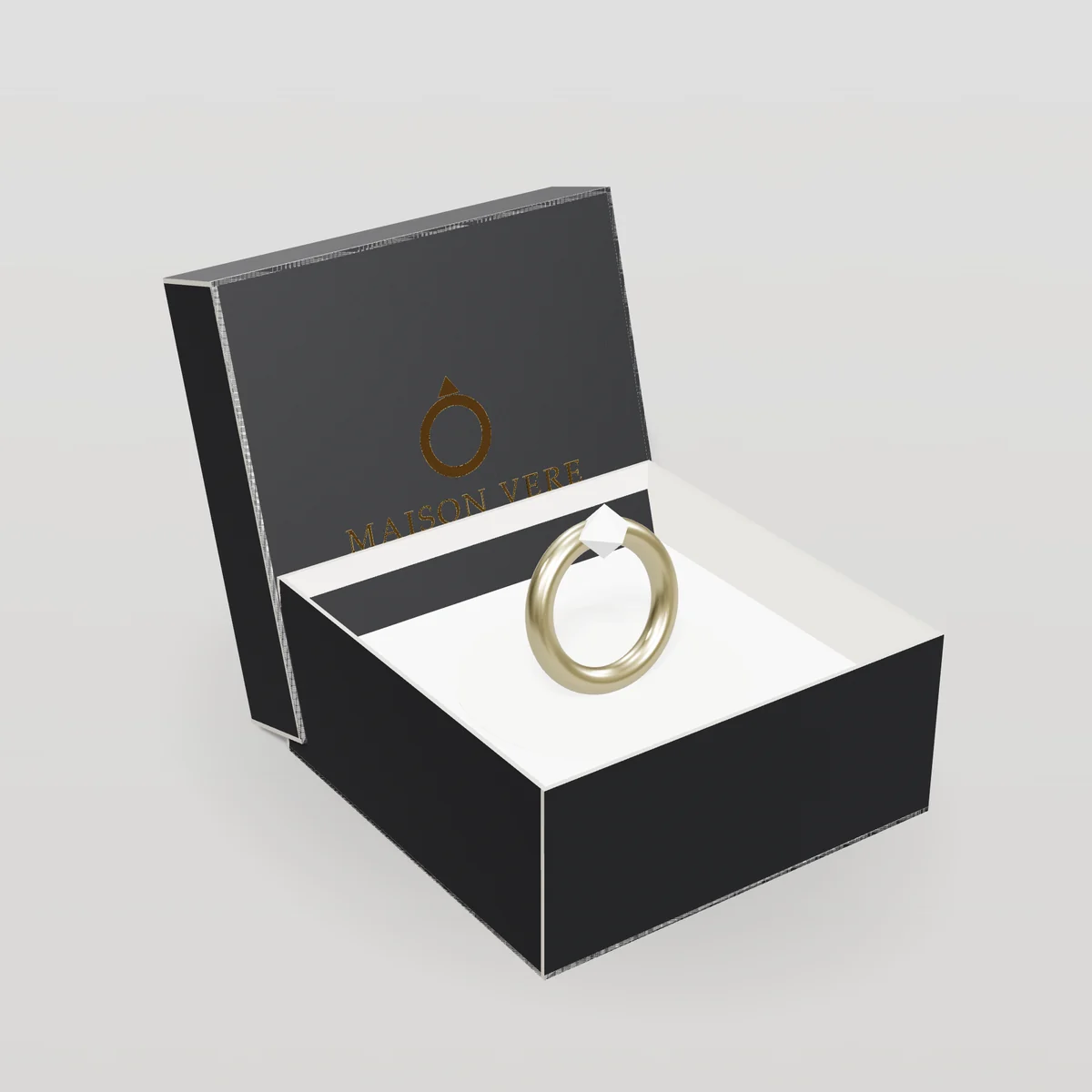 Box StylesRigid BoxesLuxury setup boxes made from thick greyboard wrapped in printed or specialty paper.
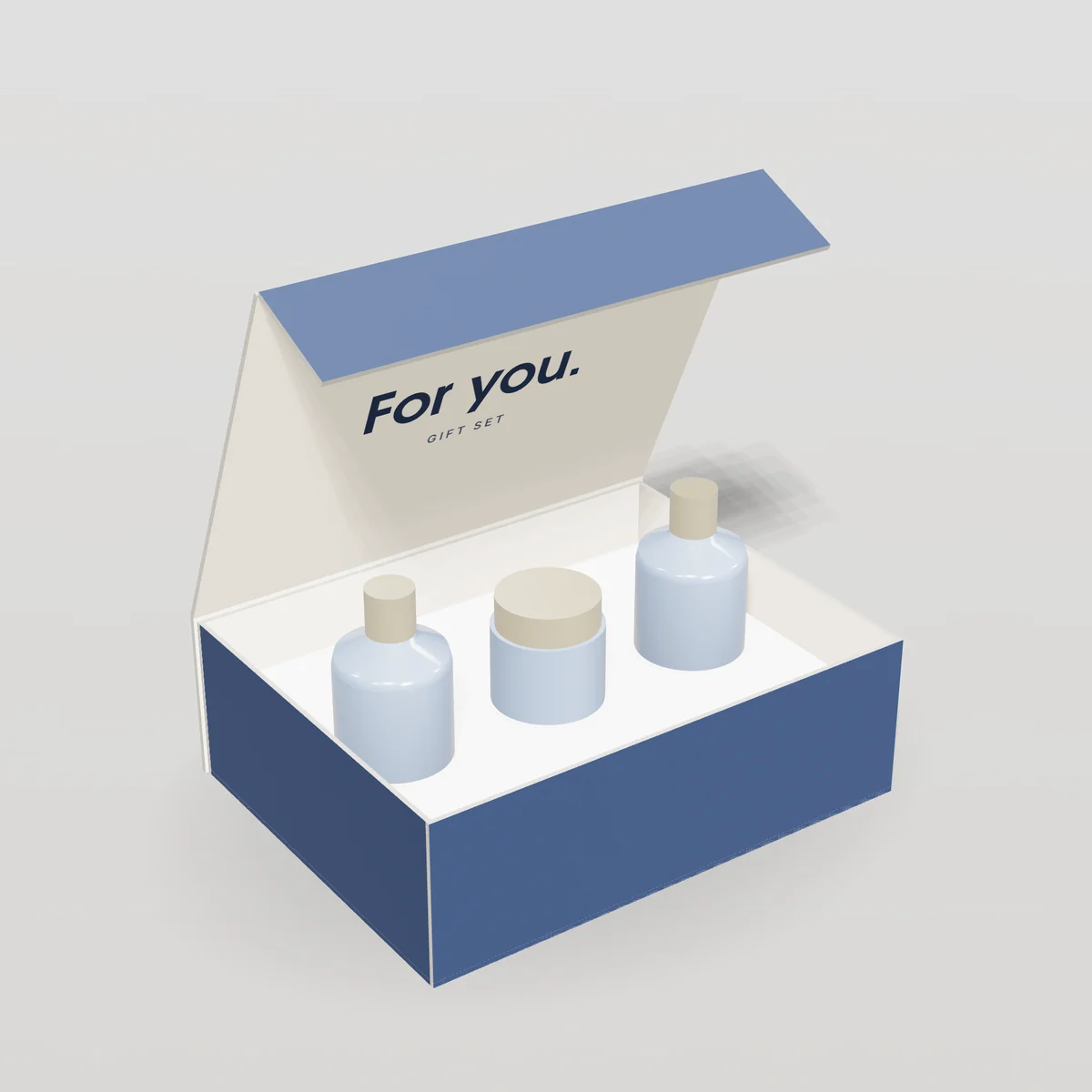 Box StylesMagnetic Closure BoxesBook-style rigid boxes with hidden magnets for a satisfying, reclosable unboxing.
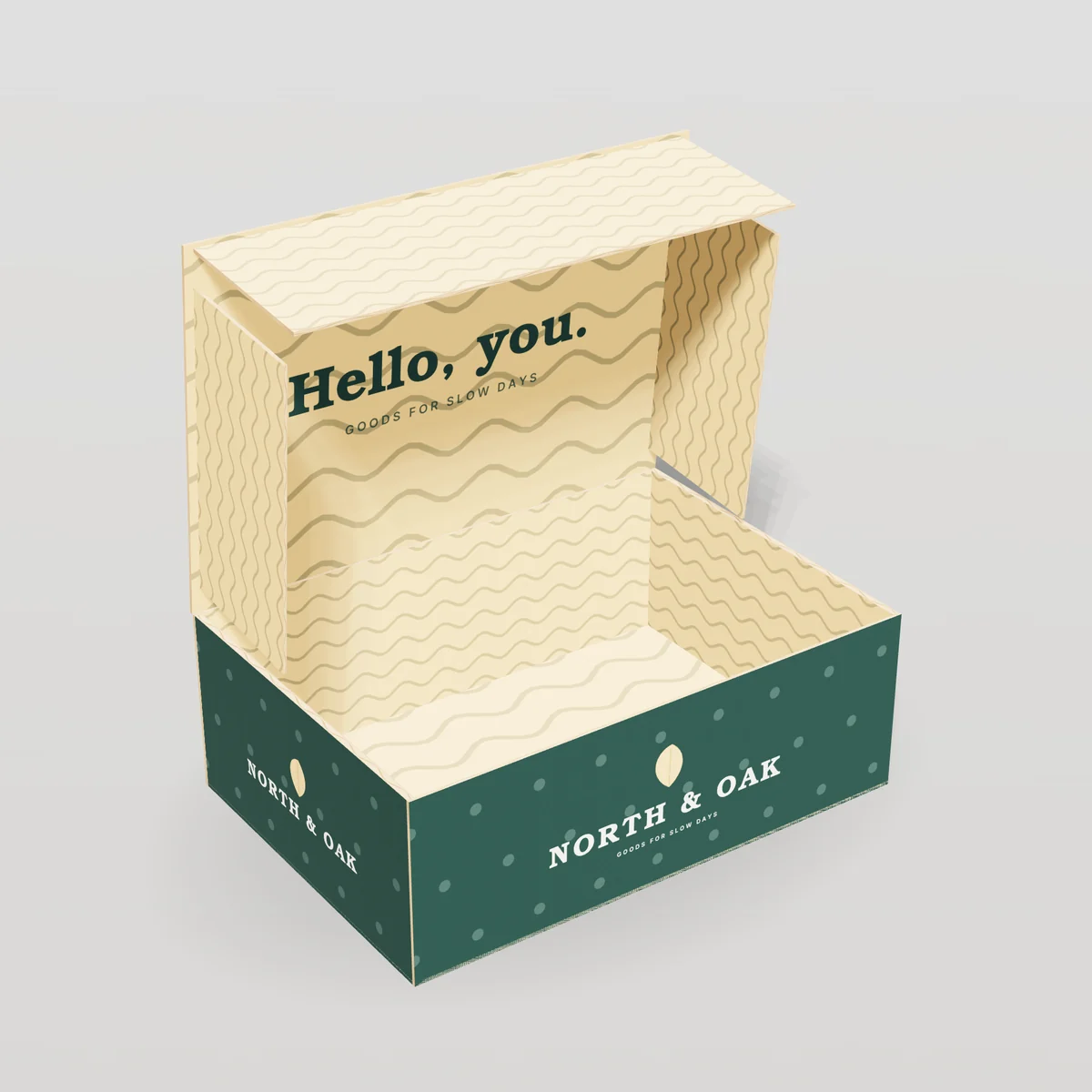 Box StylesMailer BoxesSelf-locking corrugated mailers printed inside and out. The go-to box for DTC brands and subscriptions.
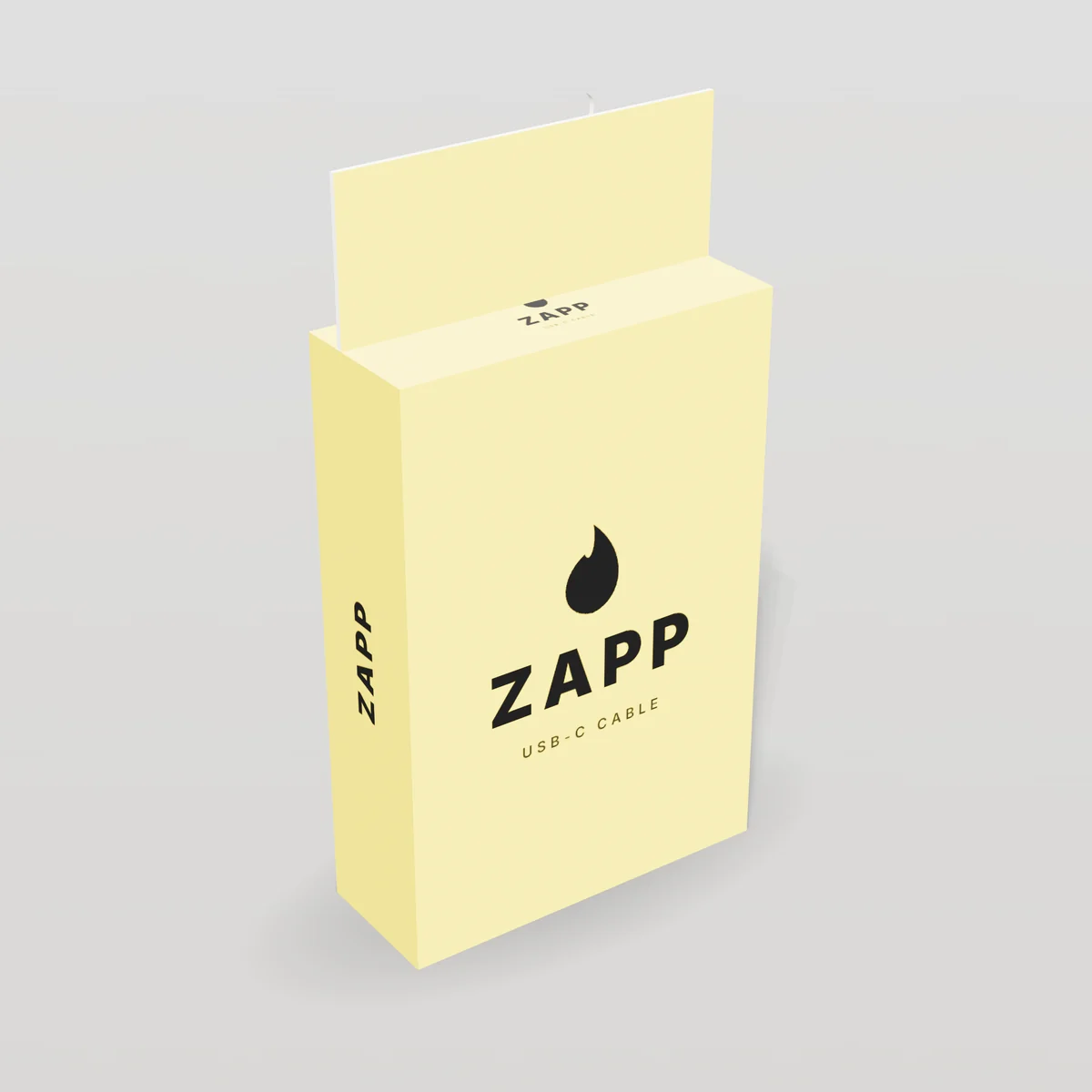 IndustriesElectronics BoxesHang-tab cartons, rigid unboxing sets and protective mailers for devices and accessories.
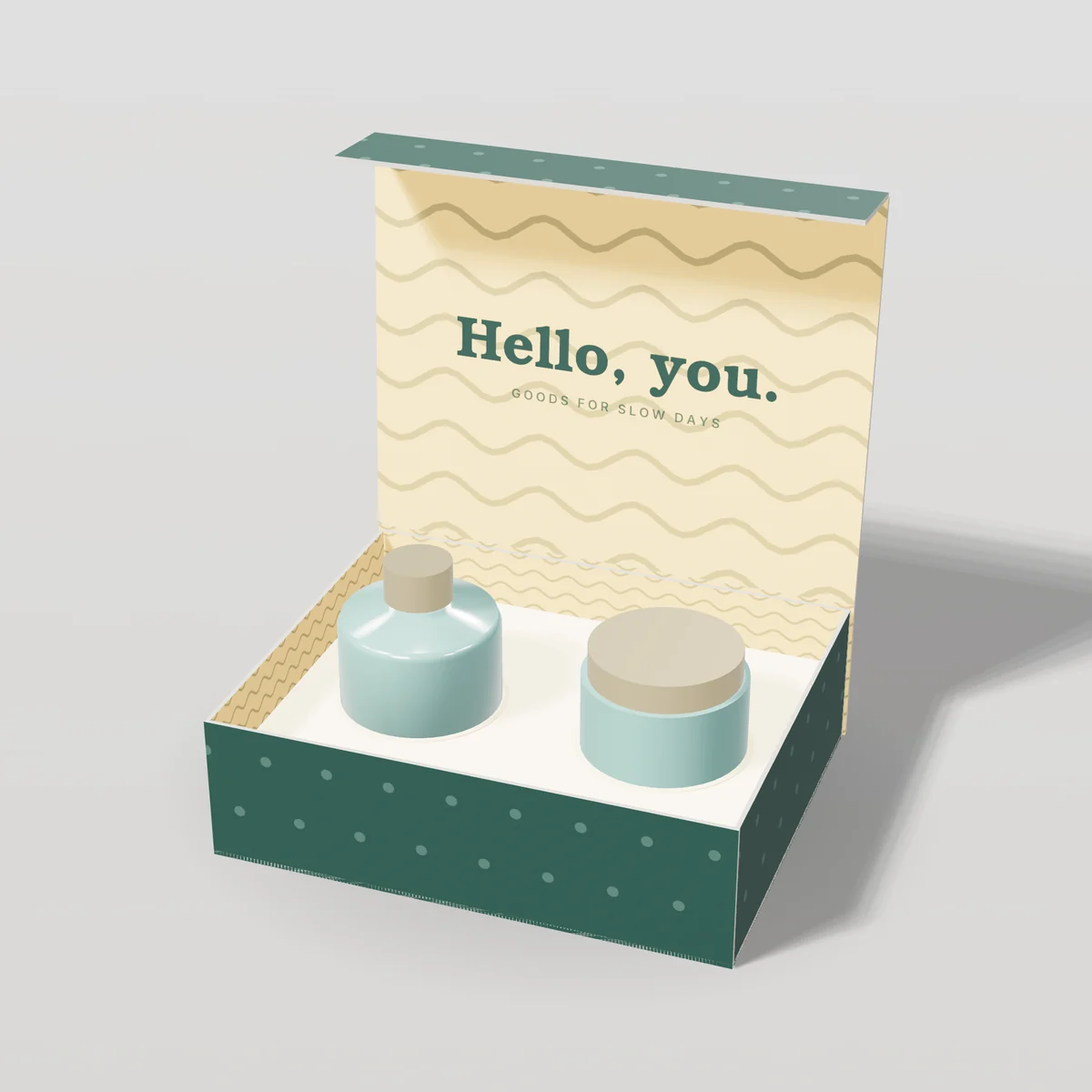
For packing methods that use inserts to stop breakage, see how to ship fragile items.
What custom insert adds to popular box styles
Estimated unit prices from our published pricing model for each style at its most popular size, full-color print, delivered within the contiguous US. The last two columns show what custom insert adds per box at 1,000 and 5,000 units; setup tooling is spread across the run, so the premium shrinks as quantity grows.
| Box style | Without (1,000) | With (1,000) | Adds at 1,000 | Adds at 5,000 |
|---|---|---|---|---|
| Mailer Boxes9 × 6 × 3" | $1.06 | $1.31 | +$0.25 | +$0.16 |
| Shipping Boxes12 × 10 × 6" | $1.31 | $1.60 | +$0.29 | +$0.20 |
| Product Boxes4 × 4 × 4" | $0.49 | $0.72 | +$0.23 | +$0.14 |
| Rigid Boxes8 × 6 × 3" | $2.89 | $3.13 | +$0.24 | +$0.16 |
| Magnetic Closure Boxes9 × 7 × 3" | $3.51 | $3.76 | +$0.25 | +$0.17 |
| Two-Piece Boxes8 × 8 × 3" | $3.10 | $3.36 | +$0.26 | +$0.17 |
| Sleeve Boxes6 × 4 × 2" | $0.67 | $0.90 | +$0.23 | +$0.14 |
| Display Boxes10 × 7 × 4" | $1.13 | $1.39 | +$0.26 | +$0.17 |
Estimates for planning. Your quote confirms the exact price for your size, coverage and artwork.
How to order custom inserts
- 1Request a quote
Tell us the style, size, quantity and artwork you have. Use the form or the live estimator.
- 2Free design & dieline
We send a dieline for your exact size, check your artwork and help with layout at no charge.
- 3Approve your proof
Review a digital 3D proof (and an optional physical sample) before anything is printed.
- 4Production & QC
Your boxes are printed, finished, die-cut and inspected against the approved proof.
- 5Delivered to your door
Shipped flat-packed with tracking to any address in the contiguous US.
Key terms on this page
- Insert
- A component inside a box that holds products in place, such as die-cut paperboard, corrugated, foam or molded pulp.
- Paperboard
- Thick paper (usually 0.010 inch or more) used for folding cartons, such as SBS, kraft and recycled board.
- Lid
- The top part of a box, hinged or separate.
- Void fill
- Material that fills empty space in a shipping box to stop products moving, such as crinkle paper or air pillows.
- Greyboard
- Thick, dense recycled board used as the structural core of rigid boxes, usually 1.2 to 3 mm thick.
- EVA foam
- A dense, smooth foam used for protective inserts with precise cavities, common in premium electronics and jewelry packaging.
- Molded pulp
- Packaging formed from wet paper fiber in molds and dried, used for protective inserts and trays. Plastic-free and recyclable.
- SBS (solid bleached sulfate)
- Premium paperboard made from bleached virgin fiber, bright white throughout, with the best print and finish quality.
- Kraft
- Paper or board made from unbleached wood pulp, naturally brown and strong.
- Board
- A general term for thick paper materials used in packaging, including paperboard, corrugated board and greyboard.
- Cushioning
- Materials that absorb shock and vibration to protect products, such as paper void fill, molded pulp, foam or air pillows.
- B-flute
- A corrugated flute about 1/8 inch thick. It offers good crush resistance and printability and is used for shipping boxes, heavier mailers and die-cut shippers.
- Specialty paper
- Textured, colored, metallic or otherwise distinctive paper used to wrap rigid boxes or print labels.
- Unboxing experience
- The sequence of moments a customer goes through when opening a package.
- Finish
- Any treatment applied after printing to change appearance or protect the surface, such as coatings, laminations, foil, embossing or spot UV.
- Tray
- An open-topped box base, often used with a sleeve or lid.
- Wrap
- The printed or specialty paper glued around the board of a rigid box or tube.
- Thumb notch
- A semicircle cut that makes it easier to open a tuck flap or push a tray out of a sleeve.
- Inside dimensions
- The usable space inside a box, the standard way to specify custom box sizes (L × W × H).
- Outside dimensions
- The external size of a box, larger than inside dimensions by the board thickness.
- Sleeve
- An open-ended band or tube that slides over a tray or box, often printed to brand plain packaging.
- Corrugated board
- Board made of a fluted (wavy) paper medium glued between flat liners. It is strong, light and the main material for shipping boxes and mailers.
- E-flute
- A thin corrugated flute about 1/16 inch thick. It prints sharply and folds crisply, making it the standard for mailer boxes.
- Lead time
- The time from order (or proof approval) to delivery, including production and shipping.
- Dieline
- A flat template showing the exact shape of a box before folding, with cut, crease, bleed and safe zones. Artwork is designed on top of it.
- Embossing
- Raising part of the board surface into a relief using matched dies, often combined with foil or ink.
- Dimensional weight (DIM weight)
- A billing method used by carriers that charges by package volume when it is higher than actual weight. Calculated as L × W × H divided by a divisor.
- Proof
- A preview of the final package (digital PDF, 3D render or physical sample) that the customer approves before production.
More definitions in our packaging glossary.
Customer reviews
Reviews come only from verified customers. Ordered custom inserts from us? Share your experience.
Discussed on Quora & X
Custom Inserts FAQ
What material is best for inserts?
Paperboard for light products, corrugated or molded pulp for protection, foam for precision and fragile items, wrapped greyboard for premium boxes.
Can inserts be printed?
Paperboard and wrapped inserts can be printed.
Are inserts recyclable?
Paper, corrugated and molded pulp inserts are recyclable. Foam usually is not curbside recyclable.
Do you design inserts for my products?
Yes. We design inserts around your products and box.
Do I need an insert?
If you ship fragile items, multiple items or premium products, usually yes. Single sturdy products in a right-sized box may not need one.
How do I get the insert size right?
Send product samples or precise measurements. We design the insert and can provide a plain structural sample to check fit.
Are molded pulp inserts expensive?
Molded pulp needs a custom mold, so there is a tooling cost; per-unit prices are reasonable at volume. For short runs, die-cut paperboard or corrugated inserts are usually more economical.
Can I order inserts without boxes?
Usually inserts are produced with their boxes so they fit precisely, but we can quote inserts for existing boxes if you provide exact inside dimensions and samples.
What is a suspension insert?
A corrugated or board structure that holds the product away from the box walls and floor, so impacts are absorbed by the structure rather than the product.
How long does it take to design an insert?
A first prototype can often be ready within days once we have product samples or accurate dimensions. Testing and adjustments may add a little time.
Can I reuse an insert design for new products?
If the new products have similar dimensions, the same insert may work. Otherwise a small adjustment to the dieline is usually enough.