Quick answer
Cartons for bottles, pouches and stick packs with Supplement Facts panel space. Estimated prices start around $0.24 per unit at 10,000 units and $1.11 at 250 units for a 3×3×5" box. Typical turnaround is 10–14 business days after proof approval.
Supplement Boxes: price breaks
How the estimated unit price of a 3×3×5" auto-lock bottom box in SBS white paperboard (18pt) changes with quantity. Setup costs are spread over more boxes as the run gets longer, so the per-box price drops sharply in the first few tiers.
| Quantity | Est. unit price | Est. total | Saving vs. first tier |
|---|---|---|---|
| 250 | $1.11 | $278 | — |
| 500 | $0.68 | $342 | −39% |
| 1,000 | $0.46 | $462 | −59% |
| 2,500 | $0.32 | $799 | −71% |
| 5,000 | $0.27 | $1,331 | −76% |
| 10,000 | $0.24 | $2,352 | −78% |
Estimates from our published pricing model, full-color print, no finishes, delivered to the contiguous US. Your written quote confirms the exact price. Get an exact quote →
Material options and how they affect price
Estimated unit price at 1,000 units for a 3×3×5" auto-lock bottom box with full-color printing, by material. Material choice changes look, strength and recyclability as well as cost.
| Material | What it’s like | Est. unit price |
|---|---|---|
| SBS white paperboard (18pt) | Bright white, smooth solid bleached sulfate board. Sharpest print and the best base for foil, spot UV and embossing. | $0.46 |
| Kraft paperboard (18pt CUK) | Natural brown unbleached kraft board with long, tough fibers. Looks handmade and eco-minded; best with one or two dark inks. | $0.45 |
Printing options compared
How the print specification changes the estimated unit price of a 3×3×5" auto-lock bottom box in SBS white paperboard (18pt). One- and two-color printing carries a small plate charge that matters less as quantities grow; full-color digital and offset printing have no plate charge in our model.
| Printing | 500 units | 1,000 units | 5,000 units |
|---|---|---|---|
| Plain (no print) | $0.61 | $0.39 | $0.20 |
| 1 color | $0.75 | $0.47 | $0.24 |
| 2 colors | $0.83 | $0.52 | $0.26 |
| Full color outside | $0.68 | $0.46 | $0.27 |
| Full color outside + inside | $0.75 | $0.53 | $0.32 |
What supplement packaging has to do
Dietary supplements (vitamins, minerals, protein, probiotics, botanicals, collagen and specialty blends) are bought on trust. Customers cannot see or taste efficacy at the shelf, so packaging has to communicate quality, safety and clarity. At the same time, supplement packaging is regulated in detail: the FDA sets rules for the statement of identity, net quantity, the Supplement Facts panel, ingredient lists, and the claims you can make.
The outer box (when used) does several jobs:
- Shelf presence in crowded aisles and online listings
- Protection for bottles, jars and pouches
- Information in a layout that meets regulations and is easy to read
- Brand consistency across many SKUs and sizes
- Tamper evidence, which buyers expect for ingestible products
Packaging formats for supplements
| Product | Recommended packaging | Why |
|---|---|---|
| Capsule and tablet bottles | Auto-lock bottom box | Holds bottle weight; fast packing |
| Gummies (bottle or jar) | Auto-lock or tuck end box | Retail-ready carton around the container |
| Powders and protein | Stand-up pouch with zipper | Barrier, resealable, cost-effective |
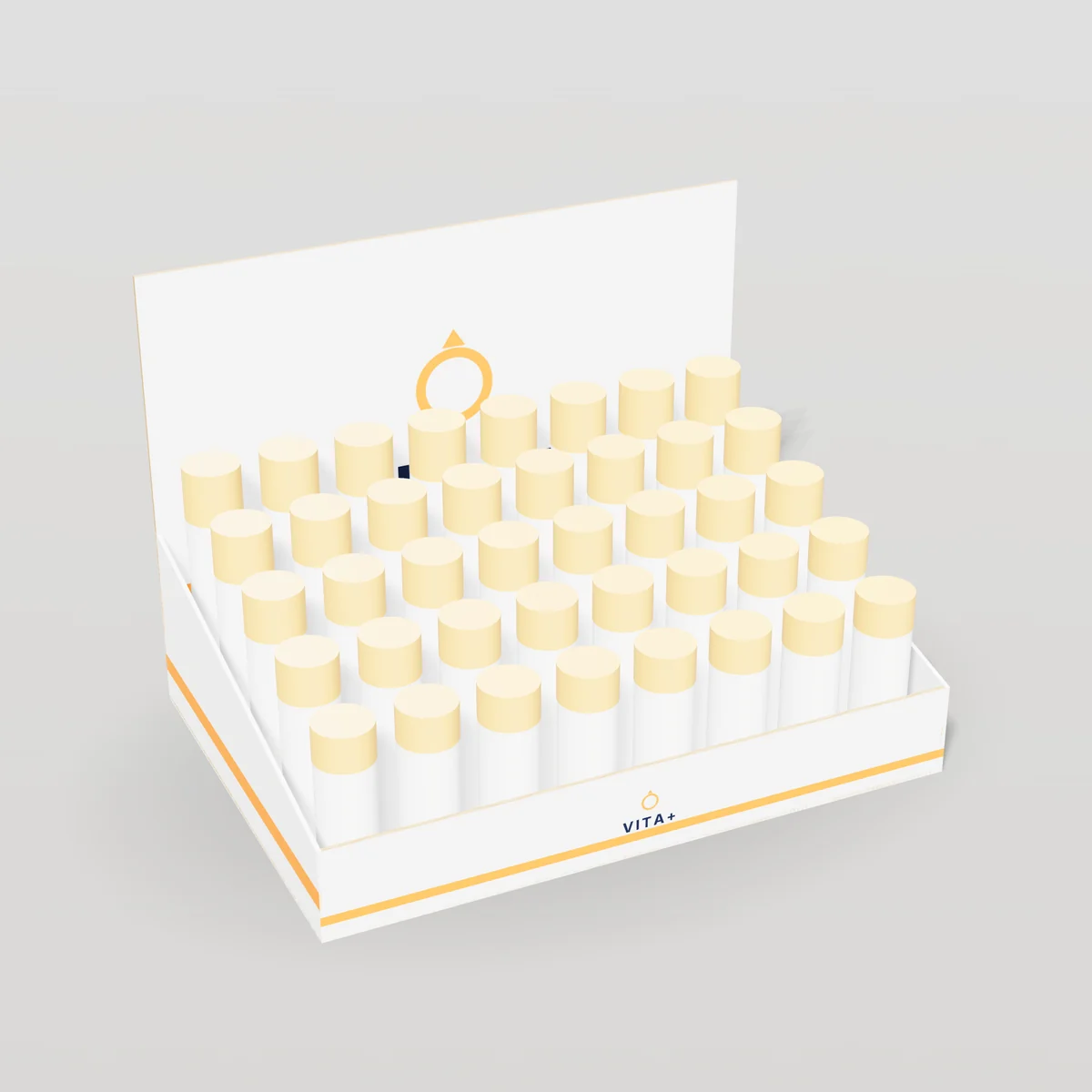
| Stick packs and sachets | Folding carton or display carton | Holds counts of 10–30 sticks |
| Subscription and starter kits | Mailer box | Branded unboxing for DTC |
| Retail counters | Display box | Impulse and sample sizes |
| Practitioner or gift sets | Magnetic or rigid box | Premium presentation |
Materials
- SBS paperboard (18–24pt): bright, clinical look and sharp small type for facts panels.
- Kraft paperboard: for natural, organic and plant-based brands.
- Recycled board: economical for high-volume SKUs.
- E-flute micro-corrugated: for heavier bottles and subscription mailers.
- Barrier pouch films: for powders that need protection from moisture and oxygen.
Supplement labeling basics
Dietary supplement labeling in the US is governed by FDA regulations (notably 21 CFR 101.36 for the Supplement Facts panel). This is a summary for planning; confirm details with a regulatory professional.
Typical required elements:
- Statement of identity including the words "dietary supplement" (or a descriptive term such as "vitamin C supplement") on the principal display panel
- Net quantity of contents (count, weight or volume) in the bottom 30% of the principal display panel
- Supplement Facts panel with serving size, servings per container, amounts and % Daily Value for listed nutrients and dietary ingredients, in the format specified by FDA
- Other ingredients list (fillers, capsule material, flavors)
- Name and place of business of the manufacturer, packer or distributor
- Allergen information for major food allergens
- The FDA disclaimer whenever structure/function claims are made: "These statements have not been evaluated by the Food and Drug Administration. This product is not intended to diagnose, treat, cure, or prevent any disease."
The Supplement Facts panel must fit legibly on the package, so plan its size early. If the outer box hides the bottle label at retail, the box itself generally needs to carry required information.
Designing supplement packaging
Clear hierarchy
- Brand
- Product name and benefit area ("Magnesium Glycinate", "Sleep support")
- Key strength ("400 mg per serving")
- Format and count ("120 capsules")
- Certifications you actually hold (for example third-party testing seals you are licensed to use)
Systems for many SKUs
Supplement lines grow fast. Build a system:
- A fixed layout grid across all cartons
- A color per benefit area (sleep, energy, immunity)
- Consistent placement of strength and count
- A modular back panel that adapts to different facts panel lengths
Tip: Design the Supplement Facts panel first and the rest of the carton around it. Discovering late that a long facts panel does not fit is a common, expensive delay.
Claims
Structure/function claims ("supports restful sleep") are permitted with the FDA disclaimer; disease claims ("treats insomnia") are not permitted for supplements. Keep language accurate and substantiated, since the FTC also requires claims to be truthful and supported.
Tamper evidence
Buyers expect evidence that ingestible products have not been opened. Options:
- Induction seals on bottles (primary packaging)
- Shrink bands around caps
- Tamper-evident seal stickers across carton tucks
- Tear strips on cartons and mailers
State on the package how tamper evidence works (for example, "Do not use if seal under cap is broken or missing").
Sizing supplement cartons
| Bottle | Typical size (in) | Typical carton (in) |
|---|---|---|
| 60-count, 150 cc | 2.0 × 2.0 × 3.8 | 2.2 × 2.2 × 4.1 |
| 90-count, 225 cc | 2.4 × 2.4 × 4.4 | 2.6 × 2.6 × 4.7 |
| 120-count, 300 cc | 2.6 × 2.6 × 4.9 | 2.8 × 2.8 × 5.2 |
| Gummy jar | 3.0 × 3.0 × 4.5 | 3.25 × 3.25 × 4.75 |
| 30 stick packs | Pack layout | 4.5 × 2.5 × 3.5 display carton |
Confirm with your bottle supplier's drawings. Use the Box Size Finder and request dielines with your quote.
Supplement packaging costs
The table at the top of this page shows estimated prices for a 3 × 3 × 5 in auto-lock carton. For high-volume SKUs, offset printing reduces unit cost; for many low-volume SKUs, digital printing avoids plate costs. A powder pouch compares like this:
| Quantity | Est. unit price | Est. total | Saving vs. first tier |
|---|---|---|---|
| 500 | $0.84 | $418 | — |
| 1,000 | $0.56 | $560 | −33% |
| 2,500 | $0.38 | $957 | −55% |
| 5,000 | $0.32 | $1,586 | −62% |
| 10,000 | $0.28 | $2,793 | −67% |
Estimates from our published pricing model, full-color print, no finishes, delivered to the contiguous US. Your written quote confirms the exact price. Get an exact quote →
Budget strategies
- Standardize carton sizes around two or three bottle sizes.
- Gang SKUs on one run.
- Choose a single premium finish (for example matte with spot UV logo).
- Skip the carton where retailers accept a labeled bottle, and invest in a strong DTC mailer instead.
Selling supplements online
- Subscriptions: a branded mailer with an insert holding one to three bottles, plus a refill card. See subscription boxes.
- Marketplaces: check current marketplace requirements for supplements, including documentation and packaging.
- Shipping: bottles travel well in snug cartons with void fill.
Sustainability
- Right-size cartons and remove unnecessary outer boxes where possible
- Recycled-content and kraft boards
- Paper inserts and paper tape
- Refill pouches for powders and capsules
- Honest claims under the FTC Green Guides
Launch checklist
- Bottle or pouch specifications
- Carton style and size per bottle
- Supplement Facts panel content and size, reviewed by a regulatory professional
- Claims and FDA disclaimer
- Allergen and other ingredient statements
- Tamper-evidence approach
- Barcodes per SKU
- Quantities and target date
Common supplement packaging mistakes
- Facts panel too small to be legible or not in FDA format.
- Disease claims instead of structure/function claims.
- Missing FDA disclaimer when claims are made.
- Net quantity outside the bottom 30% of the principal display panel.
- A new carton size for every SKU, multiplying costs.
Packaging by budget: starter, growing, premium
| Tier | Typical spec | Best for |
|---|---|---|
| Starter | Bottles with labels only, or simple SBS tuck cartons with aqueous coating | New brands testing products |
| Growing | SBS cartons with matte lamination and spot UV, consistent line design | Brands entering retail and marketplaces |
| Premium | Cartons with foil and soft-touch, subscription mailers, rigid starter kits | Premium and subscription brands |
Carton or no carton?
Many supplement bottles sell without an outer carton. Adding one:
- Adds shelf presence and space for information
- Protects bottles and labels in transit
- Adds tamper evidence with a seal sticker
- Supports premium positioning
But it also adds cost and material. Brands often use cartons for retail and premium SKUs and bottles alone for value lines or subscriptions.
Supplement subscription and starter kits
Supplement brands frequently sell subscriptions:
- Starter kits in a mailer or rigid box with a dosing guide
- Refill pouches in mailbox-friendly mailers
- Monthly mailers with a card explaining how to use the product
- Reusable jars with refills to reduce packaging
Worked example: a gummy vitamin line
- Primary: gummy vitamins in pouches (child-resistant zipper where appropriate).
- Retail: auto-lock bottom carton holding the pouch upright, with Supplement Facts on the back.
- Design: a color per vitamin type, consistent typography.
- Online: pouches ship in printed mailers without cartons to reduce material.
A buyer's guide to supplement packaging
Build trust on the shelf. Supplement shoppers look for signals of quality: clear, professional design, legible Supplement Facts, transparent ingredient information and tamper evidence. Packaging that looks careless raises doubts about what is inside.
Design a line, not a product. Supplement brands usually grow into many SKUs. A consistent grid, typography and logo position with color-coded variants makes the line easy to navigate and builds a shelf block in stores.
Make information readable. Supplement Facts panels, directions, warnings and allergen information need space and legible type. Plan a carton large enough, or use a fold-out label on the bottle, before finalizing structure.
Protect bottles and pouches. Cartons add protection in transit and on shelves. For e-commerce, ship cartons or bare bottles in mailers with inserts or paper fill.
Use tamper evidence. Induction seals on bottles, shrink bands and seal stickers across carton tucks reassure customers.
Plan for subscriptions. Refill pouches, mailbox-friendly mailers and starter kits suit subscription models and reduce packaging over time.
Terms to know
- Supplement Facts: the FDA format for supplement nutrition and ingredient information.
- Structure/function claim: a claim about how a supplement affects the body, which requires an FDA disclaimer.
- Induction seal: a foil seal heat-bonded across the bottle opening.
- Shrink band: a plastic band around the cap for tamper evidence.
Supplement packaging in one paragraph
Supplement packaging must earn trust and present required information clearly. Design a consistent line with color-coded variants, plan legible Supplement Facts and directions, protect bottles and pouches with cartons and mailers, add tamper evidence, and keep claims within FDA rules, with the required disclaimer for structure/function claims.
Packaging ideas by format
| Format | Packaging idea |
|---|---|
| Capsules in bottles | Tuck end carton or label-only bottle |
| Powders in tubs | Label-only tub; carton for premium |
| Powders in pouches | Stand-up pouch with zipper and scoop |
| Gummies | Pouch or jar; carton for retail |
| Sachets and stick packs | Dispenser carton |
| Starter kits | Mailer or rigid box with bottle cavities |
| Refills | Mailbox-friendly mailer with pouch |
Working with supplement co-packers
Most supplement brands use contract manufacturers. Coordinate packaging specifications early: bottle dimensions, carton sizes, label areas, lot code placement, induction seals and case packs. Send final carton proofs to the co-packer before printing, and confirm delivery addresses and quantities so packaging arrives before production starts.
Second example: a protein powder brand
A fitness brand sells protein powder online and in gyms.
- Primary: a stand-up pouch with a zipper and scoop inside.
- Retail: a counter display box holding single-serve stick packs.
- Online: pouches ship in a mailbox-friendly mailer.
- Information: Supplement Facts and directions on the back panel.
- Line system: flavor colors on a consistent layout.
Photographing supplement packaging
Use clean, bright light and simple backgrounds. Show the product in use (a scoop, capsules in a hand) and a straight-on shot of the label for listings.
Supplement labeling: what to plan for
Supplement labels follow FDA rules for dietary supplements. Common elements include a statement of identity with the term "dietary supplement" (or a descriptive equivalent), net quantity, a Supplement Facts panel, a list of other ingredients, allergen information, the name and place of business of the manufacturer, packer or distributor, directions for use and any warnings. Structure/function claims require the FDA disclaimer and notification. If the bottle is inside a carton, the carton generally needs to carry required information that shoppers see at purchase.
Plan these elements before choosing carton size. Supplement Facts panels with many ingredients can need a lot of space, sometimes requiring a larger carton or a tabular format. Have a regulatory professional review final artwork.
Ordering timeline for supplement packaging
| Step | Typical time |
|---|---|
| Quote with structure and material recommendation | Within 1 business day |
| Dieline and insert design | 1–3 business days |
| Artwork check, proof and 3D preview | 1–3 business days |
| Optional sample | About 5–12 business days |
| Production after approval | 10–14 business days |
| Delivery within the contiguous US | 3–7 business days |
Coordinate carton delivery with your co-packer’s production schedule.
Unboxing ideas for supplements
- A welcome card with how-to-take guidance
- A printed inside lid on starter kits
- A QR code to testing documentation
- A shaker or scoop for powders
- A reminder card for subscription refills
How to brief a designer for supplement packaging
Give your designer, or our team, these details before work starts:
- Bottle or pouch dimensions
- Supplement Facts content and other required text
- Line architecture: colors and naming by product
- Claims approved by your regulatory advisor
- Retail and online channels
- Tamper-evidence approach
A clear brief usually saves at least one round of revisions and avoids surprises at the proof stage.
Sustainability checklist for supplements
- [ ] Carton only where it adds value
- [ ] Recycled or certified board
- [ ] Refill options for subscriptions
- [ ] Minimal plastic in outer packaging
- [ ] Accurate recycling guidance
How supplement packaging grows with your brand
First 100–500 units. Labeled bottles or pouches, with cartons only for hero products.
500–2,500 units. Cartons for retail, a consistent line design and subscription mailers.
2,500 units and up. Offset cartons for volume, co-packer coordination and refill programs.
Recommended finishes for supplement packaging
Supplement cartons usually favor clean, credible finishes: matte aqueous coatings or matte lamination for a modern look, spot UV on the product name or key benefit, and occasionally silver or gold foil for premium lines. Avoid heavy textures that make small type harder to read. Keep the Supplement Facts panel uncoated or lightly coated so it remains easy to read.
Three things to get right with supplement boxes
- Readability. Supplement Facts, directions and warnings at legible sizes.
- The line system. Consistent layout with color-coded variants.
- Trust signals. Tamper evidence, clear claims and testing information where you have it.
Related guides
 GuideLabeling & compliance (US)What US packaging typically must show for food, cosmetics, dietary supplements and hemp/CBD products: net quantity, ingredients, food contact, Prop 65 and more.
 GuideBox styles explainedA practical comparison of every common box style: mailer, RSC shipper, tuck end, auto-lock, rigid, magnetic, sleeve, pillow, gable, display, window and tube.
 GuideHow much custom packaging costsRealistic 2026 price ranges for custom mailer, shipping, carton, rigid and pouch packaging, what drives cost, and proven ways to lower your unit price.
 GuideSustainable packagingHow to make packaging lower-impact without greenwashing: recyclable paper formats, recycled content, FSC, inks, plastic-free inserts and honest claims.
What finishes and add-ons cost
Estimated extra cost per unit at 1,000 units when you add one finish to a 3×3×5" auto-lock bottom box (base estimate $0.46). One-time tooling such as foil and embossing dies is already spread across the run in the per-unit figure and listed separately for reference.
| Finish | What it does | Adds per unit | One-time setup |
|---|---|---|---|
| Matte lamination | A thin film with a smooth, low-glare finish that protects print from scuffs. | +$0.02 | — |
| Soft-touch | A velvety, premium coating that invites customers to hold the box. | +$0.04 | — |
| Spot UV | Clear glossy varnish on selected areas for a sleek contrast against matte. | +$0.12 | $80.00 |
| Foil stamping | Gold, silver, rose gold or holographic foil for logos and accents. | +$0.20 | $120 |
| Embossing / debossing | Raised or recessed logo detail you can feel with your fingertips. | +$0.19 | $120 |
| Window | A die-cut window with clear film so the product sells itself. | +$0.14 | $60.00 |
| Custom insert | Paperboard, corrugated or foam inserts that hold products in place. | +$0.22 | $80.00 |
Estimated prices for recommended supplement boxes styles
Unit price estimates from our published pricing model for each recommended style at its most popular size with full-color print, delivered within the contiguous US. Use them as a budget starting point; your quote confirms exact prices for your size and options.
| Style | Typical board | 500 units | 1,000 units | 5,000 units |
|---|---|---|---|---|
| Auto-Lock Bottom Boxes5 × 3 × 7" | SBS white paperboard (18pt) | $0.78 | $0.55 | $0.34 |
| Tuck End Boxes4 × 2 × 6" | SBS white paperboard (18pt) | $0.60 | $0.40 | $0.23 |
| Display Boxes10 × 7 × 4" | E-flute corrugated, white | $1.42 | $1.13 | $0.83 |
| Folding Cartons3 × 3 × 5" | SBS white paperboard (18pt) | $0.62 | $0.42 | $0.24 |
| Stand-Up Pouches6 × 3.5 × 9" | Matte laminated film (PET/PE) | $0.76 | $0.49 | $0.26 |
A dash means the quantity is below that style’s minimum order.
Popular auto-lock bottom boxes sizes for supplement boxes
Auto-Lock Bottom Boxes are the most common starting point for supplement boxes. Estimated unit prices for popular sizes with full-color print on sbs white paperboard (18pt), delivered within the contiguous US:
| Inside size | Typical use | 500 units | 1,000 units | Quote |
|---|---|---|---|---|
| 3 × 3 × 5" | Serums, candles, soaps, single small products | $0.68 | $0.46 | Quote |
| 4 × 3 × 6" | Gift sets, apparel accessories, small electronics | $0.73 | $0.50 | Quote |
| 5 × 3 × 7" | Gift sets, apparel accessories, small electronics | $0.78 | $0.55 | Quote |
| 6 × 4 × 8" | T-shirts, subscription kits, books, multi-item orders | $0.91 | $0.67 | Quote |
What finishes add to supplement boxes
Estimated extra cost per unit at 1,000 units when you add one finish to a 5×3×7" auto-lock bottom box (base estimate $0.55). Choose one hero finish rather than several.
| Finish | What it does | Adds per unit |
|---|---|---|
| Matte lamination | A thin film with a smooth, low-glare finish that protects print from scuffs. | +$0.03 |
| Soft-touch | A velvety, premium coating that invites customers to hold the box. | +$0.06 |
| Spot UV | Clear glossy varnish on selected areas for a sleek contrast against matte. | +$0.13 |
| Foil stamping | Gold, silver, rose gold or holographic foil for logos and accents. | +$0.20 |
| Embossing / debossing | Raised or recessed logo detail you can feel with your fingertips. | +$0.19 |
| Window | A die-cut window with clear film so the product sells itself. | +$0.14 |
| Custom insert | Paperboard, corrugated or foam inserts that hold products in place. | +$0.23 |
Learn about these materials
Best box styles for supplement boxes
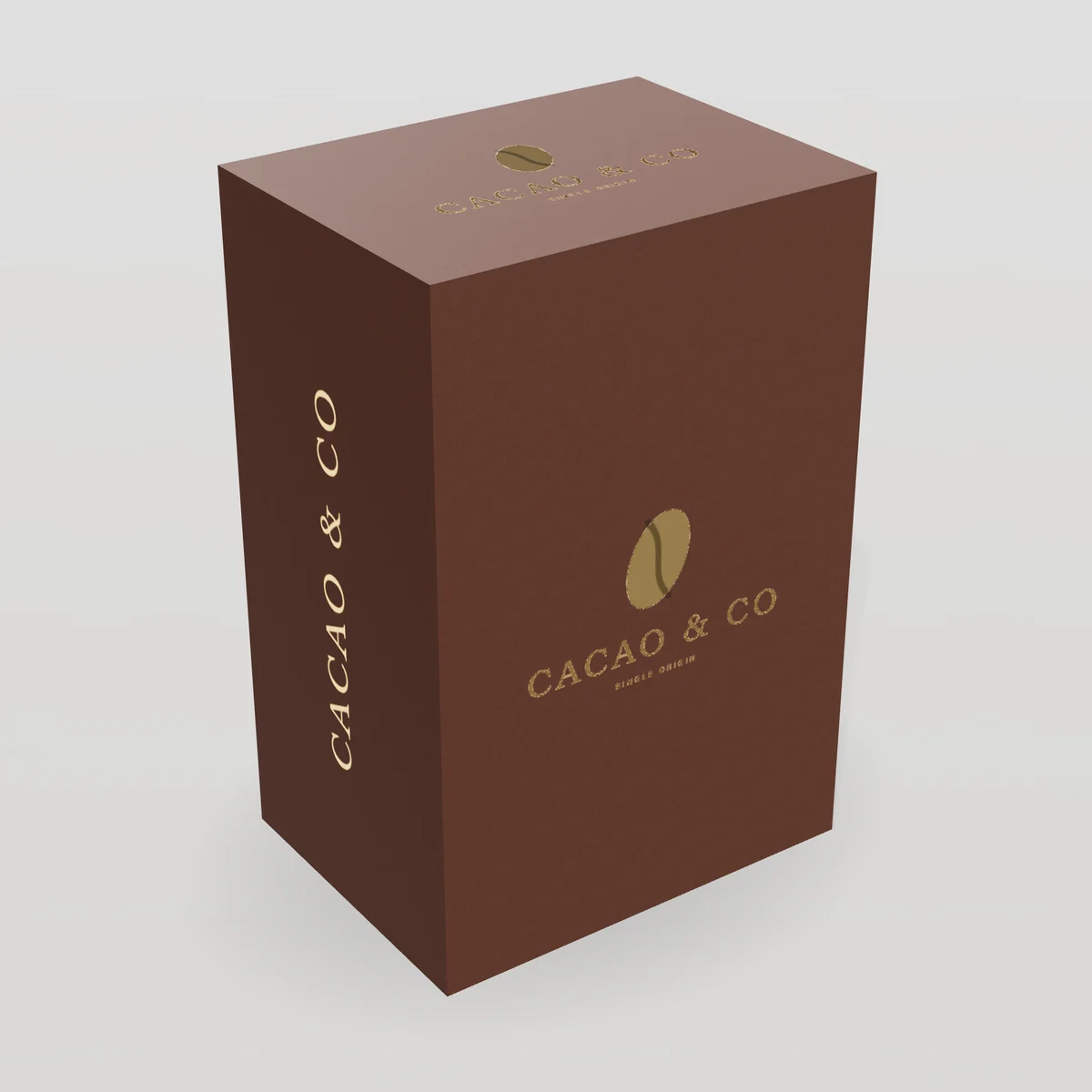 Box StylesAuto-Lock Bottom BoxesCrash-lock bottom cartons that pop open in one motion and carry heavier products safely.
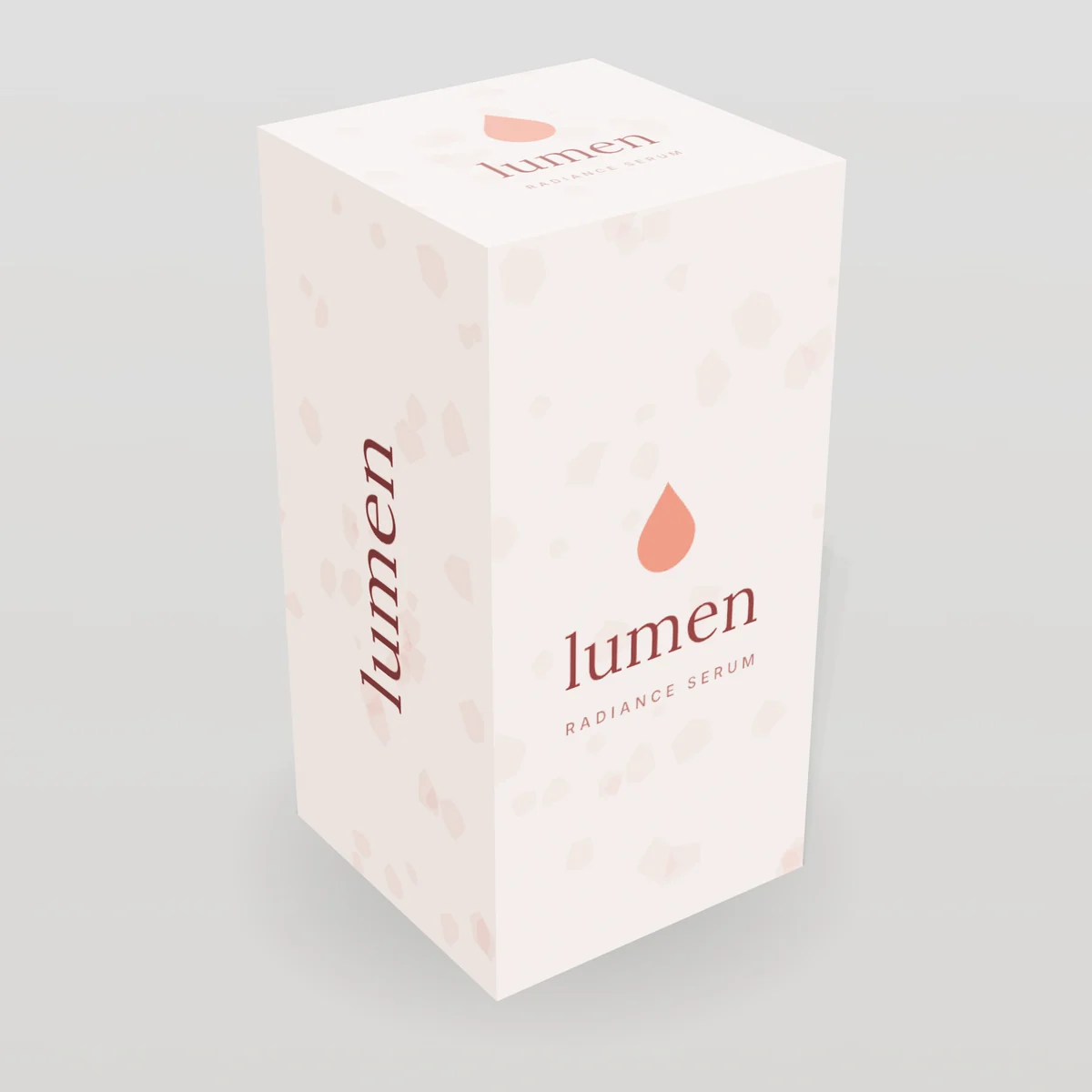 Box StylesTuck End BoxesStraight and reverse tuck end cartons that open and reclose cleanly. Ideal for lightweight retail products.
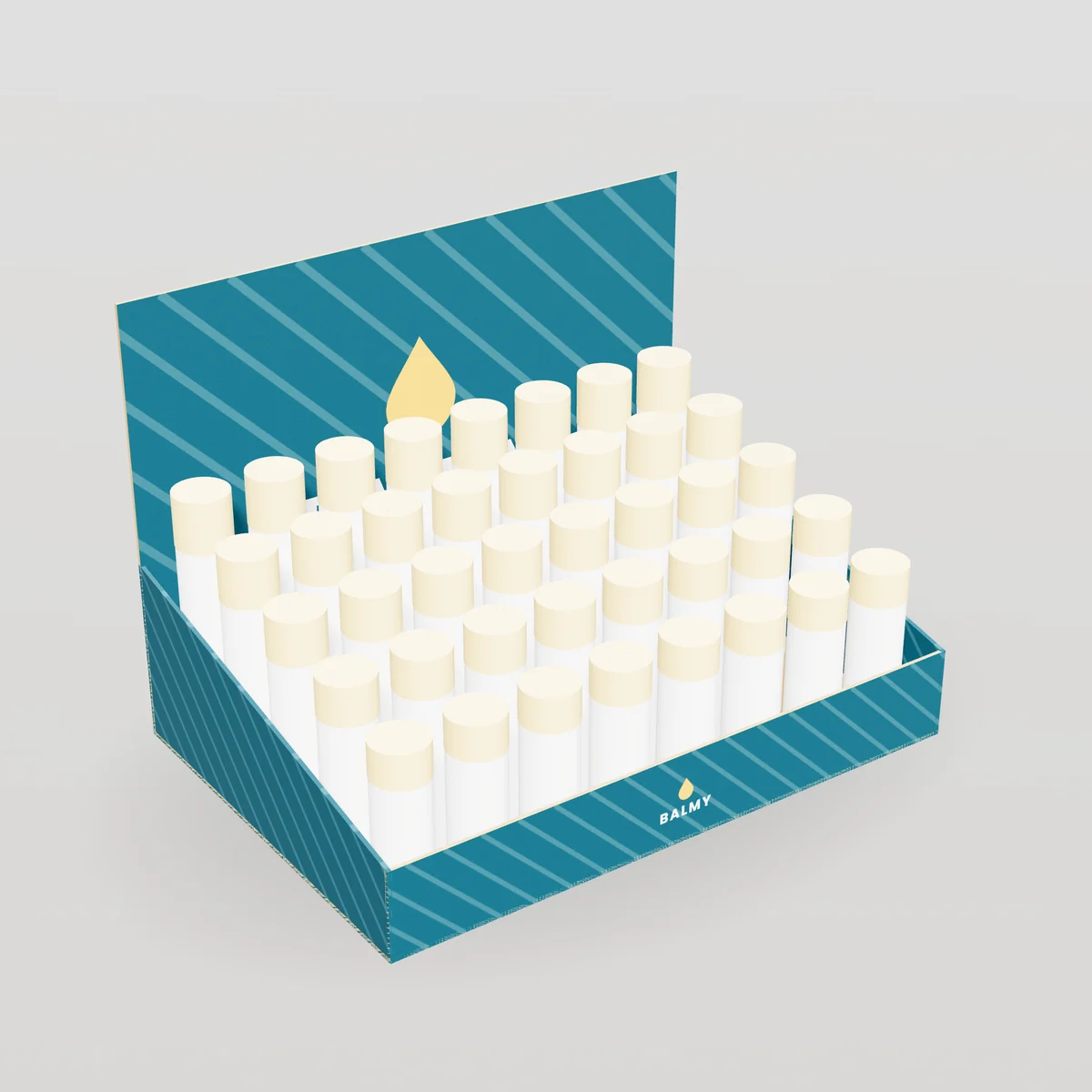 Box StylesDisplay BoxesCounter and shelf-ready displays that ship your product and sell it at the register.
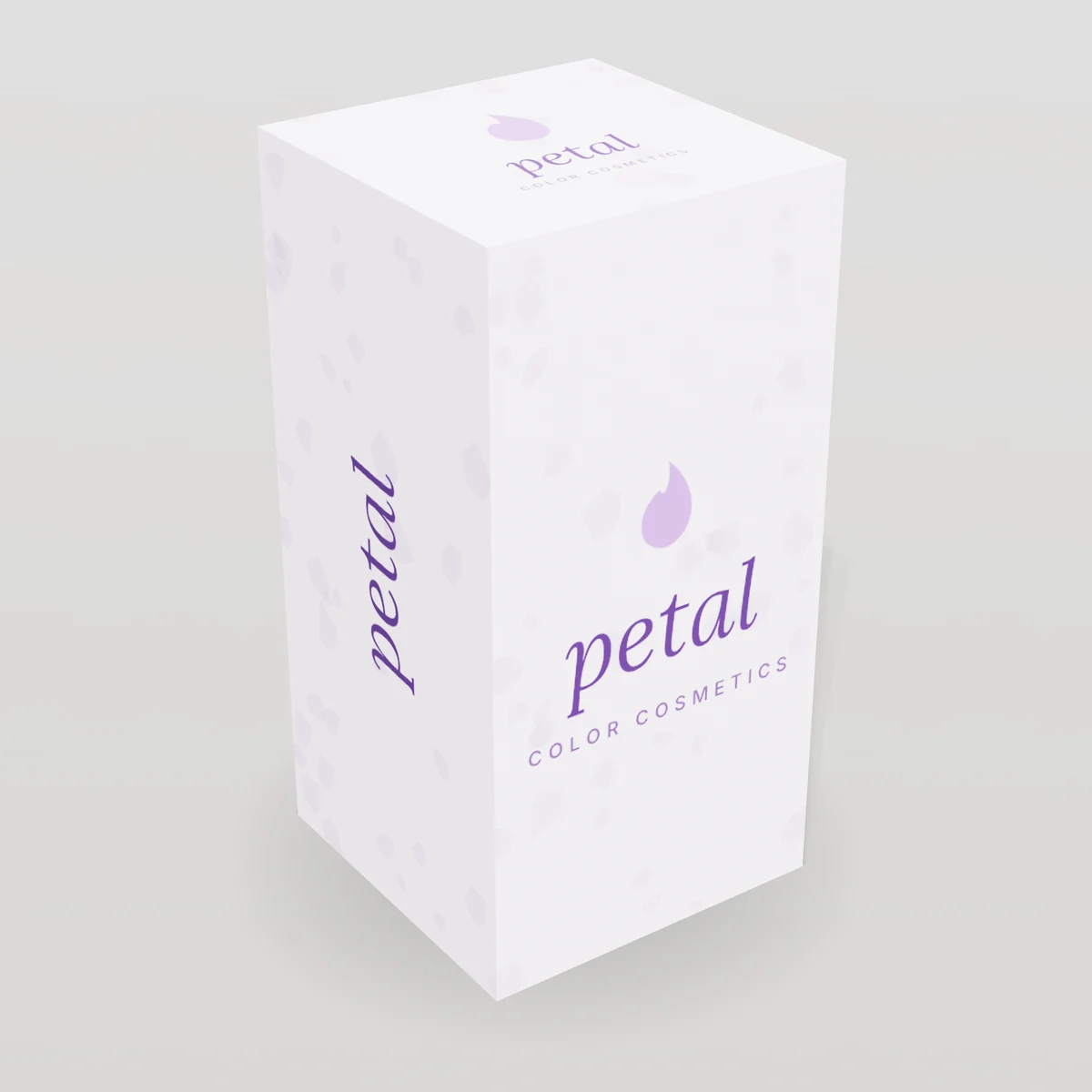 Box StylesFolding CartonsLightweight printed paperboard cartons that ship flat and fold up fast on your packing line.
 Box StylesStand-Up PouchesPrinted resealable pouches with a gusseted base for coffee, snacks, supplements and bath products.
How to order supplement boxes
- 1Request a quote
Tell us the style, size, quantity and artwork you have. Use the form or the live estimator.
- 2Free design & dieline
We send a dieline for your exact size, check your artwork and help with layout at no charge.
- 3Approve your proof
Review a digital 3D proof (and an optional physical sample) before anything is printed.
- 4Production & QC
Your boxes are printed, finished, die-cut and inspected against the approved proof.
- 5Delivered to your door
Shipped flat-packed with tracking to any address in the contiguous US.
Key terms on this page
- Net quantity
- The amount of product in a package (weight, volume or count), which many US consumer products must state on the main display panel.
- Panel
- A face of a box, such as the front, back, side, top or bottom panel.
- Tamper evidence
- Features that show if a package has been opened, such as seals, tear strips or shrink bands.
- Carton
- A box made from paperboard, usually a folding carton. In shipping, "carton" can also mean a corrugated case.
- Auto-lock bottom
- A pre-glued carton base, also called a crash-lock bottom, that locks into place automatically when the flattened box is opened. Stronger and faster to pack than a tuck bottom.
- Tuck end box
- A paperboard carton that closes with tuck flaps at its ends.
- Stand-up pouch
- A flexible bag with a gusseted bottom that stands upright, often with a zipper and barrier layers.
- Zipper (press-to-close)
- A resealable closure on flexible pouches and bags.
- Folding carton
- A paperboard box printed, die-cut, creased and glued, shipped flat and folded into shape at packing.
- Mailer box
- A self-locking corrugated box with a hinged lid and tuck front, widely used for e-commerce and subscriptions.
- Rigid box
- A premium box made from thick greyboard wrapped in printed or specialty paper, delivered assembled. Also called a setup box.
- SBS (solid bleached sulfate)
- Premium paperboard made from bleached virgin fiber, bright white throughout, with the best print and finish quality.
- Paperboard
- Thick paper (usually 0.010 inch or more) used for folding cartons, such as SBS, kraft and recycled board.
- Kraft
- Paper or board made from unbleached wood pulp, naturally brown and strong.
- Kraft paperboard
- Unbleached paperboard with a natural brown surface, used for eco-minded and artisan packaging.
- Board
- A general term for thick paper materials used in packaging, including paperboard, corrugated board and greyboard.
- E-flute
- A thin corrugated flute about 1/16 inch thick. It prints sharply and folds crisply, making it the standard for mailer boxes.
- Primary packaging
- The package that directly holds the product, such as a jar or carton.
- Offset printing
- Lithographic printing that transfers ink from metal plates to a rubber blanket and then to the sheet. Sharp detail and consistent color for larger runs.
- Digital printing
- Printing directly from a digital file without plates. Ideal for short runs, multiple designs and fast changes.
- Plate
- A printing surface (metal for offset, polymer for flexo) that carries the image of one color.
- Finish
- Any treatment applied after printing to change appearance or protect the surface, such as coatings, laminations, foil, embossing or spot UV.
- Spot UV
- A clear, glossy UV-cured varnish applied to selected areas to create contrast with a matte background.
- Insert
- A component inside a box that holds products in place, such as die-cut paperboard, corrugated, foam or molded pulp.
- Void fill
- Material that fills empty space in a shipping box to stop products moving, such as crinkle paper or air pillows.
- Proof
- A preview of the final package (digital PDF, 3D render or physical sample) that the customer approves before production.
- Aqueous coating
- A clear, water-based coating applied over printed board to protect it from scuffs and fingerprints. It is fast drying, low odor and keeps paper packaging easy to recycle.
- Lamination
- Bonding a thin film (matte, gloss or soft-touch) or paper to board for protection and finish.
More definitions in our packaging glossary.
Customer reviews
Reviews come only from verified customers. Ordered supplement boxes from us? Share your experience.
Discussed on Quora & X
Supplement Boxes FAQ
What box is best for supplement bottles?
An auto-lock bottom carton in 18–20pt SBS is the most common choice: it holds the bottle's weight and packs quickly.
What must be on a supplement label?
Typically a statement of identity, net quantity, Supplement Facts panel, other ingredients, allergens, the responsible company's name and place of business, and the FDA disclaimer when claims are made. Confirm details with a regulatory professional.
What is the minimum order for supplement boxes?
Our minimum is 250 units for cartons and 500 units for pouches.
Can you print many SKUs at once?
Yes. Digital printing handles many SKUs in one run, and offset printing can gang similar-sized cartons.
Do you add tamper-evident features?
We offer tamper-evident seal stickers and tear strips for cartons and mailers. Induction seals and shrink bands are applied to bottles by your filler.
Can supplement packaging be eco-friendly?
Yes. Recycled and kraft boards, paper inserts and refill pouches reduce impact. Claims should follow the FTC Green Guides.
Do supplement cartons need a Supplement Facts panel?
Required information generally must appear on the label that consumers see at purchase; if the carton hides the bottle label, the carton needs the information. Confirm with a regulatory professional.
How do I add tamper evidence?
Use induction-sealed bottles, shrink bands and a seal sticker across the carton tuck.
What carton size for a 60-count bottle?
Often around 2.5 × 2.5 × 4.75 in, depending on the bottle. Send your bottle dimensions.
Can supplement boxes be printed with Supplement Facts?
Yes. Plan the panel size early so type stays legible.
What finish is best for supplement cartons?
Matte aqueous or matte lamination with spot UV on the product name is common and practical.
Do I need a carton for my supplement bottle?
Not always. Many bottles sell with labels only; cartons add protection, shelf presence and space for information.
Can I get different colors for each supplement in a line?
Yes. A consistent layout with color-coded variants is the most common approach.
Are supplement cartons recyclable?
Paperboard cartons are widely recyclable; remove plastic bottles or pouches for separate recycling where accepted.
Can I add a QR code for third-party testing?
Yes. A QR code linking to testing documentation can build trust.
Do I need child-resistant packaging?
Some supplements, such as certain iron-containing products, have special packaging requirements. Check the rules for your product.
How much do supplement cartons cost?
Tuck end cartons are among the most economical retail boxes, especially at 1,000 units and above. See the price table on this page for estimates by style.
How long does supplement packaging take?
About 10–14 business days after proof approval, plus shipping.
Can you match my brand color across a supplement line?
Yes. Supply Pantone references and approve a printed sample for color-critical lines.
Do you print lot numbers and expiry dates?
Most brands stamp or label these at packing. We can leave a clear area on the carton.
Do you offer free design help for supplement boxes?
Yes. Every quote includes a free dieline for your exact size, an artwork check, and a digital proof with a 3D preview. Our designers can also lay out artwork from your logo, brand colors and ideas, so you do not need a packaging designer to get started.
Can I see a 3D preview of my supplement boxes before ordering?
Yes. You can try styles and colors yourself in the free 3D Box Builder, and every quote includes a 3D preview made from your real artwork before anything is printed.
Where do you deliver supplement boxes?
We deliver to business and residential addresses across the contiguous United States with tracking, usually within 3–7 business days after production. Alaska, Hawaii and expedited freight are quoted separately.
What if my supplement boxes arrive with a defect?
Report it within 7 days of delivery with photos and your order number. If there is a production defect or the boxes do not match your approved proof, we reprint or refund the affected items under our reprint guarantee.
Can one carton design work for several supplement flavors?
Yes. Keep the structure, layout and brand elements the same, and change the flavor name, color band and facts panel per version. Printing versions together in one run reduces setup costs, and a consistent system helps customers find their flavor quickly.