Key takeaways
- A typical men’s shoe box is about 13 × 8 × 4.75 in; women’s about 11.5 × 7.5 × 4.25 in.
- One box size usually covers a range of shoe sizes; size for the largest.
- Hinged corrugated boxes suit athletic shoes; rigid boxes suit luxury pairs.
- Shipping in a right-sized or mailer-style shoe box cuts dimensional weight charges.
The short answer
There is no single official shoe box size, but most US shoe boxes fall into a few predictable ranges:
- Men's shoe box: about 13 × 8 × 4.75 in (33 × 20 × 12 cm). Athletic and larger sizes run up to about 14 × 10 × 5.5 in.
- Women's shoe box: about 11.5 × 7.5 × 4.25 in (29 × 19 × 11 cm).
- Kids' shoe box: about 9.5 × 6 × 3.5 in (24 × 15 × 9 cm).
- Boot box: ankle boots about 13.5 × 10 × 5 in; tall boots up to about 18 × 13 × 5 in or more.
Quick answer: A typical men's shoe box is around 13 × 8 × 4.75 inches, a women's box around 11.5 × 7.5 × 4.25 inches and a kids' box around 9.5 × 6 × 3.5 inches. Brands use their own sizes, and one box size usually covers a range of shoe sizes. For a custom box, measure your largest shoe size and add room for tissue and any insert.
Shoe box size chart
These are typical inside dimensions (length × width × height). Every brand's list differs slightly.
| Box type | Inches (L × W × H) | Centimeters | Typical contents |
|---|---|---|---|
| Toddler | 7.5 × 5 × 3 | 19 × 13 × 8 | Toddler and baby shoes |
| Kids' | 9.5 × 6 × 3.5 | 24 × 15 × 9 | Children's sneakers and school shoes |
| Youth / big kids' | 11 × 7 × 4 | 28 × 18 × 10 | Larger children's sizes |
| Women's flats and sneakers | 11.5 × 7.5 × 4.25 | 29 × 19 × 11 | Flats, sneakers, loafers |
| Women's heels | 12 × 8 × 5 | 30 × 20 × 13 | Heels and platforms (taller box) |
| Men's dress shoes | 13 × 8 × 4.75 | 33 × 20 × 12 | Oxfords, loafers |
| Men's athletic | 14 × 9.5 × 5 | 36 × 24 × 13 | Running shoes, high-tops, large sizes |
| Sandals and slides | 11–13 × 7–8 × 3–3.5 | 28–33 × 18–20 × 8–9 | Lower profile footwear |
| Ankle boots | 13.5 × 10 × 5 | 34 × 25 × 13 | Chelsea and hiking boots |
| Work boots | 14–15 × 10–11 × 5.5–6 | 36–38 × 25–28 × 14–15 | Heavy, high-shaft boots |
| Tall boots | 18 × 13 × 5 | 46 × 33 × 13 | Knee-high boots (often packed folded) |
Why the numbers vary
- Shoe size range. Brands don't make a box for every half size. One box often covers several sizes, so the box is sized for the largest shoe in that range.
- Shoe style. High-tops, chunky soles, platforms and boots need more height or width.
- Packing method. Most pairs are packed heel to toe (one shoe facing each way) to save width. Some premium brands pack shoes side by side with a divider.
- Extras. Tissue paper, shoe shapers, dust bags, spare laces and care cards all take space.
Box size by shoe size
Many brands use three or four box sizes per gender. A typical split for adult sneakers looks like this (approximate inside sizes):
| Shoe sizes (US) | Men's box | Women's box |
|---|---|---|
| Small (M 6–8 / W 5–7) | 12 × 7.5 × 4.5 in | 10.5 × 7 × 4 in |
| Medium (M 8.5–10.5 / W 7.5–9) | 13 × 8 × 4.75 in | 11.5 × 7.5 × 4.25 in |
| Large (M 11–13 / W 9.5–11) | 14 × 9 × 5 in | 12 × 8 × 4.5 in |
| Extra large (M 14+) | 15 × 10 × 5.5 in | n/a |
Use this as a starting point for planning only. Measure your actual products, because last shape, sole thickness and toe spring vary a lot between styles.
Shoe size conversions for international ranges
If you sell in several markets, your size labels and box ranges have to line up across systems. Size charts differ between brands and lasts (UK sizes run about half to one size below US men's and about two sizes below US women's), so treat these as typical values:
| Men's US | UK | EU | Foot length (cm) |
|---|---|---|---|
| 7 | 6–6.5 | 40 | 25 |
| 8 | 7–7.5 | 41 | 26 |
| 9 | 8–8.5 | 42 | 27 |
| 10 | 9–9.5 | 43–44 | 28 |
| 11 | 10–10.5 | 45 | 29 |
| 12 | 11–11.5 | 46 | 30 |
| 13 | 12–12.5 | 47–48 | 31 |
| Women's US | UK | EU | Foot length (cm) |
|---|---|---|---|
| 5 | 2.5–3 | 35–36 | 22 |
| 6 | 3.5–4 | 36–37 | 23 |
| 7 | 4.5–5 | 37–38 | 24 |
| 8 | 5.5–6 | 38–39 | 25 |
| 9 | 6.5–7 | 40 | 26 |
| 10 | 7.5–8 | 41 | 27 |
| 11 | 8.5–9 | 42 | 28 |
A finished shoe is longer than the foot it fits, usually by about 0.5–1 in (1.5–2.5 cm) for toe room and the sole, and more for pointed toes or chunky soles. That is why box sizes are always set from the measured shoe, not from the size label.
Shoe boxes by footwear category
- Heels and platforms: need extra height for the heel and often a paper wrap or divider so the heel of one shoe doesn't scuff the upper of the other.
- Sandals and slides: flat and light, so a lower box (3–3.5 in) avoids empty space. Many brands use a slim two-piece box or a printed bag.
- Slippers: often sold in a window box or a printed sleeve so shoppers can feel the material.
- High-tops and basketball shoes: 5–5.5 in of inside height is common, with width for thick padded collars.
- Hiking and work boots: heavier, so B-flute or stronger board, and a box that won't burst when the boots are packed with laces and shapers.
- Baby shoes: tiny, gift-focused boxes, often two-piece or drawer style with a window or tissue nest.
Master cartons and storage
Factories pack shoe boxes into corrugated master cartons, commonly holding 6 to 12 pairs. Size each shoe box so a whole number of boxes fills the master carton without gaps, and so master cartons fit your pallet and the retailer's shelf depth. A shoe box that is 0.25 in too long can force a bigger master carton, more air on every pallet and higher freight costs across thousands of pairs.
How to measure a shoe box
Box sizes are written as Length × Width × Height, measured inside:
- Length: the longest side of the box base.
- Width: the shorter side of the base.
- Height: from the base to the top of the lid opening (with the lid on, for two-piece boxes, measure the base height).
For shipping, carriers use outside dimensions, which are larger by the board thickness. See how to measure a box for details.
How to size a custom shoe box
If you're launching a footwear brand or designing new packaging, size the box from the product, not from a generic list.
- Measure the largest shoe in the size range that will use this box: length (heel to toe), width at the widest point and height at the tallest point (usually the heel counter or collar).
- Arrange the pair. For heel-to-toe packing, inside length ≈ shoe length + about 0.5 in; inside width ≈ two shoe widths minus the overlap you get by nesting, typically about 1.6–1.8 × one shoe's width.
- Add tissue and inserts. Allow about 0.25–0.5 in on each side for tissue, or more for a die-cut insert or dust bags.
- Set the height. Shoe height + 0.25–0.5 in clearance, more for high-tops or if you pack the box with a shaper inside.
- Make a sample. Order a plain sample or prototype and pack a real pair before you approve production.
Example
A men's size 12 running shoe measures 12.4 in long, 4.6 in wide and 4.5 in tall.
- Inside length: 12.4 + 0.6 = 13 in
- Inside width: 4.6 × 1.75 ≈ 8.05, plus tissue = 8.5 in
- Inside height: 4.5 + 0.5 = 5 in
A 13 × 8.5 × 5 in box covers that shoe and smaller sizes in the same style.
Types of shoe boxes
Hinged-lid corrugated box
The classic athletic shoe box: a single piece of printed E-flute or B-flute corrugated board folded into a base with an attached lid. It's strong enough to stack in stockrooms, quick to assemble and economical at volume.
Two-piece box (lid and base)
A separate lid over a base, made from paperboard, corrugated or rigid board. Common for dress shoes, heels and kids' shoes. Rigid two-piece boxes feel premium and are often kept for storage.
Drawer (slide) box
A tray that slides out of a sleeve. It creates a memorable reveal and is popular for premium sneakers and limited editions.
Magnetic closure box
A rigid box with a hinged lid held shut by hidden magnets. Used for luxury footwear, gift sets and special editions.
Mailer-style shoe box
A corrugated mailer box strong enough to ship without an outer box. Direct-to-consumer brands use it to cut packaging and shipping costs: the shoe box is the shipping box. Use B-flute or a stronger board and test it through the mail.
Window box
A carton with a clear window, common for kids' shoes, slippers and retail displays.
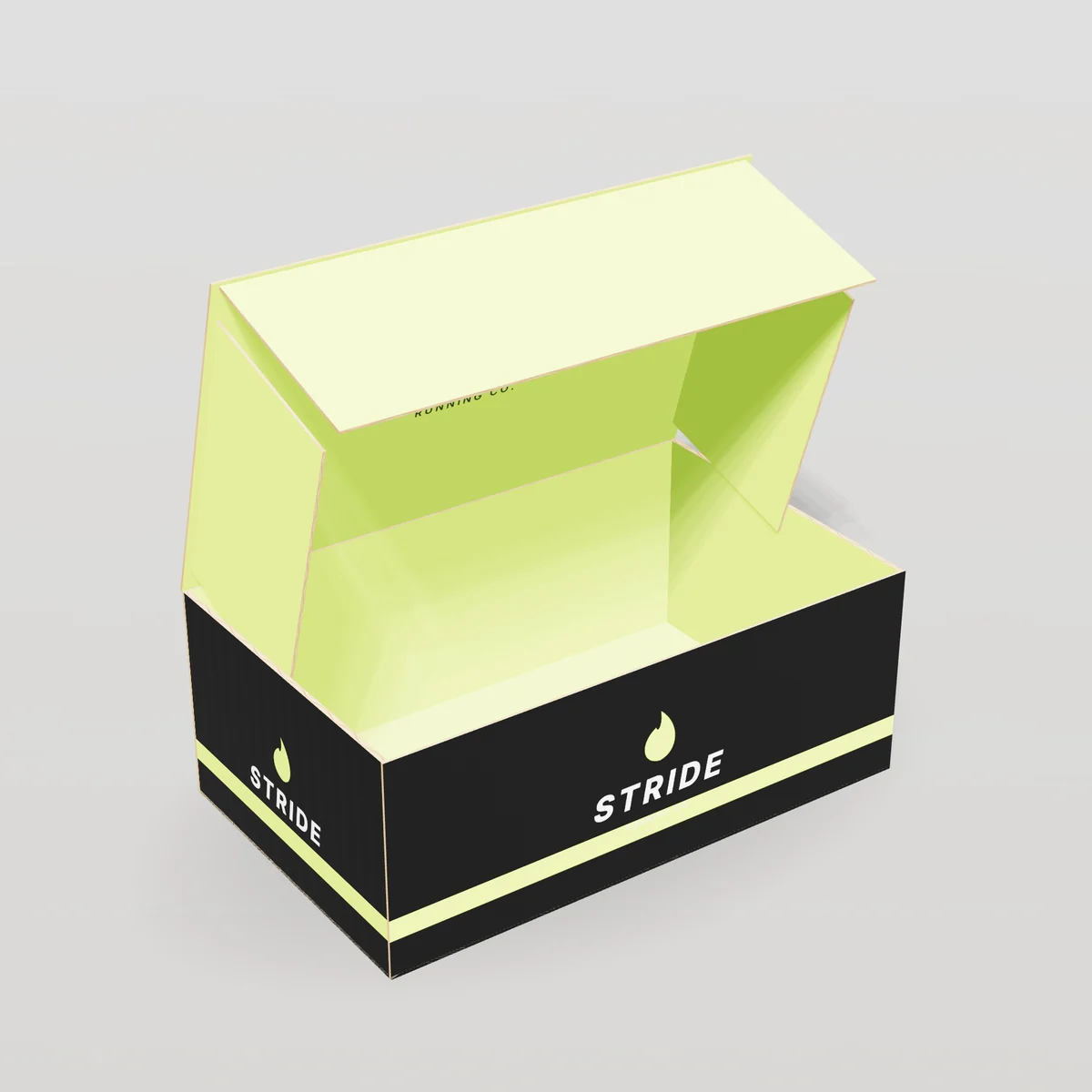 IndustriesShoe BoxesSneaker and footwear boxes that stack in the stockroom and ship direct to consumers.
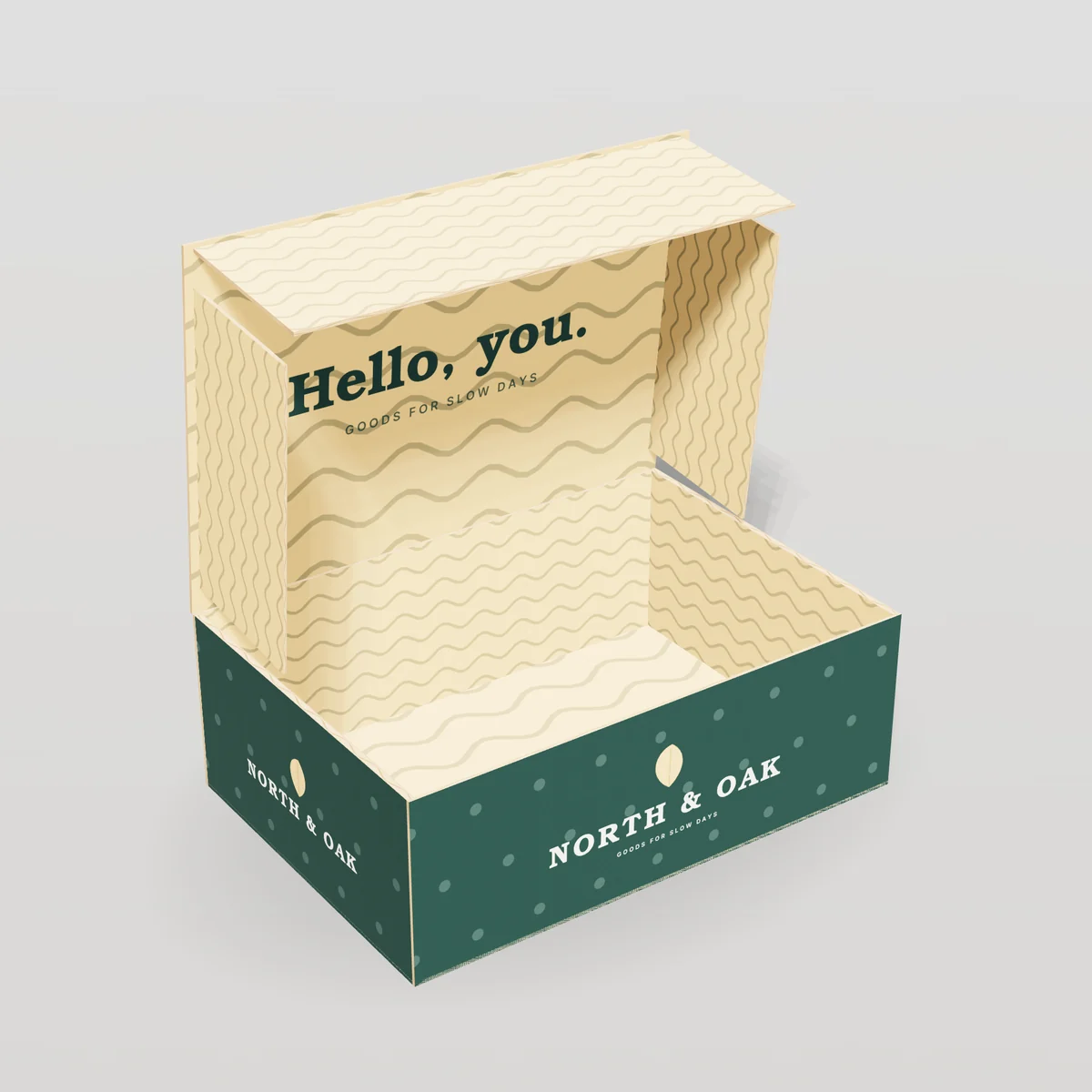 Box StylesMailer BoxesSelf-locking corrugated mailers printed inside and out. The go-to box for DTC brands and subscriptions.
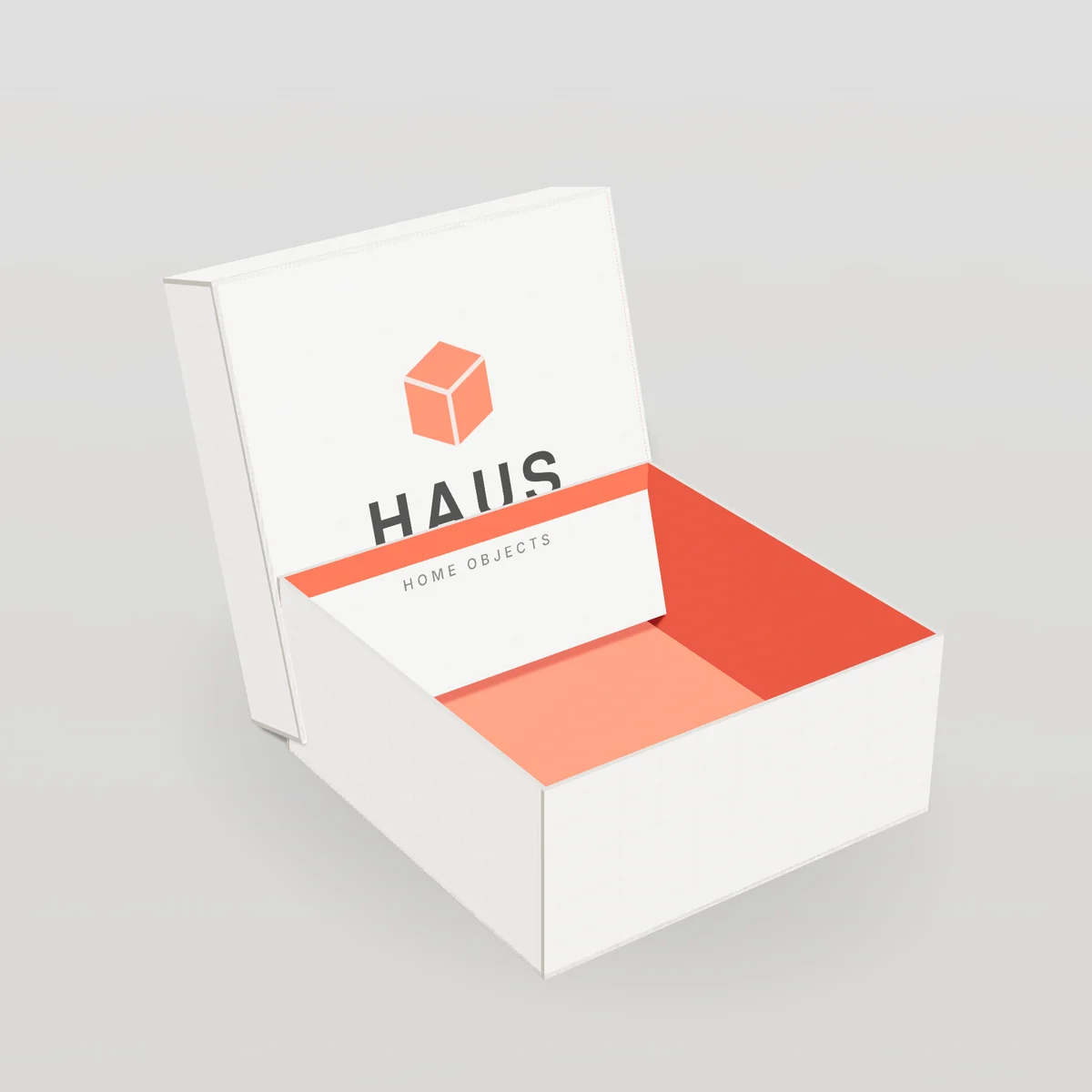 Box StylesTwo-Piece BoxesLid-and-base boxes in rigid board or paperboard. A timeless gift and apparel format.
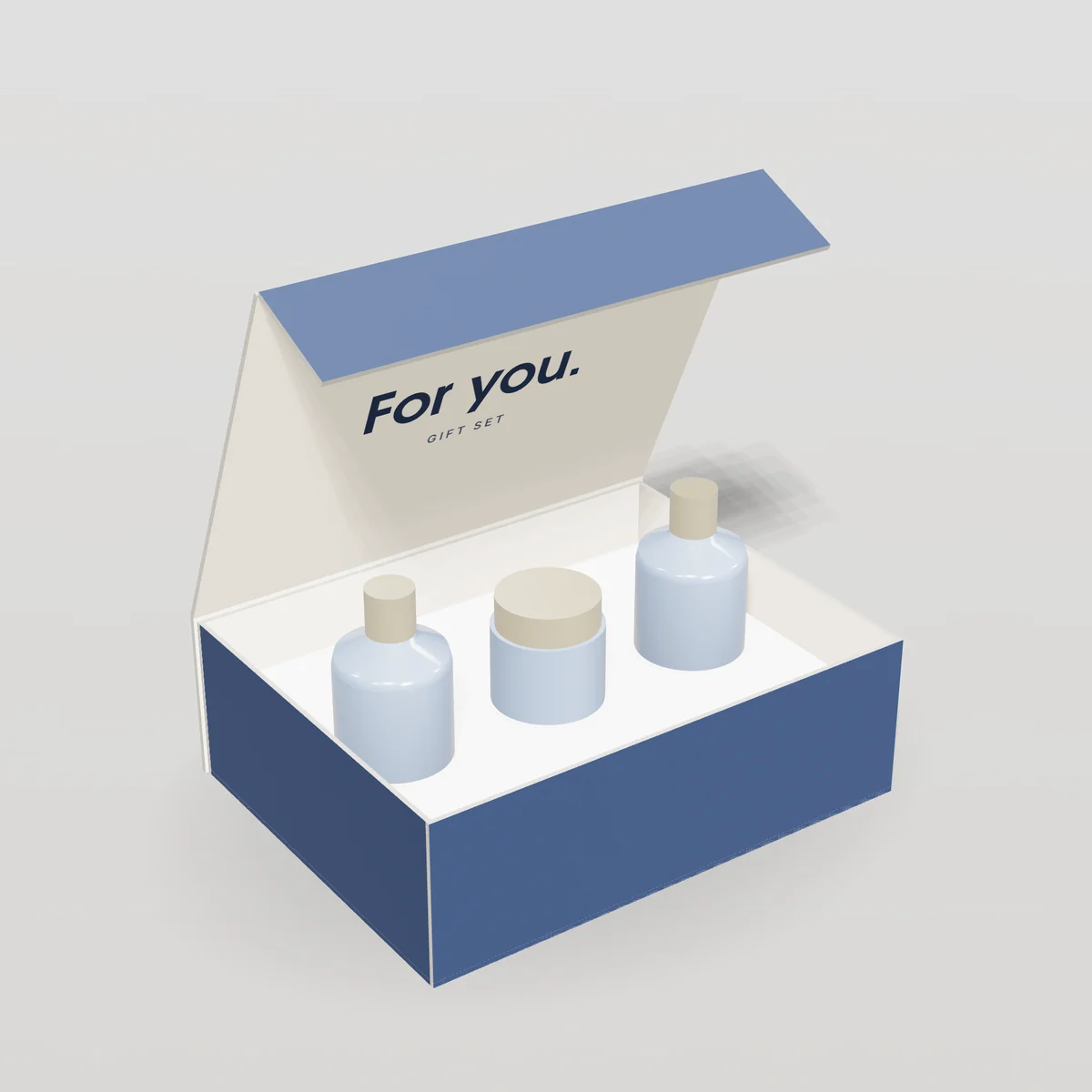 Box StylesMagnetic Closure BoxesBook-style rigid boxes with hidden magnets for a satisfying, reclosable unboxing.
Shoe box materials
| Material | Look and feel | Best for |
|---|---|---|
| E-flute corrugated | Strong, light, prints well | Athletic shoe boxes, mailer-style boxes |
| B-flute corrugated | Stronger, more crush resistant | Boots, heavy shoes, ship-alone boxes |
| Paperboard (SBS or kraft) | Thin, smooth, crisp print | Kids' shoes, slippers, light shoes |
| Rigid board (greyboard + wrap) | Thick, premium, keepsake | Luxury shoes, heels, limited editions |
| Kraft corrugated | Natural, eco look | Sustainable and outdoor brands |
Labels on shoe boxes
The end panel of a shoe box is its most important label space, because boxes are stored end-out on stockroom shelves. A typical end label shows:
- Brand and style name
- Shoe size (often in US, UK, EU and cm) and width
- Color name or code
- SKU and barcode (UPC or EAN)
- Country of origin
Imported footwear must be marked with its country of origin under US Customs rules, and the box usually repeats it. Print a consistent label area on the end panel so store staff can find sizes in seconds.
Shipping shoe boxes
Shoes are light but bulky, so dimensional weight often decides what you pay to ship them. Carriers bill by the greater of actual weight and dimensional weight (L × W × H ÷ divisor, using outside dimensions).
| Package | Outside size (in) | DIM weight at ÷139 | Billable for a 3 lb pair |
|---|---|---|---|
| Shoe box shipped alone (mailer style) | 14 × 10 × 5 | 6 lb | 6 lb |
| Shoe box inside a snug shipper | 15 × 11 × 6 | 8 lb | 8 lb |
| Shoe box inside an oversized shipper | 18 × 14 × 8 | 15 lb | 15 lb |
The difference between a right-sized and an oversized shipper can be more than double the billable weight. Two ways to save:
- Ship in the shoe box itself using a strong, mailer-style shoe box with a printed or labeled exterior.
- Right-size the outer box so the shoe box fits snugly, with minimal void fill.
Our DIM weight calculator compares carriers for any box size.
Packing shoes like a premium brand
- Tissue paper wrapped around the shoes, sealed with a branded sticker.
- Shoe shapers (paper or cardboard) to keep toes and uppers in shape.
- Dust bags for leather and luxury shoes.
- Silica gel packets to control moisture in transit and storage.
- A care card with cleaning tips, and a QR code to the size guide or returns page.
- Inside print on the lid, such as a message, pattern or the shoe's story.
These touches cost little and turn a box into part of the product.
| Quantity | Est. unit price | Est. total | Saving vs. first tier |
|---|---|---|---|
| 100 | $4.44 | $444 | — |
| 250 | $2.93 | $732 | −34% |
| 500 | $2.35 | $1,173 | −47% |
| 1,000 | $2.00 | $1,997 | −55% |
| 2,500 | $1.72 | $4,306 | −61% |
| 5,000 | $1.59 | $7,952 | −64% |
| 10,000 | $1.50 | $14,957 | −66% |
Estimates from our published pricing model, full-color print, no finishes, delivered to the contiguous US. Your written quote confirms the exact price. Get an exact quote →
Designing a shoe box that sells
A shoe box is seen in three places: the stockroom shelf, the store counter or doorstep, and the customer's closet. Good designs work in all three.
- Lead with the brand on the lid. A bold logo, one brand color and a simple pattern are recognizable from across a room and in unboxing videos.
- Make the end panel functional. Size, color and barcode in a clear, consistent label area. This is the side store staff see a hundred times a day.
- Use the inside of the lid. A printed message, pattern or the shoe's story is the moment customers photograph.
- Keep the range consistent. Use the same layout across sizes and styles; change only a color band or icon to separate collections.
- Choose one finish. A matte lamination with a spot UV logo, or a foil logo on kraft, looks premium without overspending.
- Plan for collectors. If your shoes are collectible, design the box as a keepsake: rigid or drawer style, a numbered label, and artwork worth keeping.
Sustainable shoe packaging ideas
- Ship in the shoe box to remove the outer shipper entirely.
- Use kraft corrugated with one or two ink colors instead of full laminated coverage.
- Replace plastic windows, bags and foam with paper alternatives such as tissue, paper shapers and molded pulp.
- Right-size every box to the shoe range, cutting board use and shipping costs.
- Print recycling guidance on the box, such as "Please recycle: corrugated cardboard".
- Design for reuse with a sturdy lid and attractive inside print, so customers keep the box for storage.
Reusing and recycling shoe boxes
Shoe boxes are one of the most reused boxes in the home, for storage, crafts, photos and keepsakes. Rigid and two-piece boxes in particular are often kept for years, which keeps your brand visible long after purchase.
When they're finished, corrugated and paperboard shoe boxes are widely recyclable in US curbside programs. Remove plastic windows, magnets and foam where possible. Rigid boxes with heavy laminations or magnets may not be accepted everywhere.
Common shoe box sizing mistakes
- Sizing for the average shoe. Size each box for the largest shoe it must hold.
- Forgetting tissue and inserts. A tight box crushes toes and creases uppers.
- Too much empty space. Oversized boxes cost more to make, store and ship.
- Ignoring stockroom shelving. Retail partners may have standard shelf depths; ask before you finalize sizes.
- Weak board for ship-alone boxes. A shoe box that will travel without an outer shipper needs mailer-grade corrugated and proper closures.
A short history of the shoe box
Shoes were once wrapped in paper or sold loose from the cobbler's shelf. As shoes became factory-made and sold in sizes through department stores in the late nineteenth and early twentieth centuries, boxes became the practical way to keep pairs together, protect them in storage and label sizes on the shelf. The end-panel size label and the stacked wall of boxes behind the counter became part of the shoe-shopping ritual. Today, for sneaker collectors, the original box is part of a shoe's value, and "deadstock in box" can sell for more than the same pair without it.
Key terms on this page
- Insert
- A component inside a box that holds products in place, such as die-cut paperboard, corrugated, foam or molded pulp.
- Inside dimensions
- The usable space inside a box, the standard way to specify custom box sizes (L × W × H).
- Tissue paper
- Thin, light paper used to wrap products inside boxes, often printed with a brand pattern.
- Point (pt)
- The unit of paperboard thickness: 1 point equals 0.001 inch. 18pt board is 0.018 inch thick.
- Wrap
- The printed or specialty paper glued around the board of a rigid box or tube.
- Two-piece box
- A box with a separate base and lid that lifts off.
- Sleeve
- An open-ended band or tube that slides over a tray or box, often printed to brand plain packaging.
- B-flute
- A corrugated flute about 1/8 inch thick. It offers good crush resistance and printability and is used for shipping boxes, heavier mailers and die-cut shippers.
- Board
- A general term for thick paper materials used in packaging, including paperboard, corrugated board and greyboard.
- Carton
- A box made from paperboard, usually a folding carton. In shipping, "carton" can also mean a corrugated case.
- Pallet
- A flat platform used to ship stacked goods. The standard US GMA pallet is 48 by 40 inches.
- Lid
- The top part of a box, hinged or separate.
- Outside dimensions
- The external size of a box, larger than inside dimensions by the board thickness.
- E-flute
- A thin corrugated flute about 1/16 inch thick. It prints sharply and folds crisply, making it the standard for mailer boxes.
- Corrugated board
- Board made of a fluted (wavy) paper medium glued between flat liners. It is strong, light and the main material for shipping boxes and mailers.
- Paperboard
- Thick paper (usually 0.010 inch or more) used for folding cartons, such as SBS, kraft and recycled board.
- Tray
- An open-topped box base, often used with a sleeve or lid.
- Magnetic closure box
- A rigid book-style box with a hinged lid and a front flap that closes with hidden magnets.
- Rigid box
- A premium box made from thick greyboard wrapped in printed or specialty paper, delivered assembled. Also called a setup box.
- Mailer box
- A self-locking corrugated box with a hinged lid and tuck front, widely used for e-commerce and subscriptions.
- SBS (solid bleached sulfate)
- Premium paperboard made from bleached virgin fiber, bright white throughout, with the best print and finish quality.
- Kraft
- Paper or board made from unbleached wood pulp, naturally brown and strong.
- Greyboard
- Thick, dense recycled board used as the structural core of rigid boxes, usually 1.2 to 3 mm thick.
- Panel
- A face of a box, such as the front, back, side, top or bottom panel.
More definitions in our packaging glossary.
Discussed on Quora & X
Frequently asked questions
What are the dimensions of a standard shoe box?
A typical men's shoe box is about 13 × 8 × 4.75 inches, a women's about 11.5 × 7.5 × 4.25 inches and a kids' about 9.5 × 6 × 3.5 inches. Sizes vary by brand.
How big is a Nike or Adidas shoe box?
Big athletic brands use their own sizes, typically around 13–14 × 8–10 × 4.5–5.5 inches for adult sneakers. Measure the specific box, since sizes vary by model and shoe size.
How big is a boot box?
Ankle boot boxes are around 13.5 × 10 × 5 inches. Tall boot boxes can be 18 × 13 × 5 inches or larger, and some tall boots are packed with the shaft folded.
What size box do I need to ship shoes?
If you ship the shoe box inside another box, choose an outer box about 1 inch larger than the shoe box in each direction. A mailer-style shoe box can ship on its own.
How much does a pair of shoes weigh in the box?
Most adult sneakers weigh about 2–3.5 lb including the box and tissue. Boots can be 4–6 lb or more.
What is a shoe box made of?
Usually corrugated cardboard (E- or B-flute) or paperboard. Luxury shoe boxes are often rigid board wrapped in printed paper.
What is the volume of a shoe box?
A 13 × 8 × 4.75 inch box holds about 494 cubic inches (about 8.1 liters). A 14 × 10 × 5 inch box holds 700 cubic inches (about 11.5 liters).
Can a shoe box be shipped without an outer box?
Yes, if it's designed for it: a sturdy corrugated mailer-style shoe box with secure closures and a shipping label area. Regular retail shoe boxes are usually too weak to ship alone.
Are shoe boxes recyclable?
Most are. Corrugated and paperboard shoe boxes go in curbside recycling. Remove plastic windows, magnets or foam inserts first.
Related products & pages
IndustriesShoe BoxesSneaker and footwear boxes that stack in the stockroom and ship direct to consumers.
Box StylesMailer BoxesSelf-locking corrugated mailers printed inside and out. The go-to box for DTC brands and subscriptions.
Box StylesTwo-Piece BoxesLid-and-base boxes in rigid board or paperboard. A timeless gift and apparel format.
 Free toolBox Size FinderFind the right inside and outside box size for your product.