Key takeaways
- Glass jar candles need a fitted insert or divider, not loose fill.
- Plan for heat: many container waxes soften well below summer truck temperatures.
- Most US candle makers follow the ASTM F2058 cautionary label format.
- A rigid or tuck box sells the candle; a right-sized mailer gets it home.
Why candles are tricky to package
Candles look simple, but they combine almost every packaging challenge in one product:
- Fragile: most container candles are in glass, which breaks on corner impacts.
- Heavy: an 8 oz candle in a glass jar can weigh close to a pound once the vessel and lid are included.
- Heat-sensitive: wax softens and can sweat, shift or melt in hot trucks and porches.
- Scented: fragrance oils can mark packaging and travel to other items in the box.
- Regulated in practice: fire-safety warnings and net quantity statements are standard expectations on US candles.
- Sold on emotion: customers buy the mood, the scent story and the gift experience, so presentation matters as much as protection.
This guide covers retail boxes and shipping packaging for jar, tin and pillar candles, with sizes, inserts, labels, branding ideas and a shipping checklist. If you sell candles wholesale, on Etsy or through your own site, it will help you design packaging that sells and arrives intact.
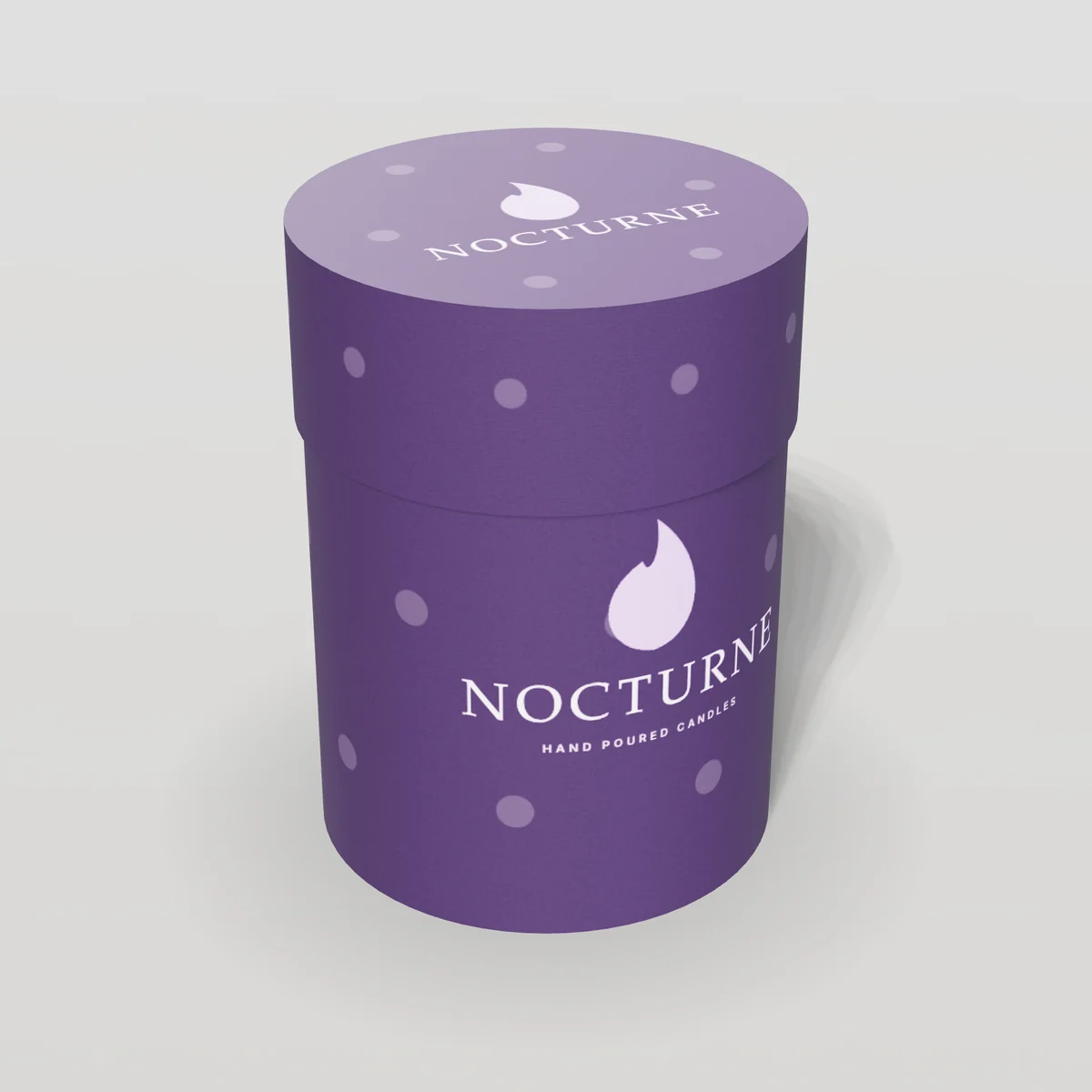
Retail packaging vs shipping packaging
Most candle brands need two layers:
- Retail (presentation) packaging: the box or label the customer sees on a shelf or when they open the parcel. It carries the brand, scent story and warnings.
- Shipping packaging: the corrugated box, insert and cushioning that protects the candle in parcel networks.
For wholesale, retail cartons ship in corrugated cases with dividers. For e-commerce, the retail box (if you use one) goes inside a shipper, or a printed mailer with a fitted insert does both jobs.
Box styles for candles
Tuck end boxes
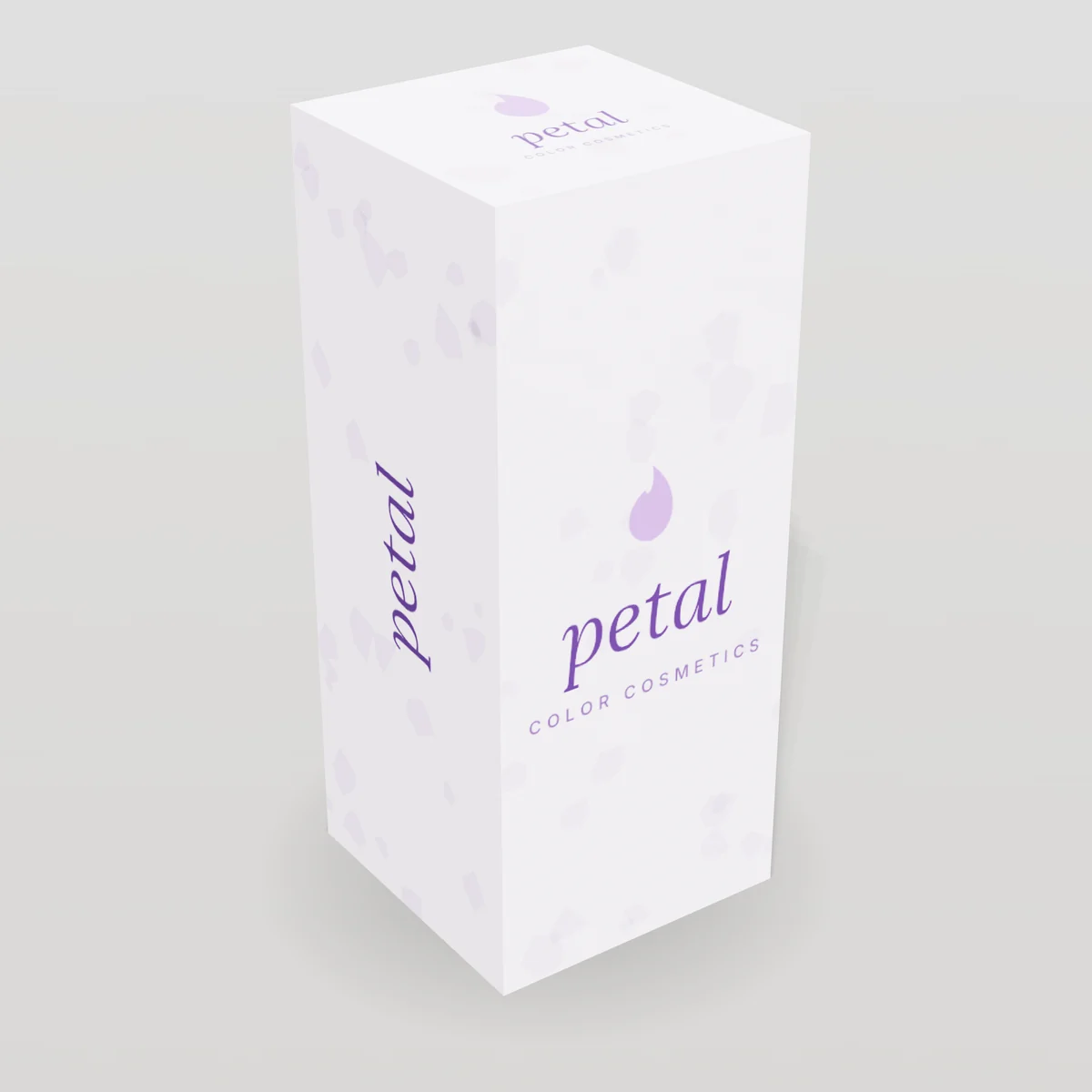
Paperboard tuck end cartons are the most common retail candle box. They are economical, print beautifully and fit on shelves. A 18–24 pt SBS or kraft board is typical; heavier candles benefit from an auto-lock bottom, which supports weight better than a tuck bottom. See tuck end boxes and auto-lock bottom boxes.
Rigid two-piece boxes
A rigid lid-and-base box turns a candle into a gift. It feels substantial, protects well and is often kept and reused. Popular for luxury candles, holiday collections and corporate gifts. See two-piece boxes and rigid boxes.
Magnetic closure boxes
For premium sets and gift collections, a magnetic box with a fitted insert presents two or three candles beautifully. See magnetic closure boxes.
Sleeve and drawer boxes
A printed sleeve over a plain tray, or a sleeve around the jar itself, gives a branded reveal at lower cost than a full rigid box. See sleeve boxes.
Tubes
Paperboard tubes suit cylindrical jars and pillar candles, and stand out on shelves. See tube packaging.
Window boxes
A window lets customers see the candle color, vessel and label. Use a film patch to keep dust off and to stop customers touching the wax. See window boxes.
Mailer boxes with inserts
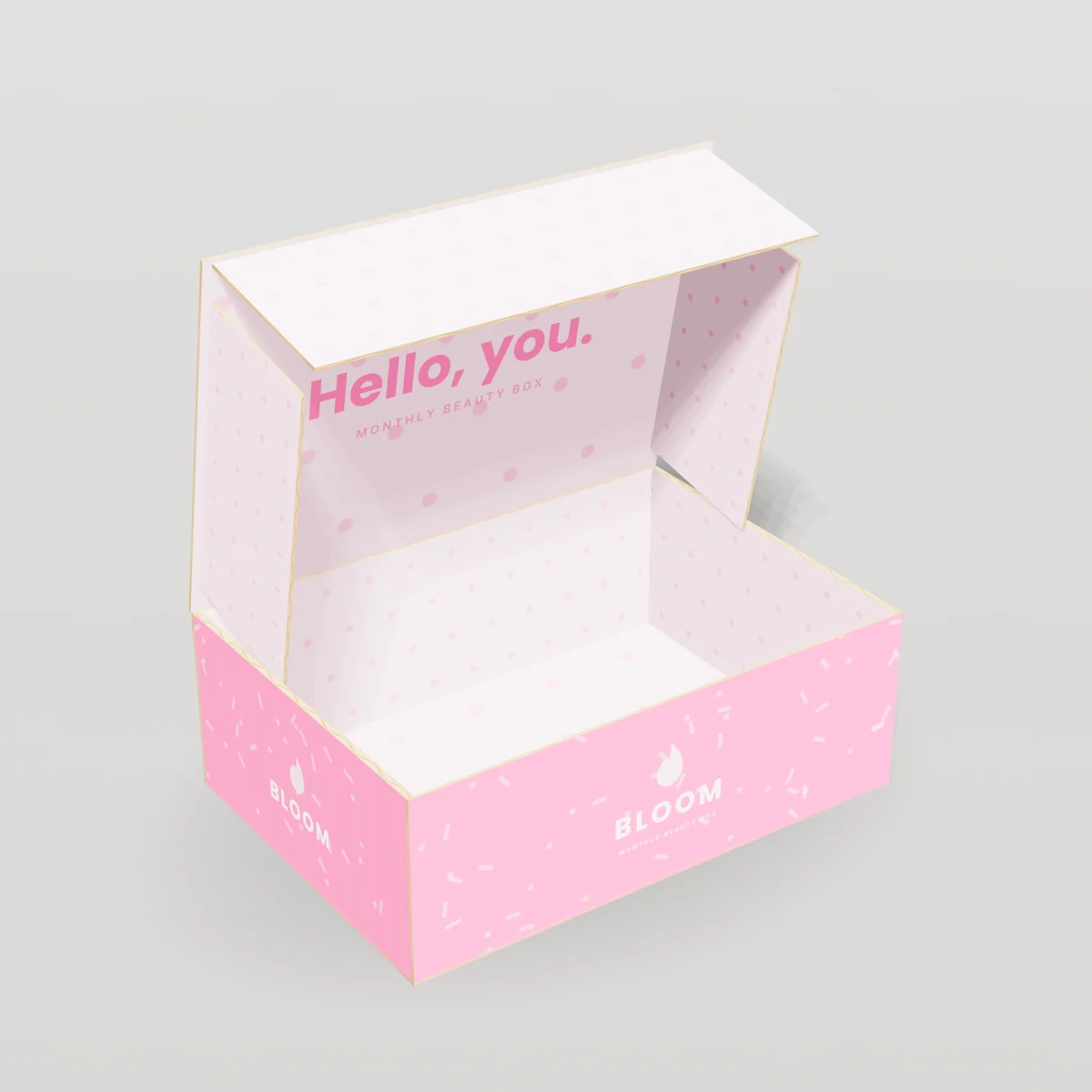
For e-commerce, a corrugated mailer with a cradle insert often replaces the retail carton altogether. Print the outside with your brand and the inside with a scent note or message. See mailer boxes.
Candle box sizes
Size the box from the vessel with its lid, measured at the widest and tallest points. Vessel sizes vary widely between suppliers, so treat these as starting points and always measure your own:
| Candle | Typical vessel (diameter × height, in) | Typical carton inside (L × W × H, in) |
|---|---|---|
| 2–3 oz tin or votive | 2.5 × 1.5 | 2.6 × 2.6 × 1.75 |
| 4 oz tin | 2.75 × 2 | 2.9 × 2.9 × 2.1 |
| 4–5 oz glass tumbler | 2.75 × 3 | 2.9 × 2.9 × 3.25 |
| 8 oz jar (straight-sided) | 3.25 × 3.75 | 3.4 × 3.4 × 4 |
| 8–10 oz tumbler with lid | 3.25 × 4 | 3.4 × 3.4 × 4.25 |
| 12–14 oz jar | 3.5 × 4.5 | 3.6 × 3.6 × 4.75 |
| 16 oz jar | 4 × 4.75 | 4.1 × 4.1 × 5 |
| 3-wick bowl | 5 × 3.5 | 5.2 × 5.2 × 3.75 |
| Pillar 3 × 6 | 3 × 6 | 3.2 × 3.2 × 6.25 |
Leave about 1/16–1/8 in of clearance in a snug retail carton. For shipping, add room for an insert (see below) or about 2 in of cushioning on every side. Our guide to measuring box dimensions explains how to read L × W × H on tuck cartons, which open on the small end.
| Quantity | Est. unit price | Est. total | Saving vs. first tier |
|---|---|---|---|
| 250 | $1.03 | $256 | — |
| 500 | $0.64 | $319 | −38% |
| 1,000 | $0.44 | $438 | −57% |
| 2,500 | $0.31 | $768 | −70% |
| 5,000 | $0.26 | $1,291 | −75% |
| 10,000 | $0.23 | $2,294 | −78% |
Estimates from our published pricing model, full-color print, no finishes, delivered to the contiguous US. Your written quote confirms the exact price. Get an exact quote →
Inserts for candles
An insert is the single most effective way to stop candle breakage. Options:
- Corrugated cradle: a die-cut corrugated piece that holds the jar by its base and shoulder. Economical and recyclable.
- Paperboard collar: holds the jar at the neck inside a carton; neat and inexpensive.
- Partitions and cell dividers: for multi-candle shipments and wholesale cases; no glass-to-glass contact.
- Molded pulp trays: paper-based cushioning, good for multipacks.
- Rigid box inserts: foam or board covered in paper or fabric for luxury sets.
See custom inserts for materials and cavities. For a deeper look at protection in transit, read our guide on how to ship fragile items.
How to ship candles safely
Step 1: protect the candle itself
- Make sure the wax is fully cured and set before packing.
- Put the lid on and tape it, or add a dust cover. Lids can pop off and chip.
- For candles without lids, add a circle of tissue or a paper cap on the wax surface to protect it from scuffs and dust.
- Wrap the jar in a layer of paper or a sleeve if it will sit in a corrugated insert, to avoid scuffing printed labels.
Step 2: hold it still
- Place the candle in a fitted insert or a snug retail carton.
- For multiple candles, use dividers so jars cannot touch.
Step 3: cushion and box
- Use a corrugated mailer or shipping box with about 2 in of cushioning, or a fitted insert that holds the jar away from the walls.
- For high-value or multi-jar orders, use box-in-box: a cushioned inner carton inside a larger outer box.
- Choose a size that leaves no room for movement but no excess space either; every extra inch increases dimensional weight.
Step 4: seal and label
- Seal with H-taping using 2 in wide tape or reinforced paper tape.
- Put a packing slip inside and a single shipping label on top.
Step 5: drop test
Before you launch, drop a packed candle from about 30 in onto its bottom, sides, an edge and a corner. Inspect the glass and the wax for cracks and movement. Repeat until nothing breaks.
Shipping candles in hot weather
Heat is the second-biggest risk after breakage. Many container waxes start to soften at temperatures that delivery trucks, warehouses and doorsteps can reach in summer, and blended or high-oil waxes can be more sensitive. Signs of heat damage include sinking, wet spots, sweating, frosting changes and wicks that lean.
Practical steps:
- Ship early in the week (Monday to Wednesday) so parcels do not sit over weekends.
- Use faster services in heat waves for long distances.
- Hold shipments to very hot regions during heat advisories, and tell customers why.
- Consider insulated liners for premium or soft-wax candles in summer.
- Use a wick sticker or centering device that holds the wick upright if the wax softens slightly.
- Encourage prompt pickup with delivery notifications.
Heat behavior depends on your wax, fragrance load and vessel, so test your own candles by leaving a packed sample in a hot car (safely) and checking the result.
Candle labels: what to include
Candle labels carry both marketing and safety information. US candle makers commonly include the following. This is a planning checklist, not legal advice; confirm requirements for your products and markets.
Fire-safety warning
Most US candle makers follow ASTM F2058, the industry standard specification for candle fire-safety labeling. It covers a cautionary statement and a safety icon. The core warnings typically include burning within sight, keeping away from things that catch fire and keeping away from children and pets. Many brands add instructions to trim the wick and to stop using the candle when a small amount of wax remains.
Net quantity
Candles are generally sold by weight, and US rules for consumer commodities expect a net quantity statement in both US customary and metric units, for example "Net wt 8 oz (227 g)", typically placed in the lower part of the principal display panel. Net weight usually refers to the wax, not the vessel.
Identity and responsible party
State what the product is (for example "Scented soy blend candle") and include the name and place of business of the manufacturer, packer or distributor.
Wax and fragrance claims
If you claim "soy", "coconut", "beeswax", "natural" or "clean burning", make sure the claims are accurate and supportable. A soy-paraffin blend should not be described as 100% soy. Avoid unqualified health or environmental claims. Read our guide to biodegradable vs compostable vs recyclable packaging before adding any environmental claim to the box.
State-specific warnings
Some fragrance ingredients may trigger warning requirements in particular states, such as California's Proposition 65. Ask your fragrance supplier for safety data and regulatory documentation.
Other helpful information
- Scent name and notes.
- Burn time (an estimate, based on your testing).
- Wick count and care instructions.
- Lot or batch code for traceability.
- Your website and social handle.
Our labeling and compliance guide covers US label panels in more detail.
Candle packaging design ideas
Tell the scent story
Customers cannot smell a candle through a box online, so the packaging must do the work. Use color, imagery and words to evoke the scent: a cool green palette for herbal blends, warm amber for woods and spices, soft pastels for florals. Short scent notes on the side panel help customers choose.
Build a collection system
Use one box design with color-coded scent variants: the same layout, a different color or band per scent. It looks premium on a shelf and keeps printing efficient. A printed sleeve or label on a shared box keeps costs down for many scents.
Use one premium finish
A foil logo, an embossed brand mark or soft-touch lamination makes a candle box feel luxurious. Choose one effect and apply it to the logo or scent name rather than the whole box. See the packaging finishes guide.
Print inside the box
A message under the lid ("Light me on a slow Sunday", "Trim to 1/4 in before each burn") is a cheap, memorable touch. See interior printing.
Natural and kraft looks
Kraft board with a one- or two-color print suits natural wax and handmade candle brands and costs less than full-color on white. See kraft paperboard.
Gift and seasonal editions
Holiday collections, wedding favors and corporate gifts justify a rigid or magnetic box with a ribbon and a card. Plan seasonal packaging early; our events calendar lists order-by dates.
Reusable vessels and boxes
Many customers reuse candle jars and rigid boxes. Mention it: a line like "Clean and reuse your jar" adds value and supports sustainability without overclaiming.
Sustainable candle packaging
- Paper-based boxes and inserts are widely recyclable in the US.
- Right-size retail boxes and shippers to cut board, fill and shipping volume.
- Avoid plastic windows where they are not needed, or use them sparingly.
- Use recycled-content board and state the percentage accurately if you claim it.
- Encourage vessel reuse with care instructions for removing leftover wax.
See the sustainable packaging guide for more.
Candle packaging costs
Indicative ranges depend heavily on size, quantity, print and finishes:
- Labels only (jar or tin): the lowest cost; suitable for markets and starting out.
- Printed tuck carton: economical at volume, especially with offset printing.
- Printed mailer with insert: more per unit, but replaces the carton and fill for e-commerce.
- Rigid or magnetic gift box: the highest cost; use for gift lines and premium editions.
Use the packaging cost calculator for instant estimates, or see the custom packaging cost guide for every cost driver.
Candle packaging checklist
- Vessel measured with lid; box sized with the right clearance.
- Fitted insert or dividers; no glass-to-glass contact.
- Lid taped or wax surface protected.
- Fire-safety warning and net quantity on the label.
- Accurate wax and fragrance claims.
- Drop test passed; heat plan for summer.
- One consistent brand system across scents.
Summary
Candle packaging must protect glass, manage heat and sell a scent the customer cannot smell. Use a tuck carton, rigid box or sleeve to present the candle, and a mailer or shipper with a fitted insert to protect it. Follow the ASTM F2058 cautionary label format and include net quantity. Plan for summer heat, test your packaging, and build a design system that scales across scents.
Ready to design candle boxes? Tell us your vessel sizes and quantities and we will send pricing, a dieline and a free 3D proof.
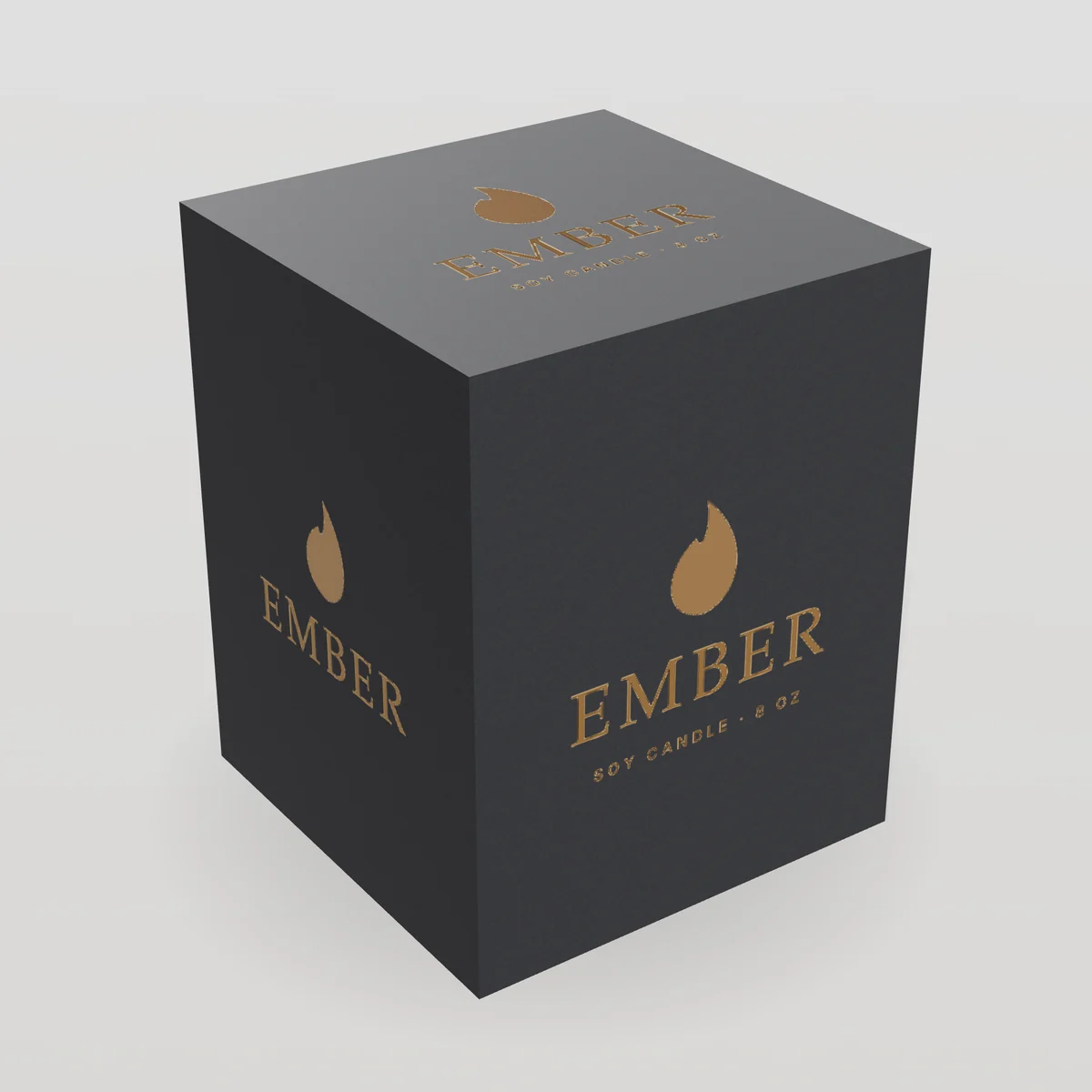 IndustriesCandle BoxesJar and tin candle packaging with inserts that protect glass in transit.
 Finishes & Add-onsCustom InsertsDie-cut paperboard, corrugated, EVA foam and molded pulp inserts that lock products in place.
GuideHow to ship fragile itemsStep-by-step packing for glass, ceramics, candles, cosmetics and electronics: cushioning depths, box-in-box, inserts, sealing, drop testing and carrier claims.
 GuideLabeling & compliance (US)What US packaging typically must show for food, cosmetics, dietary supplements and hemp/CBD products: net quantity, ingredients, food contact, Prop 65 and more.
Sources and further reading
Official and standards-body pages we used for this guide. Rules and standards are updated from time to time, so check the current version before you rely on them.
- ASTM F2058: Standard Specification for Candle Fire Safety Labeling: the cautionary label format most US candle makers follow.
- California Proposition 65: information for businesses: when a warning label may be needed in California.
- ISTA test procedures: standard drop, vibration and compression tests for packaged products.
- FTC Green Guides (16 CFR Part 260): how US regulators interpret environmental claims such as recyclable and compostable.
Key terms on this page
- Lid
- The top part of a box, hinged or separate.
- Net quantity
- The amount of product in a package (weight, volume or count), which many US consumer products must state on the main display panel.
- Insert
- A component inside a box that holds products in place, such as die-cut paperboard, corrugated, foam or molded pulp.
- Cushioning
- Materials that absorb shock and vibration to protect products, such as paper void fill, molded pulp, foam or air pillows.
- Shipper
- A box used to ship products, often corrugated.
- Paperboard
- Thick paper (usually 0.010 inch or more) used for folding cartons, such as SBS, kraft and recycled board.
- SBS (solid bleached sulfate)
- Premium paperboard made from bleached virgin fiber, bright white throughout, with the best print and finish quality.
- Kraft
- Paper or board made from unbleached wood pulp, naturally brown and strong.
- Board
- A general term for thick paper materials used in packaging, including paperboard, corrugated board and greyboard.
- Auto-lock bottom
- A pre-glued carton base, also called a crash-lock bottom, that locks into place automatically when the flattened box is opened. Stronger and faster to pack than a tuck bottom.
- Sleeve
- An open-ended band or tube that slides over a tray or box, often printed to brand plain packaging.
- Tray
- An open-topped box base, often used with a sleeve or lid.
- Rigid box
- A premium box made from thick greyboard wrapped in printed or specialty paper, delivered assembled. Also called a setup box.
- Carton
- A box made from paperboard, usually a folding carton. In shipping, "carton" can also mean a corrugated case.
- Tuck end box
- A paperboard carton that closes with tuck flaps at its ends.
- Molded pulp
- Packaging formed from wet paper fiber in molds and dried, used for protective inserts and trays. Plastic-free and recyclable.
- Wrap
- The printed or specialty paper glued around the board of a rigid box or tube.
- Dimensional weight (DIM weight)
- A billing method used by carriers that charges by package volume when it is higher than actual weight. Calculated as L × W × H divided by a divisor.
- Drop test
- A test where packed boxes are dropped from set heights onto faces, edges and corners to check product protection.
- Panel
- A face of a box, such as the front, back, side, top or bottom panel.
- Finish
- Any treatment applied after printing to change appearance or protect the surface, such as coatings, laminations, foil, embossing or spot UV.
- Soft-touch lamination
- A film with a velvety, matte texture that makes packaging feel premium and resists fingerprints.
- Lamination
- Bonding a thin film (matte, gloss or soft-touch) or paper to board for protection and finish.
- Kraft paperboard
- Unbleached paperboard with a natural brown surface, used for eco-minded and artisan packaging.
More definitions in our packaging glossary.
Discussed on Quora & X
Frequently asked questions
What is the best packaging for candles?
For retail, a printed tuck end carton, rigid box or sleeve. For shipping, a corrugated mailer or box with a fitted cradle insert or dividers so the glass cannot move. Many brands use a retail box inside a shipper.
How do you ship candles without breaking them?
Tape the lid, hold the jar still with a fitted insert or snug carton, cushion all sides, use a strong corrugated box, seal with H-taping and drop test your packaging before you scale.
Can candles melt during shipping?
Yes. Many container waxes can soften in hot trucks or on doorsteps in summer. Ship early in the week, use faster services in heat waves and consider insulated liners for soft-wax candles.
What size box do I need for an 8 oz candle?
It depends on the vessel. A typical straight-sided 8 oz jar of about 3.25 inches by 3.75 inches fits a carton of about 3.4 × 3.4 × 4 inches inside. Measure your own vessel with its lid.
What warning labels do candles need?
Most US candle makers follow ASTM F2058, which sets out a cautionary statement and safety icon covering burning within sight, keeping away from flammable items and keeping away from children and pets. Confirm requirements for your products and markets.
Do candles need a net weight on the label?
Candles are generally labeled with a net quantity statement in US and metric units, usually by weight of the wax, for example "Net wt 8 oz (227 g)".
Are candle boxes recyclable?
Paperboard and corrugated candle boxes are widely recyclable in US curbside programs if they are clean and not heavily laminated with plastic. Rigid boxes with magnets or foam inserts are harder to recycle but are often kept and reused.
How can I make my candle packaging stand out?
Tell the scent story with color and words, build a consistent collection design, add one premium finish such as foil or embossing, and print a message inside the box.
Related products & pages
IndustriesCandle BoxesJar and tin candle packaging with inserts that protect glass in transit.
Finishes & Add-onsCustom InsertsDie-cut paperboard, corrugated, EVA foam and molded pulp inserts that lock products in place.
 Box StylesTuck End BoxesStraight and reverse tuck end cartons that open and reclose cleanly. Ideal for lightweight retail products.
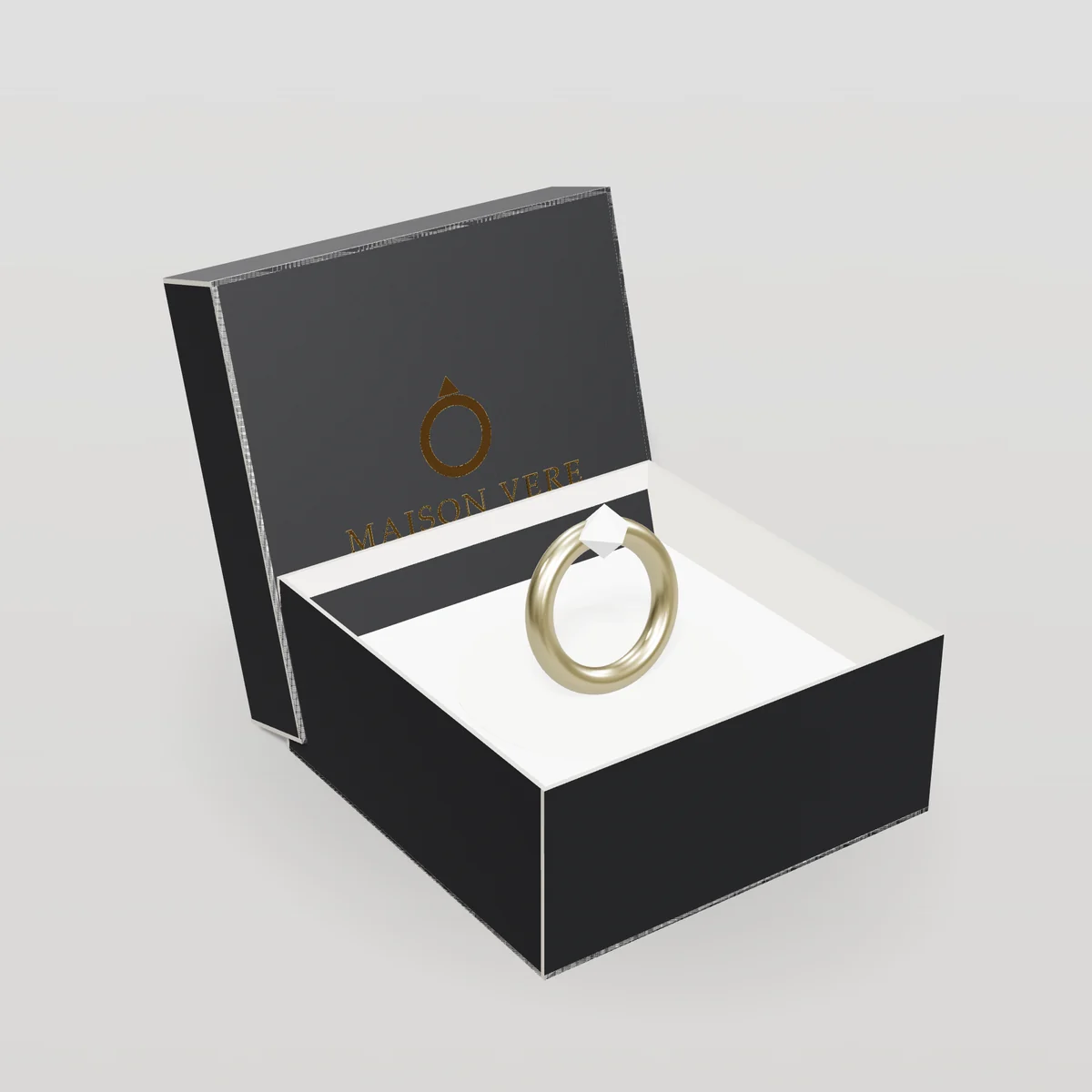 Box StylesRigid BoxesLuxury setup boxes made from thick greyboard wrapped in printed or specialty paper.