Quick answer
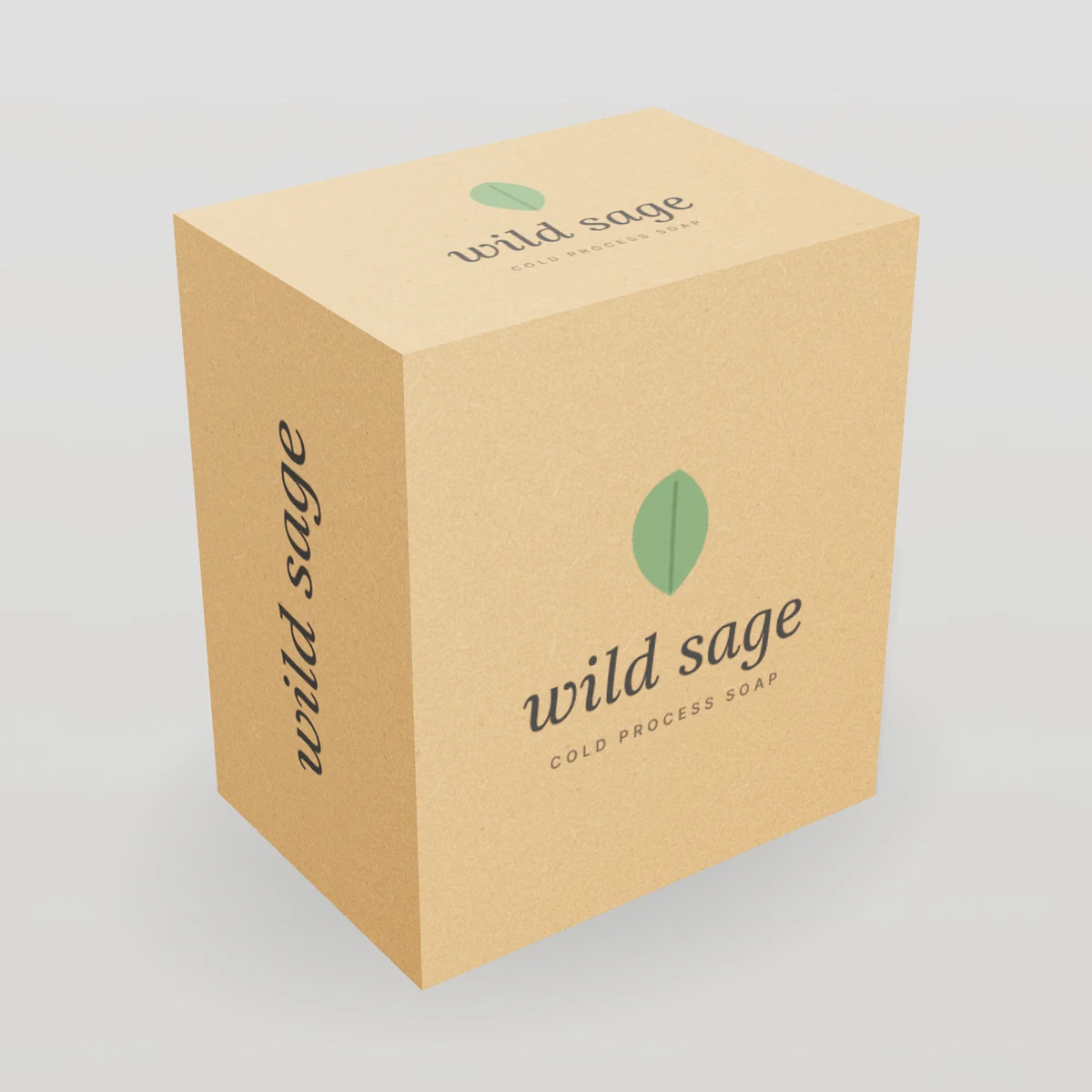
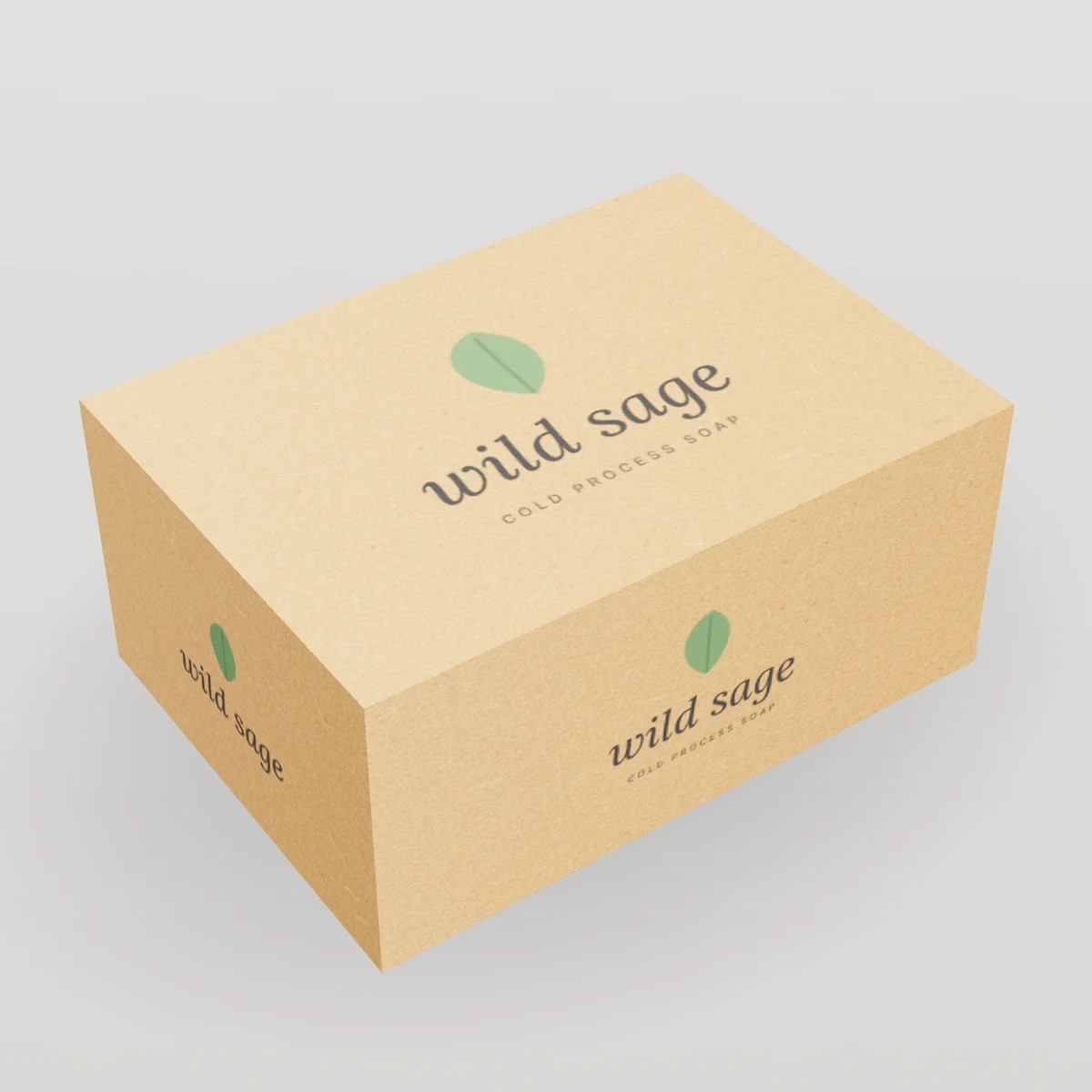
Kraft and printed boxes, sleeves and pillow packs for bar soap and bath products. Estimated prices start around $0.16 per unit at 10,000 units and $0.93 at 250 units for a 3.5×2.5×1.5" box. Typical turnaround is 10–14 business days after proof approval.
Soap Boxes: price breaks
How the estimated unit price of a 3.5×2.5×1.5" tuck end box in SBS white paperboard (18pt) changes with quantity. Setup costs are spread over more boxes as the run gets longer, so the per-box price drops sharply in the first few tiers.
| Quantity | Est. unit price | Est. total | Saving vs. first tier |
|---|---|---|---|
| 250 | $0.93 | $232 | — |
| 500 | $0.55 | $275 | −41% |
| 1,000 | $0.35 | $355 | −62% |
| 2,500 | $0.23 | $579 | −75% |
| 5,000 | $0.19 | $934 | −80% |
| 10,000 | $0.16 | $1,615 | −83% |
Estimates from our published pricing model, full-color print, no finishes, delivered to the contiguous US. Your written quote confirms the exact price. Get an exact quote →
Material options and how they affect price
Estimated unit price at 1,000 units for a 3.5×2.5×1.5" tuck end box with full-color printing, by material. Material choice changes look, strength and recyclability as well as cost.
| Material | What it’s like | Est. unit price |
|---|---|---|
| SBS white paperboard (18pt) | Bright white, smooth solid bleached sulfate board. Sharpest print and the best base for foil, spot UV and embossing. | $0.35 |
| Kraft paperboard (18pt CUK) | Natural brown unbleached kraft board with long, tough fibers. Looks handmade and eco-minded; best with one or two dark inks. | $0.35 |
| Recycled paperboard (CRB) | Coated recycled board with a white printing face and grey back. The economical, high-recycled-content choice for everyday retail. | $0.34 |
Printing options compared
How the print specification changes the estimated unit price of a 3.5×2.5×1.5" tuck end box in SBS white paperboard (18pt). One- and two-color printing carries a small plate charge that matters less as quantities grow; full-color digital and offset printing have no plate charge in our model.
| Printing | 500 units | 1,000 units | 5,000 units |
|---|---|---|---|
| Plain (no print) | $0.50 | $0.31 | $0.15 |
| 1 color | $0.63 | $0.38 | $0.17 |
| 2 colors | $0.71 | $0.42 | $0.19 |
| Full color outside | $0.55 | $0.35 | $0.19 |
| Full color outside + inside | $0.60 | $0.40 | $0.22 |
What makes soap packaging different
Soap is one of the oldest handmade products, and its packaging often tells a story of craft, ingredients and care. Bar soap is solid and relatively tough, but it has its own packaging challenges:
- Breathing. Cold-process soap continues to lose moisture after curing, and some makers prefer packaging that lets bars breathe rather than sealing them in plastic.
- Scent. Shoppers want to smell soap. Open windows, die-cut patterns or open-ended sleeves let fragrance through.
- Oils and moisture. Natural oils can stain uncoated board over time; coated board or a liner prevents marks.
- Irregular shapes and sizes. Handmade bars vary slightly in size, so boxes need a little tolerance.
- Price point. Bars sell at modest prices, so packaging must stay economical.
The result is that soap packaging is wonderfully varied: kraft sleeves, pillow boxes, tuck boxes with windows, belly bands, rigid gift sets and simple paper wraps all have their place.
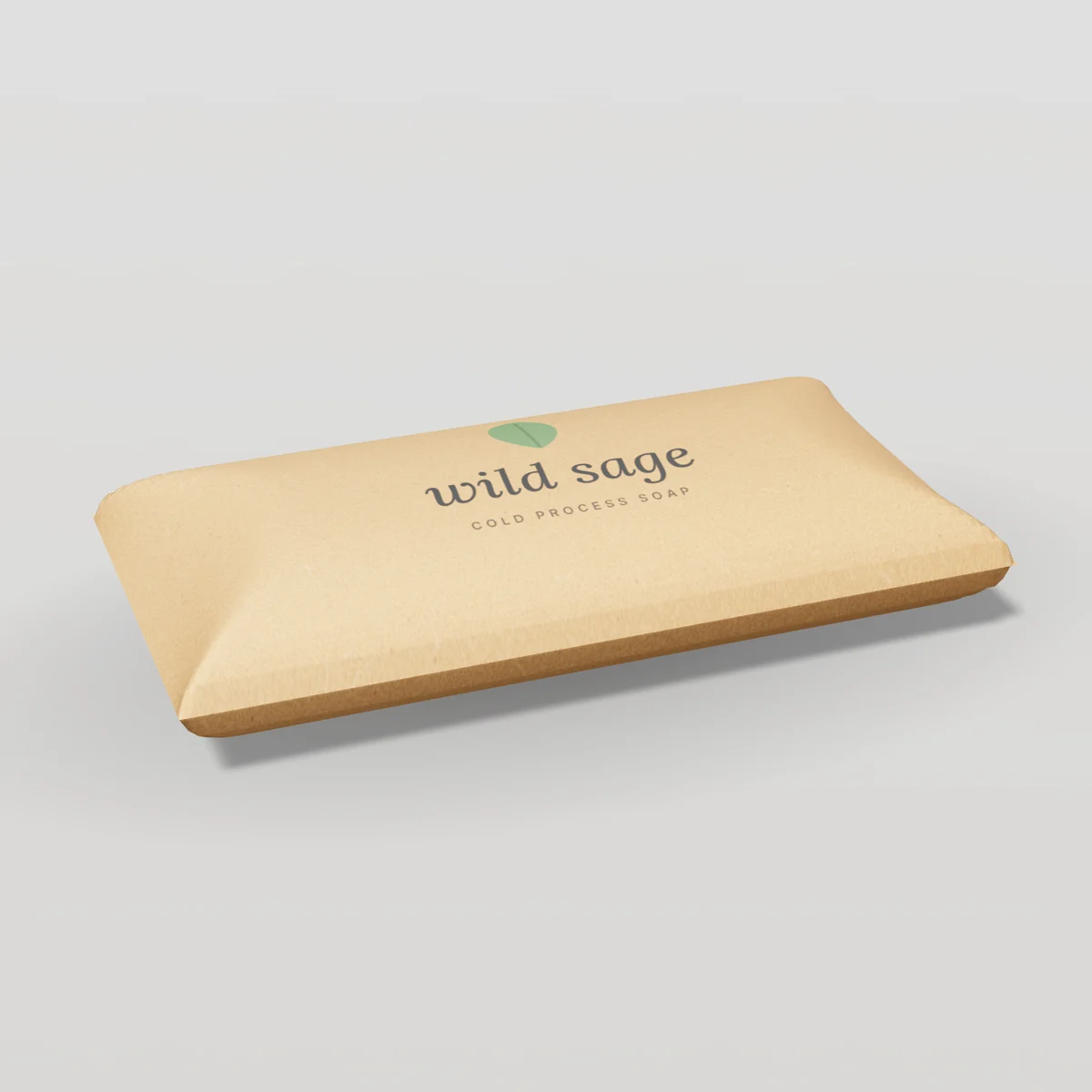
Packaging formats for soap
| Format | Description | Best for |
|---|---|---|
| Sleeve or belly band | A printed paper band around the bar | Lowest cost, lets soap breathe and be smelled |
| Tuck end box | Classic carton for a single bar | Retail shelves, gifting |
| Window box | Carton with a die-cut opening | Showing color, texture and botanicals |
| Pillow box | Curved-end box | Guest soaps, favors, minis |
| Sleeve and tray | Slide-out tray | Premium bars |
| Gift set box | Rigid or magnetic box with compartments | Soap sets, bath sets. See gift boxes |
| Display box | Counter display for bars | Boutiques and markets. See display boxes |
Materials
- Kraft paperboard (16–20pt): the signature look of natural and handmade soap; tough and economical.
- SBS paperboard: bright white for colorful, modern brands.
- Recycled board: a lower-impact everyday option.
- Coated or lined board: prevents oil stains on light colors.
- Specialty papers: textured or colored papers for wraps and belly bands.
Tip: If your soap is rich in oils or butters, ask for a coated board or a glassine-style inner wrap. Oil can migrate into uncoated kraft over weeks and leave dark marks.
Designing soap packaging
Soap shoppers buy with their senses. Help them:
- Name and scent prominently on the front.
- Hero ingredients ("shea butter, oatmeal, lavender") with small illustrations.
- Skin type or benefit ("gentle, for sensitive skin").
- Weight of the bar in ounces and grams.
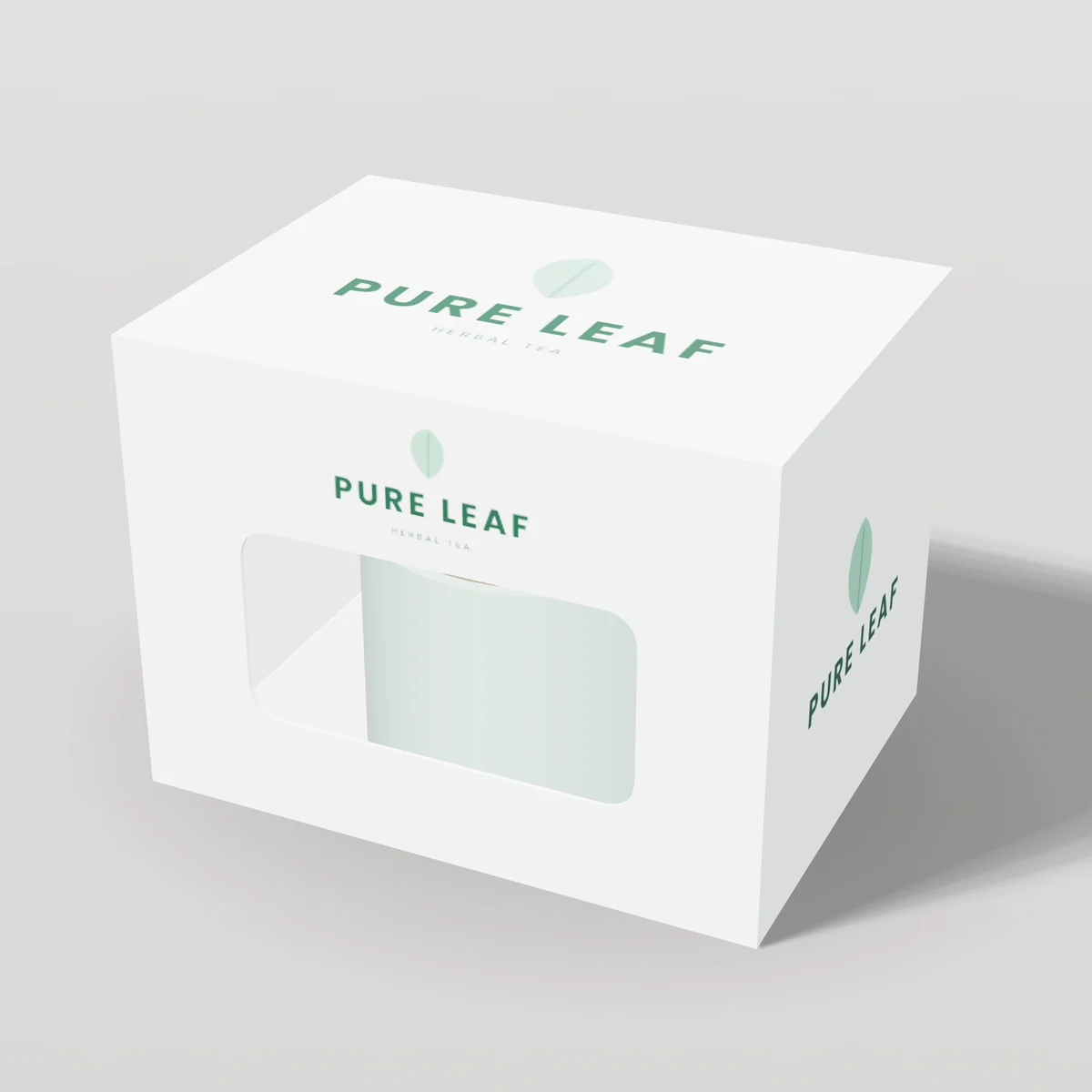
- Handmade cues: stamps, botanical drawings, hand-lettered type, kraft textures.
- Windows or cut-outs shaped like leaves, bees or your logo.
Finishes
- One- or two-color printing on kraft
- Blind embossing of a logo or botanical motif
- Small gold or copper foil accents for gift lines
- White ink on kraft for contrast
Labeling soap
In the US, true soap (made mostly of fats and alkali and sold only for cleansing) is regulated by the Consumer Product Safety Commission rather than the FDA. Products marketed with cosmetic claims (moisturizing, deodorizing) or containing synthetic detergents are regulated as cosmetics and follow FDA cosmetic labeling, including an ingredient list. Many makers choose to list ingredients regardless. Common information on soap packaging:
- Product name and scent
- Net weight in ounces and grams
- Ingredients (required for cosmetics, often included anyway)
- Business name and location
- Any warnings (for example, essential oil sensitivity)
Confirm requirements with a regulatory professional; see our labeling guide.
Sizing soap boxes
Handmade bars vary, so add a little extra clearance (about 1/8 in on each dimension):
| Bar | Typical bar size (in) | Typical box (in) |
|---|---|---|
| Guest soap (1.5 oz) | 2.5 × 1.75 × 0.75 | 2.75 × 2 × 1 |
| Standard bar (4 oz) | 3.25 × 2.25 × 1.25 | 3.5 × 2.5 × 1.5 |
| Large bar (5–6 oz) | 3.5 × 2.5 × 1.5 | 3.75 × 2.75 × 1.75 |
| Round bar | 3 in diameter × 1.25 | 3.25 × 3.25 × 1.5 |
| Three-bar gift set | Layout-dependent | 8 × 3.75 × 1.75 |
Soap packaging costs
The table at the top of this page shows estimated prices for a 3.5 × 2.5 × 1.5 in kraft box. For the lowest unit cost, sleeves and belly bands are hard to beat. A three-bar gift box compares like this:
| Quantity | Est. unit price | Est. total | Saving vs. first tier |
|---|---|---|---|
| 250 | $1.38 | $344 | — |
| 500 | $0.93 | $463 | −33% |
| 1,000 | $0.69 | $686 | −50% |
| 2,500 | $0.52 | $1,309 | −62% |
| 5,000 | $0.46 | $2,295 | −67% |
| 10,000 | $0.42 | $4,187 | −70% |
Estimates from our published pricing model, full-color print, no finishes, delivered to the contiguous US. Your written quote confirms the exact price. Get an exact quote →
Budget tips
- Use one box size for all scents and vary only the label or print.
- Kraft with one ink looks authentic and costs less.
- Sleeves are the most economical branded option.
- For very small batches, print a sticker for each scent on a standard printed box.
Soap packaging for markets, boutiques and online
- Markets and fairs: sleeves and open windows let customers smell; a display box organizes bars on the table.
- Boutiques: tuck end or window boxes with clear scent names and barcodes.
- Online: boxed bars packed in a mailer with tissue; bars ship well but corners can chip, so keep them snug.
- Gifting and hotels: pillow boxes for guest soaps; rigid sets for gifts.
Sustainability for soap brands
Soap is often a plastic-free alternative to liquid soap, and packaging should support that:
- Paper-only packaging (sleeves, boxes, paper wraps)
- Recycled or kraft board with water-based inks
- Open windows rather than plastic film windows
- Compostable inner wraps where suitable
- Honest claims following the FTC Green Guides
Worked example: a handmade soap studio
An illustrative example. A small studio sells eight scents at markets and online.
- Everyday packaging: a printed kraft belly band (one design with scent printed digitally), lets bars breathe
- Gift line: a 3.5 × 2.5 × 1.5 in kraft tuck box with a leaf-shaped window and gold foil logo
- Gift set: a three-bar sleeve and tray in kraft
- Online: a small printed mailer with tissue and a sticker seal
Launch checklist
- Bar sizes (allow for variation)
- Packaging format per line (sleeve, box, window, set)
- Board and coating (oil resistance)
- Scent names and ingredient copy
- Barcodes for retail
- Quantities per scent and target date
Common soap packaging mistakes
- Boxes sized to the exact bar, leaving no tolerance for handmade variation.
- Uncoated light board stained by oils.
- Plastic windows on an otherwise plastic-free product.
- Scent names too small to read at a market stall.
Packaging by budget: starter, growing, premium
| Tier | Typical spec | Best for |
|---|---|---|
| Starter | Kraft paper bands or sleeves printed in one color | Handmade soap makers, markets |
| Growing | Printed kraft or SBS tuck cartons with windows or vents, foil logo | Boutiques and online shops |
| Premium | Rigid gift boxes or sleeve boxes with sets, embossed logos | Gift sets and luxury bath lines |
Soap packaging by format
| Soap type | Packaging |
|---|---|
| Cold-process bars | Paper bands, sleeves, vented cartons (soap needs to breathe) |
| Melt-and-pour bars | Cartons or shrink-wrapped bars inside cartons (glycerin attracts moisture) |
| Shampoo bars | Cartons with clear instructions, tins for travel |
| Liquid soap | Cartons for bottles, or no carton with a label |
| Soap sets | Sleeve boxes or rigid boxes with dividers |
| Hotel soaps | Small pleat wraps or mini cartons |
Why soap needs to breathe
Cold-process soap continues to lose moisture after curing, and natural soaps can sweat in humid conditions. Fully sealed packaging can trap moisture and fragrance. Vents, open windows or paper wraps let bars breathe while showing the soap and releasing scent, a selling point in stores where shoppers like to smell before buying.
Worked example: a gift set of three bars
- Structure: kraft sleeve box with a three-cavity tray.
- Print: one black ink with scent names; copper foil logo on the sleeve.
- Vents: small die-cut holes on the tray ends.
- Information: ingredients on the back of the sleeve.
A buyer's guide to soap packaging
Decide how much of the soap to show. Many soap makers want customers to see and smell the bar. Paper bands, open-window cartons and vented sleeves do that; fully closed cartons protect bars better and leave more space for branding and information.
Plan for moisture and scent. Cold-process soap can sweat in humidity, and fragrance can fade or transfer. Breathable paper packaging suits cold-process bars; glycerin soaps may need a wrap.
Use kraft and simple print well. Kraft board with one dark ink and a foil logo is the classic artisan soap look. Recycled board suits value lines; SBS suits bright, colorful brands.
Label correctly. True soap and cosmetic soaps can be regulated differently; ingredient lists and net weight are common requirements. Check the rules for your products.
Package for markets and wholesale. Market stalls need quick-to-handle, attractive packaging; wholesale needs cases and barcodes; online orders need mailers.
Terms to know
- Cold-process soap: soap made by mixing oils and lye without external heat.
- Melt-and-pour: soap made from a pre-made base that is melted and molded.
- Soap band: a printed paper strip around the bar.
- Vented carton: a carton with holes that let the soap breathe.
Soap packaging in one paragraph
Soap packaging balances showing, protecting and labeling the bar. Use paper bands, vented cartons or open windows for cold-process bars that need to breathe, wraps for glycerin soaps, kraft with one dark ink and a foil logo for an artisan look, and leave room for ingredients and net weight. Keep everything paper-based so customers can recycle it easily.
Packaging ideas by product
| Product | Packaging idea |
|---|---|
| Cold-process bars | Kraft paper band or vented carton |
| Melt-and-pour bars | Carton with an inner wrap |
| Shampoo and conditioner bars | Carton with usage instructions, travel tin option |
| Soap sets | Sleeve box with dividers |
| Liquid soap | Carton for gift sets; label-only for everyday |
| Bath bombs | Pillow box, small carton or shrink wrap plus label |
| Guest soaps | Mini pleat wraps or small cartons |
Why soap brands love paper packaging
Soap is one of the categories where paper packaging fits naturally. Bars are solid, sturdy and do not need moisture barriers in most cases, so a paper band or carton can do the whole job. Many soap makers sell on values such as natural ingredients and less waste, and paper packaging reinforces that story. Bands use very little material, can be printed in small quantities, and leave the soap visible and fragrant. Kraft cartons with a window or vents add protection for shipping and retail while staying entirely paper.
Questions to answer before ordering
- Does your soap need to breathe or be sealed?
- Will bars be sold loose, banded or boxed?
- How many scents, and how will each be identified?
- What information must appear (ingredients, net weight, claims)?
- Do you sell at markets, in stores, online or all three?
Second example: a shampoo bar brand
A shampoo bar brand sells plastic-free hair care.
- Carton: a kraft tuck carton with an open window and usage steps on the side.
- Travel: an optional tin for traveling.
- Set: a sleeve box holding shampoo and conditioner bars.
- Shipping: paper fill and a kraft mailer.
- Claims: specific statements about plastic-free packaging, accurate for every component.
Photographing soap packaging
Photograph bars partly out of their bands or cartons on natural surfaces like wood or stone, with ingredients nearby. Show the texture of the soap through the window.
Soap or cosmetic? Why it matters for labeling
In the US, a product that is true soap (made mainly from fats and an alkali, marketed only for cleansing) is regulated differently from a cosmetic or a drug. If a soap is marketed with cosmetic claims (moisturizing, deodorizing, fragrance-focused) or contains synthetic detergents, it may be regulated as a cosmetic, with cosmetic labeling requirements such as an ingredient declaration. Soaps with drug claims (antibacterial, acne treatment) are regulated as drugs. Because labeling rules follow the classification, decide how you describe your soap before designing the box, and check FDA and CPSC guidance or ask a regulatory professional.
Soap packaging at markets and craft fairs
At markets, soap sells by sight and smell. Packaging tips for stalls:
- Paper bands keep bars visible and fragrant.
- Small labels with scent names make browsing easy.
- A display crate or tray keeps bars organized.
- Paper bags with a sticker logo for purchases.
- A card with your website turns market customers into online customers.
Ordering timeline for soap packaging
| Step | Typical time |
|---|---|
| Quote with structure and material recommendation | Within 1 business day |
| Dieline and insert design | 1–3 business days |
| Artwork check, proof and 3D preview | 1–3 business days |
| Optional sample | About 5–12 business days |
| Production after approval | 10–14 business days for cartons; paper bands often faster |
| Delivery within the contiguous US | 3–7 business days |
For markets and holidays, order before your busiest weeks.
Unboxing ideas for soap
- A scent card or band with notes
- Paper crinkle in a matching color
- A care card on making soap last longer
- A sample of another scent
- A soap dish or saver in gift sets
How to brief a designer for soap packaging
Give your designer, or our team, these details before work starts:
- Bar sizes and weights
- Breathing needs of your soaps
- Scent identification system
- Required information
- Gift sets and seasonal editions
- Sales channels
A clear brief usually saves at least one round of revisions and avoids surprises at the proof stage.
Sustainability checklist for soap
- [ ] Paper bands or cartons only
- [ ] Water-based inks
- [ ] No plastic windows or shrink wrap
- [ ] Kraft or recycled board
- [ ] Paper fill for shipping
How soap packaging grows with your brand
First 100–500 units. Paper bands printed in short runs.
500–2,500 units. Kraft cartons with windows and gift sleeves.
2,500 units and up. Larger runs, retail-ready cases and gift programs.
Recommended finishes for soap packaging
Soap packaging usually stays natural: uncoated kraft or recycled board with one or two inks, a copper or gold foil logo, or a blind deboss. Avoid laminations that would make paper packaging harder to recycle and conflict with a natural positioning.
Three things to get right with soap boxes
- Breathability. Let cold-process soap breathe.
- Identification. Clear scent names and colors.
- Simplicity. Paper-only packaging that matches a natural brand.
Related guides
 GuideSustainable packagingHow to make packaging lower-impact without greenwashing: recyclable paper formats, recycled content, FSC, inks, plastic-free inserts and honest claims.
 GuideLabeling & compliance (US)What US packaging typically must show for food, cosmetics, dietary supplements and hemp/CBD products: net quantity, ingredients, food contact, Prop 65 and more.
 GuideBox styles explainedA practical comparison of every common box style: mailer, RSC shipper, tuck end, auto-lock, rigid, magnetic, sleeve, pillow, gable, display, window and tube.
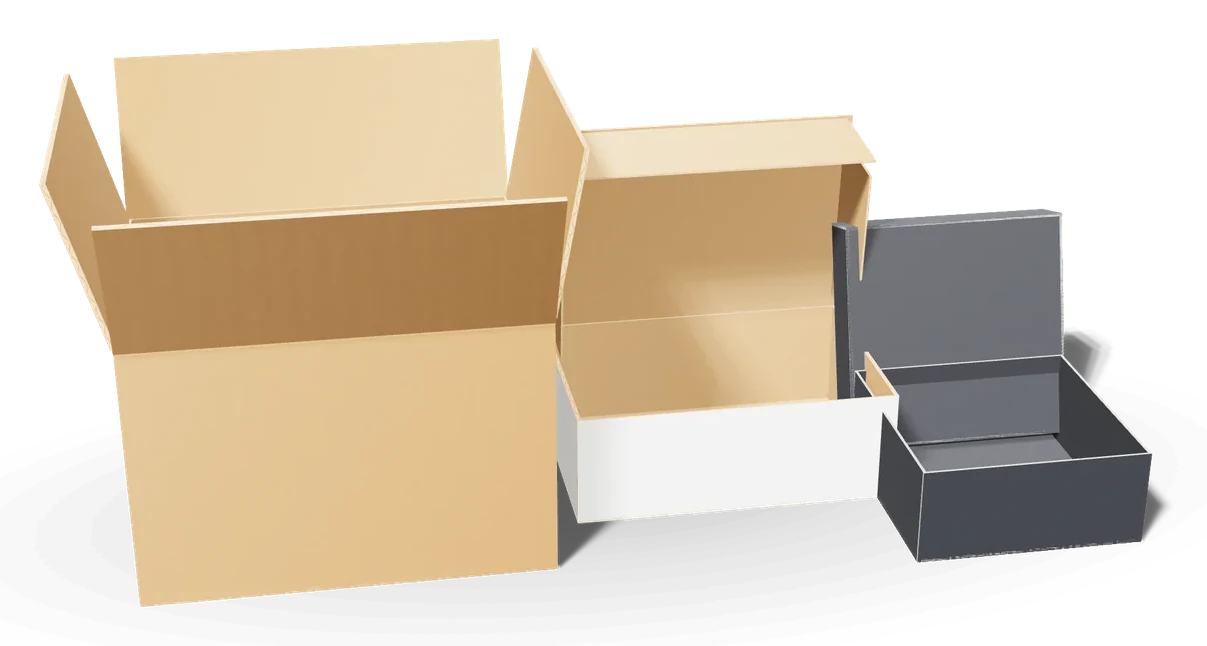 GuidePackaging materials & board gradesUnderstand corrugated flutes and ECT, paperboard caliper (pt), SBS vs kraft vs recycled board, and rigid greyboard, so you can specify packaging like a pro.
What finishes and add-ons cost
Estimated extra cost per unit at 1,000 units when you add one finish to a 3.5×2.5×1.5" tuck end box (base estimate $0.35). One-time tooling such as foil and embossing dies is already spread across the run in the per-unit figure and listed separately for reference.
| Finish | What it does | Adds per unit | One-time setup |
|---|---|---|---|
| Matte lamination | A thin film with a smooth, low-glare finish that protects print from scuffs. | +$0.02 | — |
| Soft-touch | A velvety, premium coating that invites customers to hold the box. | +$0.03 | — |
| Spot UV | Clear glossy varnish on selected areas for a sleek contrast against matte. | +$0.12 | $80.00 |
| Foil stamping | Gold, silver, rose gold or holographic foil for logos and accents. | +$0.20 | $120 |
| Embossing / debossing | Raised or recessed logo detail you can feel with your fingertips. | +$0.19 | $120 |
| Window | A die-cut window with clear film so the product sells itself. | +$0.14 | $60.00 |
| Custom insert | Paperboard, corrugated or foam inserts that hold products in place. | +$0.23 | $80.00 |
Estimated prices for recommended soap boxes styles
Unit price estimates from our published pricing model for each recommended style at its most popular size with full-color print, delivered within the contiguous US. Use them as a budget starting point; your quote confirms exact prices for your size and options.
| Style | Typical board | 500 units | 1,000 units | 5,000 units |
|---|---|---|---|---|
| Tuck End Boxes4 × 2 × 6" | SBS white paperboard (18pt) | $0.60 | $0.40 | $0.23 |
| Sleeve Boxes6 × 4 × 2" | SBS white paperboard (18pt) | $0.91 | $0.67 | $0.45 |
| Pillow Boxes6 × 3 × 1.5" | SBS white paperboard (18pt) | $0.48 | $0.32 | $0.17 |
| Window Boxes5 × 3 × 5" | SBS white paperboard (18pt) | $0.91 | $0.63 | $0.39 |
A dash means the quantity is below that style’s minimum order.
Popular tuck end boxes sizes for soap boxes
Tuck End Boxes are the most common starting point for soap boxes. Estimated unit prices for popular sizes with full-color print on sbs white paperboard (18pt), delivered within the contiguous US:
| Inside size | Typical use | 500 units | 1,000 units | Quote |
|---|---|---|---|---|
| 2 × 2 × 4" | Lip care, jewelry, single sachets, small accessories | $0.53 | $0.34 | Quote |
| 2 × 2 × 6" | Serums, candles, soaps, single small products | $0.55 | $0.36 | Quote |
| 3 × 3 × 5" | Serums, candles, soaps, single small products | $0.62 | $0.42 | Quote |
| 4 × 2 × 6" | Serums, candles, soaps, single small products | $0.60 | $0.40 | Quote |
| 4 × 4 × 8" | Gift sets, apparel accessories, small electronics | $0.78 | $0.57 | Quote |
What finishes add to soap boxes
Estimated extra cost per unit at 1,000 units when you add one finish to a 4×2×6" tuck end box (base estimate $0.40). Choose one hero finish rather than several.
| Finish | What it does | Adds per unit |
|---|---|---|
| Matte lamination | A thin film with a smooth, low-glare finish that protects print from scuffs. | +$0.02 |
| Soft-touch | A velvety, premium coating that invites customers to hold the box. | +$0.04 |
| Spot UV | Clear glossy varnish on selected areas for a sleek contrast against matte. | +$0.13 |
| Foil stamping | Gold, silver, rose gold or holographic foil for logos and accents. | +$0.20 |
| Embossing / debossing | Raised or recessed logo detail you can feel with your fingertips. | +$0.19 |
| Window | A die-cut window with clear film so the product sells itself. | +$0.14 |
| Custom insert | Paperboard, corrugated or foam inserts that hold products in place. | +$0.22 |
Learn about these materials
Best box styles for soap boxes
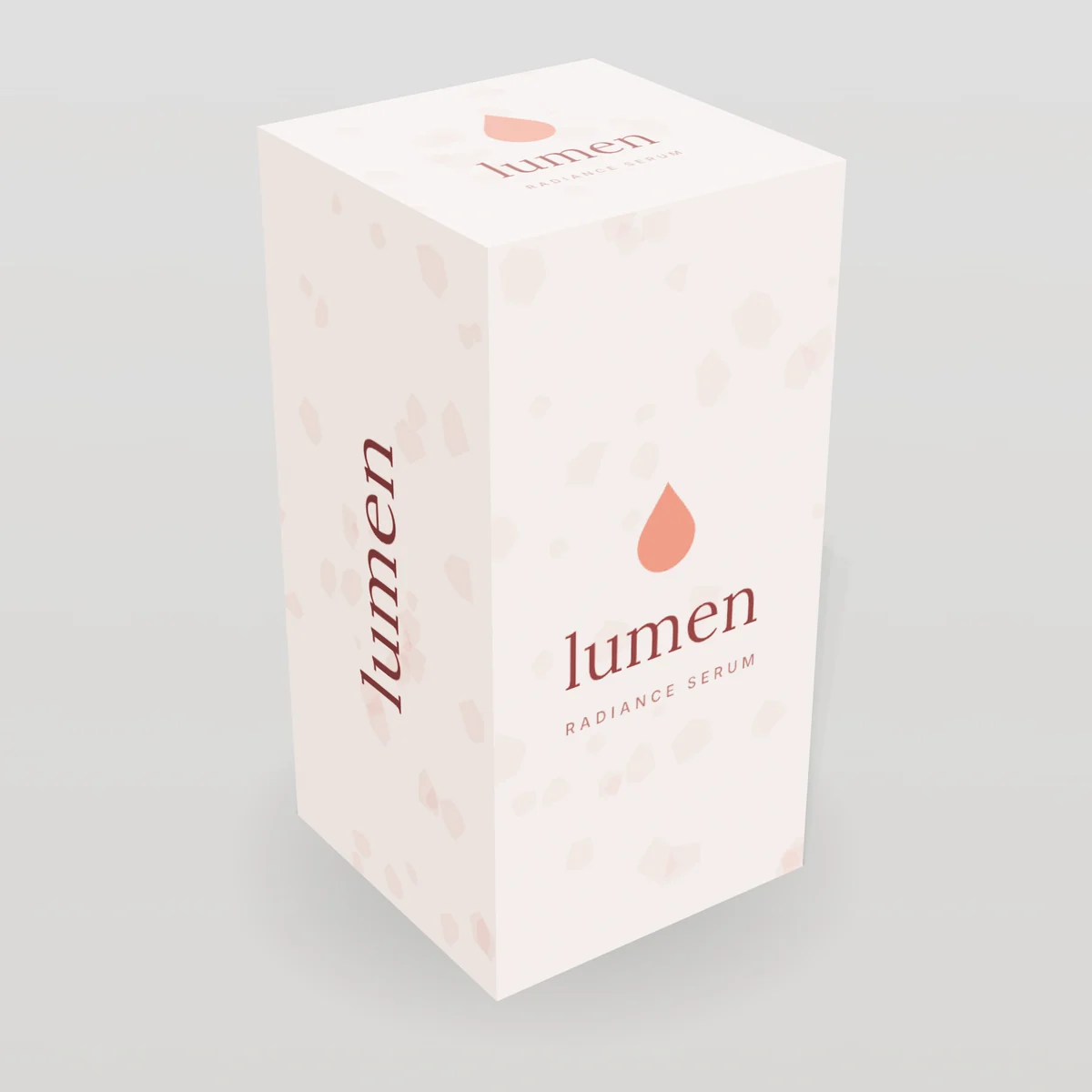 Box StylesTuck End BoxesStraight and reverse tuck end cartons that open and reclose cleanly. Ideal for lightweight retail products.
 Box StylesSleeve BoxesA printed sleeve over a sliding tray. Interactive, premium and easy to brand on two surfaces.
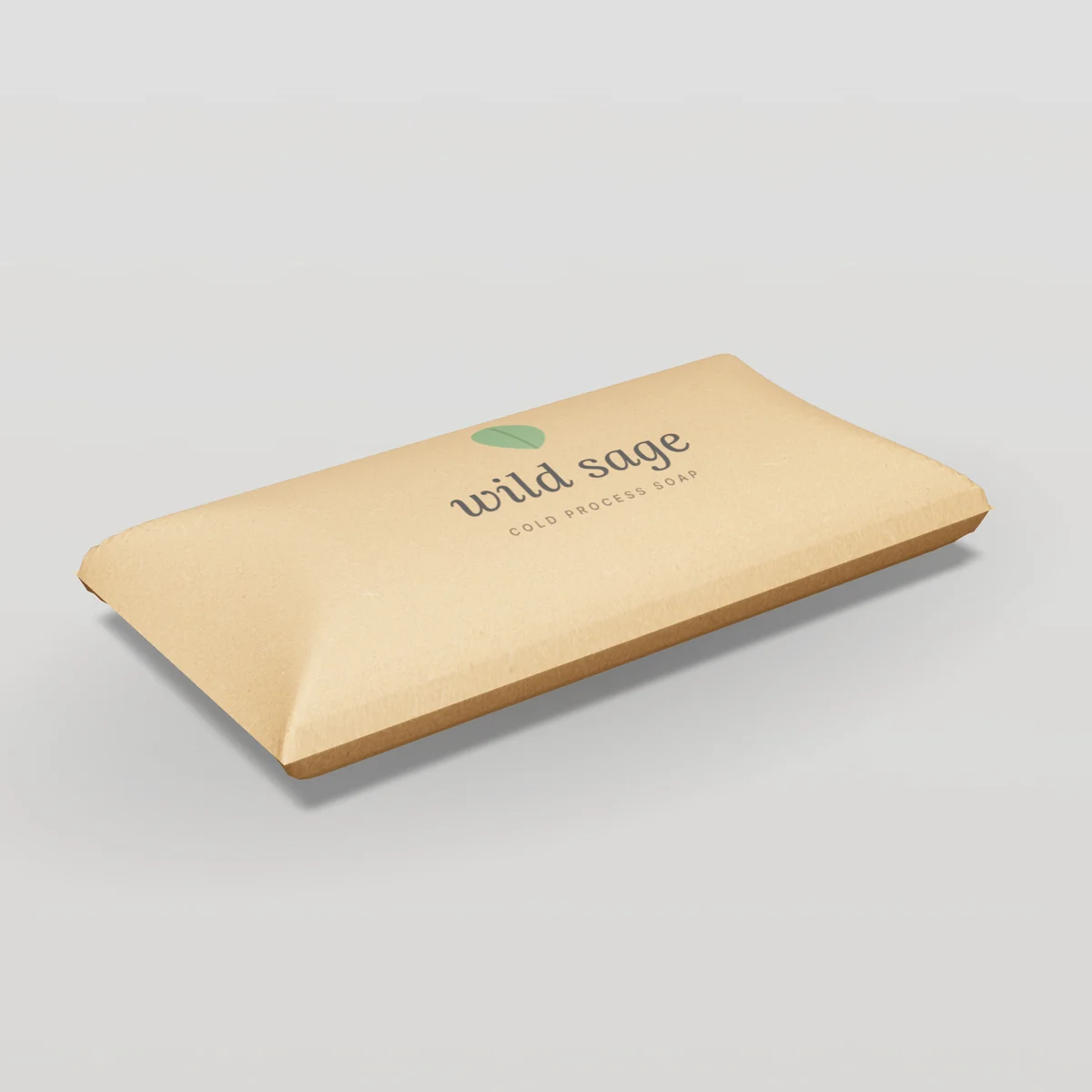 Box StylesPillow BoxesCurved, self-closing boxes for small gifts, favors, accessories and samples.
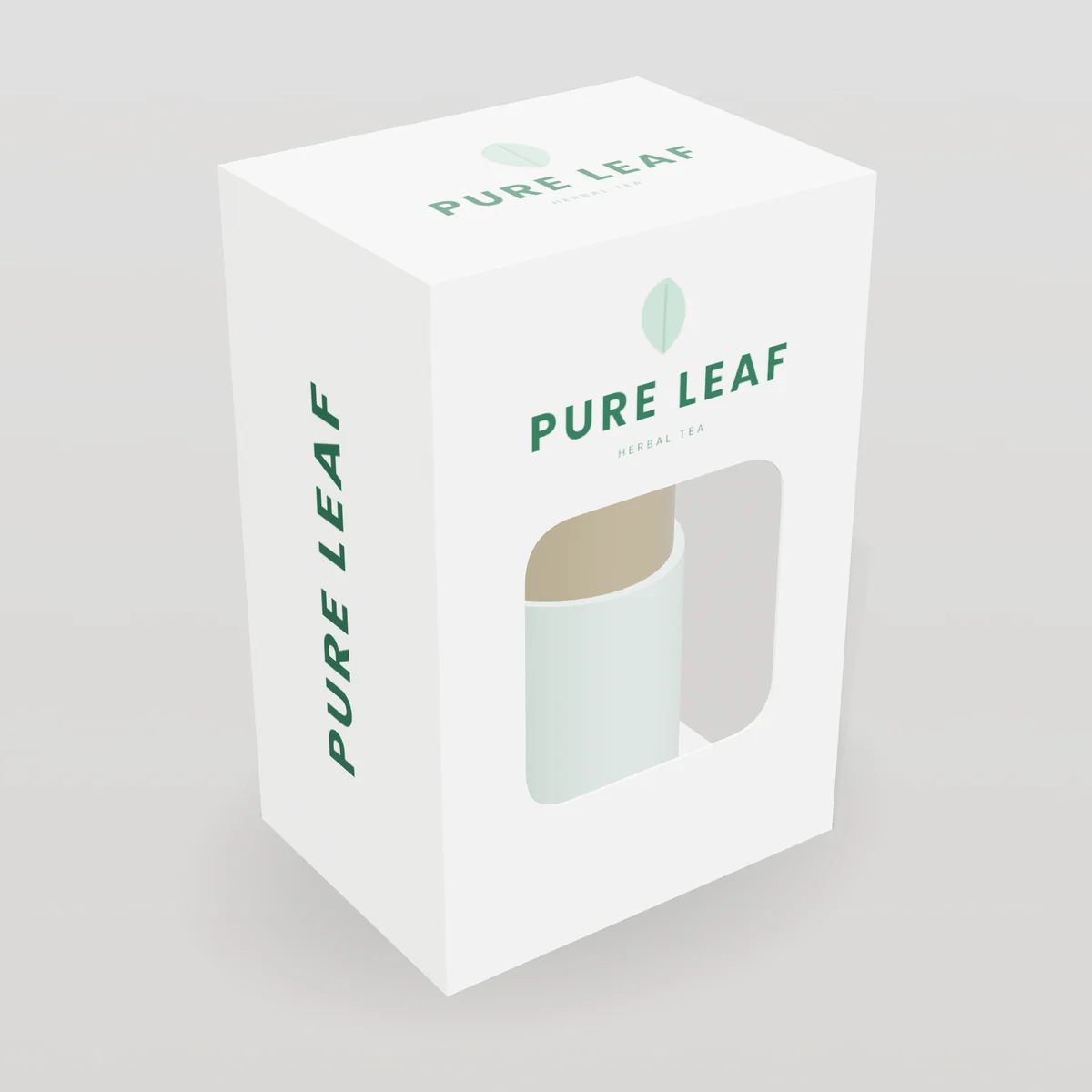 Box StylesWindow BoxesPaperboard boxes with a die-cut window and clear film so shoppers see the product.
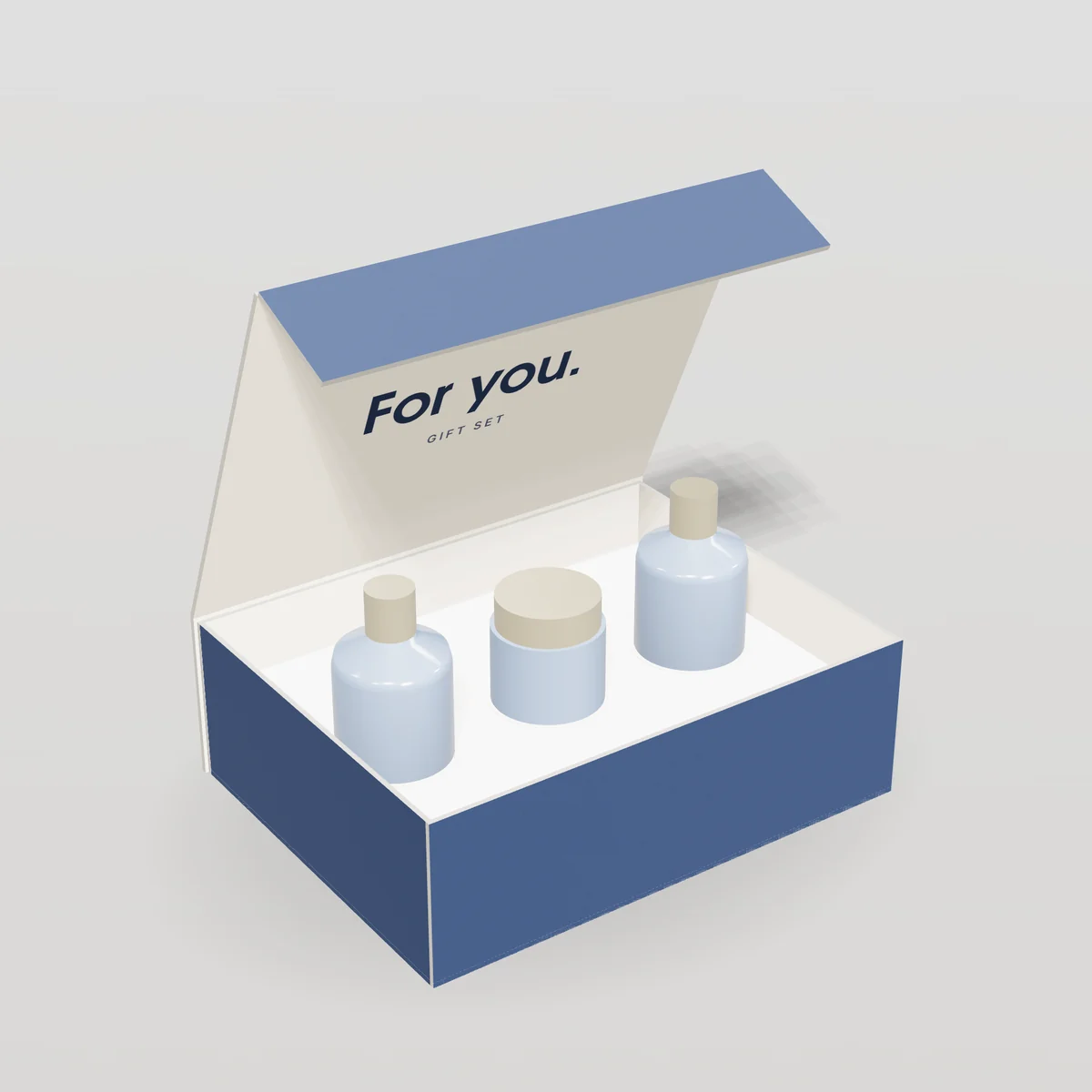 IndustriesGift BoxesRigid, magnetic and lid-and-base gift boxes for corporate gifting, holidays and retail.
How to order soap boxes
- 1Request a quote
Tell us the style, size, quantity and artwork you have. Use the form or the live estimator.
- 2Free design & dieline
We send a dieline for your exact size, check your artwork and help with layout at no charge.
- 3Approve your proof
Review a digital 3D proof (and an optional physical sample) before anything is printed.
- 4Production & QC
Your boxes are printed, finished, die-cut and inspected against the approved proof.
- 5Delivered to your door
Shipped flat-packed with tracking to any address in the contiguous US.
Key terms on this page
- Board
- A general term for thick paper materials used in packaging, including paperboard, corrugated board and greyboard.
- Liner
- The flat paper faces of corrugated board. Can be kraft (brown) or bleached (white).
- Point (pt)
- The unit of paperboard thickness: 1 point equals 0.001 inch. 18pt board is 0.018 inch thick.
- Kraft
- Paper or board made from unbleached wood pulp, naturally brown and strong.
- Sleeve
- An open-ended band or tube that slides over a tray or box, often printed to brand plain packaging.
- Belly band
- A printed paper band wrapped around the middle of a box or product to add branding.
- Tuck end box
- A paperboard carton that closes with tuck flaps at its ends.
- Carton
- A box made from paperboard, usually a folding carton. In shipping, "carton" can also mean a corrugated case.
- Pillow box
- A small paperboard box with curved ends that fold in to close.
- Tray
- An open-topped box base, often used with a sleeve or lid.
- Kraft paperboard
- Unbleached paperboard with a natural brown surface, used for eco-minded and artisan packaging.
- Paperboard
- Thick paper (usually 0.010 inch or more) used for folding cartons, such as SBS, kraft and recycled board.
- SBS (solid bleached sulfate)
- Premium paperboard made from bleached virgin fiber, bright white throughout, with the best print and finish quality.
- Wrap
- The printed or specialty paper glued around the board of a rigid box or tube.
- Embossing
- Raising part of the board surface into a relief using matched dies, often combined with foil or ink.
- CUK
- Coated unbleached kraft paperboard: a strong brown board with a white clay-coated printing surface.
- Proof
- A preview of the final package (digital PDF, 3D render or physical sample) that the customer approves before production.
- Shrink wrap
- Plastic film that shrinks tightly around products or cartons when heated.
- Dieline
- A flat template showing the exact shape of a box before folding, with cut, crease, bleed and safe zones. Artwork is designed on top of it.
- Insert
- A component inside a box that holds products in place, such as die-cut paperboard, corrugated, foam or molded pulp.
- Artwork
- The final graphic files (logos, images, text and colors) placed on a dieline and used to make printing plates or digital print files.
- FSC
- The Forest Stewardship Council, an organization that certifies responsible forest management and chain of custody for paper products. Using its label requires certified supply.
- Net quantity
- The amount of product in a package (weight, volume or count), which many US consumer products must state on the main display panel.
- Regular slotted container (RSC)
- The standard corrugated shipping box with four top and four bottom flaps of equal depth (FEFCO 0201).
- Shipper
- A box used to ship products, often corrugated.
- ECT (edge crush test)
- A test measuring how much force corrugated board can take on its edge before crushing, in pounds per inch. It predicts stacking strength.
- Caliper
- The thickness of paper or board. Paperboard caliper is usually given in points, where 1 point equals 0.001 inch.
- Greyboard
- Thick, dense recycled board used as the structural core of rigid boxes, usually 1.2 to 3 mm thick.
More definitions in our packaging glossary.
Customer reviews
Reviews come only from verified customers. Ordered soap boxes from us? Share your experience.
Discussed on Quora & X
Soap Boxes FAQ
What is the best packaging for handmade soap?
Kraft sleeves, belly bands and tuck end boxes with open windows are the most popular. They are economical, let customers smell the soap and keep packaging plastic-free.
What is the minimum order for soap boxes?
Our minimum is 250 units. Several scents can be printed in one digital run.
Will soap oils stain the box?
Rich oils can stain uncoated light board over time. Coated board or an inner wrap prevents this.
Do soap boxes need ingredient lists?
Soap marketed with cosmetic claims is regulated as a cosmetic and needs an ingredient list. Many makers include ingredients regardless. Confirm with a regulatory professional.
Can soap boxes have windows?
Yes. Open windows show the bar and let customers smell it; shaped windows add personality.
Are your soap boxes plastic-free?
Our paperboard boxes, sleeves and open-window designs are plastic-free. Film windows and laminations add plastic, so we suggest skipping them for soap.
Should soap packaging be sealed?
Usually not for cold-process soap, which benefits from airflow. Melt-and-pour soap may need a wrap because glycerin attracts moisture.
What is a soap band?
A printed paper strip wrapped around the bar, showing the soap while carrying branding and required information at very low cost.
What size box for a 4 oz soap bar?
Often about 3.5 × 2.5 × 1.25 in, sized from your bar with a small clearance.
Can soap packaging be plastic-free?
Yes. Paper bands, kraft cartons and paper sleeves with open windows keep soap packaging plastic-free.
Should soap boxes have holes?
Vent holes or open windows help cold-process soap breathe and let shoppers smell the scent.
What is the most eco-friendly soap packaging?
A paper band or kraft carton with water-based inks and no plastic.
Can soap boxes be printed in one color?
Yes. One dark ink on kraft is a classic soap look.
Do you make soap gift boxes?
Yes: sleeve boxes with dividers and rigid gift boxes.
Can I add a window to a soap box?
Yes. Open windows let shoppers see and smell the soap.
What is the minimum order for soap bands?
Ask in your quote; bands are economical and often available in smaller runs.
How much do custom soap boxes cost?
Paper bands and kraft cartons are economical, especially at 1,000 units and above. See the price table on this page.
How long do soap boxes take?
About 10–14 business days after proof approval, plus shipping.
Can you size boxes for my bar?
Yes. Send bar dimensions and weight.
Can I order boxes in several scents?
Yes. Several designs in the same size can share a print run.
Do you offer free design help for soap boxes?
Yes. Every quote includes a free dieline for your exact size, an artwork check, and a digital proof with a 3D preview. Our designers can also lay out artwork from your logo, brand colors and ideas, so you do not need a packaging designer to get started.
Can I see a 3D preview of my soap boxes before ordering?
Yes. You can try styles and colors yourself in the free 3D Box Builder, and every quote includes a 3D preview made from your real artwork before anything is printed.
Where do you deliver soap boxes?
We deliver to business and residential addresses across the contiguous United States with tracking, usually within 3–7 business days after production. Alaska, Hawaii and expedited freight are quoted separately.
What if my soap boxes arrive with a defect?
Report it within 7 days of delivery with photos and your order number. If there is a production defect or the boxes do not match your approved proof, we reprint or refund the affected items under our reprint guarantee.