Quick answer
Raised or recessed logos and patterns you can feel, with or without foil or ink. Typical turnaround is 10–14 business days after proof approval.
What are embossing and debossing?
Embossing raises part of the packaging surface into a relief; debossing presses it below the surface. Both use a pair of matched dies (male and female) that squeeze the board between them. The result is a tactile, three-dimensional detail that customers notice with their fingertips as much as their eyes.
Embossing and debossing add craftsmanship without adding color. They are popular on logos, monograms, patterns, borders and product names in beauty, fragrance, spirits, stationery, jewelry and premium food packaging.
Choosing emboss vs. deboss
- Embossing feels classic and celebratory; it stands out on lids and front panels.
- Debossing feels modern and minimal; it holds up well in shipping because nothing protrudes.
On thin paperboard, the back side shows the reverse of the emboss. On rigid boxes, the wrap paper is embossed before wrapping, so the inside stays smooth.
How embossing and debossing are made
Embossing and debossing reshape the board itself, using a matched pair of dies under pressure (and usually heat).
- The female die (also called the die or the counter) is engraved or etched with your design recessed into it.
- The male die (the counter-force) is the mirror image, raised so it pushes the board into the female die.
- The printed and laminated sheet is placed between them, and the press closes. The board fibers are stretched and compressed into the new shape and hold it permanently.
For embossing, the design rises from the front surface. For debossing, the design is pressed into the front surface. Embossing is usually done after printing, lamination and foil, and before die-cutting, so all the elements line up.
Heat softens the fibers and coatings, giving cleaner, deeper relief with less cracking, especially on laminated boards.
Embossing styles explained
| Type | Description | Effect |
|---|---|---|
| Blind emboss | Raised with no ink or foil | Subtle, tonal, elegant |
| Registered emboss | Raised area aligned with printed artwork | Makes a printed logo pop |
| Combination (foil + emboss) | Foiled and raised in one pass | Sculpted metallic |
| Multi-level / sculpted | Several heights or contoured relief | Detailed, artistic |
| Blind deboss | Pressed in without ink | Understated, modern |
| Debossed with foil or ink | Recessed and colored | Defined and durable |
| Style | Description | Effect |
|---|---|---|
| Blind emboss / deboss | Relief with no ink or foil | Subtle, elegant, purely tactile |
| Registered emboss | Relief aligned exactly with a printed element | Makes a printed logo stand up |
| Foil emboss (combination) | Foil stamped and embossed in one pass | Raised metallic, very premium |
| Single-level | One flat height | Clean and crisp; most economical die |
| Multi-level | Several heights | More dimension; more expensive die |
| Sculpted | Hand-tooled contours with rounded forms | Lifelike relief for crests and illustrations |
| Bevel | Angled edges on the relief | Sharp, architectural look |
| Pastelling / tint emboss | Light printed tint with emboss | Soft colored relief |
Choosing board for embossing
The board determines how deep and crisp the relief can be.
| Material | Embossing suitability | Notes |
|---|---|---|
| SBS 18–24pt | Very good | The standard for embossed cartons |
| Kraft / CUK | Very good | Blind deboss looks natural on kraft |
| CRB (recycled) | Good | Slightly less crisp; avoid very fine detail |
| Rigid box wraps (paper over greyboard) | Excellent for deboss | Deboss presses into the board; emboss is done on the wrap before wrapping |
| Textured specialty papers | Excellent | Texture and relief combine beautifully |
| E-flute corrugated | Limited | Possible on litho-laminated top sheets; flutes limit depth |
| B/C-flute corrugated | Not recommended | Crushes the flutes |
Heavier, longer-fibered boards hold deeper relief without cracking. For deep embossing on thinner cartons, a lamination helps prevent the surface from splitting.
Embossing on rigid boxes
On rigid boxes, the relationship is slightly different:
- Debossing is very effective: the wrapped greyboard can be pressed after wrapping, or the wrap can be debossed and then laminated onto board, producing a crisp recessed logo.
- Embossing is usually applied to the wrap paper before it is glued to the board. Because the greyboard behind it is flat, embossed areas can be pushed back when pressed; designers often prefer debossing on rigid lids.
- Foil deboss (foil pressed into the surface) is a classic on soft-touch rigid lids.
Embossing and the inside of the box
Embossing pushes the board, so a raised logo on the outside appears as a recessed shape on the inside (and vice versa). On cartons and mailer lids printed inside, plan the interior design so the reverse of the emboss does not interfere with important text or images. On rigid boxes, the liner usually hides it.
Design rules for embossing
- Vector artwork on a separate layer named "EMBOSS" or "DEBOSS".
- Bold shapes work best; very fine lines and small text lose definition.
- Minimum detail: keep strokes at least about 0.5 pt and text at 8 pt or larger for blind embossing.
- Board: 18pt and heavier paperboard, or rigid box wraps, give the best relief. Uncoated and textured papers emboss beautifully.
- Keep away from folds and score lines.
Tip: Blind embossing on textured or colored paper is one of the most cost-effective ways to look premium without printing.
- Bold shapes, simple outlines. Thin lines and tiny text lose definition.
- Minimum line weight: about 1 pt (0.35 mm) for single-level emboss; more for sculpted.
- Minimum text size: about 10–12 pt for clear, embossed text; bigger is better.
- Spacing: at least 1–1.5 mm between embossed elements.
- Distance from folds and edges: at least 1/8 in (3 mm).
- Registration tolerance: allow small tolerances when embossing aligns with print; avoid thin printed outlines around embossed shapes.
- File: vector artwork on a separate layer named "Emboss" or "Deboss", as a 100% spot color.
Cost of embossing and debossing
Embossing requires a custom die pair (a one-time cost, reusable on reorders) and a per-unit pass. Multi-level and sculpted dies cost more than single-level dies. See the "What finishes cost" table on each product page for estimated added cost.
Embossing costs come from:
- The die pair: a one-time cost based on size and complexity (single-level magnesium is the most economical; sculpted brass the most expensive).
- Make-ready and press time: a separate pass, unless combined with foil.
- Per-unit handling: relatively small at volume.
Because the die cost is fixed, embossing is most cost-effective at 1,000 units and above. Reorders can reuse the dies. The table on this page shows the estimated per-unit impact by box style.
Embossing vs. other tactile finishes
| Embossing / debossing | Raised (digital) UV | Soft-touch | Textured paper | |
|---|---|---|---|---|
| Feel | Strong relief | Raised gloss | Velvet surface | Overall texture |
| Visual | Light and shadow | Gloss highlights | Muted, deep | Natural, papery |
| Tooling | Die pair | None | None | None |
| Best run size | Medium–long | Short–medium | Any | Any |
| Recyclability | Excellent (no added material) | Good | Varies (film) | Excellent |
Blind embossing is one of the most sustainable premium finishes because it adds no extra material: it simply reshapes the board.
Worked example: an artisan soap brand
A soap maker uses an 18pt kraft carton with one black ink. To add a premium touch:
- Blind deboss of the brand's circular logo on the front panel.
- Black ink for scent name and required information.
- No lamination, keeping the natural kraft feel and easy recyclability.
The deboss adds tactile quality and shadow detail at a modest cost per unit at 1,000+ cartons. See soap boxes.
Common mistakes with embossing
- Too much detail in the embossed artwork.
- Thin board that cannot hold relief.
- Embossing across folds or near edges.
- Ignoring the reverse side inside printed boxes.
- Expecting deep emboss on corrugated flutes.
- Ordering very short runs where die costs dominate; consider raised UV instead.
Die materials: magnesium, copper and brass
Embossing and debossing use a pair of dies: a male die that pushes and a female die that receives. The metal used for the dies affects detail, durability and cost.
- Magnesium dies are economical and quick to make. They suit short runs and simple, single-level designs.
- Copper dies are harder and hold finer detail and longer runs than magnesium.
- Brass dies are the most durable and can be hand-engraved or machined into multi-level, sculpted shapes. They suit long runs, intricate designs and premium work, at a higher cost.
Dies can be stored and reused for reorders. If you reorder the same packaging often, investing in a more durable die can save money over time.
Depth, board and caliper
How deep an emboss can go depends on the board. Thicker, softer boards accept deeper embossing without cracking; thin or brittle boards limit depth. Uncoated and textured stocks emboss beautifully because their fibers stretch and compress. Coated boards emboss well too, though very deep embossing can crack heavy coatings or dark printed areas. Laminated surfaces, especially soft-touch, are popular for embossing because the film stretches with the board and keeps the surface intact. Your supplier will recommend a depth that is visible and tactile without risking cracks.
Registered emboss vs. blind emboss
A registered emboss aligns precisely with printed artwork or foil, so a printed logo is also raised. It requires accurate registration between printing and embossing. A blind emboss has no printing or foil on the raised area. It relies on light and shadow alone and creates a subtle, tactile, understated effect. Blind embossing on a solid colored or uncoated board is one of the most elegant finishes in packaging, and it avoids any risk of misalignment between print and emboss.
Multi-level and sculpted embossing
Single-level embossing raises the design to one flat height. Multi-level embossing raises different parts of the design to different heights, and sculpted embossing creates rounded, contoured shapes, like a relief sculpture. These effects bring illustrations, crests and monograms to life. They require more complex dies, usually brass, and careful design: detail must be broad enough to show at depth, and contours need gradual slopes to avoid tearing the board.
Embossing on kraft and natural boards
Kraft and natural boards are excellent for embossing because their texture and color give the raised design a handmade, crafted feel. A blind emboss on kraft looks particularly understated and premium. Because kraft absorbs ink and shows colors darker, embossing is a way to make a logo stand out without relying on bright print. Combining a deboss with a single foil color on kraft creates strong contrast at modest cost.
Embossing and laminations
Laminations protect printed surfaces and can improve embossing results. Soft-touch lamination with a blind emboss gives a velvety, sculpted surface that invites touch. Gloss lamination reflects light along the edges of an emboss, making it look sharper. Apply the lamination before embossing so the film stretches with the board. Tell your supplier about both finishes when requesting a quote, as they plan the order of operations.
Tactile branding and accessibility
Texture adds a dimension of branding that customers feel before they read. A raised logo or pattern becomes a signature: customers recognize the box by touch. Embossing can also support accessibility. For some product categories, especially medicines in certain markets, braille text embossed on cartons helps visually impaired users identify products. Braille follows specific size and spacing standards, so it must be planned with a supplier experienced in it.
Embossing as an anti-counterfeiting signal
Complex embossing, particularly multi-level or sculpted designs and combinations with foil, is harder to copy convincingly than print alone. It is not a complete security solution, but it raises the bar for counterfeiters and gives customers a tactile signal of authenticity. Brands with counterfeit problems often combine embossing with other features such as holographic foil, tamper-evident seals and unique codes.
Proofing an emboss
Digital proofs show the position and outline of an emboss but cannot show depth or feel. For important projects, ask for a physical sample made with the actual die on the actual board. Check the depth, the sharpness of edges, the alignment with print or foil and whether any cracking appears on folds or dark printed areas. Look at the emboss under different lighting angles, since its effect depends on shadows.
Embossing beyond boxes
Embossing is not only for cartons and rigid boxes. Thank-you cards, hang tags, labels, paper bags and tissue seals can all carry embossed or debossed details. A blind-embossed logo on a thick thank-you card or hang tag gives a premium touch at low cost, and it ties these small pieces to the main packaging. Ordering embossed accessories alongside boxes can share design work and sometimes dies.
Lead time
Embossing adds die-making and an extra production step. Allow a few extra days for die creation, and more for brass or sculpted dies. Reorders with existing dies are faster.
Emboss or deboss on mailer boxes
Corrugated mailers can be embossed or debossed, especially on smooth, coated liners or laminated surfaces. Because corrugated board has flutes, the effect is softer than on paperboard and very fine detail is lost. Bold logos and simple shapes work best. Debossing is often more reliable than embossing on corrugated because it presses into the board rather than raising it. A debossed logo on the lid of a soft-touch mailer is a refined upgrade for premium e-commerce brands.
Emboss with foil: combination dies
Combination foil-emboss dies apply foil and raise the design in a single strike. The result is a metallic logo that also stands up from the surface, catching light on its edges. It is one of the most premium effects in packaging and is common on rigid boxes, fragrance cartons and spirits packaging. Combination dies cost more than separate foil or emboss dies but deliver perfect registration between the two effects.
Debossing with ink
Debossing can also be combined with a printed color, so the pressed-in area is filled with ink. This makes the deboss easier to see and adds color without foil. The ink and deboss must align precisely, which requires accurate registration. Alternatively, a deboss on a colored board without any ink relies on shadow alone, giving a minimal, refined look.
Embossing patterns and textures
Embossing is not limited to logos. An all-over embossed pattern, such as linen, leather grain, geometric shapes or a brand motif, gives packaging a tactile texture. Pattern embossing can be done with large embossing plates or with pre-embossed papers, which are often used as wraps for rigid boxes. Textured papers achieve a similar effect without a custom die and are an economical way to add texture across the whole box.
Placing embossing on the box
Place embossing where it will be seen and touched: the front panel, the lid of a mailer or rigid box, or the top of a carton. Avoid placing embossing across folds, where it can distort or crack, and near glue areas, where pressure can weaken bonds. Keep embossing away from text that needs to be read, because raised areas can make nearby text harder to print and read. If embossing is on a lid, consider whether the inside of the lid shows the reverse impression; on thick boards it often does not, but on thinner boards it may.
Embossing and print sequence
The usual sequence is print, coat or laminate, foil, then emboss, though combination dies merge the last two. Each step must align with the previous ones. Your supplier plans this sequence; your role is to provide clean artwork layers for each finish and to describe the effect you want. Early conversation about finishes avoids surprises and ensures the board, coating and embossing work together.
Choosing between embossing and other tactile options
| Option | Feel | Cost | Best for |
|---|---|---|---|
| Embossing | Raised design | Moderate (die + step) | Logos, crests, patterns |
| Debossing | Pressed-in design | Moderate (die + step) | Minimal logos, corrugated |
| Raised UV | Raised glossy coating | Moderate | Detailed patterns, short runs |
| Textured paper | All-over texture | Low to moderate | Rigid box wraps, full texture |
| Soft-touch | Velvety surface | Moderate | Overall premium feel |
Many brands combine soft-touch with a blind emboss or deboss for a tactile experience without color or metallic effects.
Is embossing worth it?
Embossing is a relatively small investment for a strong effect. A single embossed logo on the most visible panel can transform how a box feels, and the die can be reused for years. It suits brands that want quiet luxury, craft or heritage. If your budget allows one premium finish, embossing, foil and soft-touch are the most common choices. Embossing stands out because it adds a dimension customers feel, not just see.
Embossing by industry
Cosmetics and skincare: blind embossed logos on soft-touch cartons feel calm and premium.
Spirits and wine: sculpted crests and foil-embossed labels signal heritage and craft.
Chocolate and confectionery: embossed patterns on gift boxes add richness and invite touch.
Stationery and gifts: debossed logos on kraft or cotton papers feel handmade and personal.
Fashion and accessories: embossed monograms on rigid boxes and shopping bags reinforce luxury branding.
Tech: subtle debossed logos on matte boxes match minimalist product design.
Designing artwork for embossing dies
Supply embossing artwork as a clean vector on its own layer, named clearly, with the exact position marked on the dieline. Use solid shapes without gradients, since the die maker converts the artwork into a physical surface. For multi-level or sculpted effects, describe the intended depths or supply a reference image; the die maker will interpret it. Keep strokes and gaps wide enough for the board and depth chosen. If embossing aligns with print or foil, provide all layers in the same file so registration is clear.
Embossing and folding cartons on the line
On automated packing lines, cartons are fed, erected and filled by machines. Embossed areas on panels that machines grip or push can sometimes affect feeding. Keep embossing away from glue flaps and panels that machines handle, and test cartons on your packing line if you use one.
Embossing FAQ for designers
Designers often ask whether embossing shows on the inside of a carton. On most paperboard, the reverse impression is visible inside the panel. For cartons, this is rarely an issue. For lids of rigid boxes, the wrap and board hide it. If the inside is visible and matters, consider debossing on a thicker board or adding a liner.
Specification checklist for embossing
- Emboss or deboss, blind or registered.
- Single-level, multi-level or sculpted.
- Die material and expected run length.
- Board type, caliper and surface finish.
- Position on the dieline, away from folds and glue areas.
- Physical sample for approval.
More embossing FAQ
Can I emboss small text?
Very small text loses definition when embossed. Keep embossed text larger and bolder than printed text.
Quick decision guide for embossing
| If you need… | Choose… | Because… |
|---|---|---|
| Quiet luxury | Blind emboss on soft-touch or uncoated board | Texture without color |
| Logo that pops | Registered emboss with foil | Metal and dimension together |
| Corrugated mailers | Deboss | More reliable on fluted board |
| Heritage look | Sculpted multi-level brass die | Detailed relief |
| All-over texture | Textured or pre-embossed paper | No custom die needed |
| Short runs with texture | Raised UV | Digital tactile effect |
How to brief us on embossing
Embossing needs a die, so a precise brief helps:
- Emboss or deboss. And whether blind, inked or foiled.
- Design and size. Vector artwork on its own layer.
- Board and finish. Kraft, coated, soft-touch or rigid wrap.
- Depth and style. Single-level, multi-level or sculpted.
- Reorders. Expected future runs, which affect die material.
Send what you have, even if some answers are rough. Our specialists reply within one business day with recommendations, a price estimate and next steps, and every order includes free design help and a 3D proof before anything goes to production.
Where embossing works best
 Box StylesRigid BoxesLuxury setup boxes made from thick greyboard wrapped in printed or specialty paper.
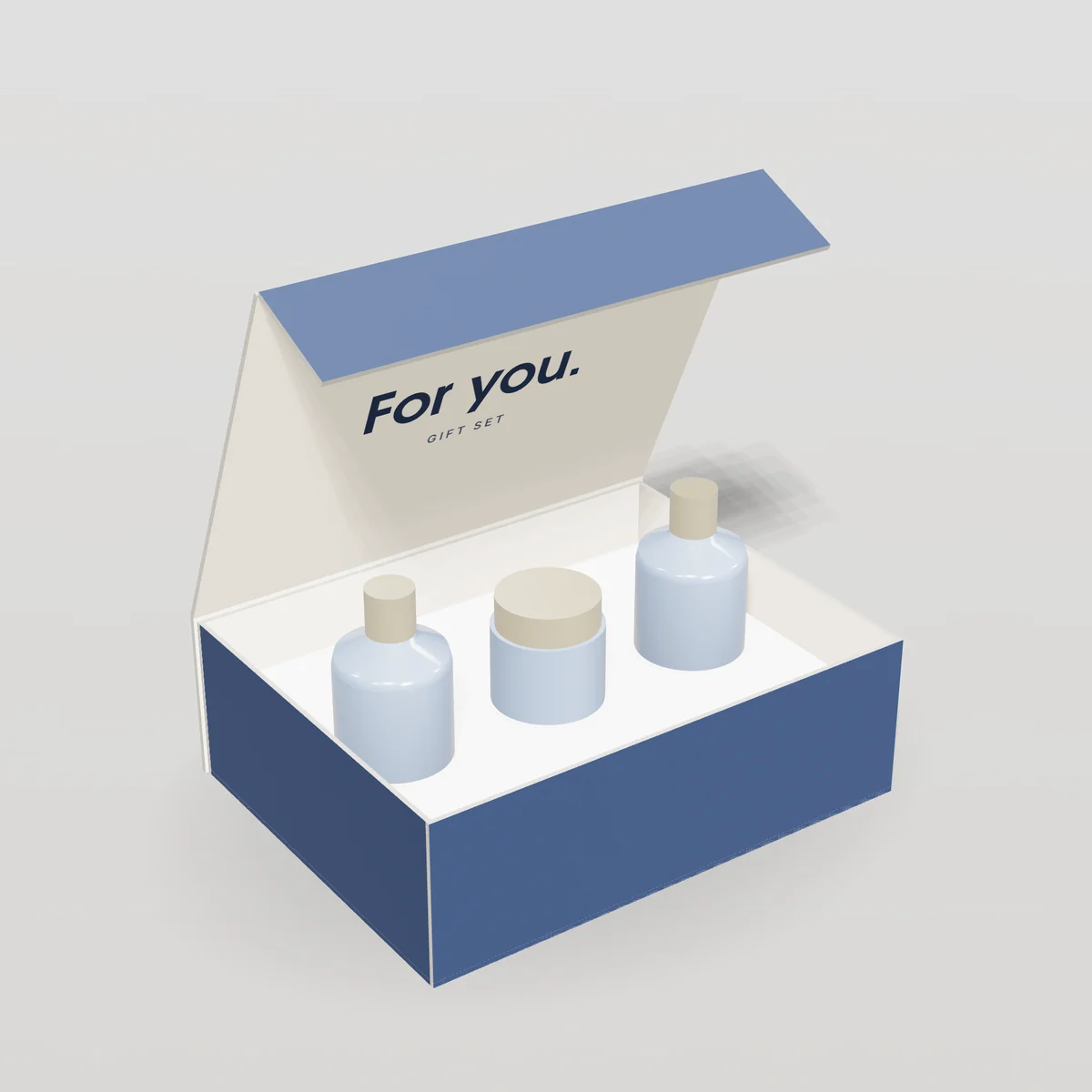 Box StylesMagnetic Closure BoxesBook-style rigid boxes with hidden magnets for a satisfying, reclosable unboxing.
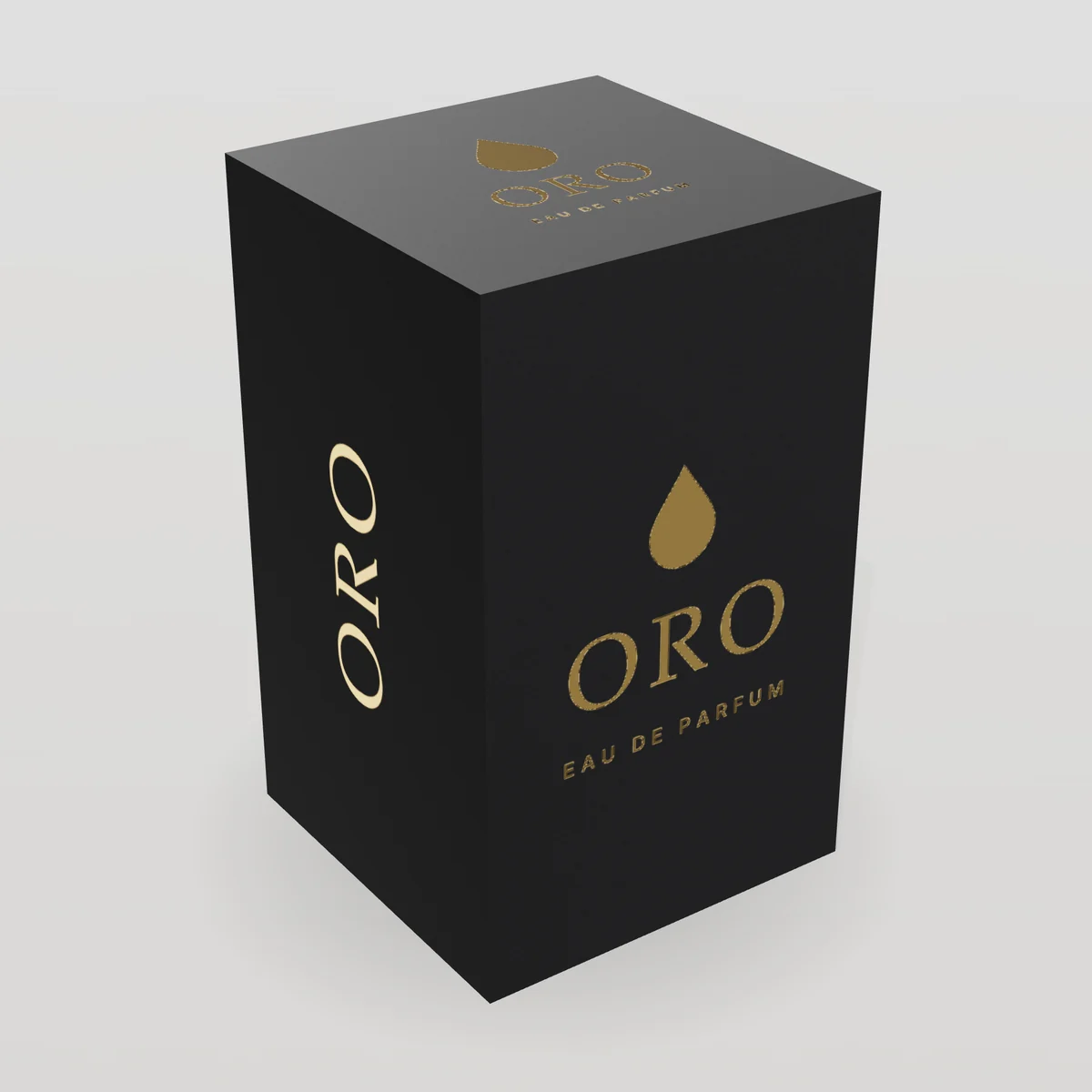 IndustriesPerfume BoxesFragrance cartons and rigid presentation boxes with inserts that cradle the bottle.
 Box StylesTuck End BoxesStraight and reverse tuck end cartons that open and reclose cleanly. Ideal for lightweight retail products.
What embossing / debossing adds to popular box styles
Estimated unit prices from our published pricing model for each style at its most popular size, full-color print, delivered within the contiguous US. The last two columns show what embossing / debossing adds per box at 1,000 and 5,000 units; setup tooling is spread across the run, so the premium shrinks as quantity grows.
| Box style | Without (1,000) | With (1,000) | Adds at 1,000 | Adds at 5,000 |
|---|---|---|---|---|
| Mailer Boxes9 × 6 × 3" | $1.06 | $1.29 | +$0.23 | +$0.12 |
| Shipping Boxes12 × 10 × 6" | $1.31 | $1.61 | +$0.30 | +$0.18 |
| Product Boxes4 × 4 × 4" | $0.49 | $0.68 | +$0.19 | +$0.08 |
| Folding Cartons3 × 3 × 5" | $0.42 | $0.60 | +$0.18 | +$0.08 |
| Tuck End Boxes4 × 2 × 6" | $0.40 | $0.59 | +$0.19 | +$0.08 |
| Auto-Lock Bottom Boxes5 × 3 × 7" | $0.55 | $0.74 | +$0.19 | +$0.09 |
| Rigid Boxes8 × 6 × 3" | $2.89 | $3.11 | +$0.22 | +$0.12 |
| Magnetic Closure Boxes9 × 7 × 3" | $3.51 | $3.74 | +$0.23 | +$0.13 |
| Two-Piece Boxes8 × 8 × 3" | $3.10 | $3.34 | +$0.24 | +$0.13 |
| Sleeve Boxes6 × 4 × 2" | $0.67 | $0.87 | +$0.20 | +$0.09 |
| Pillow Boxes6 × 3 × 1.5" | $0.32 | $0.51 | +$0.19 | +$0.09 |
| Gable Boxes6 × 4 × 5" | $0.71 | $0.91 | +$0.20 | +$0.09 |
| Display Boxes10 × 7 × 4" | $1.13 | $1.37 | +$0.24 | +$0.13 |
| Window Boxes5 × 3 × 5" | $0.63 | $0.83 | +$0.20 | +$0.08 |
| Hanger Boxes4 × 1.5 × 6" | $0.41 | $0.59 | +$0.18 | +$0.08 |
| Tube Packaging3 × 3 × 7" | $1.64 | $1.82 | +$0.18 | +$0.08 |
Estimates for planning. Your quote confirms the exact price for your size, coverage and artwork.
How to order embossing & debossing
- 1Request a quote
Tell us the style, size, quantity and artwork you have. Use the form or the live estimator.
- 2Free design & dieline
We send a dieline for your exact size, check your artwork and help with layout at no charge.
- 3Approve your proof
Review a digital 3D proof (and an optional physical sample) before anything is printed.
- 4Production & QC
Your boxes are printed, finished, die-cut and inspected against the approved proof.
- 5Delivered to your door
Shipped flat-packed with tracking to any address in the contiguous US.
Key terms on this page
- Embossing
- Raising part of the board surface into a relief using matched dies, often combined with foil or ink.
- Debossing
- Pressing a design into the board so it sits below the surface. The opposite of embossing.
- Board
- A general term for thick paper materials used in packaging, including paperboard, corrugated board and greyboard.
- Paperboard
- Thick paper (usually 0.010 inch or more) used for folding cartons, such as SBS, kraft and recycled board.
- Wrap
- The printed or specialty paper glued around the board of a rigid box or tube.
- Die
- A custom tool, usually steel rule mounted in a board, used to cut and crease packaging to shape.
- Lamination
- Bonding a thin film (matte, gloss or soft-touch) or paper to board for protection and finish.
- Die-cutting
- The process of cutting and creasing printed sheets into box shapes using a die.
- Blind emboss
- An embossed design with no ink or foil, relying only on raised texture and shadow.
- Artwork
- The final graphic files (logos, images, text and colors) placed on a dieline and used to make printing plates or digital print files.
- SBS (solid bleached sulfate)
- Premium paperboard made from bleached virgin fiber, bright white throughout, with the best print and finish quality.
- Kraft
- Paper or board made from unbleached wood pulp, naturally brown and strong.
- CUK
- Coated unbleached kraft paperboard: a strong brown board with a white clay-coated printing surface.
- Coated recycled board (CRB)
- Paperboard made from recycled fiber with a white clay-coated printing face and a grey back. Economical and widely used for food and household cartons.
- Rigid box
- A premium box made from thick greyboard wrapped in printed or specialty paper, delivered assembled. Also called a setup box.
- Greyboard
- Thick, dense recycled board used as the structural core of rigid boxes, usually 1.2 to 3 mm thick.
- E-flute
- A thin corrugated flute about 1/16 inch thick. It prints sharply and folds crisply, making it the standard for mailer boxes.
- C-flute
- A corrugated flute about 5/32 inch thick and the most common flute for standard shipping cartons, balancing cushioning, stacking strength and cost.
- Liner
- The flat paper faces of corrugated board. Can be kraft (brown) or bleached (white).
- Vector artwork
- Graphics made of mathematical paths rather than pixels, which scale to any size without losing quality. Preferred for logos.
- Crease (score)
- A line pressed into board so it folds cleanly in the right place. Shown as dashed lines on dielines.
- Registration
- The alignment of printed colors and finishes with each other and with the dieline.
- Spot color
- A pre-mixed ink printed as a solid color, often matched to a Pantone reference.
- Make-ready
- Setting up a press or machine before a run, including mounting plates and adjusting color. A major part of setup cost.
- Carton
- A box made from paperboard, usually a folding carton. In shipping, "carton" can also mean a corrugated case.
- Panel
- A face of a box, such as the front, back, side, top or bottom panel.
- Caliper
- The thickness of paper or board. Paperboard caliper is usually given in points, where 1 point equals 0.001 inch.
- Soft-touch lamination
- A film with a velvety, matte texture that makes packaging feel premium and resists fingerprints.
More definitions in our packaging glossary.
Customer reviews
Reviews come only from verified customers. Ordered embossing & debossing from us? Share your experience.
Discussed on Quora & X
Embossing & Debossing FAQ
What is the difference between embossing and debossing?
Embossing raises the design above the surface; debossing presses it into the surface.
What is blind embossing?
Embossing without ink or foil, relying on light and shadow.
Can embossing be combined with foil?
Yes. Combination foil-embossing raises and foils the same area.
Does embossing show on the inside of the box?
On paperboard, the reverse impression is visible inside. Rigid box wraps are embossed before wrapping, so the inside stays smooth.
What thickness of board is best?
18pt paperboard and heavier, or rigid box wraps, give the best results.
Is embossing or debossing better for a logo?
Embossing makes the logo stand out and catch the light; debossing feels refined and modern, and works especially well on rigid boxes and soft-touch surfaces.
Can you emboss and foil the same logo?
Yes, with a combination foil-emboss die in one pass, or in two separate passes.
How deep can embossing be?
Depth depends on board thickness and type. Most packaging embossing is subtle, around the thickness of the board or less, to avoid cracking.
Is embossing eco-friendly?
Blind embossing adds no material, so it does not affect recyclability; it is a good way to add premium feel to paper packaging.
Can embossing be combined with soft-touch?
Yes. A blind emboss on soft-touch lamination is one of the most refined tactile combinations.
Can I reuse an embossing die on different box sizes?
Yes, if the design and size of the embossed element stay the same and the board is similar.