Key takeaways
- Quantity is the biggest lever: 1,000 units often cost 40–50% less per box than 250.
- Board area matters more than box volume; trim unused space.
- Each extra finish adds cost; pick the one that does the most work.
- Budget for shipping and tooling separately from the unit price.
Why custom packaging prices vary so much
Ask five suppliers to quote "custom boxes" and you may get five very different numbers. That is not just margin: custom packaging prices depend on a long list of specification choices, and two quotes for "a box" can describe very different products. A one-color kraft shipping box and a soft-touch magnetic gift box can both be "custom packaging", yet one may cost a small fraction of the other.
This guide explains every factor that drives price, shows realistic ranges from our published pricing model, and lists practical ways to lower your unit cost without making your packaging worse.
Note: All prices in this guide are estimates generated by our published pricing model for delivery within the contiguous US, as of the date at the top of the page. They are for planning. Your written quote confirms exact prices.
How a packaging price is built
Every custom packaging quote combines two kinds of cost:
1. One-time setup costs
- Printing plates for offset and flexo (one per color)
- Cutting dies for the box shape (often reusable)
- Finishing tooling (foil and emboss dies, spot UV screens)
- Make-ready: setting up presses and machines
- Proofing and prepress
2. Per-unit costs
- Board or film (proportional to area and grade)
- Ink (coverage and number of colors)
- Finishing (lamination, foil, embossing)
- Converting (cutting, gluing, folding, wrapping)
- Inserts and accessories
- Packing
Because setup is spread across the order, the per-unit price falls as quantity rises:
Realistic price ranges by style
The table below shows estimated unit prices for every style at its most popular size, with full-color printing and no finishes. It is generated from our pricing model each time the site is built, so it always matches the calculators.
| Style & size | 250 units | 1,000 units | 5,000 units |
|---|---|---|---|
| Mailer Boxes9 × 6 × 3" · E-flute corrugated, white | $1.82 | $1.06 | $0.78 |
| Shipping Boxes12 × 10 × 6" · C-flute corrugated, kraft (32 ECT) | $2.06 | $1.31 | $1.01 |
| Product Boxes4 × 4 × 4" · SBS white paperboard (18pt) | $1.09 | $0.49 | $0.31 |
| Folding Cartons3 × 3 × 5" · SBS white paperboard (18pt) | $1.00 | $0.42 | $0.24 |
| Tuck End Boxes4 × 2 × 6" · SBS white paperboard (18pt) | $0.99 | $0.40 | $0.23 |
| Auto-Lock Bottom Boxes5 × 3 × 7" · SBS white paperboard (18pt) | $1.22 | $0.55 | $0.34 |
| Rigid Boxes8 × 6 × 3" · Rigid greyboard + printed wrap | $4.12 | $2.89 | $2.32 |
| Magnetic Closure Boxes9 × 7 × 3" · Rigid greyboard + printed wrap | $5.00 | $3.51 | $2.82 |
| Two-Piece Boxes8 × 8 × 3" · Rigid greyboard + printed wrap | $4.38 | $3.10 | $2.51 |
| Sleeve Boxes6 × 4 × 2" · SBS white paperboard (18pt) | $1.36 | $0.67 | $0.45 |
| Pillow Boxes6 × 3 × 1.5" · SBS white paperboard (18pt) | $0.80 | $0.32 | $0.17 |
| Gable Boxes6 × 4 × 5" · SBS white paperboard (18pt) | $1.40 | $0.71 | $0.48 |
| Display Boxes10 × 7 × 4" · E-flute corrugated, white | $1.95 | $1.13 | $0.83 |
| Window Boxes5 × 3 × 5" · SBS white paperboard (18pt) | $1.43 | $0.63 | $0.39 |
| Hanger Boxes4 × 1.5 × 6" · SBS white paperboard (18pt) | $1.02 | $0.41 | $0.23 |
| Tube Packaging3 × 3 × 7" · Rigid greyboard + kraft wrap | $2.67 | $1.64 | $1.24 |
| Stand-Up Pouches6 × 3.5 × 9" · Matte laminated film (PET/PE) | below min. | $0.49 | $0.26 |
Here are three representative examples in more detail:
Mailer box, 9 × 6 × 3 in, E-flute white, full color:
| Quantity | Est. unit price | Est. total | Saving vs. first tier |
|---|---|---|---|
| 100 | $3.16 | $316 | — |
| 250 | $1.82 | $454 | −42% |
| 500 | $1.33 | $664 | −58% |
| 1,000 | $1.06 | $1,057 | −66% |
| 2,500 | $0.86 | $2,158 | −73% |
| 5,000 | $0.78 | $3,898 | −75% |
| 10,000 | $0.72 | $7,239 | −77% |
Estimates from our published pricing model, full-color print, no finishes, delivered to the contiguous US. Your written quote confirms the exact price. Get an exact quote →
Tuck end carton, 3 × 3 × 5 in, 18pt SBS, full color:
| Quantity | Est. unit price | Est. total | Saving vs. first tier |
|---|---|---|---|
| 250 | $1.00 | $251 | — |
| 500 | $0.62 | $310 | −38% |
| 1,000 | $0.42 | $419 | −58% |
| 2,500 | $0.29 | $726 | −71% |
| 5,000 | $0.24 | $1,212 | −76% |
| 10,000 | $0.21 | $2,144 | −79% |
Estimates from our published pricing model, full-color print, no finishes, delivered to the contiguous US. Your written quote confirms the exact price. Get an exact quote →
Rigid lid-and-base box, 8 × 6 × 3 in, printed wrap:
| Quantity | Est. unit price | Est. total | Saving vs. first tier |
|---|---|---|---|
| 100 | $6.08 | $608 | — |
| 250 | $4.12 | $1,031 | −32% |
| 500 | $3.36 | $1,678 | −45% |
| 1,000 | $2.89 | $2,887 | −52% |
| 2,500 | $2.51 | $6,273 | −59% |
| 5,000 | $2.32 | $11,622 | −62% |
| 10,000 | $2.19 | $21,897 | −64% |
Estimates from our published pricing model, full-color print, no finishes, delivered to the contiguous US. Your written quote confirms the exact price. Get an exact quote →
The ten factors that drive price
1. Quantity
The single biggest lever. Moving from 250 to 1,000 units often lowers the unit price by 40–50%, because setup costs are divided by four times as many boxes. Beyond a few thousand units, savings continue but more slowly, because per-unit material costs dominate.
2. Box style
Structure determines how much board and labor a box needs. A rigid box involves thick greyboard, separate wrap paper and hand finishing; a tuck end carton is one printed, die-cut sheet. Mailer boxes use more board than shipping boxes because of their double walls. See our box styles guide.
3. Size and board area
Price follows the flat blank area, not the box's volume. A tall mailer uses much more board than a shallow one because side walls are doubled. Trimming height or width can save more than trimming length.
4. Material grade
E-flute vs. B-flute vs. double-wall; SBS vs. recycled board; thicker calipers; specialty wrap papers.
5. Print method and coverage
Digital printing has no plate costs but higher per-unit ink cost; offset and flexo have plate costs but low per-unit costs. One or two spot colors can be cheaper than full color on flexo; full color is often the same price as one color on digital.
6. Printing inside
Printing inside adds a second print side. One-color interiors are economical.
7. Finishes
Each finish adds a per-unit cost, and foil, embossing and spot UV add tooling. On every product page we show estimated added costs by finish.
8. Inserts
Paperboard inserts are economical; foam and wrapped inserts cost more.
9. Turnaround
Rush production disrupts schedules and costs more.
10. Freight
Flat-packed boxes ship efficiently; rigid boxes ship assembled and take more space. Freight depends on volume, weight and destination.
Hidden costs to budget for
- Tooling (dies and plates) on first orders
- Samples (structural or printed)
- Design if you need artwork created
- Freight to your warehouse or 3PL
- Storage for large runs
- Inserts, tissue and accessories
- Overs and unders: printers may deliver slightly more or fewer than ordered; ask about the policy
Twelve ways to lower your packaging cost
- Order more per run if storage allows, or split deliveries.
- Right-size every box to the packed product.
- Reduce height on mailers before other dimensions.
- Standardize sizes across products.
- Choose standard materials (E-flute 32 ECT, 18pt SBS).
- Use one hero finish instead of several.
- Print inside in one color instead of full color.
- Use kraft with one or two inks for natural brands.
- Gang SKUs of the same size on one run.
- Avoid rush orders by planning ahead.
- Use stickers or sleeves for variants on standard boxes.
- Review reorders annually for cost-down opportunities.
Use the Packaging Cost Calculator to compare scenarios side by side.
Packaging cost vs. shipping cost
A cheaper box that is oversized can cost more overall because of dimensional weight. Example (illustrative): a 12 × 10 × 6 in box weighing 3 lb is billed by UPS daily rates at 6 lb dimensional weight (720 ÷ 139 = 5.2, rounded up). An 11 × 9 × 5 in box bills at 4 lb. At volume, the shipping saving can exceed the entire cost of the box. Check with the DIM Weight Calculator.
Packaging as a percentage of product cost
There is no universal rule, but many brands budget packaging as a small percentage of retail price, higher for gifts and luxury and lower for commodities. More useful than a ratio is asking: what does this packaging need to do, and what is that worth? A box that prevents breakage, reduces returns, cuts shipping costs or earns social posts can pay for itself.
How to compare quotes
Ask every supplier to quote the same specification:
- Style and inside dimensions
- Material grade (flute and ECT, or caliper and grade)
- Print: method, colors, inside or outside
- Finishes and inserts
- Quantity breaks
- Tooling (included or separate)
- Freight (included or separate) and delivery terms
- Lead time from proof approval
Normalize to landed cost per unit (unit price + tooling ÷ quantity + freight ÷ quantity). Our Spec Sheet & RFQ Kit includes a comparison calculator.
Worked example: pricing a mailer box project
To show how the pieces fit together, here is how a typical mailer project is priced in our model. A brand wants a 9 × 6 × 3 in E-flute mailer, white outside, full color outside, in three quantities.
- Board area. The mailer blank, with double side walls and a tuck lid, uses noticeably more board than an RSC of the same inside size.
- Material. White E-flute corrugated is priced per square foot of board.
- Print. Full-color outside adds ink cost per printed area.
- Conversion. Die-cutting, creasing and bundling add a per-unit cost.
- Setup. A cutting die and press setup are fixed costs spread across the quantity.
- Quantity curve. Larger runs reduce material and conversion cost per unit slightly and spread setup further.
The result is a unit price that falls steeply from 100 to 1,000 units and more gently after that. The live table on the mailer boxes page shows the actual estimates, and the Packaging Cost Calculator lets you change every input.
How to build a packaging budget
- Estimate annual volume for each packaging item.
- Choose order quantities that balance price breaks against storage and cash flow (often two to four orders a year).
- Price each item at that quantity, including inserts, tissue, cards and tape.
- Add freight if not included, plus samples for new designs.
- Add a contingency of 5–10% for reprints, design changes and growth.
- Divide by units shipped to get packaging cost per order.
Compare packaging cost per order with your average order value and gross margin. Many direct-to-consumer brands find that a modest increase in packaging spend, focused on the unboxing, is justified by repeat purchases and reduced damage; others find savings by right-sizing and simplifying.
Price per unit vs. total cost of ownership
The cheapest box per unit is not always the cheapest choice overall. Total cost of ownership includes:
- Shipping cost, driven by box size and weight
- Damage and replacements
- Packing labor
- Storage space
- Obsolete stock when designs change
- Customer experience effects on repeat purchases
A right-sized mailer that costs a few cents more but cuts dimensional weight and breakage can save far more than it costs.
When to reorder and how much
A simple reorder formula:
Reorder point = average daily usage × (lead time in days + safety days)
If you use 40 boxes a day, production plus shipping takes about 20 business days, and you want 10 days of safety stock, reorder when you have about 1,200 boxes left. The reorder tracker in our Spec Sheet & RFQ Kit does this calculation for you.
Cost by box style: what makes each style cheaper or dearer
Regular slotted shipping boxes are the most economical corrugated boxes: they use board efficiently, often need no custom die and can be made on high-speed equipment. Their cost is driven mostly by board grade and size.
Mailer boxes use more board than RSCs because of double side walls and a tuck lid, and need a custom die. They cost more per unit but need no tape and create a branded unboxing.
Tuck end cartons are the most economical retail boxes: thin board, efficient layouts on press sheets, one glue seam.
Auto-lock bottom cartons add a gluing step for the pre-glued base, slightly increasing cost while saving packing time.
Sleeve boxes involve two components (tray and sleeve), adding material and assembly.
Window boxes add film and a patching step.
Display boxes use corrugated and more complex dies, but replace both a shipping case and a display.
Pouches have higher minimums and setup but low material weight.
Tubes involve winding, wrapping and assembly, so they cost more than cartons.
Rigid, magnetic and two-piece rigid boxes use thick greyboard, wraps, liners and handwork, making them the most expensive per unit, with smaller price drops at volume.
Cost-saving checklist
- [ ] Box right-sized to the product
- [ ] Quantity at a price break
- [ ] Sizes standardized across products
- [ ] One hero finish instead of several
- [ ] Inside print in one color instead of full color
- [ ] Kraft or recycled board where it suits the brand
- [ ] Digital printing for short runs and many versions
- [ ] Offset or flexo for long runs of one design
- [ ] Freight planned to avoid expedited shipping
- [ ] Reorders scheduled before stock runs out
Common cost mistakes
- Comparing unit prices without checking board, print and finishes.
- Ignoring freight, which can be significant for bulky packaging.
- Ordering too many to hit a low unit price, then storing or scrapping boxes.
- Rushing, which adds expedite costs.
- Changing designs after approval, which can waste plates or dies.
How to read a packaging quote line by line
A clear quote should let you see exactly what you are paying for. Here is what each line typically means:
| Line | What it covers | What to check |
|---|---|---|
| Style and size | Structure and inside dimensions | Matches your product and dieline |
| Material | Board grade, flute or caliper, liner color | Same as other quotes you are comparing |
| Process, colors, sides printed | Inside printing included if you want it | |
| Finishes | Coatings, laminations, effects | Exact finish and area |
| Inserts and extras | Inserts, windows, ribbons, magnets | Material and quantity |
| Quantity and unit price | Price per unit at each quantity | Price breaks you asked for |
| Setup / tooling | Plates, dies, make-ready | Whether included in the unit price |
| Proofs and samples | Digital, 3D, printed samples | What is free and what costs extra |
| Freight | Delivery to your address | Included or separate; residential or liftgate fees |
| Lead time | Production and transit | Fits your in-hand date |
| Tolerance | Overs and unders allowed | How they are billed |
| Payment terms | Deposit and balance | Matches your cash flow |
Our quotes include setup in the unit price and delivery within the contiguous US, so the unit price reflects most of the cost.
Cost per order: an example calculation
Suppose a brand ships 1,500 orders a month in a printed mailer with tissue, a sticker and a card. Illustrative per-order costs might be: mailer, tissue sheet, sticker and card. Add them for packaging cost per order, then compare with average order value. If packaging is, say, a few percent of order value, small upgrades in presentation may be affordable; if it is much higher, look for savings through right-sizing, quantity breaks or simpler finishes. Use your actual quotes for the real numbers.
Cost and quality: where not to cut corners
Some savings are smart; others backfire. Avoid cutting:
- Board strength for shipped products. Damage costs far more than stronger board.
- Proofs and samples for new designs. Fixing a mistake after production is expensive.
- Insert fit for fragile products. A cheap loose insert protects nothing.
- Legibility of required information. Regulatory problems and confused customers cost money.
- Lead time. Rushing adds expedite costs and errors.
Smart savings include right-sizing, fewer finishes, standard sizes, quantity breaks, simpler print on kraft and planning ahead.
Packaging price trends and planning
Packaging prices are influenced by paper and board markets, energy, labor and freight costs, all of which change over time. Practical ways to manage price changes:
- Request quotes with validity dates and order within them.
- Lock prices for regular reorders through programs such as our Reorder Program.
- Standardize sizes and materials to buy larger quantities of fewer items.
- Plan ahead to avoid rush premiums.
- Review specifications annually for cost-saving opportunities.
Cost FAQ, extended
Do setup costs apply to reorders? Reorders often reuse dies and plates if the size and artwork are unchanged, reducing or removing setup.
Why does a small box sometimes cost almost as much as a larger one? At small quantities, setup and handling are a large share of the price regardless of size.
Are digital and offset prices very different? For short runs, digital is usually cheaper; for long runs of one design, offset or flexo usually wins.
Can I split a quantity across designs? Yes, often with shared setup, especially with digital printing.
Freight costs explained
Packaging is bulky, so delivery can be a meaningful part of the cost:
- Parcel delivery suits small orders; cost depends on weight, size and distance.
- Less-than-truckload (LTL) freight suits pallet quantities; cost depends on freight class, weight, distance and accessorial services (liftgate, residential delivery, appointments).
- Flat-packed packaging ships far more efficiently than assembled rigid boxes.
- Remote areas and expedited services cost more.
Our estimates and quotes include standard delivery within the contiguous US, which simplifies comparisons. When comparing with suppliers who quote freight separately, add their freight to calculate landed cost.
Example: comparing three quantities
Imagine quotes for a printed mailer at 500, 1,000 and 2,500 units. The unit price falls at each step, while the total rises. To choose, compare:
- Total cost against your budget and cash flow
- Months of supply at your usage rate
- Storage space for each quantity
- Likelihood of design changes before you use the stock
If 1,000 units cover four months and the price per unit is meaningfully lower than at 500, 1,000 is often the sweet spot. If designs may change soon, the smaller quantity can be wiser despite the higher unit price.
Budget packaging that still looks good
If budget is tight, these choices give the most visual value per dollar:
- Kraft board with a bold one-color logo
- One-color interior message on mailers
- Branded stickers to seal plain boxes or tissue
- Custom printed tape on stock shipping boxes
- A well-written card in every order
- Standard sizes across your range for larger runs
These choices also tend to be easy to recycle, which customers appreciate.
Small runs vs. large runs
Small runs (100–500 units) suit launches, tests, seasonal editions and many designs. Digital printing keeps setup low, but unit prices are higher because fixed costs are spread over fewer units.
Medium runs (500–2,500 units) often hit the best balance of unit price, storage and flexibility for growing brands.
Large runs (2,500+ units) offer the lowest unit prices, especially with offset or flexo printing, but require storage, cash and confidence that the design will not change soon.
Many brands mix approaches: large runs for stable best-sellers, small runs for new and seasonal products.
Cost FAQ: more questions we hear
Why is a rigid box so much more than a mailer? Thick board, wrap paper, liners and handwork; see the rigid box page for details.
Can I reduce cost by supplying my own artwork? Artwork help is included free with us, so supplying your own does not change the price, but it can save time.
Is it cheaper to print one color or full color? One or two colors can be cheaper on some processes, especially flexo; with digital printing, full color often costs little more.
Do prices include tax? Taxes depend on your location and purchase; quotes state what is included.
Pricing checklist before you request quotes
- [ ] Inside dimensions measured
- [ ] Style chosen (or ask for advice)
- [ ] Material preference
- [ ] Print sides and colors
- [ ] Finishes and inserts
- [ ] Two or three quantities
- [ ] Delivery ZIP and date
- [ ] Sample needs
How CustomPacka keeps prices transparent
Every price on our website comes from one published pricing model that calculates board area, material, print, conversion, finishes and setup for your exact size and spreads setup across your quantity. You can see estimates on every product page, in the 3D Box Builder and in the Packaging Cost Calculator before you contact us. Your written quote confirms the final price and itemizes what is included, with standard delivery within the contiguous US.
Summary: what to remember
- Quantity is the biggest driver of unit price.
- Compare quotes on identical specifications and landed cost.
- Right-size to save on board and shipping.
- Choose one hero finish.
- Use standard sizes across products.
- Order at price breaks that match your usage.
- Plan ahead to avoid rush costs.
- Consider total cost of ownership, not just unit price.
Common mistakes to avoid
Comparing unit prices only. A cheaper unit price can hide setup fees, tooling, freight, duties or higher damage rates. Compare total landed cost for identical specifications.
Ordering too few to save cash. Very small runs carry high unit prices. If you will use more within a reasonable time and have storage, a larger run can save money overall.
Ordering far too many. Large runs tie up cash and storage, and artwork may change before the stock is used. Match order size to realistic usage.
Paying for unseen finishes. Effects on inside flaps or bottoms rarely add value. Put spend where customers look.
Rush orders. Expedited production and air freight can cost more than the packaging itself. Plan reorders well ahead.
Unique sizes for every product. Standard sizes across a range reduce setup, storage and reorder complexity.
Key terms on this page
- Kraft
- Paper or board made from unbleached wood pulp, naturally brown and strong.
- Board
- A general term for thick paper materials used in packaging, including paperboard, corrugated board and greyboard.
- Flexographic printing (flexo)
- A printing method using flexible relief plates and fast-drying inks, common on corrugated boxes, labels and flexible packaging.
- Spot UV
- A clear, glossy UV-cured varnish applied to selected areas to create contrast with a matte background.
- Make-ready
- Setting up a press or machine before a run, including mounting plates and adjusting color. A major part of setup cost.
- Prepress
- Checking and preparing artwork files for printing, including color conversion, trapping and imposition.
- Coverage
- The proportion of a surface covered by ink. Heavy coverage uses more ink and can affect drying and cracking.
- Lamination
- Bonding a thin film (matte, gloss or soft-touch) or paper to board for protection and finish.
- Embossing
- Raising part of the board surface into a relief using matched dies, often combined with foil or ink.
- E-flute
- A thin corrugated flute about 1/16 inch thick. It prints sharply and folds crisply, making it the standard for mailer boxes.
- C-flute
- A corrugated flute about 5/32 inch thick and the most common flute for standard shipping cartons, balancing cushioning, stacking strength and cost.
- ECT (edge crush test)
- A test measuring how much force corrugated board can take on its edge before crushing, in pounds per inch. It predicts stacking strength.
- SBS (solid bleached sulfate)
- Premium paperboard made from bleached virgin fiber, bright white throughout, with the best print and finish quality.
- Paperboard
- Thick paper (usually 0.010 inch or more) used for folding cartons, such as SBS, kraft and recycled board.
- Auto-lock bottom
- A pre-glued carton base, also called a crash-lock bottom, that locks into place automatically when the flattened box is opened. Stronger and faster to pack than a tuck bottom.
- Greyboard
- Thick, dense recycled board used as the structural core of rigid boxes, usually 1.2 to 3 mm thick.
- Wrap
- The printed or specialty paper glued around the board of a rigid box or tube.
- Sleeve
- An open-ended band or tube that slides over a tray or box, often printed to brand plain packaging.
- Mailer box
- A self-locking corrugated box with a hinged lid and tuck front, widely used for e-commerce and subscriptions.
- Carton
- A box made from paperboard, usually a folding carton. In shipping, "carton" can also mean a corrugated case.
- Tuck end box
- A paperboard carton that closes with tuck flaps at its ends.
- Rigid box
- A premium box made from thick greyboard wrapped in printed or specialty paper, delivered assembled. Also called a setup box.
- Lid
- The top part of a box, hinged or separate.
- B-flute
- A corrugated flute about 1/8 inch thick. It offers good crush resistance and printability and is used for shipping boxes, heavier mailers and die-cut shippers.
More definitions in our packaging glossary.
Discussed on Quora & X
Frequently asked questions
How much do custom boxes cost?
From well under a dollar per unit for simple cartons and shipping boxes at volume to several dollars or more for rigid gift boxes. See our pricing page for live estimates by style and quantity.
Why are small orders so expensive per box?
Setup costs (plates, dies, make-ready) are divided across fewer boxes.
What is the cheapest custom box?
Typically a one-color kraft shipping box or a reverse tuck end carton at volume.
Are there setup fees?
Plates and dies are setup costs. Our estimates include them spread across the order; your quote itemizes tooling.
How can I reduce packaging costs?
Order larger runs, right-size, standardize sizes, choose standard materials and use one hero finish.
Why do quotes from different suppliers vary so much?
They may assume different boards, print methods, finishes, tolerances or delivery terms. Compare like with like, and calculate landed cost per unit.
What is landed cost?
The total cost per unit including the product price, setup, tooling, samples and freight, divided by the number of units.
Is it cheaper to order a year's worth of boxes?
The unit price is lower, but storage, cash tied up and the risk of design changes can outweigh the savings. Many brands order three to six months at a time.
How much does a custom mailer box cost?
It depends on size, material, print and quantity. See live estimates on the mailer box page; unit prices fall significantly between 100 and 1,000 units.
Are there extra fees for custom sizes?
Not with us. Custom sizes cost the same as popular sizes with similar board area.
Do you charge for dielines and proofs?
No. Dielines, artwork checks and digital and 3D proofs are free with every quote.
Why are rush orders more expensive?
Rushing may require overtime, schedule changes and expedited freight.
Can I pay a deposit?
Payment terms are confirmed in your quote; many orders are paid in full or with a deposit before production.
How accurate are your online price estimates?
They come from the same published model as quotes, so they are close; your quote confirms the exact price after checking details.
Related products & pages
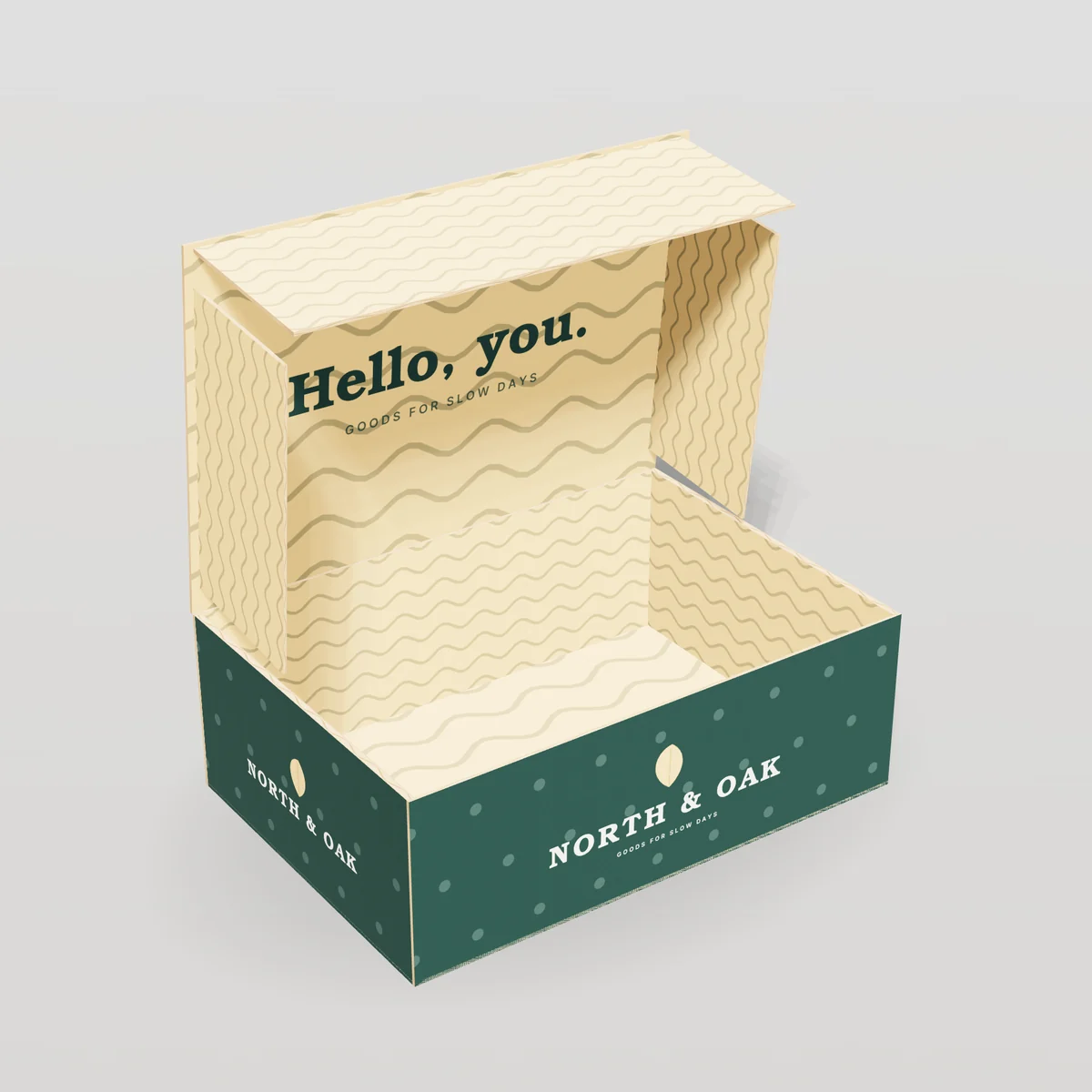 Box StylesMailer BoxesSelf-locking corrugated mailers printed inside and out. The go-to box for DTC brands and subscriptions.
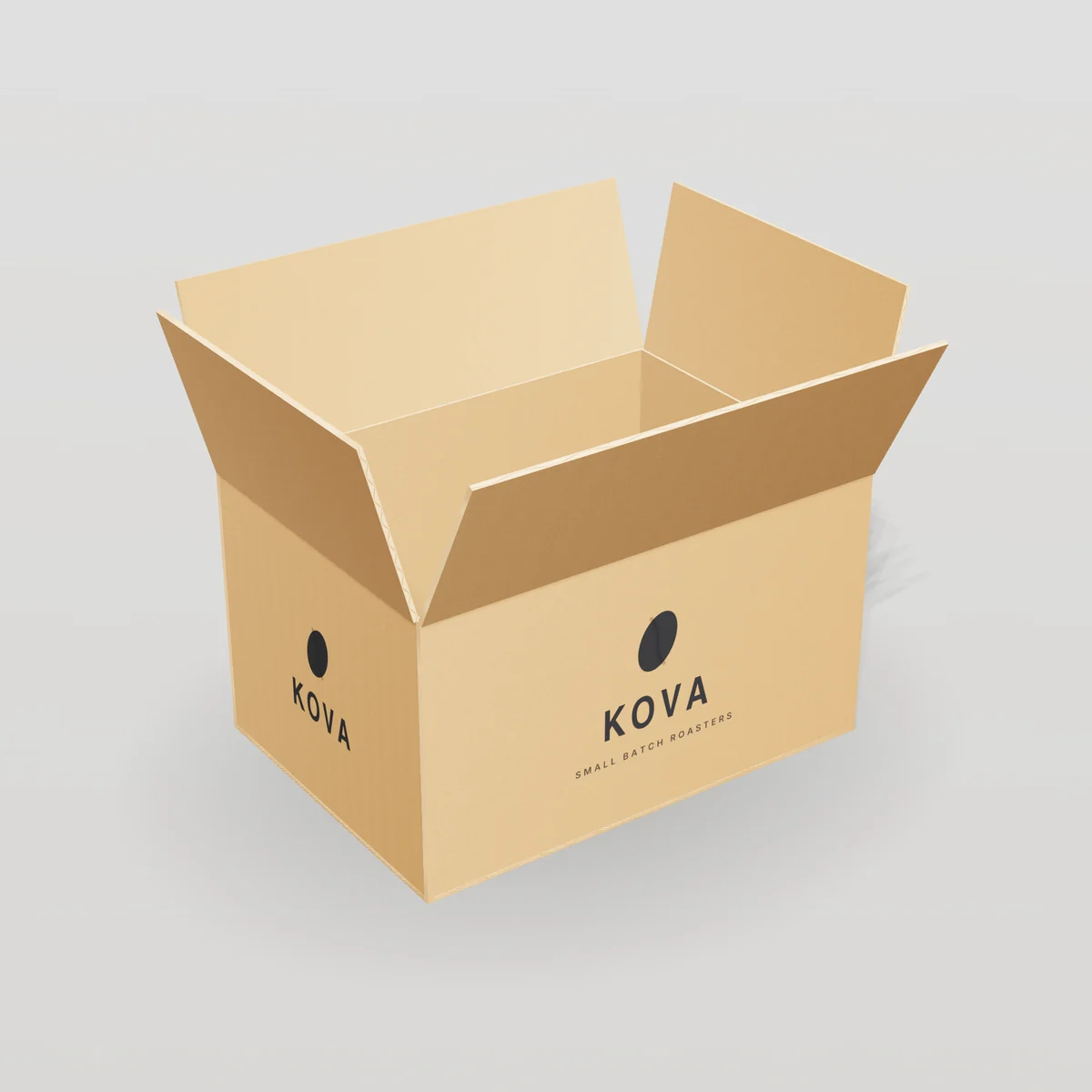 Box StylesShipping BoxesPrinted corrugated regular slotted cartons (RSC) for e-commerce, wholesale and freight.
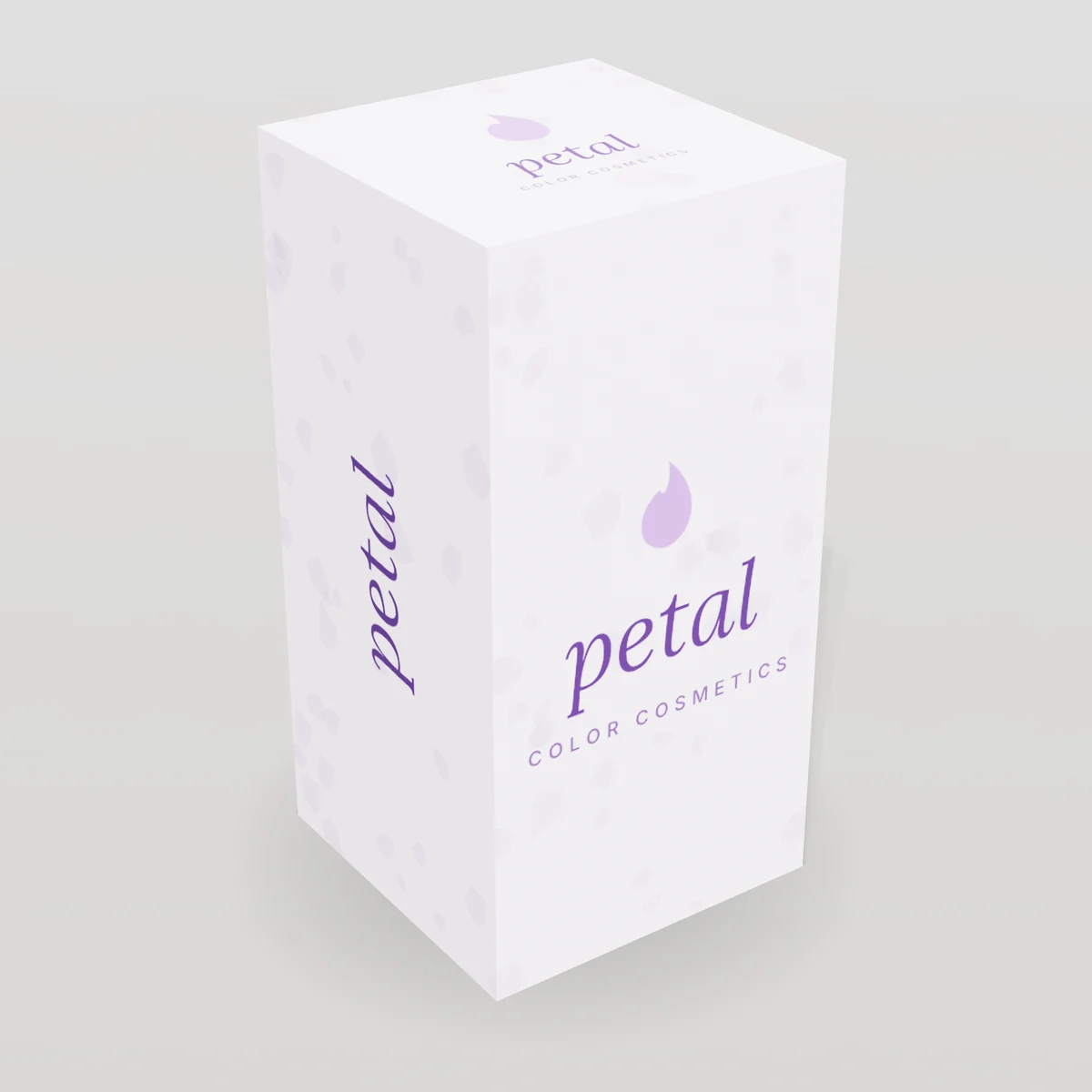 Box StylesFolding CartonsLightweight printed paperboard cartons that ship flat and fold up fast on your packing line.
 Box StylesRigid BoxesLuxury setup boxes made from thick greyboard wrapped in printed or specialty paper.