Key takeaways
- Most cosmetics ship in a primary container plus a printed paperboard carton.
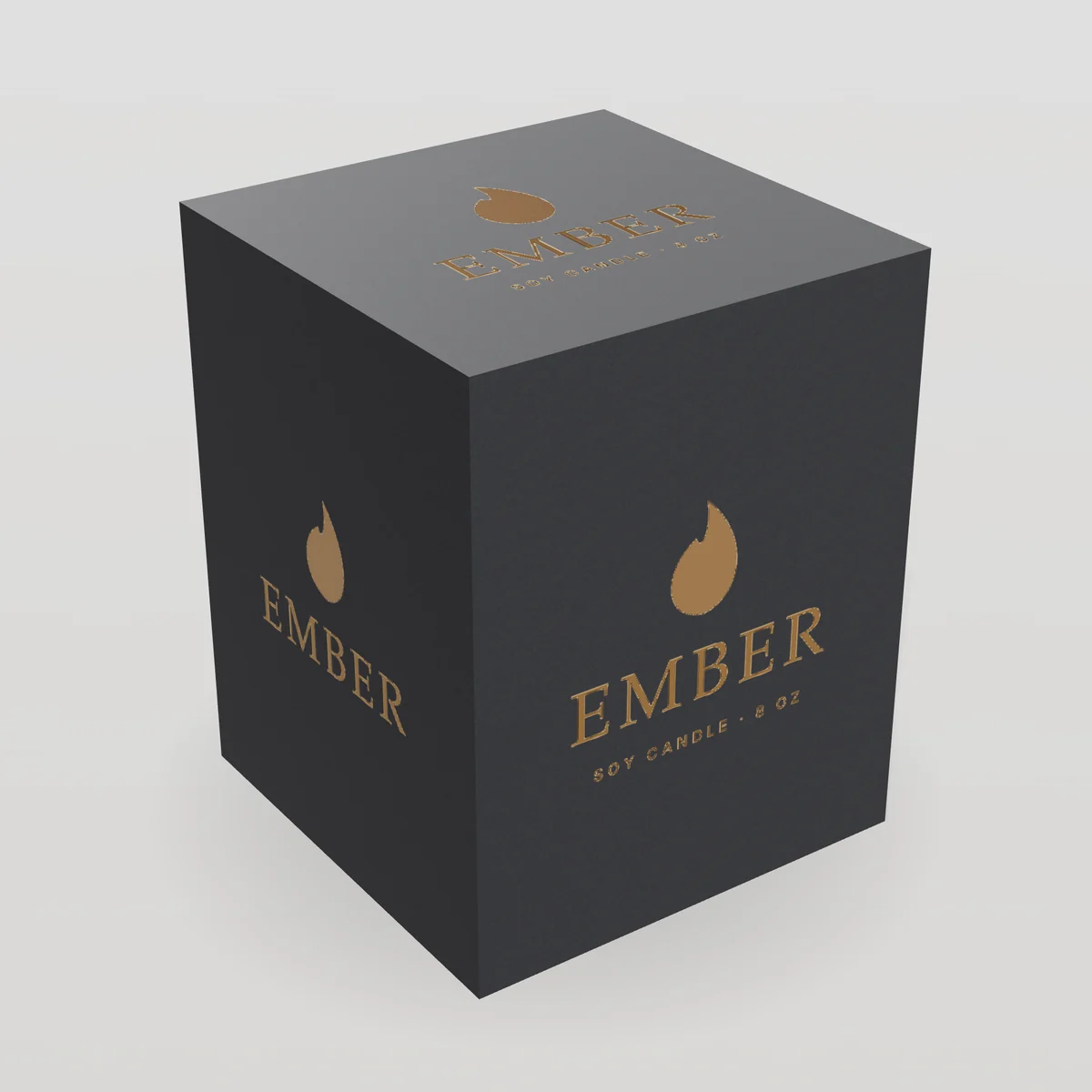
- SBS board with soft-touch, foil or spot UV is the classic premium combination.
- US cosmetic labels need identity, net quantity, ingredients and responsible-party details.
- Size the carton to the container with a small tolerance so it does not rattle or bulge.
Why cosmetic packaging works so hard
In beauty, packaging is often the first product experience. Before a customer feels the texture of a cream or smells a fragrance, they judge the carton: its color, its weight, how the lid opens, how the surface feels under their fingers. Packaging communicates price, quality, ingredients and brand personality in a few seconds, on a crowded shelf or a small phone screen.
It also has serious practical jobs: protecting the formula from light, air and contamination; carrying label information required in the US; surviving shipping; and, increasingly, meeting customer expectations on sustainability.
This guide covers the packaging formats used for cosmetics, skincare and fragrance; how to choose cartons, materials and finishes; typical sizes; US labeling basics; design ideas; and how to ship beauty products safely.

Primary and secondary packaging in beauty
Cosmetic packaging usually has two layers:
- Primary packaging holds the formula: bottles, jars, tubes, droppers, pumps, airless dispensers, compacts, lipstick bullets and pencils. It must be compatible with the formula and protect it from contamination, light and oxygen.
- Secondary packaging is the printed carton or box around it: tuck end cartons, rigid boxes, sleeves and sets. It carries most of the branding and label information, protects the container and makes the product look complete on a shelf.
Some products, such as tubes or jars sold at lower price points, skip the carton and put all label information on the container. Premium and prestige products almost always use a carton.
For an overview of packaging levels and formats, see our guide to types of packaging.
Carton and box styles for cosmetics
Tuck end cartons
The standard for skincare, makeup and fragrance: a paperboard carton that opens on a tuck flap. Straight tuck (both flaps on the same side) and reverse tuck (flaps on opposite sides) are both common. They are economical, print superbly and come in any size. See tuck end boxes.
Auto-lock bottom cartons
For heavier glass jars and bottles, a pre-glued crash-lock bottom adds support and speeds packing. See auto-lock bottom boxes.
Rigid boxes
Thick greyboard wrapped in printed or textured paper, used for prestige skincare, fragrance and gift sets. Lid-and-base, shoulder-neck and book-style boxes are popular. See rigid boxes and two-piece boxes.
Magnetic closure boxes
Rigid boxes with a magnetic flap, often used for sets, PR kits and limited editions. Customers frequently keep them. See magnetic closure boxes.
Sleeve and drawer boxes
A tray that slides out of a sleeve creates a reveal. Sleeves can also wrap a single carton for limited editions without reprinting the base carton. See sleeve boxes.
Window boxes
A die-cut window shows a product's color or texture, popular for soaps, bath products and makeup palettes. See window boxes.
Display boxes
Counter displays for lip balm, minis, nail polish and samples, often shipped closed and opened at the point of sale. See display boxes.
Mailer boxes for e-commerce and PR
Printed corrugated mailers with inserts for sets, subscriptions and influencer kits. See mailer boxes.
Typical cosmetic carton sizes
Container sizes vary by supplier, so measure your own with caps and pumps. These are starting points for snug cartons (inside L × W × H, in; tuck cartons open on the small end):
| Product | Typical container | Carton inside (in) |
|---|---|---|
| Lipstick | Bullet case about 0.8 × 0.8 × 3.3 | 0.9 × 0.9 × 3.5 |
| Lip gloss / mascara | Tube about 0.7 Ø × 4.8–5.5 | 0.8 × 0.8 × 5.75 |
| Nail polish (15 ml) | Bottle about 1.25 × 1 × 3 | 1.4 × 1.1 × 3.2 |
| Serum, 30 ml dropper | Bottle about 1.4 Ø × 4.3 | 1.5 × 1.5 × 4.5 |
| Cream jar, 50 ml | Jar about 2.4 Ø × 1.9 | 2.5 × 2.5 × 2 |
| Tube, 100 ml | About 2 × 1.2 × 6.3 (crimp end) | 2.1 × 1.3 × 6.5 |
| Pump bottle, 50 ml | About 1.6 Ø × 5.2 | 1.75 × 1.75 × 5.4 |
| Perfume, 50 ml | Bottle about 2.4 × 1.6 × 4.6 with cap | 2.5 × 1.75 × 5 |
| Compact / palette | About 3 × 3 × 0.6 | 3.1 × 3.1 × 0.7 |
| Bar soap (4 oz) | About 3.4 × 2.4 × 1.1 | 3.5 × 2.5 × 1.25 |
Leave about 1/16 in clearance per dimension for a snug carton; more if you add an insert or a neck collar. Our guide to measuring box dimensions explains the L × W × H order for tuck cartons, where the opening is the small end.
| Quantity | Est. unit price | Est. total | Saving vs. first tier |
|---|---|---|---|
| 250 | $0.88 | $219 | — |
| 500 | $0.50 | $251 | −43% |
| 1,000 | $0.31 | $312 | −65% |
| 2,500 | $0.19 | $481 | −78% |
| 5,000 | $0.15 | $748 | −83% |
| 10,000 | $0.13 | $1,262 | −85% |
Estimates from our published pricing model, full-color print, no finishes, delivered to the contiguous US. Your written quote confirms the exact price. Get an exact quote →
Choosing materials
SBS paperboard
Solid bleached sulfate (SBS) is the default for cosmetic cartons: bright white throughout, smooth, excellent for fine print, metallic inks and finishes. Typical calipers: 16–24 pt. See SBS paperboard.
Kraft paperboard
Brown kraft board suits natural, clean and minimal brands. Prints well in one or two colors, often with white ink. See kraft paperboard.
Recycled paperboard
Coated recycled board is economical and supports recycled-content claims when the content is documented. See recycled paperboard.
Rigid greyboard
For prestige boxes: 1.5–2.5 mm greyboard wrapped in art paper, textured paper or specialty stocks. See rigid chipboard.
Metallized and specialty boards
Metallized board gives an all-over metallic look that can be printed over with white and colors. Textured, uncoated and colored stocks give tactile effects. These cost more and may affect recyclability; ask about alternatives.
For a deeper comparison, see the packaging materials guide.
Finishes that work in beauty
Beauty packaging is touched as much as seen, so finishes matter. Popular choices:
- Soft-touch lamination: a velvety, matte feel that says premium. See soft-touch lamination.
- Foil stamping: metallic gold, silver, rose gold or holographic accents for logos and product names. See foil stamping.
- Embossing and debossing: raised or pressed logos that invite touch. See embossing and debossing.
- Spot UV: a glossy highlight on a matte background for logos and patterns. See spot UV.
- Matte or gloss aqueous coating: protection against scuffs, economical for everyday products.
A classic premium combination is SBS + soft-touch + foil logo, or soft-touch + spot UV pattern. Use one or two effects, not five. See the packaging finishes guide.
US cosmetic labeling basics
Cosmetic labeling in the US is overseen by the FDA under the Federal Food, Drug, and Cosmetic Act and the Fair Packaging and Labeling Act, with additional requirements from the Modernization of Cosmetics Regulation Act of 2022 (MoCRA). The overview below is educational. Confirm your labels with a regulatory professional, especially for products that may be drugs.
Principal display panel (front)
- Statement of identity: what the product is, for example "Hydrating face serum".
- Net quantity of contents: in US and metric units, for example "1 fl oz (30 mL)", in the bottom third of the panel.
Information panel (side or back)
- Ingredient declaration: listed by common or usual name in descending order of predominance, with some exceptions (for example, ingredients at 1% or less may follow in any order, and color additives have their own rules).
- Name and place of business of the manufacturer, packer or distributor, with a qualifying phrase such as "Distributed by" when it is not the manufacturer.
- Warning and caution statements where required, for example for aerosols or certain product types.
- Contact for adverse event reports: under MoCRA, cosmetic labels must include a domestic US address, domestic phone number or electronic contact information (such as a website) through which the responsible person can receive adverse event reports.
When the carton and the container both need labels
If a product has an outer carton, the required information typically appears on the carton, and the container also needs key information such as identity and responsible party. Small containers may qualify for alternative placements in some cases.
Cosmetics that are also drugs
Products that claim to treat or prevent disease or affect the structure or function of the body may be regulated as drugs, for example sunscreens, antiperspirants, anti-dandruff shampoos and acne treatments. These need a Drug Facts panel and follow OTC drug rules. Claims on the packaging can change how a product is classified, so review them carefully.
Claims
Claims like "clean", "non-toxic", "natural", "organic", "dermatologist tested" or "recyclable" must be truthful and substantiated. "Organic" claims may involve USDA National Organic Program rules. Environmental claims should follow the FTC Green Guides; read our guide to biodegradable vs compostable vs recyclable packaging.
Our US labeling and compliance guide covers cosmetics alongside food, supplements and CBD.
Design ideas for cosmetic packaging
Build a clear hierarchy
Brand, product name and key benefit should be readable in that order at arm's length. Beauty shoppers scan quickly; the product type must be obvious.
Use color to code a range
A consistent layout with a different color per product, skin type or collection makes a range easy to navigate on a shelf and on a product page.
Design for the phone screen
Most beauty discovery happens online. Make sure the carton reads well as a small thumbnail: strong contrast, a simple shape and a product name that is still legible.
Minimal does not mean plain
Many prestige brands use white or neutral cartons with one premium finish and generous space. The finish carries the luxury.
Print inside the carton
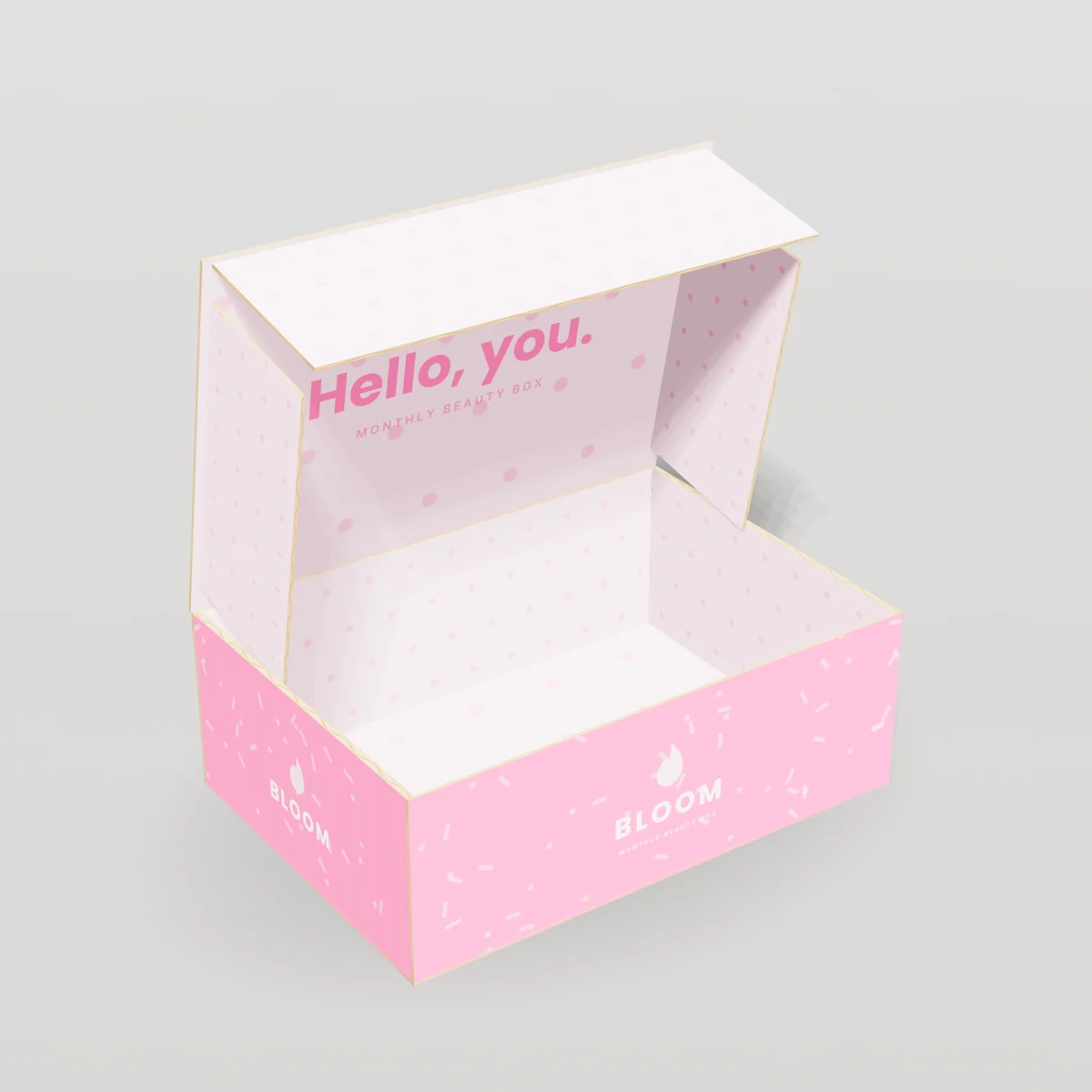
A message, a pattern or usage instructions inside the carton or mailer adds a moment when the product is opened. See interior printing.
Think about the routine
A skincare set packaged in the order of use ("Step 1, Step 2, Step 3"), with a card explaining the routine, helps customers succeed with the product and come back.
Accessibility
Use legible type sizes, strong contrast and, where possible, tactile cues. Some brands add braille or raised elements for key products.
Our unboxing and brand design guide covers hierarchy, color and typography in depth.
Inserts and sets
Gift sets, PR kits and multi-product routines need inserts that hold each item securely:
- Paperboard die-cut inserts: neat and recyclable, for cartons and mailers.
- Corrugated inserts: stronger, for e-commerce sets with glass.
- Rigid inserts wrapped in paper or fabric: for prestige sets in rigid or magnetic boxes.
- Molded pulp: paper-based cushioning formed to the product.
See custom inserts.
Shipping cosmetics safely
- Seal closures: tape or shrink-band pumps, droppers and caps, or use a lockable pump.
- Bag liquids: add a sealed bag around liquids and oils if a leak would damage other items.
- Hold items still: use cartons and inserts so glass cannot move.
- Cushion and right-size: a mailer with an insert or a shipper with fill; no excess space.
- Check aerosol and flammable rules: perfumes and aerosols may be regulated as hazardous materials for shipping. Check each carrier's rules for limited quantities.
- Plan for temperature: some formulas are sensitive to heat or freezing.
Read the full guide on how to ship fragile items.
Sustainable cosmetic packaging
Beauty generates a lot of packaging, and customers notice. Practical steps:
- Right-size cartons to the container; avoid deep false bottoms.
- Use paper-based inserts instead of plastic trays where possible.
- Choose recycled-content or FSC-certified board and claim it accurately.
- Limit plastic laminations and metallized boards on everyday products; save them for prestige lines.
- Consider refills: a refill pouch or cartridge in simpler packaging.
- Design for separation: make it easy to separate paper, glass and plastic components.
See the sustainable packaging guide for more ideas and claim guidance.
Cosmetic packaging costs
Cost depends on size, quantity, board, print and finishes. As a rough ranking per unit:
- Labels on stock containers.
- Printed SBS tuck cartons with aqueous coating.
- Cartons with soft-touch, foil or spot UV.
- Printed mailers with inserts for sets.
- Rigid and magnetic boxes with inserts.
Finishes like foil and embossing need a die, a one-time cost that spreads across the run, so they get cheaper per unit as quantity grows. Use the packaging cost calculator for instant estimates, or read the custom packaging cost guide.
Cosmetic packaging checklist
- Container measured with cap or pump; carton sized with a small tolerance.
- Board chosen for the brand and the weight of the container.
- One or two finishes, applied with purpose.
- Identity and net quantity on the front panel.
- Ingredients, responsible party and adverse event contact on the information panel.
- Claims reviewed for accuracy and classification (cosmetic vs drug).
- Insert or set tray for multi-product kits.
- Shipping plan for glass, liquids and aerosols.
- Proof checked on a physical or 3D sample before production.
Summary
Cosmetic packaging must protect the formula, communicate the brand in seconds and carry required label information. Most products use a primary container and a printed paperboard carton; prestige lines move to rigid or magnetic boxes. Choose SBS or kraft board, add one or two finishes, size the carton precisely and check your labels against FDA and MoCRA requirements. Design for the shelf, the phone screen and the moment of opening.
Ready to design cosmetic cartons? Send us your container sizes and we will return pricing, a dieline and a free 3D proof.
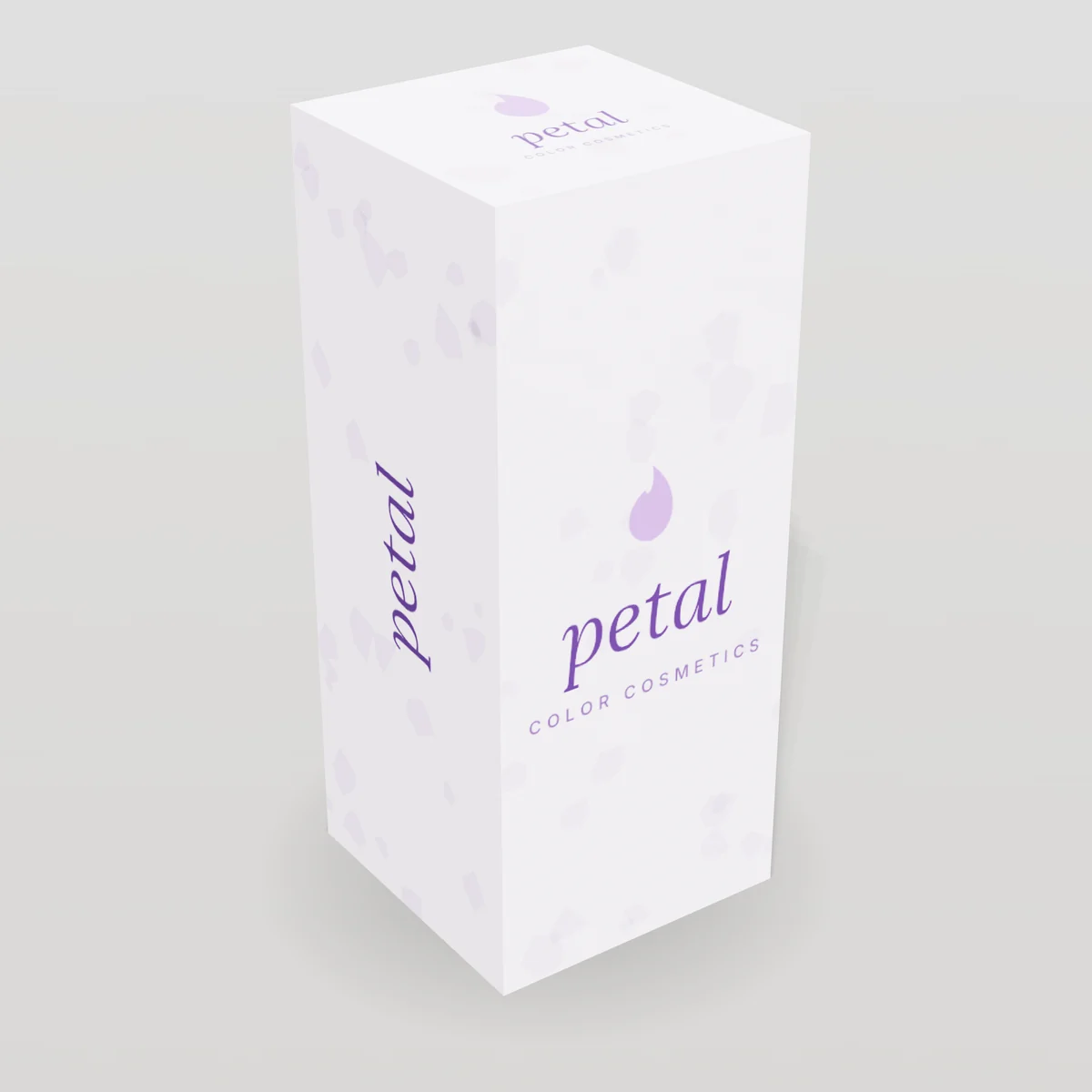 IndustriesCosmetic BoxesMakeup and beauty cartons with premium finishes and compliant label space.
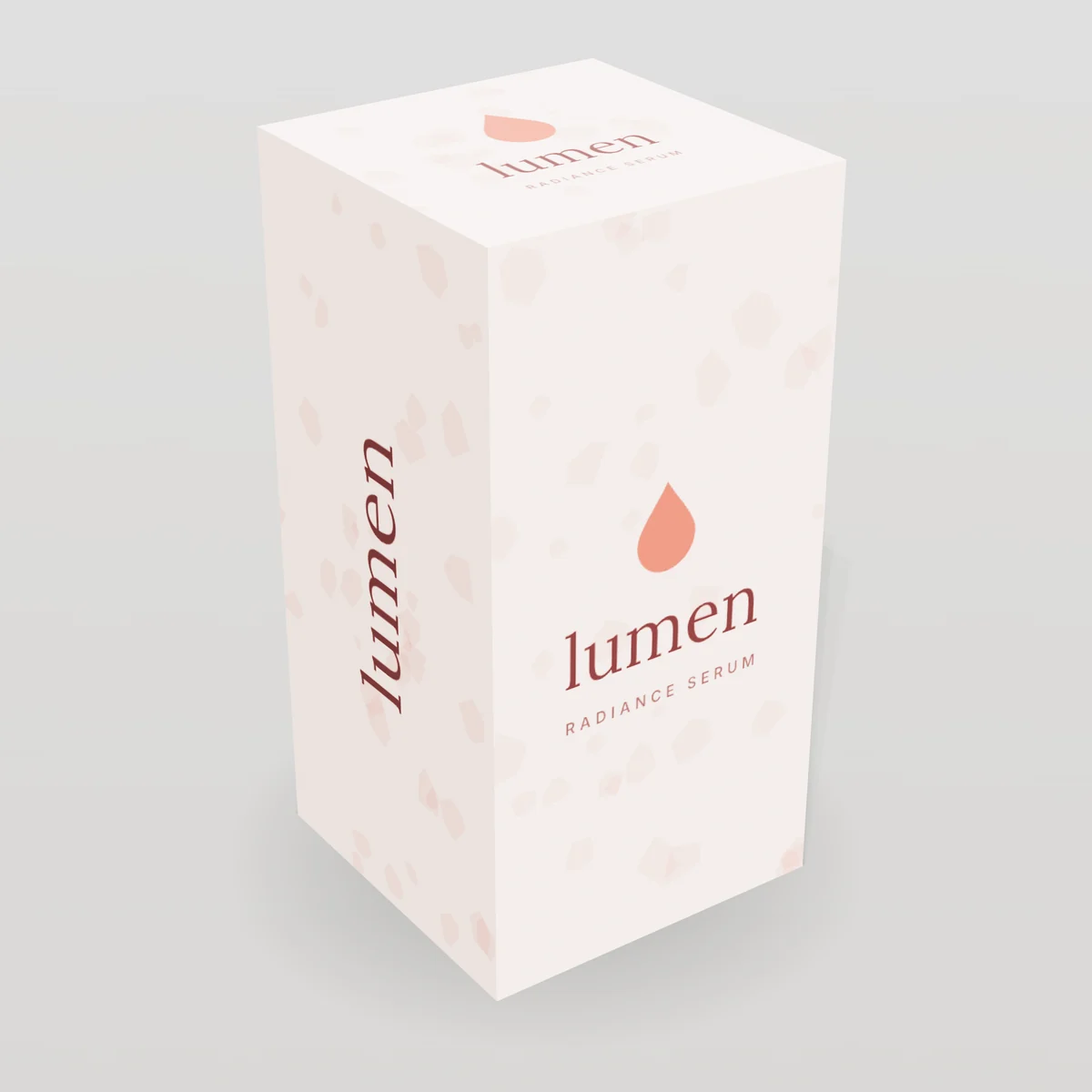 IndustriesSkincare BoxesCartons for serums, creams and sets, sized to bottles and jars with protective inserts.
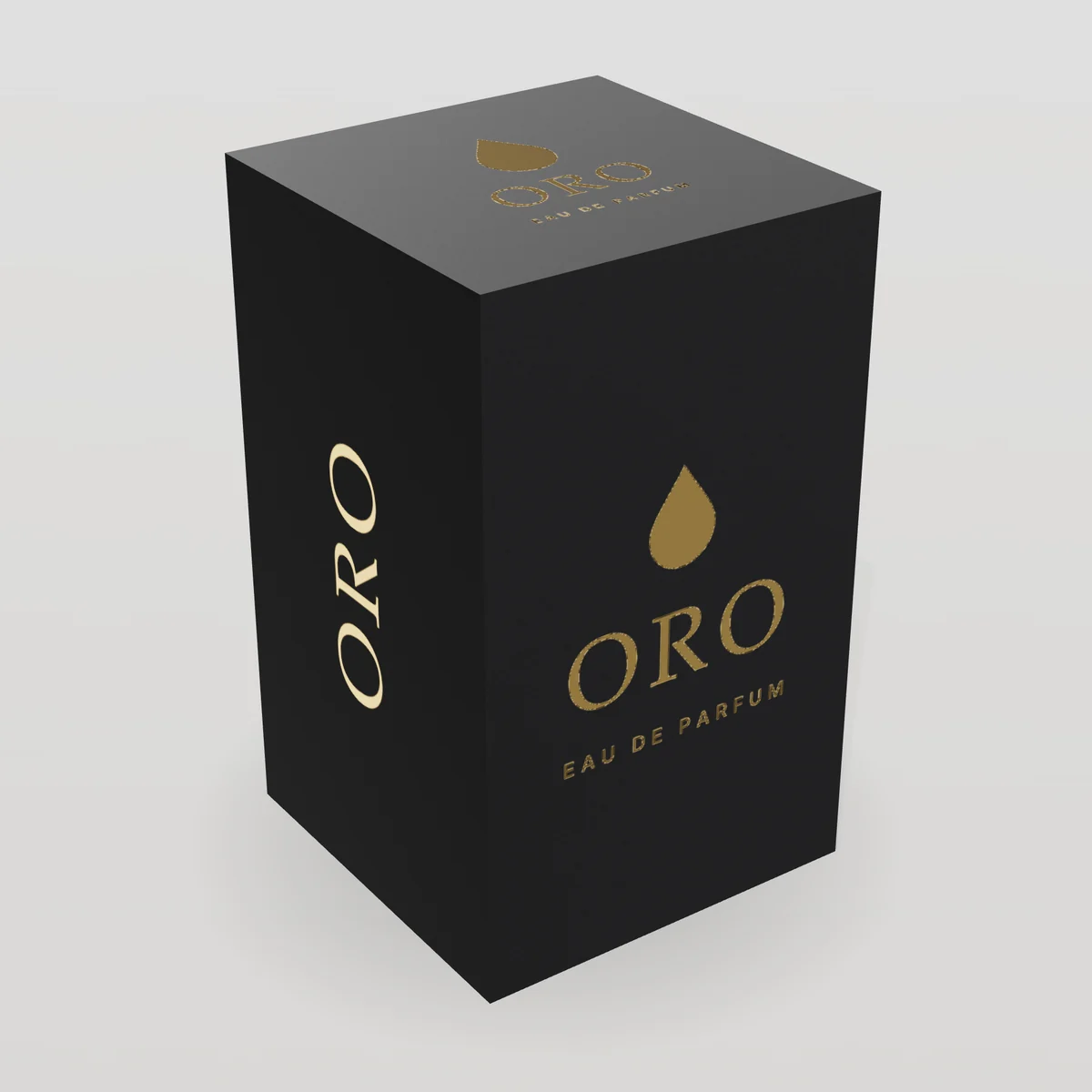 IndustriesPerfume BoxesFragrance cartons and rigid presentation boxes with inserts that cradle the bottle.
 GuideLabeling & compliance (US)What US packaging typically must show for food, cosmetics, dietary supplements and hemp/CBD products: net quantity, ingredients, food contact, Prop 65 and more.
Sources and further reading
Official and standards-body pages we used for this guide. Rules and standards are updated from time to time, so check the current version before you rely on them.
- FDA Cosmetics Labeling Guide: panel layout, ingredient lists and required statements.
- FDA: Modernization of Cosmetics Regulation Act of 2022 (MoCRA): registration, listing and label contact requirements.
- FTC Green Guides (16 CFR Part 260): how US regulators interpret environmental claims such as recyclable and compostable.
- California Proposition 65: information for businesses: when a warning label may be needed in California.
Key terms on this page
- Carton
- A box made from paperboard, usually a folding carton. In shipping, "carton" can also mean a corrugated case.
- Lid
- The top part of a box, hinged or separate.
- Paperboard
- Thick paper (usually 0.010 inch or more) used for folding cartons, such as SBS, kraft and recycled board.
- Secondary packaging
- Packaging that groups primary packages, such as a shipping box or display.
- Primary packaging
- The package that directly holds the product, such as a jar or carton.
- Tuck flap
- A flap that folds over the opening of a box and tucks inside to close it.
- Auto-lock bottom
- A pre-glued carton base, also called a crash-lock bottom, that locks into place automatically when the flattened box is opened. Stronger and faster to pack than a tuck bottom.
- Crash-lock bottom
- Another name for an auto-lock bottom: a pre-glued base that pops into place when the carton is opened.
- Greyboard
- Thick, dense recycled board used as the structural core of rigid boxes, usually 1.2 to 3 mm thick.
- Sleeve
- An open-ended band or tube that slides over a tray or box, often printed to brand plain packaging.
- Tray
- An open-topped box base, often used with a sleeve or lid.
- Wrap
- The printed or specialty paper glued around the board of a rigid box or tube.
- Point (pt)
- The unit of paperboard thickness: 1 point equals 0.001 inch. 18pt board is 0.018 inch thick.
- Insert
- A component inside a box that holds products in place, such as die-cut paperboard, corrugated, foam or molded pulp.
- Tuck end box
- A paperboard carton that closes with tuck flaps at its ends.
- SBS (solid bleached sulfate)
- Premium paperboard made from bleached virgin fiber, bright white throughout, with the best print and finish quality.
- Kraft
- Paper or board made from unbleached wood pulp, naturally brown and strong.
- Kraft paperboard
- Unbleached paperboard with a natural brown surface, used for eco-minded and artisan packaging.
- Board
- A general term for thick paper materials used in packaging, including paperboard, corrugated board and greyboard.
- Coated recycled board (CRB)
- Paperboard made from recycled fiber with a white clay-coated printing face and a grey back. Economical and widely used for food and household cartons.
- Chipboard
- A dense, usually recycled board. Thin chipboard is used for backing cards; thick chipboard (greyboard) forms the core of rigid boxes.
- Soft-touch lamination
- A film with a velvety, matte texture that makes packaging feel premium and resists fingerprints.
- Lamination
- Bonding a thin film (matte, gloss or soft-touch) or paper to board for protection and finish.
- Foil stamping
- Applying metallic or pigmented foil to packaging with heat and pressure using a metal die.
More definitions in our packaging glossary.
Discussed on Quora & X
Frequently asked questions
What is the best packaging for cosmetics?
Most cosmetics use a primary container (bottle, jar or tube) inside a printed paperboard tuck end carton, usually SBS board with a coating or lamination. Prestige products often use rigid or magnetic boxes.
What material is used for cosmetic boxes?
Usually SBS (solid bleached sulfate) paperboard for its bright white surface and fine print quality. Kraft and recycled paperboard suit natural and value brands, and rigid greyboard is used for luxury boxes.
What must be on a cosmetic label in the US?
Typically the statement of identity and net quantity on the front panel, plus the ingredient list, the name and place of business of the manufacturer or distributor, any required warnings and, under MoCRA, contact information for adverse event reports. Confirm details with a regulatory professional.
Do cosmetics need a box?
Not always. Many products sell with all labeling on the container. A carton adds protection, space for information and a premium presentation, and is standard for prestige skincare and fragrance.
What size box do I need for a 30 ml dropper bottle?
A typical 30 ml dropper bottle of about 1.4 inches in diameter and 4.3 inches tall fits a carton of about 1.5 × 1.5 × 4.5 inches inside. Measure your bottle with the dropper fitted.
Which finishes make cosmetic packaging look premium?
Soft-touch lamination, foil stamping, embossing and spot UV. One or two effects applied to the logo or product name usually look more premium than many finishes combined.
How do I ship cosmetics without leaks?
Seal pumps and droppers with tape or shrink bands, bag liquids, hold items still in cartons or inserts, cushion them and check carrier rules for aerosols and fragrances.
Is cosmetic packaging recyclable?
Paperboard cartons are widely recyclable in the US when they are not heavily laminated. Mixed-material components such as pumps, metallized boards and plastic trays are harder to recycle, so designing for easy separation helps.
Related products & pages
IndustriesCosmetic BoxesMakeup and beauty cartons with premium finishes and compliant label space.
IndustriesSkincare BoxesCartons for serums, creams and sets, sized to bottles and jars with protective inserts.
IndustriesPerfume BoxesFragrance cartons and rigid presentation boxes with inserts that cradle the bottle.
 Finishes & Add-onsSoft-Touch LaminationA velvety, matte film that makes boxes feel expensive and resist scuffs.