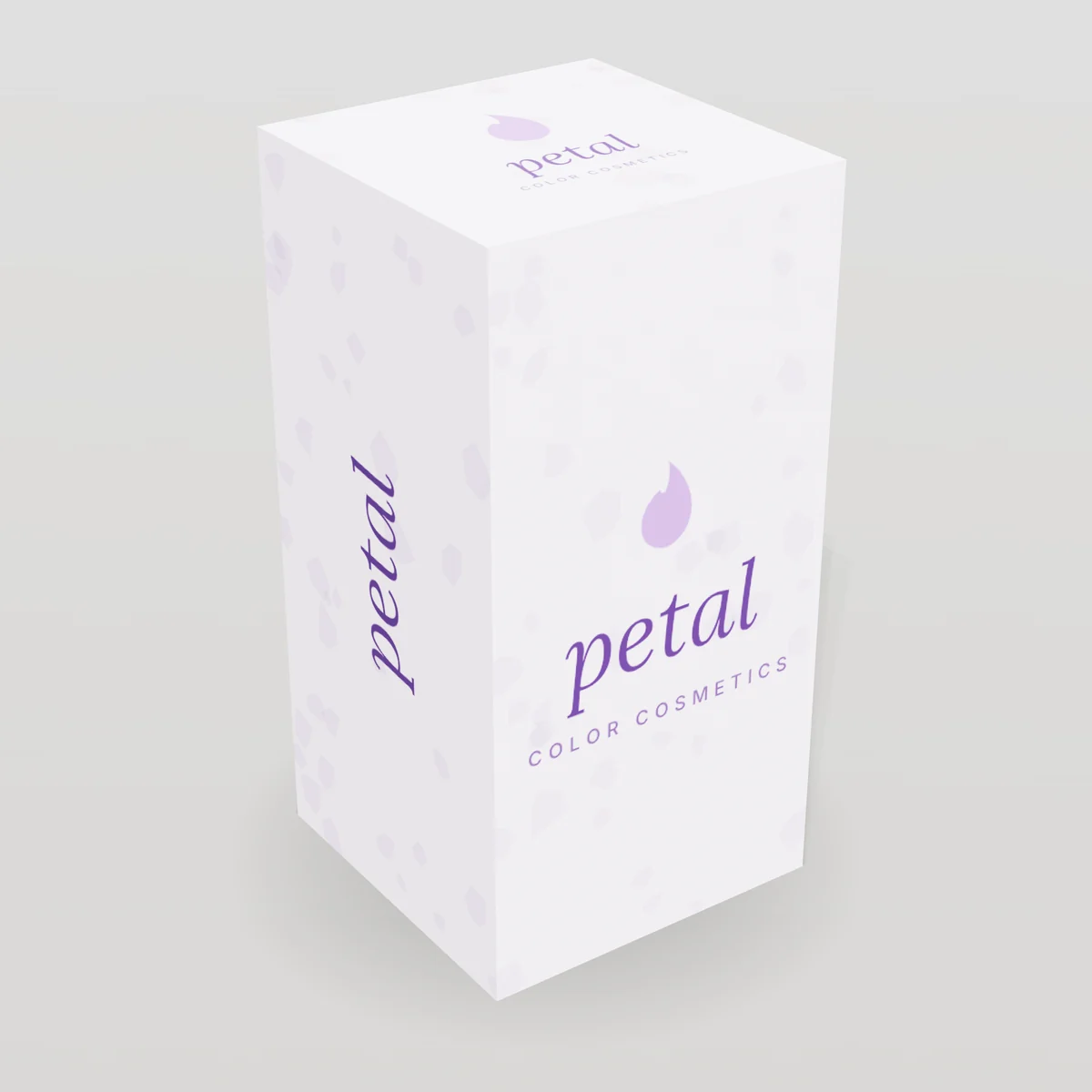
Quick answer
Bright white premium paperboard (14–24pt) for cosmetics, pharma and retail cartons. Typical turnaround is 10–14 business days after proof approval.
What is SBS paperboard?
Solid bleached sulfate (SBS) is a premium paperboard made from bleached virgin wood pulp produced by the kraft (sulfate) chemical pulping process. "Solid" means the board is bleached through its full thickness, so it is white inside and out. It is usually coated with a smooth clay layer on one side (C1S) or both sides (C2S) for an exceptional printing surface.
SBS is the board behind most premium folding cartons: cosmetics, fragrance, pharmaceuticals, premium food, confectionery and electronics accessories. When packaging needs crisp detail, vivid color, clean folds and flawless finishes, SBS is the default choice.

Properties of SBS
| Property | What it means for your packaging |
|---|---|
| Brightness and whiteness | Colors look vivid and true; whites look clean |
| Smooth coated surface | Sharp text, fine lines and high-resolution images |
| Strength and stiffness | Holds shape well for its thickness |
| Clean folds | Minimal cracking, especially with proper grain direction |
| Purity | Virgin fiber with consistent quality; suitable for many food-contact applications when specified |
| Finish compatibility | Excellent for foil, embossing, spot UV and laminations |
Caliper (thickness)
Paperboard thickness is measured in points (pt), where 1 pt = 0.001 inch.
| Caliper | Use |
|---|---|
| 12–14pt | Inserts, sleeves, very light cartons |
| 16pt | Small cosmetics, lipstick, tea |
| 18pt | The standard for most cartons |
| 20pt | Larger cartons and heavier products |
| 24pt | Premium feel, large or heavy cartons, rigid-feeling boxes |
SBS vs. other paperboards
| Board | Look | Print quality | Cost | Best for |
|---|---|---|---|---|
| SBS | Bright white both sides | Excellent | Highest of the three | Premium retail, cosmetics, pharma |
| CUK / kraft | Brown back, white or brown face | Good | Medium | Natural brands, strength |
| CRB (recycled) | White face, grey back | Very good | Lowest | Food, household, value |
See kraft paperboard and recycled paperboard.
Printing on SBS
SBS prints beautifully with both offset and digital presses:
- CMYK process color for photography and gradients
- Pantone spot colors for exact brand matching
- Metallic and fluorescent inks for special effects
- Fine type down to about 5–6 pt in clean fonts
Because SBS is white throughout, the inside of a carton is also bright and printable, making inside printing especially effective.
Finishes on SBS
SBS is the ideal base for finishes:
- Foil stamping with crisp edges
- Embossing and debossing with clean relief (18pt+ recommended)
- Spot UV over matte or soft-touch lamination
- Soft-touch lamination
- Window patching

Food contact
Because SBS is made from virgin fiber, it is commonly used for food packaging. Whether a specific board, coating and ink combination is suitable for direct food contact depends on the full specification and FDA food-contact regulations. Tell us if your product contacts the board directly.
Sustainability
SBS is made from renewable wood fiber and is recyclable in most US curbside programs. It is virgin fiber, so it does not carry recycled content, but it is often sourced from certified forests. If you want to make FSC claims, you need FSC-certified board and a license to use the label. For the lowest environmental footprint, right-size cartons and keep laminations and foils modest.
How SBS paperboard is made
SBS starts as wood chips, usually from softwood and hardwood trees. The chips are cooked in the kraft (sulfate) process, which dissolves lignin, the natural glue that binds wood fibers, and leaves strong cellulose fibers. That pulp is then bleached to remove remaining color, producing the bright white fiber that gives SBS its name.
On the board machine, the pulp is spread in one or more layers on a moving wire, pressed and dried into a continuous web. A coating of fine minerals (typically clay and calcium carbonate with binders) is applied to the printing side and calendered (polished between rollers) for a smooth, bright surface. The board is wound into large reels and later sheeted for printing.
Three manufacturing choices shape the board you receive:
- Single-ply vs. multi-ply: multi-ply forming allows different fibers in each layer for better stiffness and surface.
- C1S vs. C2S: coated one side (the outside of the carton) or coated both sides (for printing inside and out with equal quality).
- Calendering: more calendering gives a smoother surface but slightly reduces bulk (thickness for the same weight).
SBS vs. FBB (folding boxboard)
Outside the US, folding boxboard (FBB) is a common premium board. FBB has a middle layer of mechanical pulp sandwiched between bleached chemical pulp layers, which makes it bulkier and stiffer for its weight but less uniformly white through the thickness. In the US market, SBS is the traditional premium choice; FBB grades are also available and sometimes specified for stiffness at lower weight.
| Property | SBS | FBB |
|---|---|---|
| Fiber | Bleached chemical pulp throughout | Chemical pulp outer layers, mechanical pulp middle |
| Color through thickness | White | Creamy or yellowish middle layer |
| Stiffness for weight | Good | Higher |
| Purity for food | Excellent | Good, depending on grade |
| Typical market | US premium cartons | Europe and international |
For most brands the practical difference is small. We choose the board that delivers your print quality, stiffness and compliance needs at the best price, and specify it clearly in your quote.
Choosing the right caliper for your product
Caliper choice balances stiffness, product weight, carton size and feel. Thin board on a heavy or large carton will bulge and crush on the shelf; thick board on a small carton can crack at folds and look bulky.
| Product weight | Carton size (largest panel) | Suggested SBS caliper |
|---|---|---|
| Under 4 oz | Under 3 in | 14–16pt |
| 4–8 oz | 3–5 in | 16–18pt |
| 8 oz–1 lb | 4–7 in | 18–20pt |
| 1–2 lb | 6–9 in | 20–24pt |
| Over 2 lb | Any | 24pt with auto-lock bottom, or corrugated |
These are starting points. Glass jars, liquids and sharp-edged products may need a step up, or an auto-lock bottom for a stronger base. Products heavier than a couple of pounds usually belong in E-flute corrugated rather than paperboard.
Grain direction and folding
Paperboard has a grain direction: fibers line up along the direction the board travels on the machine. Board is stiffer along the grain and folds more cleanly across it. Box makers orient the grain so that:
- The main panels resist bowing on the shelf (grain usually runs around the carton)
- Folds crack less, especially through heavy ink or lamination
- Tuck flaps spring closed and hold
This is one of the reasons we always supply a production dieline for your exact board. If you design on a generic template and the grain is wrong, cartons may bulge or crack at folds.
Fold cracking
When board folds, the outer surface stretches. Heavy ink coverage, dark solid colors and laminations make cracking more visible as white lines along the fold. To reduce it:
- Use proper creasing (crease rules matched to caliper)
- Avoid very heavy ink on fold lines, or choose a lighter design across folds
- Consider soft-touch or matte lamination, which stretch rather than crack
- Ask for C2S board when inside printing crosses folds
SBS for regulated and sensitive products
SBS is common in categories where hygiene, purity and consistent quality matter:
- Cosmetics and skincare: bright color reproduction for shades and branding; see cosmetic boxes and skincare boxes
- Fragrance: premium finishes and rigid-feeling 24pt cartons; see perfume boxes
- Supplements and OTC products: crisp small type for facts panels; see supplement boxes
- Confectionery and premium food: food-contact grades; see chocolate boxes
- Candles: clean white cartons that show color accurately; see candle boxes
For products with required labeling, the smooth surface of SBS makes small but legible type practical. Plan required information early; our labeling guide explains common US requirements.
Barrier and functional coatings
Standard SBS is not a moisture or grease barrier. For specific products, functional coatings can be added:
| Need | Typical solution |
|---|---|
| Grease resistance (chocolate, baked goods) | Grease-resistant coating or barrier board |
| Moisture resistance (refrigerated, humid) | Aqueous barrier coating or poly-coated board |
| Scuff resistance (shipping inside another box) | Aqueous coating, varnish or lamination |
| Product visibility | Window patching |
Plastic-coated boards are harder to recycle in some facilities. When a barrier is needed, we look first at aqueous coatings and paper-based solutions.
Specification checklist for SBS cartons
- [ ] Style: reverse tuck, straight tuck, auto-lock bottom, sleeve, display or custom
- [ ] Inside dimensions (L × W × H, where L × W is the opening for tuck ends)
- [ ] Caliper: 16pt, 18pt, 20pt or 24pt
- [ ] Coating: C1S or C2S (if printing inside)
- [ ] Print: CMYK, Pantone spot colors, white ink on special boards
- [ ] Finishes: lamination, spot UV, foil, emboss, window
- [ ] Food contact: yes or no
- [ ] Quantity: typically 250+ for cartons
- [ ] Packing: flat cartons, counted bundles
Worked example: a serum carton
A skincare brand sells a 1 oz glass dropper bottle (about 4 oz packed). The carton is 1.75 × 1.75 × 5 in.
- Style: reverse tuck end, the most economical carton for a light product.
- Board: 18pt SBS C1S, stiff enough for the panel size, with crisp folds.
- Print: CMYK with a Pantone brand color for the logo.
- Finish: matte lamination with a spot UV logo for a premium contrast, or soft-touch for a velvet feel.
- Insert: a simple paperboard neck insert holds the bottle upright.
- Labeling: ingredient list and net contents on side and back panels, sized for legibility.
At 1,000 to 5,000 units, a carton like this is typically one of the most cost-effective premium packaging formats available. Check current estimates in the price table on this page.
Common mistakes with SBS cartons
- Choosing too thin a board to save cost, leading to crushed corners and bulging panels.
- Dark solid colors across folds without lamination, causing visible cracking.
- Designing on a generic template that ignores grain direction and board thickness.
- Forgetting the tuck flap clearance, so the product scuffs or the tuck pops open.
- Fine type in reverse (white on dark) below about 6 pt, which can fill in.
- Ignoring how cartons ship. SBS cartons need an outer shipping box; they are not parcel-ready on their own.
How SBS compares on cost
SBS is usually the most expensive of the common paperboards per square foot, but board is often a smaller share of total carton cost than people expect. Print, finishes, conversion and setup make up much of the price, especially at lower quantities. That is why switching from SBS to recycled board can save less than expected on a short run, while it can matter on very large runs. The price table on this page shows real estimates for each SBS carton style.
Sustainability and responsible sourcing
- Renewable and recyclable: SBS is accepted in most US curbside programs alongside other paperboard.
- Certified fiber: SBS is widely available with forest certification such as FSC or SFI chain of custody. To print a certification label, the board must be certified through the supply chain and labeled under license.
- Lighter cartons: right-sizing and choosing the lowest caliper that performs well reduce material use.
- Recyclable finishes: aqueous coatings and small foil or spot UV areas generally keep cartons recyclable; full plastic laminations and plastic windows can complicate recycling in some systems.
Carton styles made from SBS
SBS can be die-cut and glued into dozens of structures. The most useful for brands:
| Style | How it works | Best for |
|---|---|---|
| Reverse tuck end | Top and bottom tucks close in opposite directions | Light products; the most economical carton |
| Straight tuck end | Both tucks close toward the back | Clean front panel; window cartons |
| Auto-lock bottom | Pre-glued base pops into place | Heavier products, fast packing |
| Seal end | Glued top and bottom flaps | Food and high-speed cartoning lines |
| Sleeve and tray | Tray slides into an open-ended sleeve | Gift sets, chocolates, premium reveals |
| Hanger box | Extended back panel with hang hole | Peg-hook retail displays |
| Display box | Tear-away lid becomes a counter display | Countertop merchandising |
| Pillow box | Curved ends close without glue | Gifts, accessories, favors |
| Window box | Die-cut window with clear film | Products that sell on sight |
Special effects on SBS
SBS's smooth, bright surface makes it the best canvas for special print effects:
| Effect | What it looks like | Notes |
|---|---|---|
| Pantone spot colors | Exact brand colors, flat and consistent | Specify coated (C) references |
| Metallic inks | Subtle shimmer | Less reflective than foil, lower cost |
| Fluorescent inks | Neon brightness beyond CMYK | Good for youth and sports brands |
| Aqueous coating | Light protection, natural feel | Keeps cartons easily recyclable |
| UV gloss or matte varnish | Protects and changes sheen | Can be applied overall or as a spot |
| Soft-touch coating | Velvety, premium feel | Shows fingerprints less on mid tones |
| Foil stamping | Mirror-bright metallic | Hot foil for crisp logos and text |
| Cold foil | Metallic that can be overprinted | Allows colored metallics in large runs |
| Embossing and debossing | Raised or pressed relief | 18pt+ recommended for depth |
| Metallized board | Entire surface is metallic | Print white ink to control where metal shows |
Combining two effects (for example soft-touch with a spot UV logo, or a foil logo with emboss) often looks more premium than using four. See the finishes guide.
Color on SBS: getting what you expect
- Proof with the right reference. Pantone colors are published for coated and uncoated stock; SBS cartons use coated (C) references.
- Expect lamination to shift color. Matte lamination softens and slightly darkens colors; gloss intensifies them. Approve proofs with the finish in mind.
- Use consistent targets. Printers manage color to industry targets (such as G7 gray balance) so reorders match. Keep your approved sample as the color standard.
- Watch large flat tints. Very light flat tints can show slight unevenness; a subtle texture or gradient can hide it.
- Rich black for large areas, 100K for small text. This gives deep blacks without registration blur on fine type.
Designing SBS cartons for retail shelves
Retail cartons have a few seconds to be noticed. Design for the shelf, not just the screen:
- Principal display panel: brand, product name and one key benefit, readable from a few feet away.
- Shelf orientation: check which panel faces out on the shelf or peg. Some retailers display cartons sideways.
- Barcode placement: on the back or bottom, away from folds and edges, with quiet zones intact.
- Shelf-ready packaging: if a retailer requires shelf-ready cases, plan the outer case and how cartons sit in it.
- Hang tabs: add a hang tab or use a hanger box for peg displays.
- Five-second test: show a printed mockup to someone for five seconds; ask what the product is and which brand made it.
Storage and handling of SBS cartons
Flat cartons should be stored in their cartons, flat, in a dry, temperature-stable space. Paperboard can curl if one side absorbs more moisture than the other; letting cartons acclimate to the packing room for a day before use helps them run smoothly by hand or on a cartoning machine. Keep cartons away from direct sunlight to prevent fading.
Which paperboard for which product?
| Product | Recommended board | Why |
|---|---|---|
| Luxury cosmetics and fragrance | SBS 20–24pt, C1S or C2S | Bright white base for exact color and finishes |
| Everyday cosmetics and personal care | SBS 16–18pt or CRB | Good print at a lower cost on CRB for high volume |
| Supplements and vitamins | SBS 18pt | Crisp small type for facts panels |
| Tea and coffee cartons | SBS or kraft CUK | Food-contact grades; kraft for a natural look |
| Chocolate and confectionery | SBS with grease resistance | Purity and barrier |
| Cereal, crackers and dry goods | CRB | Economical for large volumes with an inner bag |
| Candles | SBS or kraft | Accurate color or natural look |
| Natural and organic brands | Kraft CUK | Brown fiber signals natural |
| Electronics accessories | SBS 18–24pt with insert | Premium print and structure |
Inserts and partitions made from SBS
SBS is also used inside packaging:
- Neck inserts that hold bottles upright in tuck cartons
- Die-cut cradles that hold several items in a sleeve box or mailer
- Partitions that separate products in a gift set
- Printed cards and leaflets folded into cartons
A printed SBS insert can carry instructions, branding or a message, adding value to the unboxing at low cost. See custom inserts.
Ways to save on SBS cartons
- Use the lowest caliper that performs. A move from 24pt to 20pt can save without hurting the product experience if the carton is small.
- Combine SKUs on one sheet. Cartons with the same size and board can often share a print run with different artwork, reducing setup per design.
- Choose one premium finish. A soft-touch lamination with a spot UV logo can replace foil plus emboss plus gloss.
- Standardize sizes across a product line so one die serves several products.
- Order at a price break. Carton pricing drops steeply between 250 and 2,500 units.
- Consider CRB for high-volume, cost-sensitive SKUs and keep SBS for hero products.
Paperboard, cardstock, cardboard: clearing up the terms
- Paperboard is a thick, stiff paper product (generally above about 0.010 in or 10pt) used for cartons. SBS, CUK and CRB are paperboards.
- Cardstock is a printing industry term for thick paper, often used for cards and tags; heavy cardstock overlaps with light paperboard.
- Cardboard is an everyday word used for both paperboard and corrugated board. In packaging, it usually means corrugated.
When you request a quote, saying "SBS paperboard, 18pt" or "E-flute corrugated" removes any ambiguity.
SBS paperboard in one paragraph
SBS is bleached virgin-fiber paperboard, white throughout, with a smooth coated surface that makes it the benchmark board for premium folding cartons. Choose 16–18pt for small light products, 20–24pt for larger, heavier or more premium cartons, and C2S when you print the inside. It takes every finish beautifully, from soft-touch and spot UV to foil and embossing, and it is widely recyclable. Protect dark folds with lamination, design on a production dieline that respects grain direction, and ship cartons inside a corrugated outer box.
SBS terms you'll hear
- Caliper (pt): board thickness in thousandths of an inch.
- C1S / C2S: coated one side / coated both sides.
- Grain direction: the direction fibers align, which affects stiffness and folding.
- Crease / score: the pressed line that guides a fold.
- Fold cracking: white lines that appear when ink or coating breaks over a fold.
- Brightness: how much light the board reflects; higher looks whiter.
- Contract proof: a color-accurate proof used to approve printed color.
More definitions in the glossary.
Why premium brands keep choosing SBS
It is fair to ask why so many premium products still come in bleached board when recycled and kraft boards print so well today. The answer is mostly about consistency and control. SBS is made from a predictable raw material, so its whiteness, surface smoothness and stiffness vary very little from batch to batch. That makes color easier to hold across years of reorders, finishes easier to register precisely, and folds cleaner on small, detailed cartons. For a cosmetics line where every lipstick carton must match the last one exactly, or a pharmaceutical carton where small type must stay perfectly legible, that consistency is worth the premium.
SBS also gives designers a white inside surface for free. When a carton opens, the inside is clean and bright without an extra print pass, and if you do print inside, colors look as vivid there as they do outside. On recycled board the inside is grey; on kraft it is brown. Neither is wrong, but each sends a different message.
Finally, SBS is often the simplest route for direct food contact, because virgin fiber avoids many of the questions that come with recovered fiber. Where food sits directly against the carton, SBS with suitable coatings is a common, well-understood choice.
None of this makes SBS the right board for every product. Everyday household goods, high-volume food cartons and brands that want to highlight recycled content are often better served by CRB, and natural brands by kraft. The best choice comes from your product, your channel and your brand, which is why we compare boards for you in every quote.
More SBS FAQ
Is SBS suitable for frozen foods?
SBS with suitable barrier coatings is widely used for frozen and chilled food cartons.
Products made with SBS
 Box StylesTuck End BoxesStraight and reverse tuck end cartons that open and reclose cleanly. Ideal for lightweight retail products.
 Box StylesFolding CartonsLightweight printed paperboard cartons that ship flat and fold up fast on your packing line.
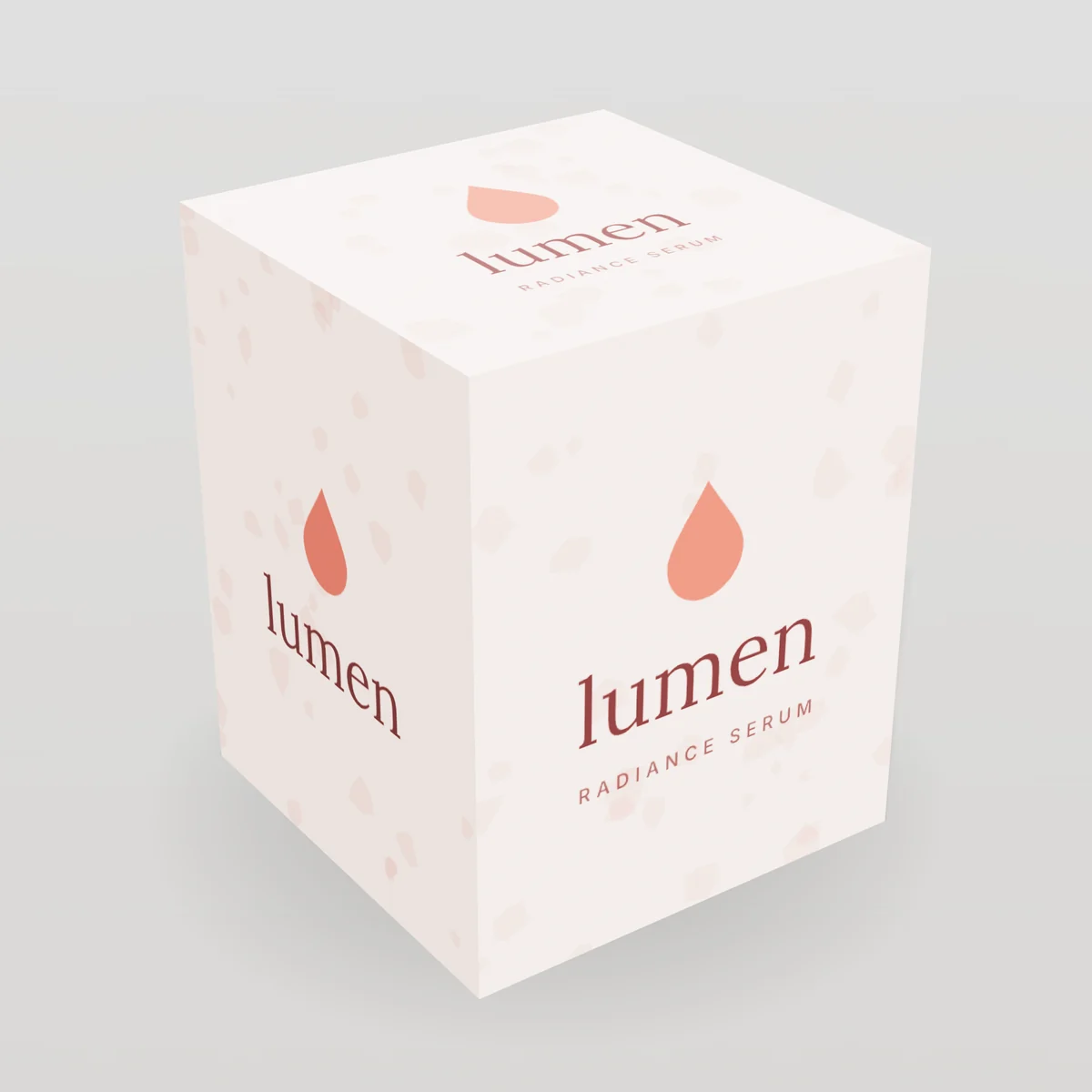 Box StylesProduct BoxesPrinted paperboard boxes for retail shelves, gift sets and everyday products.
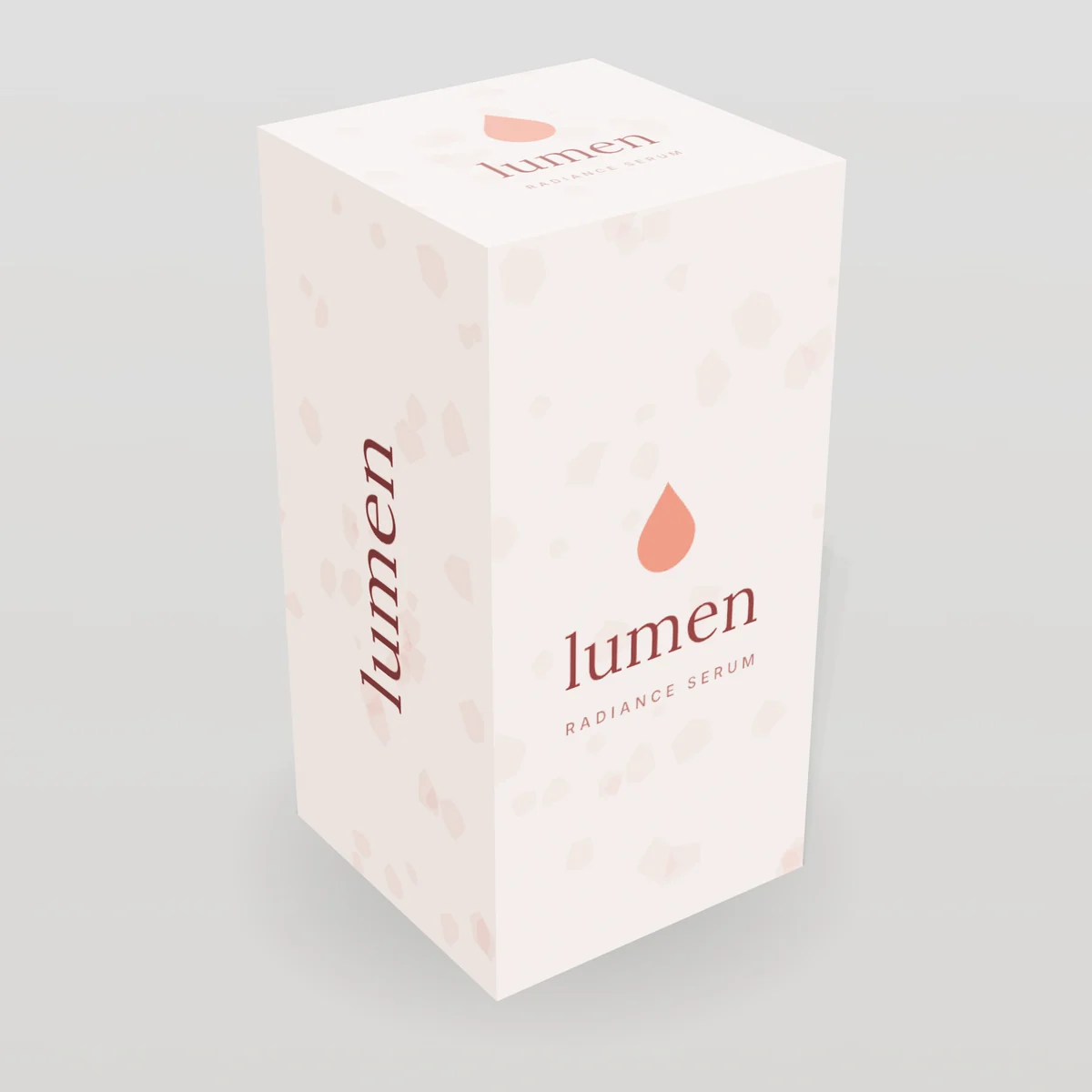
 IndustriesCosmetic BoxesMakeup and beauty cartons with premium finishes and compliant label space.
SBS Paperboard prices by box style
Estimated unit prices for each box style we make in this material, at its most popular size with full-color print, delivered within the contiguous US. Use them to compare structures before you request a quote.
| Box style | Material grade | 500 units | 1,000 units | 5,000 units |
|---|---|---|---|---|
| Product Boxes4 × 4 × 4" | SBS white paperboard (18pt) | $0.70 | $0.49 | $0.31 |
| Folding Cartons3 × 3 × 5" | SBS white paperboard (18pt) | $0.62 | $0.42 | $0.24 |
| Tuck End Boxes4 × 2 × 6" | SBS white paperboard (18pt) | $0.60 | $0.40 | $0.23 |
| Auto-Lock Bottom Boxes5 × 3 × 7" | SBS white paperboard (18pt) | $0.78 | $0.55 | $0.34 |
| Two-Piece Boxes8 × 8 × 3" | SBS white paperboard (18pt) | $1.03 | $0.74 | $0.47 |
| Sleeve Boxes6 × 4 × 2" | SBS white paperboard (18pt) | $0.91 | $0.67 | $0.45 |
| Pillow Boxes6 × 3 × 1.5" | SBS white paperboard (18pt) | $0.48 | $0.32 | $0.17 |
| Gable Boxes6 × 4 × 5" | SBS white paperboard (18pt) | $0.95 | $0.71 | $0.48 |
| Display Boxes10 × 7 × 4" | SBS white paperboard (18pt) | $1.28 | $0.99 | $0.71 |
| Window Boxes5 × 3 × 5" | SBS white paperboard (18pt) | $0.91 | $0.63 | $0.39 |
| Hanger Boxes4 × 1.5 × 6" | SBS white paperboard (18pt) | $0.62 | $0.41 | $0.23 |
| Tube Packaging3 × 3 × 7" | SBS white paperboard (18pt) | $1.55 | $1.21 | $0.87 |
A dash means 500 units is below that style’s minimum order. Your quote confirms exact prices.
How to order sbs paperboard
- 1Request a quote
Tell us the style, size, quantity and artwork you have. Use the form or the live estimator.
- 2Free design & dieline
We send a dieline for your exact size, check your artwork and help with layout at no charge.
- 3Approve your proof
Review a digital 3D proof (and an optional physical sample) before anything is printed.
- 4Production & QC
Your boxes are printed, finished, die-cut and inspected against the approved proof.
- 5Delivered to your door
Shipped flat-packed with tracking to any address in the contiguous US.
Key terms on this page
- SBS (solid bleached sulfate)
- Premium paperboard made from bleached virgin fiber, bright white throughout, with the best print and finish quality.
- Paperboard
- Thick paper (usually 0.010 inch or more) used for folding cartons, such as SBS, kraft and recycled board.
- Kraft
- Paper or board made from unbleached wood pulp, naturally brown and strong.
- Board
- A general term for thick paper materials used in packaging, including paperboard, corrugated board and greyboard.
- Grain direction
- The direction fibers run in paper or board. Folding with the grain is easier; it also affects stiffness.
- Finish
- Any treatment applied after printing to change appearance or protect the surface, such as coatings, laminations, foil, embossing or spot UV.
- Embossing
- Raising part of the board surface into a relief using matched dies, often combined with foil or ink.
- Spot UV
- A clear, glossy UV-cured varnish applied to selected areas to create contrast with a matte background.
- Caliper
- The thickness of paper or board. Paperboard caliper is usually given in points, where 1 point equals 0.001 inch.
- CUK
- Coated unbleached kraft paperboard: a strong brown board with a white clay-coated printing surface.
- Coated recycled board (CRB)
- Paperboard made from recycled fiber with a white clay-coated printing face and a grey back. Economical and widely used for food and household cartons.
- Kraft paperboard
- Unbleached paperboard with a natural brown surface, used for eco-minded and artisan packaging.
- CMYK
- The four process ink colors (cyan, magenta, yellow and key/black) combined in small dots to reproduce full-color images in print.
- Process color
- A color printed using CMYK dots rather than a mixed spot ink.
- Pantone (PMS)
- The Pantone Matching System, a standardized color reference used to specify exact spot colors.
- Carton
- A box made from paperboard, usually a folding carton. In shipping, "carton" can also mean a corrugated case.
- Foil stamping
- Applying metallic or pigmented foil to packaging with heat and pressure using a metal die.
- Debossing
- Pressing a design into the board so it sits below the surface. The opposite of embossing.
- Soft-touch lamination
- A film with a velvety, matte texture that makes packaging feel premium and resists fingerprints.
- Lamination
- Bonding a thin film (matte, gloss or soft-touch) or paper to board for protection and finish.
- Window patching
- Gluing clear film behind a die-cut window in a carton.
- FSC
- The Forest Stewardship Council, an organization that certifies responsible forest management and chain of custody for paper products. Using its label requires certified supply.
- Panel
- A face of a box, such as the front, back, side, top or bottom panel.
- Auto-lock bottom
- A pre-glued carton base, also called a crash-lock bottom, that locks into place automatically when the flattened box is opened. Stronger and faster to pack than a tuck bottom.
- E-flute
- A thin corrugated flute about 1/16 inch thick. It prints sharply and folds crisply, making it the standard for mailer boxes.
- Dieline
- A flat template showing the exact shape of a box before folding, with cut, crease, bleed and safe zones. Artwork is designed on top of it.
- Coverage
- The proportion of a surface covered by ink. Heavy coverage uses more ink and can affect drying and cracking.
- Crease (score)
- A line pressed into board so it folds cleanly in the right place. Shown as dashed lines on dielines.
More definitions in our packaging glossary.
Customer reviews
Reviews come only from verified customers. Ordered sbs paperboard from us? Share your experience.
Discussed on Quora & X
SBS Paperboard FAQ
What does SBS stand for?
Solid bleached sulfate: a paperboard made from bleached virgin pulp produced by the sulfate (kraft) process.
What does C1S mean?
Coated one side: the board has a smooth clay coating on the printing side. C2S is coated on both sides.
Is SBS the same as cardstock?
Not exactly. Cardstock is a general term for thick paper. SBS is a specific, high-quality paperboard grade used for packaging.
Is SBS recyclable?
Yes. SBS paperboard is accepted in most US curbside recycling programs.
What thickness should I use?
18pt is the most common. Use 14–16pt for small, light products and 20–24pt for larger or heavier boxes.
Is SBS more expensive than recycled board?
Yes, typically somewhat more expensive, in exchange for brighter whites and better print and finish quality.
Is 18pt or 24pt better?
18pt is the standard for most cartons. 24pt feels more premium and suits larger or heavier products, but costs more and needs careful creasing.
Can SBS cartons be shipped by themselves?
Usually not. Paperboard cartons are designed for shelves and inner packaging; ship them inside a corrugated mailer or shipping box.
Why do dark cartons crack at the folds?
Folding stretches the outer surface, exposing white fibers under heavy ink. Lamination, correct creasing and careful design across folds reduce cracking.
Is SBS more sustainable than recycled board?
Both are recyclable. SBS uses virgin fiber, often from certified forests; recycled board uses recovered fiber. The better choice depends on performance needs, food contact and the claims you want to make.
What is the difference between SBS and cardstock?
Cardstock is heavy paper used mainly for printing cards and tags. SBS is a packaging-grade paperboard engineered for folding, gluing and finishing into cartons, usually thicker and with a coating designed for packaging presses.
Can you print white ink on SBS?
SBS is already white, so white ink is not needed. White ink is used on kraft, metallized board and clear films.
Does SBS work for frozen food?
With moisture-resistant coatings or poly coatings designed for frozen applications, yes. Tell us the storage conditions.
Can SBS cartons have windows?
Yes. SBS is commonly window-patched for food, cosmetics and gifts.