Quick answer
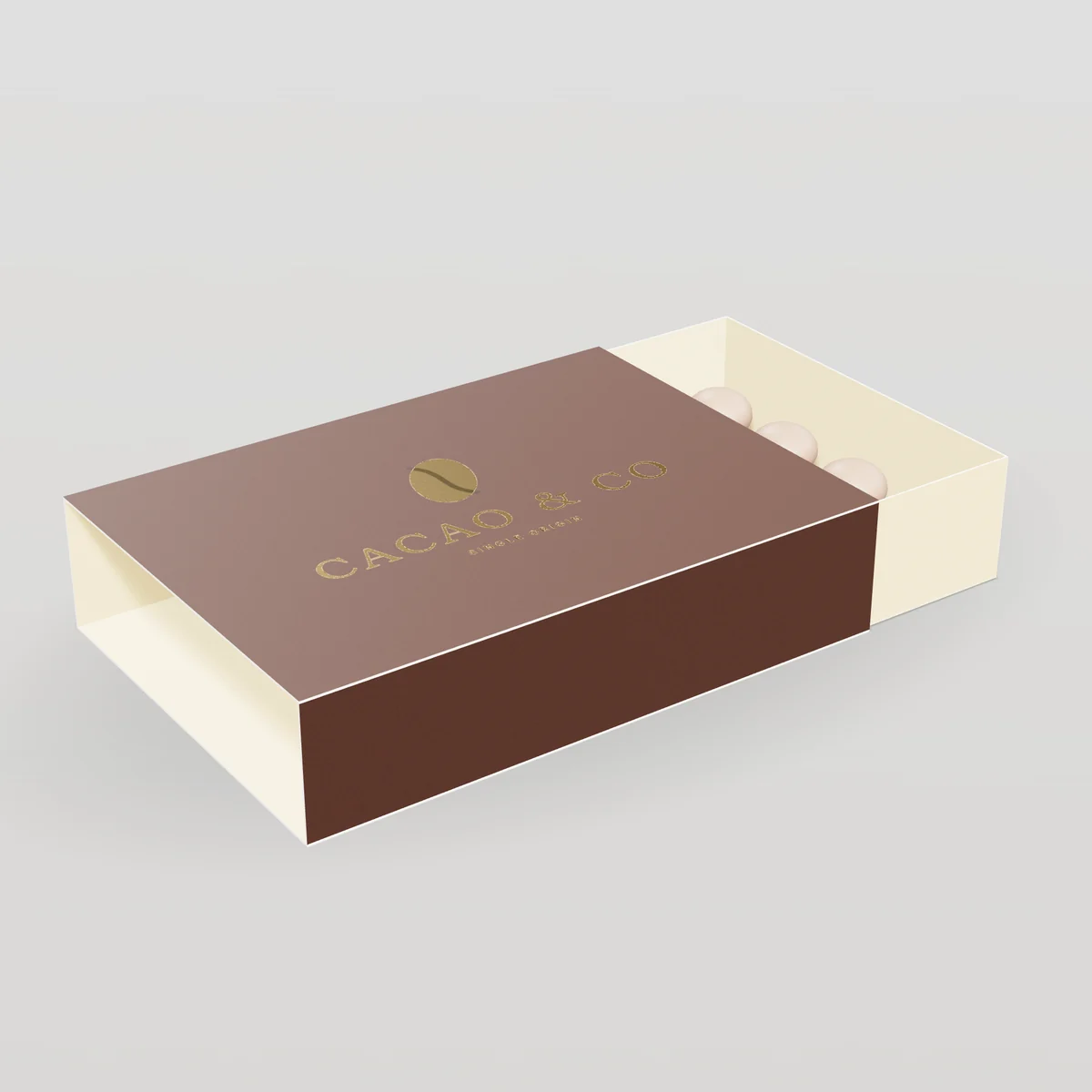
Truffle trays, bar sleeves and rigid gift boxes with food-safe inserts. Estimated prices start around $0.43 per unit at 10,000 units and $1.39 at 250 units for a 7×5×1.5" box. Typical turnaround is 10–14 business days after proof approval.
Chocolate Boxes: price breaks
How the estimated unit price of a 7×5×1.5" sleeve & tray box in SBS white paperboard (18pt) changes with quantity. Setup costs are spread over more boxes as the run gets longer, so the per-box price drops sharply in the first few tiers.
| Quantity | Est. unit price | Est. total | Saving vs. first tier |
|---|---|---|---|
| 250 | $1.39 | $347 | — |
| 500 | $0.94 | $468 | −32% |
| 1,000 | $0.70 | $695 | −50% |
| 2,500 | $0.53 | $1,331 | −62% |
| 5,000 | $0.47 | $2,336 | −66% |
| 10,000 | $0.43 | $4,266 | −69% |
Estimates from our published pricing model, full-color print, no finishes, delivered to the contiguous US. Your written quote confirms the exact price. Get an exact quote →
Material options and how they affect price
Estimated unit price at 1,000 units for a 7×5×1.5" sleeve & tray box with full-color printing, by material. Material choice changes look, strength and recyclability as well as cost.
| Material | What it’s like | Est. unit price |
|---|---|---|
| SBS white paperboard (18pt) | Bright white, smooth solid bleached sulfate board. Sharpest print and the best base for foil, spot UV and embossing. | $0.70 |
| Kraft paperboard (18pt CUK) | Natural brown unbleached kraft board with long, tough fibers. Looks handmade and eco-minded; best with one or two dark inks. | $0.68 |
| Rigid greyboard + printed wrap | Thick greyboard (about 1.5–2.5 mm) wrapped in printed paper: the heavy, structured feel of luxury packaging. | $2.76 |
Printing options compared
How the print specification changes the estimated unit price of a 7×5×1.5" sleeve & tray box in SBS white paperboard (18pt). One- and two-color printing carries a small plate charge that matters less as quantities grow; full-color digital and offset printing have no plate charge in our model.
| Printing | 500 units | 1,000 units | 5,000 units |
|---|---|---|---|
| Plain (no print) | $0.83 | $0.60 | $0.38 |
| 1 color | $0.99 | $0.69 | $0.42 |
| 2 colors | $1.07 | $0.74 | $0.45 |
| Full color outside | $0.94 | $0.70 | $0.47 |
| Full color outside + inside | $1.03 | $0.78 | $0.54 |
What chocolate packaging has to do
Chocolate is an indulgence and a gift, and its packaging is expected to feel special. At the same time, chocolate is sensitive: it melts above body temperature, absorbs odors, picks up moisture and shows fingerprints. Packaging has to protect flavor and finish, present pieces beautifully and carry food labeling.
Chocolate brands typically use:
- Bar wrappers and sleeves for single bars
- Bonbon boxes with cavity inserts for truffles and pralines
- Gift boxes for holidays, weddings and corporate gifting
- Countlines and display cartons for retail
- Mailers for online orders with seasonal shipping considerations

Packaging formats
| Format | Best for | Notes |
|---|---|---|
| Sleeve or bar wrap | Single bars | Inner foil or food-safe wrap; printed sleeve outside |
| Rigid box with insert | Truffles, bonbons, luxury gifts | Keepsake presentation |
| Two-piece box | Assortments | Lift-off lid, cavity insert |
| Magnetic box | Premium gift sets | Hinged reveal |
| Window box | Pieces that look beautiful | Food-safe film |
| Drawer box | Truffles, small gifts | Slide-out tray |
| Display box | Bars at checkout | Retail impulse |
Protecting chocolate
- Cavity inserts (food-safe plastic, molded pulp or paperboard with glassine cups) keep pieces apart and intact.
- Inner wrap: foil or food-safe film for bars.
- Odor protection: store packaging and chocolate away from strong odors; choose low-odor inks and coatings.
- Temperature: in warm months, ship with insulated liners and cold packs, and avoid weekend transit.
- Fingerprints and bloom: handle with gloves; keep humidity low.
Food contact rules apply when chocolate touches packaging directly. Tell us how pieces contact the insert or box so we can specify food-grade materials.
Materials and finishes
- SBS paperboard for sleeves, bar boxes and assortments
- Rigid greyboard wrapped in specialty papers for luxury boxes
- Kraft board for bean-to-bar and artisan brands
- Foil stamping (gold, copper, colored foils)
- Embossing of logos or cocoa motifs
- Soft-touch for a velvety feel
- Uncoated textured papers for craft chocolate
Designing chocolate packaging
- Origin and cocoa percentage for craft chocolate
- Flavor and inclusions for flavored bars
- Piece guide (a printed card or lid map) for assortments
- Seasonal editions using sleeves or belly bands over standard boxes
- Allergen information prominently (milk, nuts, soy and others)
Labeling
Packaged chocolate needs standard US food labeling: statement of identity, net quantity, ingredients, allergens, Nutrition Facts (unless exempt) and the business name and place of business. "Chocolate" also has a regulatory standard of identity in the US, which affects what products can be called. Confirm with a regulatory professional; see our labeling guide.
Sizing
| Product | Typical packaging (in) |
|---|---|
| Single bar (2.5–3 oz) | 6.25 × 3 × 0.4 sleeve |
| 4-piece truffle box | 3.5 × 3.5 × 1.25 |
| 9-piece assortment | 5 × 5 × 1.25 |
| 16-piece assortment | 7 × 7 × 1.5 |
| Gift set with bars | 7 × 5 × 1.5 |
Costs
Estimated prices for a 7 × 5 × 1.5 in sleeve box are at the top of this page. A rigid assortment box compares like this:
| Quantity | Est. unit price | Est. total | Saving vs. first tier |
|---|---|---|---|
| 100 | $5.77 | $577 | — |
| 250 | $3.85 | $963 | −33% |
| 500 | $3.11 | $1,553 | −46% |
| 1,000 | $2.66 | $2,657 | −54% |
| 2,500 | $2.30 | $5,749 | −60% |
| 5,000 | $2.13 | $10,632 | −63% |
| 10,000 | $2.00 | $20,014 | −65% |
Estimates from our published pricing model, full-color print, no finishes, delivered to the contiguous US. Your written quote confirms the exact price. Get an exact quote →
Budget tips
- Standard box sizes with seasonal sleeves
- One foil color for the logo
- Paperboard assortment boxes for everyday, rigid for gifting
Shipping chocolate
Chocolate is sensitive to heat. For online orders in warm weather, use insulated liners and cold packs inside a printed shipper, ship early in the week by fast service, and communicate your warm-weather policy to customers.
Sustainability
Choose paperboard or molded pulp inserts where possible, recyclable sleeves and boxes, and minimal plastic. Keep claims honest and specific.
Launch checklist
- Products and piece counts
- Box formats and inserts
- Food contact and inner wraps
- Labeling and allergens
- Seasonal editions plan
- Shipping in warm weather
- Quantities and target date
Packaging by budget: starter, growing, premium
| Tier | Typical spec | Best for |
|---|---|---|
| Starter | Kraft or SBS sleeve over a plain tray, foil-wrapped bars, sticker seal | Bean-to-bar startups, market stalls |
| Growing | Printed SBS bar wraps or cartons with gold foil; two-piece truffle boxes with cavity trays | Boutique retail, online shops |
| Premium | Rigid or drawer boxes with soft-touch wrap, foil-emboss and wrapped cavity inserts | Luxury assortments, corporate gifts, holidays |
Chocolate packaging by product type
| Product | Packaging |
|---|---|
| Bars | Inner foil or compostable wrapper + printed paper wrap or carton sleeve |
| Truffles and bonbons | Two-piece or drawer box with cavity tray and glassine cups |
| Bark and slabs | Window carton or pouch |
| Drinking chocolate | Tube, pouch or carton with inner bag |
| Seasonal shapes (eggs, hearts) | Window boxes with molded inserts |
| Gift assortments | Rigid boxes with menu card |
The menu card
For assortments, a menu card (a printed guide to each piece) adds information and delight. It helps customers choose, reduces confusion about allergens and flavors, and becomes part of the experience. Place it on top of the tray or inside the lid.
Temperature and shipping
Chocolate is sensitive to heat. For e-commerce:
- Check the forecast and use expedited shipping in warm months.
- Use insulated liners and cold packs in summer.
- Avoid shipping over weekends, when parcels sit in warehouses.
- Tell customers to refrigerate or store cool on arrival when necessary.
- Design boxes to fit inside insulated shippers.
Many chocolatiers pause or limit shipping in the hottest months or offer "ship when cool" options.
Worked example: a 12-piece truffle box
A chocolatier sells 12 truffles as a gift.
- Box: rigid two-piece box, 7 × 5 × 1.5 in, wrapped in textured cocoa-brown paper.
- Finish: gold foil logo on the lid.
- Insert: food-safe cavity tray with 12 wells.
- Menu card: printed card under the lid with flavors and allergens.
- Shipping: in an insulated shipper with cold packs in warm months.
Common chocolate packaging mistakes
- No barrier against odors and moisture for chocolate stored near strong smells.
- Cavity trays that are too loose, letting pieces move and scuff.
- Missing allergen information for assortments.
- Shipping in hot weather without insulation.
- Fine gold foil text that is hard to read on dark brown.
A buyer's guide to chocolate packaging
Protect against heat, light, moisture and odors. Chocolate absorbs smells easily, blooms (develops a white haze) when temperatures swing, and softens in warm conditions. Inner wrappers, barrier liners and food-safe trays protect the chocolate; the outer box protects the wrapper and carries the brand. Store finished packaging and chocolate away from strong-smelling materials.
Match the format to the product. Bars live in printed wraps, sleeves or slim cartons around an inner foil or film. Truffles and bonbons need cavity trays that hold each piece without touching. Bark and slabs suit window cartons or pouches. Gift assortments suit rigid boxes with menu cards. Seasonal shapes need molded inserts.
Design for indulgence. Chocolate packaging trades on texture and richness: deep browns, jewel tones and creams, foil and embossing, soft-touch finishes. Craft makers often use kraft or textured papers to signal origin and process; bean-to-bar brands print origin, cocoa percentage and tasting notes.
Plan the information. Ingredients, allergens (milk, soy and tree nuts are common), net weight, nutrition information where required, and company details all need space. Assortments need a menu card listing pieces and allergens.
Ship carefully. In warm months, use insulated liners and cold packs, ship early in the week and choose fast services. Many chocolatiers limit shipping in summer. Design the box to fit inside an insulated shipper.
Think seasonally. Valentine's Day, Easter, the holidays and corporate gifting drive much of the year's chocolate sales. Sleeves and printed bands let you create seasonal looks without new boxes.
Ordering timeline for a holiday chocolate collection
| When | What to do |
|---|---|
| 12 weeks before | Choose structures, request quotes and samples |
| 9–10 weeks | Final artwork and proofs |
| 6–8 weeks | Production of rigid boxes and trays |
| 3–4 weeks | Delivery, packing and inventory |
| Launch | Ship with seasonal temperature precautions |
Terms to know
- Bloom: white haze from fat or sugar migrating to the surface.
- Cavity tray: an insert with individual wells for pieces.
- Glassine cup: a greaseproof paper cup for individual chocolates.
- Menu card: a printed guide to the pieces in an assortment.
- Inner wrap: foil or film around a bar inside its outer packaging.
Chocolate boxes in one paragraph
Chocolate packaging protects a delicate, heat-sensitive product while expressing indulgence. Use food-safe inner wraps and cavity trays, choose sleeves or slim cartons for bars and rigid or two-piece boxes for assortments, add a menu card with flavors and allergens, finish with foil, emboss or soft-touch, and ship with temperature precautions in warm months.
Packaging ideas by product
| Product | Packaging idea |
|---|---|
| Single-origin bars | Printed paper wrap or slim carton over foil, origin and tasting notes on the back |
| Truffle assortments | Rigid two-piece box with cavity tray and menu card |
| Bonbons | Drawer box with glassine cups |
| Chocolate bark | Window carton or resealable pouch |
| Hot chocolate | Tube or pouch with scoop |
| Seasonal shapes | Window box with molded insert |
| Corporate gifts | Magnetic box with debossed logo and personalized card |
Designing the chocolate experience
Chocolate is an indulgence, and packaging sets expectations before the first bite. Craft chocolate makers often use paper, kraft and texture to signal origin and process, with hand-drawn illustrations and detailed tasting notes. Luxury chocolatiers lean on deep colors, metallic foil, embossing and rigid boxes that feel like jewelry. Mainstream gift chocolates use bright colors and windows that show the product.
Whatever the style, the opening sequence matters: a sleeve that slides off, a lid that lifts slowly, a sheet of glassine or tissue over the tray, and a menu card that guides the tasting. These moments turn a box of chocolates into a small ceremony.
Questions to answer before ordering
- How will chocolate be protected from heat and odors?
- How many pieces or bars, and what sizes?
- Do you need a menu card or allergen card?
- Will you ship in summer, and how?
- Which seasons drive your sales?
Second example: a bean-to-bar maker's bar range
A small bean-to-bar maker sells five single-origin bars (70 g each) online and in specialty shops.
- Inner wrap: compostable-certified or foil inner wrap, sealed by hand.
- Outer: a printed uncoated paper wrap with origin, cocoa percentage, tasting notes and allergen information; each origin has its own illustration and color.
- Finish: a small gold foil logo on each wrap.
- Retail: a counter display box holds 12 bars of mixed origins for shops.
- Online: a slim printed mailer holds up to three bars with a tasting card.
The paper wraps print economically in short runs, so new origins launch quickly.
Photographing chocolate packaging
Shoot chocolate packaging in soft, cool light so the product does not look greasy, and keep the room cool so chocolate stays crisp in close-ups. Pair the box with a broken piece of chocolate to show texture and color, and use dark or natural backgrounds that echo the packaging palette.
Shipping chocolate in warm weather
Chocolate begins to soften well below summer temperatures, and blooms when it warms and cools again. Chocolatiers who ship year-round use a combination of measures:
- Insulated liners: foil bubble or paper-based insulated liners inside the shipping box.
- Cold packs: gel packs sized for the transit time, separated from the chocolate by a layer of corrugated or paper so they do not cause condensation.
- Fast services: two-day or overnight shipping in hot months.
- Ship early in the week so parcels do not sit in warehouses over weekends.
- Weather checks: hold shipments during heat waves and tell customers.
- Customer guidance: a printed note asking customers to unpack and store chocolate somewhere cool.
Design your chocolate boxes to fit inside your insulated shipper with cold packs, and test a summer shipment before the season starts.
Packaging and chocolate quality claims
Bean-to-bar makers often print cocoa percentage, origin and sometimes certification marks. Print certification marks only when your product is certified and you have permission, and make origin and percentage claims accurate for each batch.
Unboxing ideas for chocolate
- A sheet of glassine or tissue over the tray
- A menu card under the lid
- A gold sticker seal on the sleeve or box
- A tasting guide for single-origin bars
- A ribbon pull to lift the tray
How to brief a designer for chocolate packaging
Give your designer, or our team, these details before work starts:
- Piece or bar sizes and counts
- Inner wrap or tray requirements
- Flavor and allergen information for menu cards
- Seasonal plans and gift editions
- Finish preferences: foil, emboss, soft-touch
- Shipping approach for warm months
A clear brief usually saves at least one round of revisions and avoids surprises at the proof stage.
Sustainability checklist for chocolate
- [ ] Paper or board trays where possible
- [ ] Compostable or recyclable inner wraps where suitable
- [ ] Reusable gift boxes
- [ ] Minimal plastic windows
- [ ] Clear disposal guidance
How chocolate packaging grows with your brand
First 100–500 units. Printed paper wraps for bars and small runs of truffle boxes cover early sales.
500–2,500 units. Add seasonal sleeves, gift boxes and counter displays for shops.
2,500 units and up. Move to larger runs of core packaging, rigid assortments for gifting and planned holiday programs.
Recommended finishes for chocolate packaging
Chocolate packaging traditionally pairs rich, dark colors with gold or copper foil, embossed logos and soft-touch laminations that invite touch. Bean-to-bar makers often prefer uncoated textured papers with a single foil accent, which signal craft. Spot UV on product imagery can make chocolate look glossy and indulgent. For bar wraps, an uncoated paper prints beautifully and folds cleanly; for rigid assortments, a laminated wrap protects against fingerprints and moisture.
Three things to get right with chocolate boxes
- Protection. Food-safe inner wraps and trays, odor control and temperature planning for shipping.
- The reveal. Glassine, a menu card and a lid that lifts slowly turn a box into a ceremony.
- Seasonal planning. Order holiday packaging eight to twelve weeks ahead.
Related guides
 GuideFinishes & embellishmentsHow foil stamping, embossing, debossing, spot UV, soft-touch, windows and inserts work, what they cost, and how to combine them without overspending.
 GuideLabeling & compliance (US)What US packaging typically must show for food, cosmetics, dietary supplements and hemp/CBD products: net quantity, ingredients, food contact, Prop 65 and more.
 GuideUnboxing & brand designHow to design packaging that sells and gets shared: brand hierarchy, color, typography, the unboxing sequence, inserts and low-cost upgrades that matter.
 GuideBox styles explainedA practical comparison of every common box style: mailer, RSC shipper, tuck end, auto-lock, rigid, magnetic, sleeve, pillow, gable, display, window and tube.
What finishes and add-ons cost
Estimated extra cost per unit at 1,000 units when you add one finish to a 7×5×1.5" sleeve & tray box (base estimate $0.70). One-time tooling such as foil and embossing dies is already spread across the run in the per-unit figure and listed separately for reference.
| Finish | What it does | Adds per unit | One-time setup |
|---|---|---|---|
| Matte lamination | A thin film with a smooth, low-glare finish that protects print from scuffs. | +$0.02 | — |
| Soft-touch | A velvety, premium coating that invites customers to hold the box. | +$0.04 | — |
| Spot UV | Clear glossy varnish on selected areas for a sleek contrast against matte. | +$0.12 | $80.00 |
| Foil stamping | Gold, silver, rose gold or holographic foil for logos and accents. | +$0.22 | $120 |
| Embossing / debossing | Raised or recessed logo detail you can feel with your fingertips. | +$0.21 | $120 |
| Window | A die-cut window with clear film so the product sells itself. | +$0.13 | $60.00 |
| Custom insert | Paperboard, corrugated or foam inserts that hold products in place. | +$0.23 | $80.00 |
Estimated prices for recommended chocolate boxes styles
Unit price estimates from our published pricing model for each recommended style at its most popular size with full-color print, delivered within the contiguous US. Use them as a budget starting point; your quote confirms exact prices for your size and options.
| Style | Typical board | 500 units | 1,000 units | 5,000 units |
|---|---|---|---|---|
| Sleeve Boxes6 × 4 × 2" | SBS white paperboard (18pt) | $0.91 | $0.67 | $0.45 |
| Rigid Boxes8 × 6 × 3" | Rigid greyboard + printed wrap | $3.36 | $2.89 | $2.32 |
| Two-Piece Boxes8 × 8 × 3" | Rigid greyboard + printed wrap | $3.59 | $3.10 | $2.51 |
| Window Boxes5 × 3 × 5" | SBS white paperboard (18pt) | $0.91 | $0.63 | $0.39 |
| Magnetic Closure Boxes9 × 7 × 3" | Rigid greyboard + printed wrap | $4.07 | $3.51 | $2.82 |
A dash means the quantity is below that style’s minimum order.
Popular sleeve boxes sizes for chocolate boxes
Sleeve Boxes are the most common starting point for chocolate boxes. Estimated unit prices for popular sizes with full-color print on sbs white paperboard (18pt), delivered within the contiguous US:
| Inside size | Typical use | 500 units | 1,000 units | Quote |
|---|---|---|---|---|
| 4 × 3 × 1" | Lip care, jewelry, single sachets, small accessories | $0.80 | $0.56 | Quote |
| 6 × 4 × 2" | Serums, candles, soaps, single small products | $0.91 | $0.67 | Quote |
| 7 × 5 × 2" | Gift sets, apparel accessories, small electronics | $0.97 | $0.73 | Quote |
| 8 × 6 × 3" | Gift sets, apparel accessories, small electronics | $1.12 | $0.86 | Quote |
| 10 × 7 × 2" | Gift sets, apparel accessories, small electronics | $1.14 | $0.89 | Quote |
What finishes add to chocolate boxes
Estimated extra cost per unit at 1,000 units when you add one finish to a 6×4×2" sleeve & tray box (base estimate $0.67). Choose one hero finish rather than several.
| Finish | What it does | Adds per unit |
|---|---|---|
| Matte lamination | A thin film with a smooth, low-glare finish that protects print from scuffs. | +$0.03 |
| Soft-touch | A velvety, premium coating that invites customers to hold the box. | +$0.05 |
| Spot UV | Clear glossy varnish on selected areas for a sleek contrast against matte. | +$0.13 |
| Foil stamping | Gold, silver, rose gold or holographic foil for logos and accents. | +$0.22 |
| Embossing / debossing | Raised or recessed logo detail you can feel with your fingertips. | +$0.20 |
| Window | A die-cut window with clear film so the product sells itself. | +$0.14 |
| Custom insert | Paperboard, corrugated or foam inserts that hold products in place. | +$0.23 |
Learn about these materials
Best box styles for chocolate boxes
 Box StylesSleeve BoxesA printed sleeve over a sliding tray. Interactive, premium and easy to brand on two surfaces.
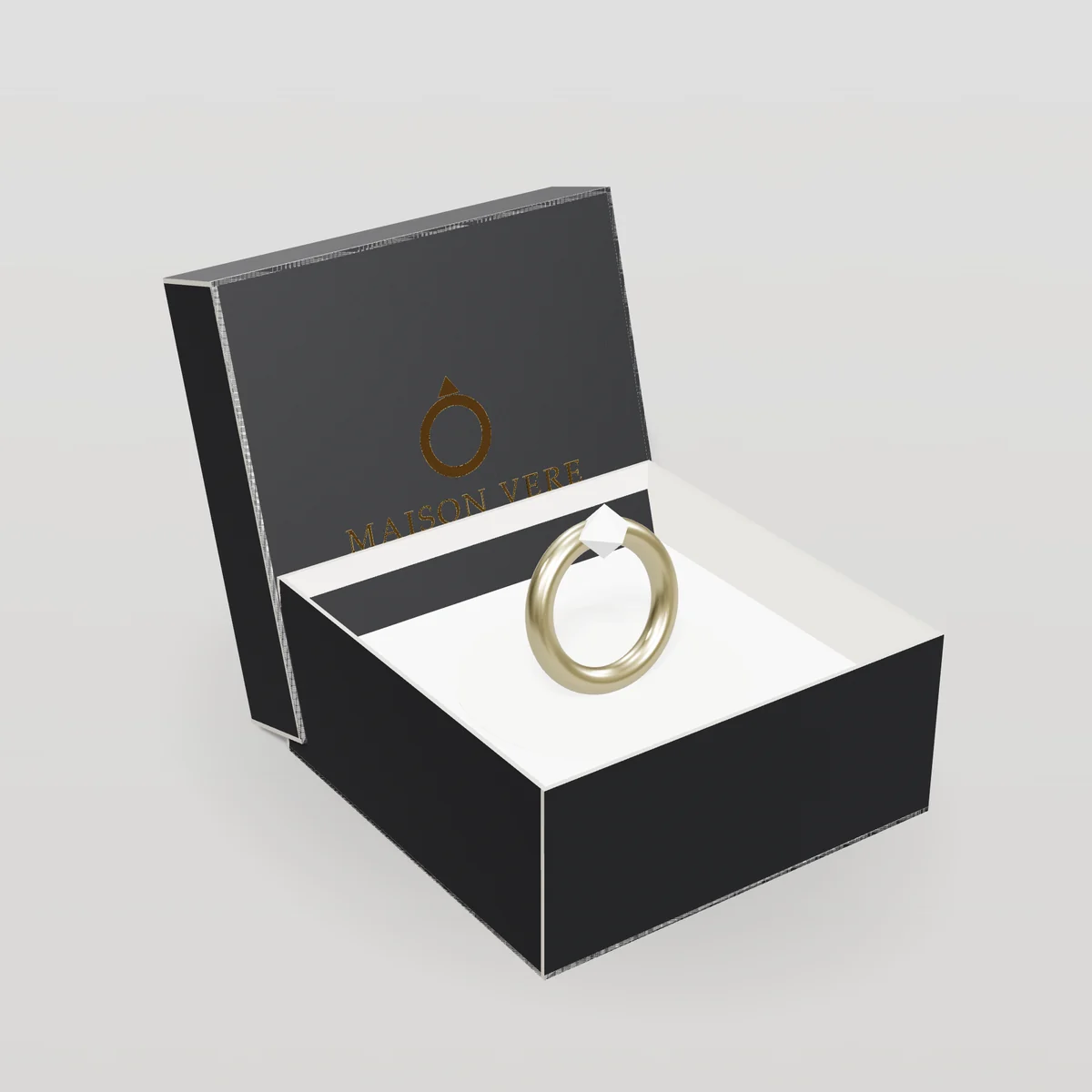 Box StylesRigid BoxesLuxury setup boxes made from thick greyboard wrapped in printed or specialty paper.
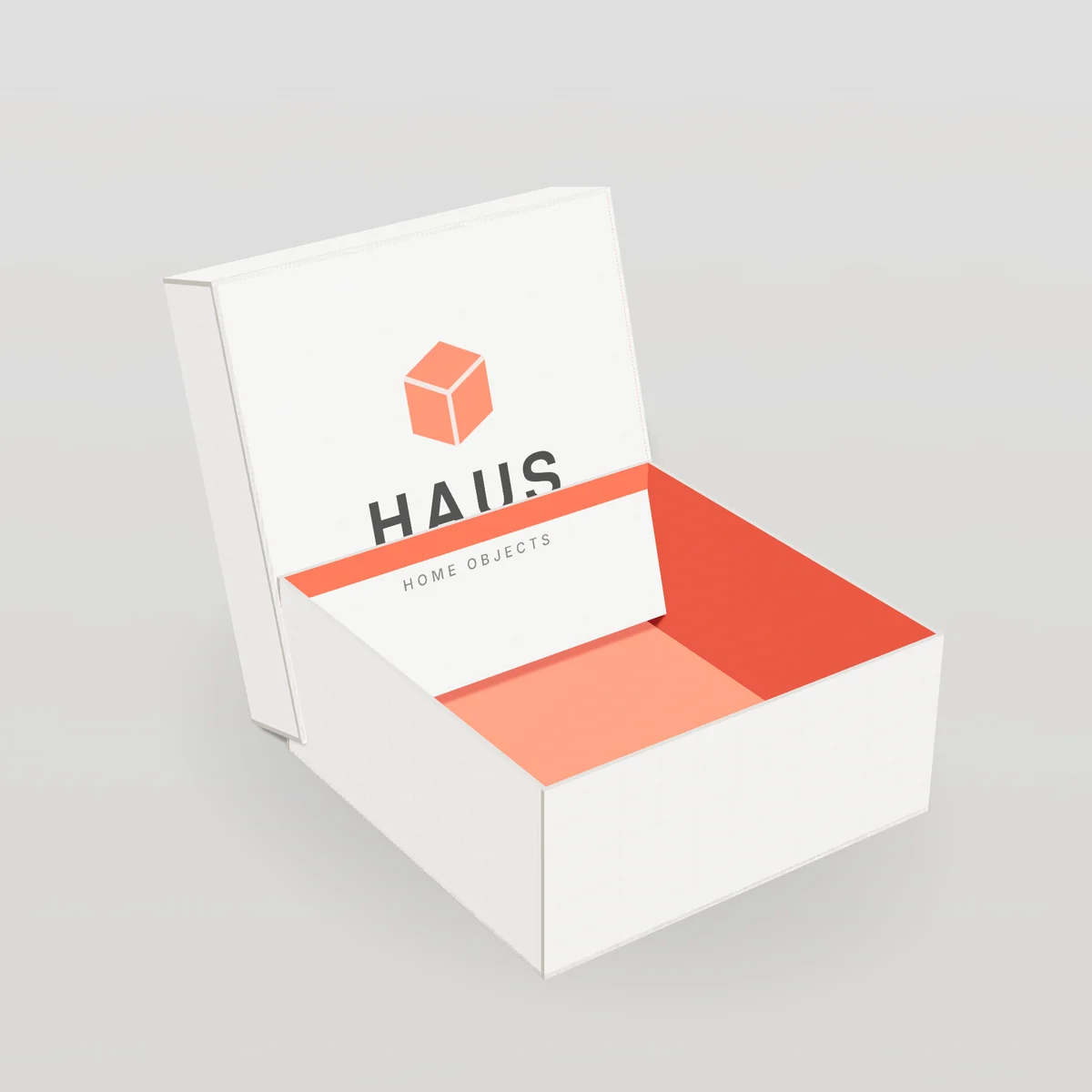 Box StylesTwo-Piece BoxesLid-and-base boxes in rigid board or paperboard. A timeless gift and apparel format.
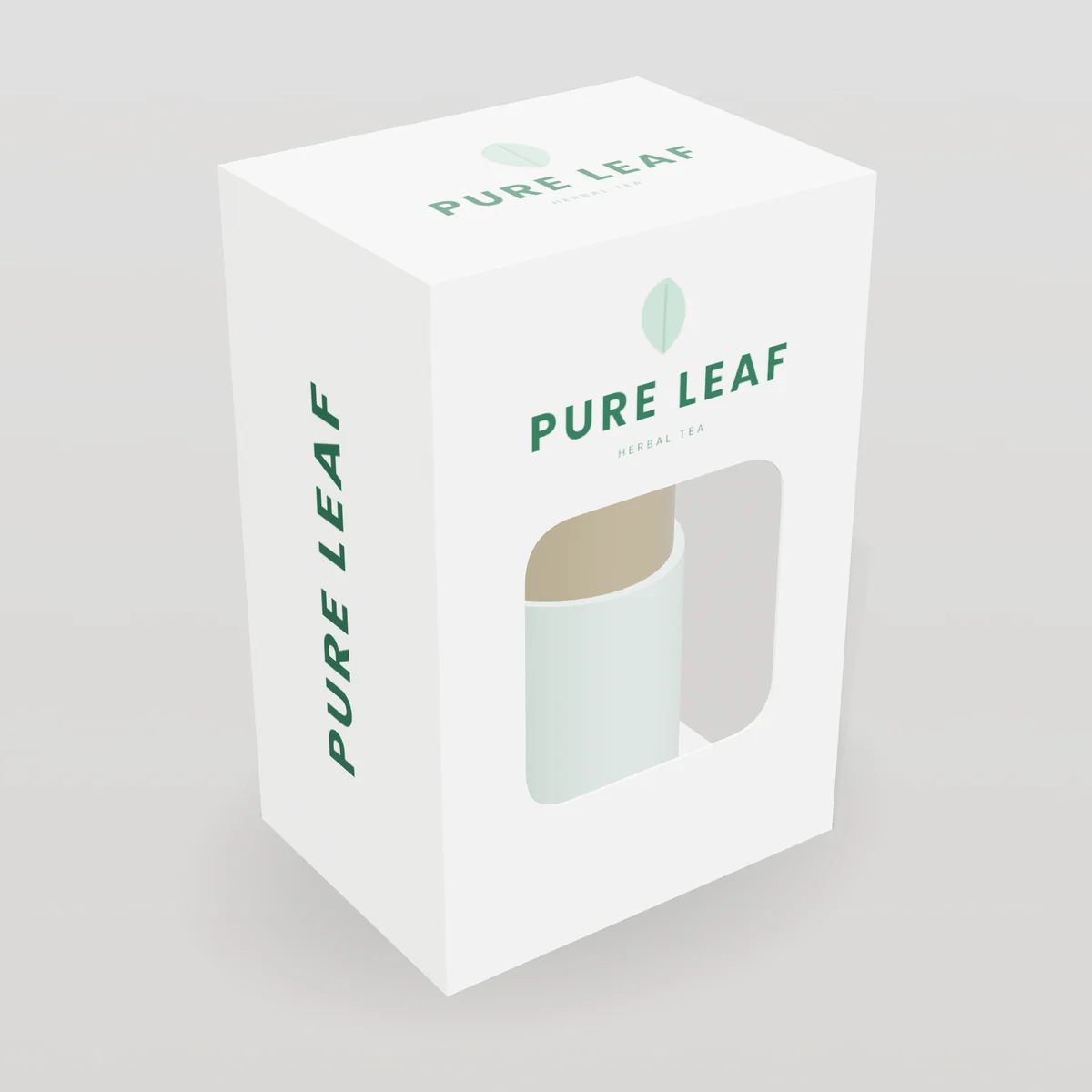 Box StylesWindow BoxesPaperboard boxes with a die-cut window and clear film so shoppers see the product.
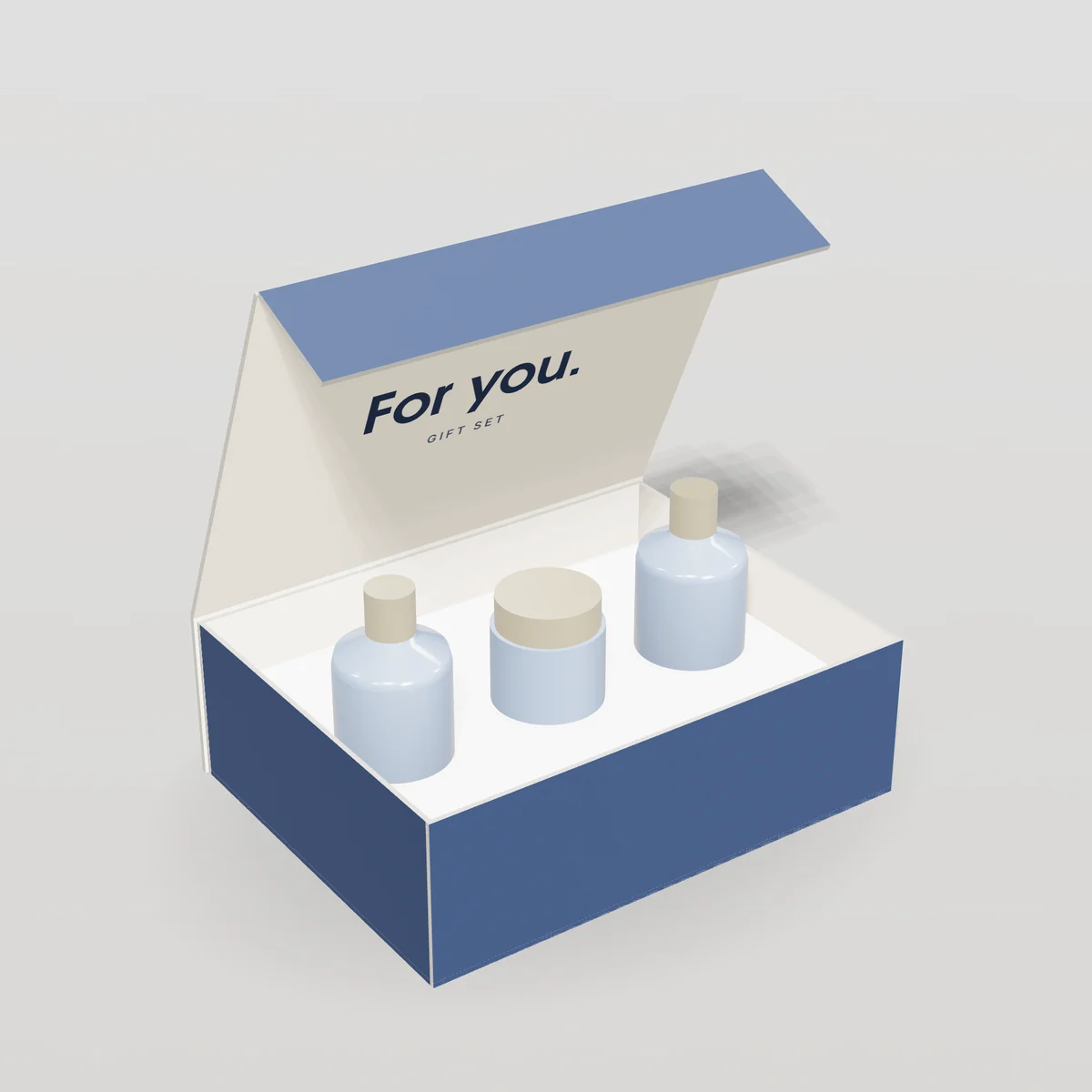 Box StylesMagnetic Closure BoxesBook-style rigid boxes with hidden magnets for a satisfying, reclosable unboxing.
How to order chocolate boxes
- 1Request a quote
Tell us the style, size, quantity and artwork you have. Use the form or the live estimator.
- 2Free design & dieline
We send a dieline for your exact size, check your artwork and help with layout at no charge.
- 3Approve your proof
Review a digital 3D proof (and an optional physical sample) before anything is printed.
- 4Production & QC
Your boxes are printed, finished, die-cut and inspected against the approved proof.
- 5Delivered to your door
Shipped flat-packed with tracking to any address in the contiguous US.
Key terms on this page
- Finish
- Any treatment applied after printing to change appearance or protect the surface, such as coatings, laminations, foil, embossing or spot UV.
- Sleeve
- An open-ended band or tube that slides over a tray or box, often printed to brand plain packaging.
- Wrap
- The printed or specialty paper glued around the board of a rigid box or tube.
- Rigid box
- A premium box made from thick greyboard wrapped in printed or specialty paper, delivered assembled. Also called a setup box.
- Insert
- A component inside a box that holds products in place, such as die-cut paperboard, corrugated, foam or molded pulp.
- Two-piece box
- A box with a separate base and lid that lifts off.
- Lid
- The top part of a box, hinged or separate.
- Tray
- An open-topped box base, often used with a sleeve or lid.
- Molded pulp
- Packaging formed from wet paper fiber in molds and dried, used for protective inserts and trays. Plastic-free and recyclable.
- Paperboard
- Thick paper (usually 0.010 inch or more) used for folding cartons, such as SBS, kraft and recycled board.
- Food-grade
- Materials, inks and adhesives suitable for packaging that contacts food, meeting the relevant FDA requirements.
- SBS (solid bleached sulfate)
- Premium paperboard made from bleached virgin fiber, bright white throughout, with the best print and finish quality.
- Greyboard
- Thick, dense recycled board used as the structural core of rigid boxes, usually 1.2 to 3 mm thick.
- Kraft
- Paper or board made from unbleached wood pulp, naturally brown and strong.
- Board
- A general term for thick paper materials used in packaging, including paperboard, corrugated board and greyboard.
- Foil stamping
- Applying metallic or pigmented foil to packaging with heat and pressure using a metal die.
- Embossing
- Raising part of the board surface into a relief using matched dies, often combined with foil or ink.
- Net quantity
- The amount of product in a package (weight, volume or count), which many US consumer products must state on the main display panel.
- Shipper
- A box used to ship products, often corrugated.
- Proof
- A preview of the final package (digital PDF, 3D render or physical sample) that the customer approves before production.
- Carton
- A box made from paperboard, usually a folding carton. In shipping, "carton" can also mean a corrugated case.
- Artwork
- The final graphic files (logos, images, text and colors) placed on a dieline and used to make printing plates or digital print files.
- Spot UV
- A clear, glossy UV-cured varnish applied to selected areas to create contrast with a matte background.
- Debossing
- Pressing a design into the board so it sits below the surface. The opposite of embossing.
- Regular slotted container (RSC)
- The standard corrugated shipping box with four top and four bottom flaps of equal depth (FEFCO 0201).
More definitions in our packaging glossary.
Customer reviews
Reviews come only from verified customers. Ordered chocolate boxes from us? Share your experience.
Discussed on Quora & X
Chocolate Boxes FAQ
What is the best packaging for chocolates?
Sleeve boxes for bars and rigid or two-piece boxes with cavity inserts for truffles and assortments are the most popular.
Are your chocolate boxes food safe?
We specify food-grade materials and inserts for chocolate that contacts packaging directly.
What is the minimum order?
Our minimum is 250 units for paperboard boxes and sleeves and 100 units for rigid boxes.
How do I ship chocolate in summer?
Use insulated liners and cold packs, ship early in the week with fast service, and avoid weekend transit.
Can you make seasonal packaging?
Yes. Printed sleeves and belly bands over standard boxes are an economical way to create seasonal editions.
Can chocolate touch the box directly?
Only food-contact materials should touch chocolate. Most bars use an inner wrapper; assortments use food-safe trays and cups.
What finishes suit chocolate boxes?
Gold or copper foil, embossing and soft-touch on dark browns, creams and jewel tones are classic.
What size box for 12 truffles?
Often about 7 × 5 × 1.5 in with a 12-cavity tray, depending on truffle size.
Can chocolate bar wrappers be custom printed?
Yes. Printed paper wraps or slim cartons around an inner foil or film are common for bars.
What is the minimum order for chocolate boxes?
Most styles start at 100–250 units, depending on structure.
How do I prevent chocolate bloom?
Keep chocolate cool and avoid temperature swings during storage and shipping; packaging helps but cannot replace temperature control.
Can you make a box with a window for chocolates?
Yes, with food-safe film and a tray that holds pieces in place.
What is the best material for chocolate boxes?
SBS or kraft paperboard for cartons and sleeves; rigid board for luxury assortments; food-safe trays inside.
Can I print allergen information on the box?
Yes. Plan space on the back or base, or include an allergen card.
Do you make Valentine’s Day chocolate boxes?
Yes. Order early; seasonal demand peaks weeks before the holiday.
Can chocolate boxes be recyclable?
Paperboard boxes with paper trays and modest finishes are widely recyclable.
How much do custom chocolate boxes cost?
Paper wraps and sleeves for bars are economical; rigid assortment boxes cost more. See the price table on this page for estimates by style.
What is the minimum order for chocolate packaging?
Most carton and sleeve styles start at 250 units and rigid boxes at 100 units.
How far ahead should I order for Valentine’s Day?
Allow at least eight to ten weeks for rigid boxes and seasonal designs, including proofs.
Can you make cavity trays to fit my chocolates?
Yes. Send piece dimensions, and we will specify a food-safe tray with the right cavity count.
Do you offer free design help for chocolate boxes?
Yes. Every quote includes a free dieline for your exact size, an artwork check, and a digital proof with a 3D preview. Our designers can also lay out artwork from your logo, brand colors and ideas, so you do not need a packaging designer to get started.
Can I see a 3D preview of my chocolate boxes before ordering?
Yes. You can try styles and colors yourself in the free 3D Box Builder, and every quote includes a 3D preview made from your real artwork before anything is printed.
Where do you deliver chocolate boxes?
We deliver to business and residential addresses across the contiguous United States with tracking, usually within 3–7 business days after production. Alaska, Hawaii and expedited freight are quoted separately.
What if my chocolate boxes arrive with a defect?
Report it within 7 days of delivery with photos and your order number. If there is a production defect or the boxes do not match your approved proof, we reprint or refund the affected items under our reprint guarantee.