Quick answer
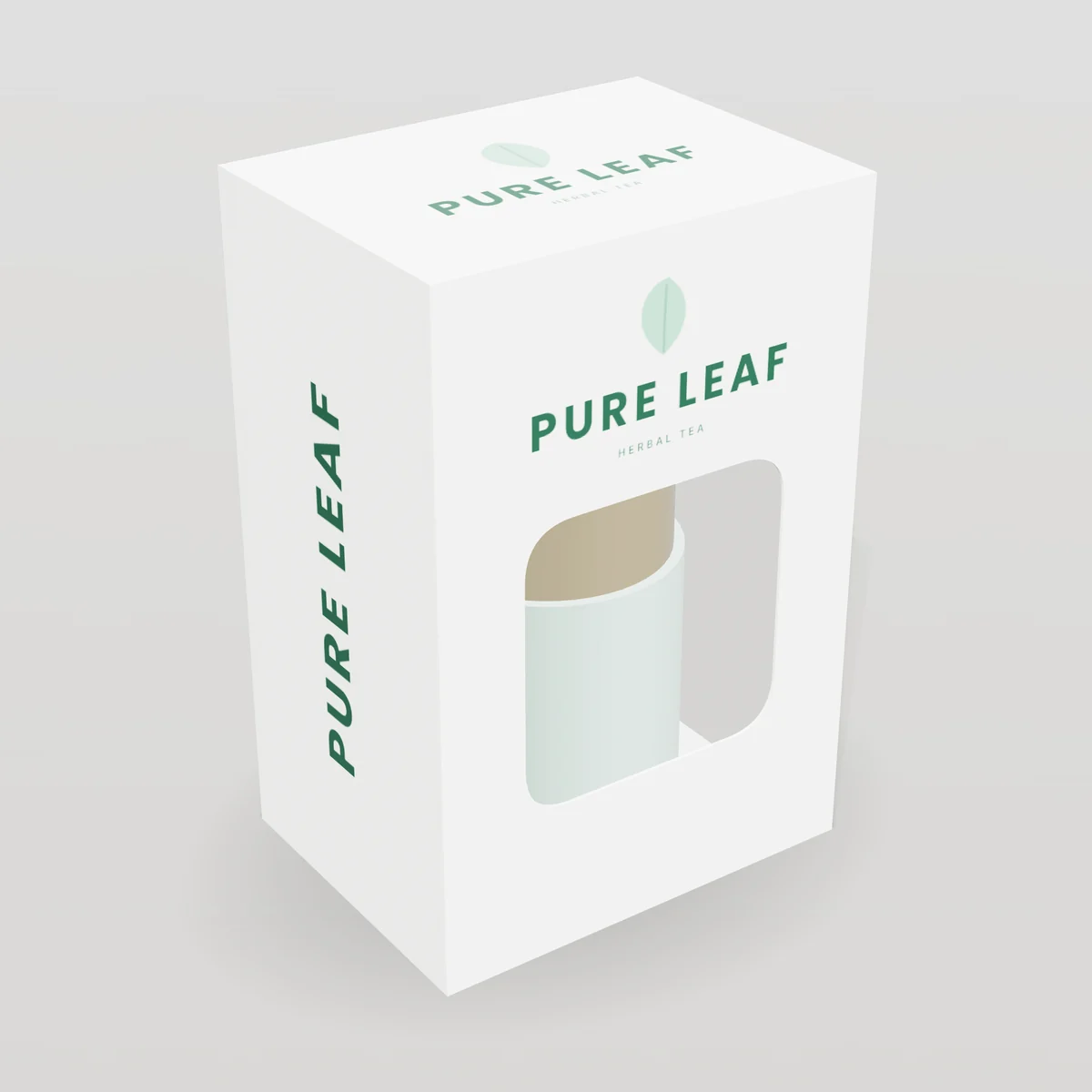
Paperboard boxes with a die-cut window and clear film so shoppers see the product. Estimated prices start around $0.35 per unit at 10,000 units and $1.43 at 250 units for a 5×3×5" box. Typical turnaround is 10–14 business days after proof approval.
Window Boxes: specifications
| Window | Any die-cut shape; PET or plant-based film; or open window |
|---|---|
| Board | 16–24pt SBS or kraft |
| Styles | Tuck end, auto-bottom, sleeve, bakery |
| Minimum order | 250 units |
| Turnaround | 10–14 business days after proof |
Window Boxes: price breaks
How the estimated unit price of a 5×3×5" window box in SBS white paperboard (18pt) changes with quantity. Setup costs are spread over more boxes as the run gets longer, so the per-box price drops sharply in the first few tiers.
| Quantity | Est. unit price | Est. total | Saving vs. first tier |
|---|---|---|---|
| 250 | $1.43 | $357 | — |
| 500 | $0.91 | $453 | −36% |
| 1,000 | $0.63 | $634 | −56% |
| 2,500 | $0.46 | $1,140 | −68% |
| 5,000 | $0.39 | $1,940 | −73% |
| 10,000 | $0.35 | $3,476 | −76% |
Estimates from our published pricing model, full-color print, no finishes, delivered to the contiguous US. Your written quote confirms the exact price. Get an exact quote →
Popular sizes for window boxes
Sizes are inside dimensions (length × width × height) in inches. Any custom size is available at no extra cost; these are simply the sizes brands order most.
| Size (L×W×H) | Typical use | Est. @ 500 | Est. @ 1,000 | Quote |
|---|---|---|---|---|
| 3 × 3 × 3" | Serums, candles, soaps, single small products | $0.82 | $0.55 | Quote |
| 4 × 3 × 6" | Gift sets, apparel accessories, small electronics | $0.90 | $0.62 | Quote |
| 5 × 3 × 5" | Gift sets, apparel accessories, small electronics | $0.91 | $0.63 | Quote |
| 6 × 6 × 3" | Gift sets, apparel accessories, small electronics | $1.14 | $0.85 | Quote |
| 8 × 5 × 2" | Gift sets, apparel accessories, small electronics | $1.09 | $0.80 | Quote |
Material options and how they affect price
Estimated unit price at 1,000 units for a 5×3×5" window box with full-color printing, by material. Material choice changes look, strength and recyclability as well as cost.
| Material | What it’s like | Est. unit price |
|---|---|---|
| SBS white paperboard (18pt) | Bright white, smooth solid bleached sulfate board. Sharpest print and the best base for foil, spot UV and embossing. | $0.63 |
| Kraft paperboard (18pt CUK) | Natural brown unbleached kraft board with long, tough fibers. Looks handmade and eco-minded; best with one or two dark inks. | $0.62 |
Printing options compared
How the print specification changes the estimated unit price of a 5×3×5" window box in SBS white paperboard (18pt). One- and two-color printing carries a small plate charge that matters less as quantities grow; full-color digital and offset printing have no plate charge in our model.
| Printing | 500 units | 1,000 units | 5,000 units |
|---|---|---|---|
| Plain (no print) | $0.80 | $0.53 | $0.30 |
| 1 color | $0.95 | $0.63 | $0.34 |
| 2 colors | $1.04 | $0.68 | $0.37 |
| Full color outside | $0.91 | $0.63 | $0.39 |
| Full color outside + inside | $1.00 | $0.72 | $0.47 |
What is a window box?
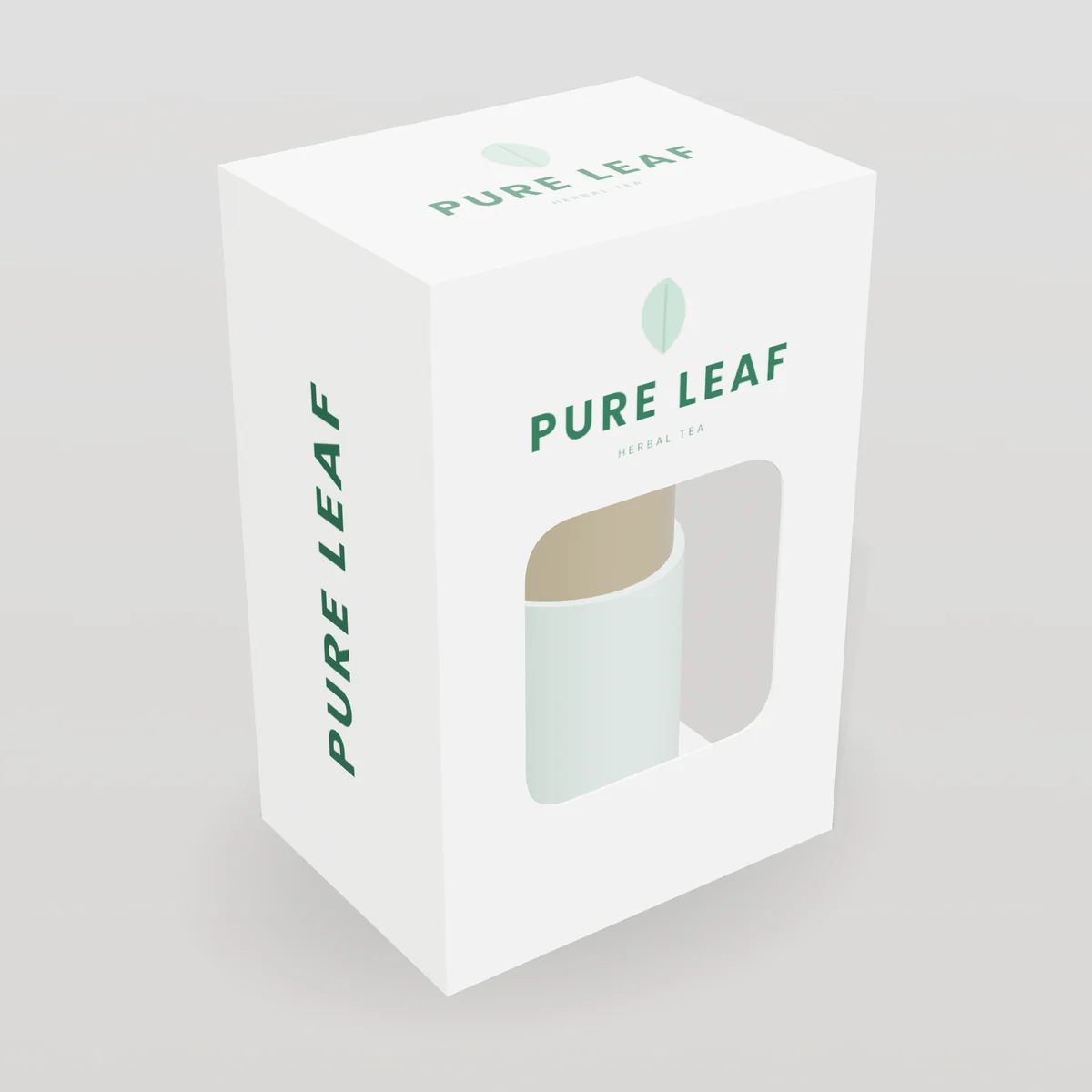
A window box is a carton with a die-cut opening that shows the product inside. The window can be left open or covered with a clear film (called window patching) to protect the contents while keeping them visible. Windows can be simple rectangles, circles or ovals, or custom shapes that echo your logo or the product itself.
Window boxes are powerful because people trust what they can see. When color, texture, freshness or craftsmanship is the selling point, a window lets the product sell itself while the box still carries your brand and the information shoppers need.
They are used for bakery and confectionery, soap, candles, toys, cosmetics, socks and accessories, tea, pasta, dried fruit, pet treats and gift sets.
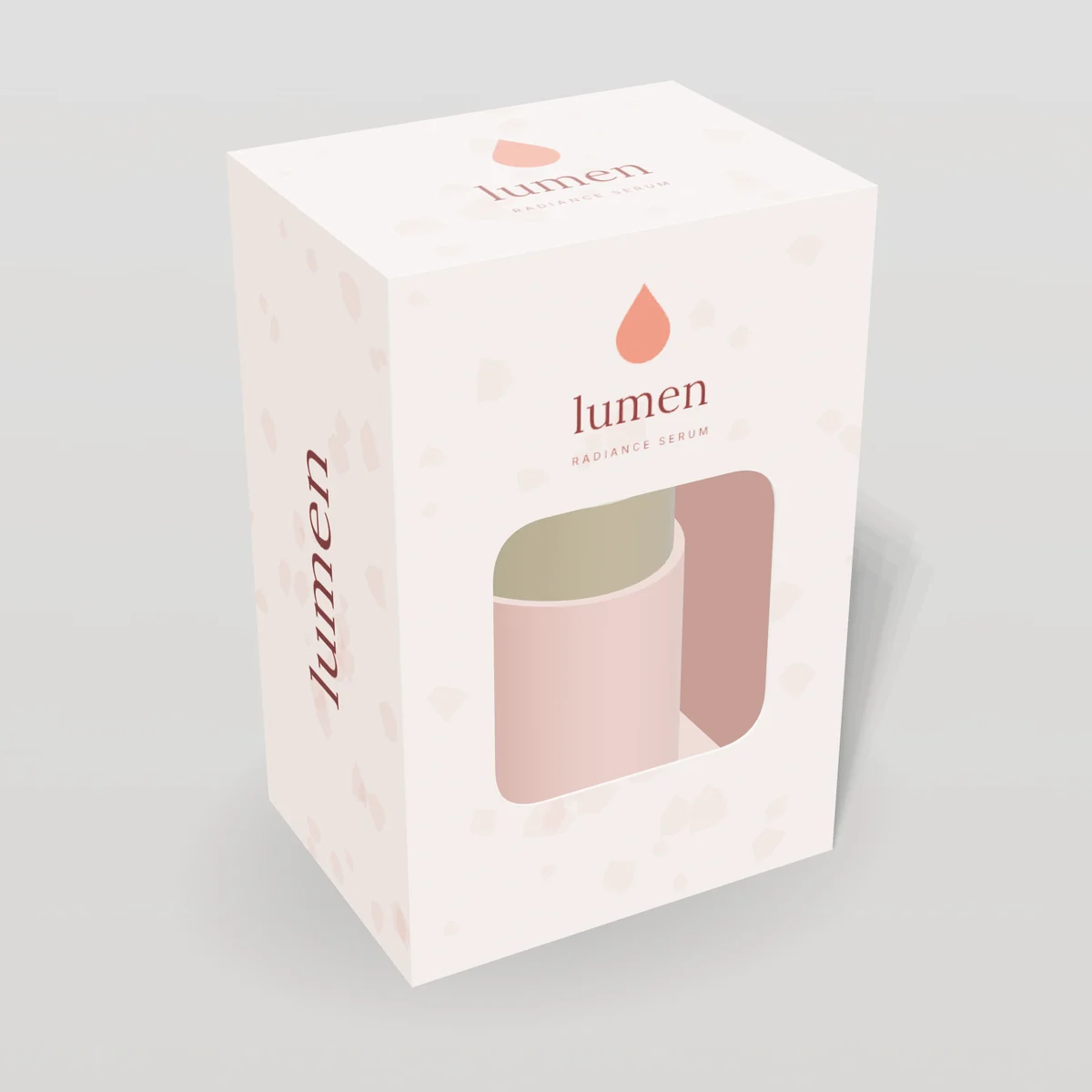
Open windows vs. film windows
| Open window | Film window (patched) | |
|---|---|---|
| Look | Direct view, natural | Clean, slightly glossy |
| Protection | Dust and touch can reach the product | Protects from dust, fingerprints and moisture |
| Recyclability | All paper | Film should be removed before recycling (or use plant-based film where available) |
| Best for | Soap, wrapped items, socks | Food, cosmetics, toys, anything that must stay clean |
Film options include clear PET (crisp and rigid), PLA (plant-based) and cellulose films. Ask about availability for your quantity.
Window box structures
Any carton can have a window. Common combinations:
- Straight tuck end with front window: the uninterrupted front panel frames the window cleanly. See tuck end boxes.
- Auto-lock bottom with window: for heavier products like candles in jars. See auto-lock bottom boxes.
- Bakery boxes with lid windows: for cakes, cookies and pastries. See bakery boxes.
- Sleeves with windows: show a product tray through the sleeve. See sleeve boxes.
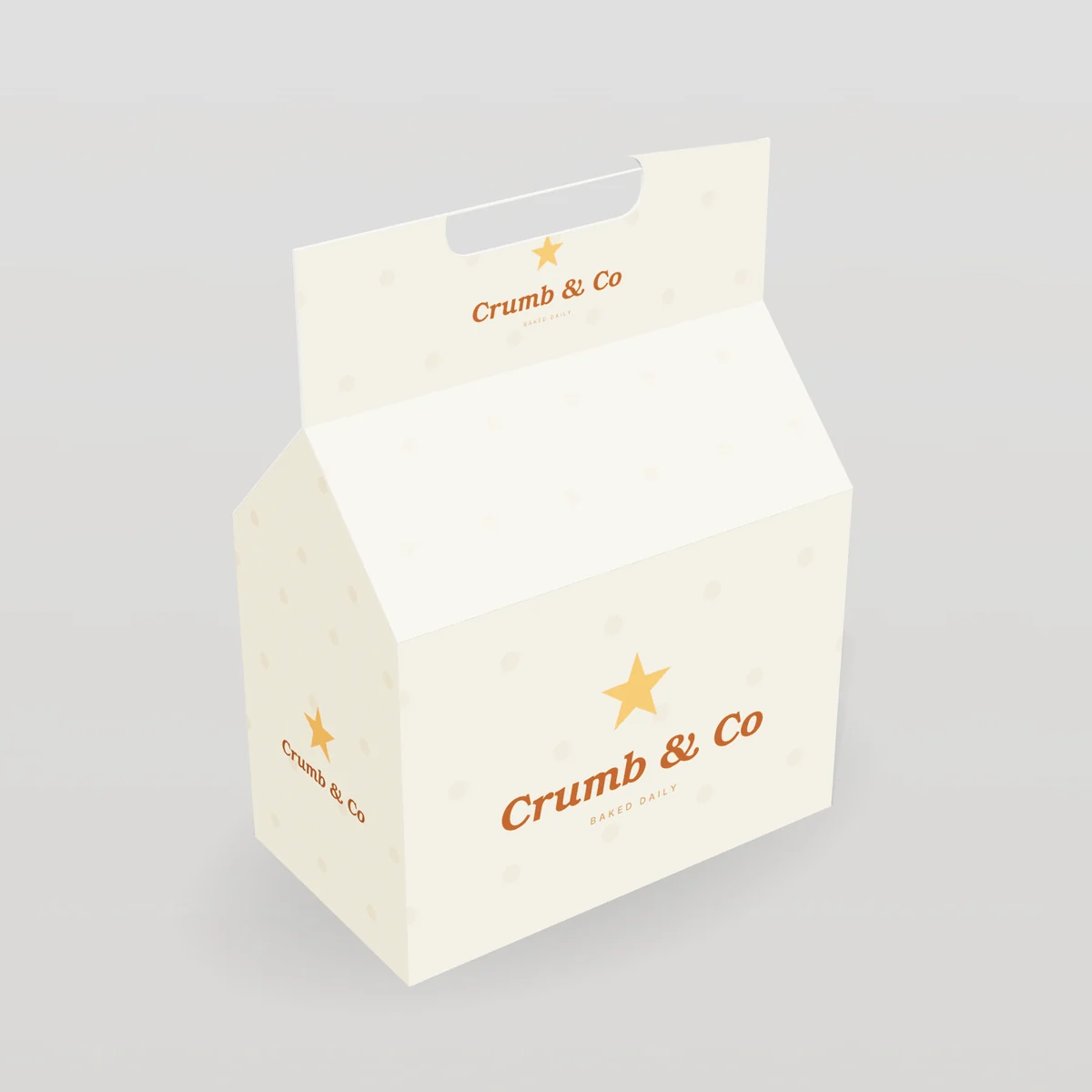
- Gable boxes with windows: carry-out treats. See gable boxes.
- Wrap-around windows: windows that turn the corner of the box for a dramatic view.
Materials
- SBS paperboard (16–24pt): clean edges around the window and the best print.
- Kraft paperboard: natural look; window edges show the brown fiber.
- Recycled board: economical for food and household items.
- Micro-flute: for heavier contents where the window could weaken a thinner board.
Note: Every window removes board, which reduces strength. Keep windows at least 1/2 in away from folds and edges and avoid very large windows on heavy products.

Designing a window box
- Plan the product position. The window must line up with the most attractive part of the product. Inserts help hold it in place.
- Frame the window with the brand. Use the remaining panel area for the logo, product name and key benefit.
- Repeat the window shape in your graphics for a cohesive look.
- Mind the back panel. Ingredients, barcodes and legal copy go on panels without windows.
- Show what is behind the window on the proof. We mock up the product inside so you can judge the composition.
Sizing window boxes
Size the box to the product as usual (inside L × W × H), then define the window:
- Decide which panel has the window (usually the front).
- Set the window size and position, leaving at least 1/2 in of board on each side and from folds.
- Add an insert if the product could slide away from the window.
Pricing window boxes
Windows add a die-cutting step and, for film windows, a separate window-patching pass with film material. The table at the top of this page shows estimates for a 4 × 4 × 6 in window box. Price drivers are quantity, size, board, print, finishes and the window (open or film). A smaller cosmetic window box compares like this:
| Quantity | Est. unit price | Est. total | Saving vs. first tier |
|---|---|---|---|
| 250 | $1.36 | $341 | — |
| 500 | $0.85 | $424 | −38% |
| 1,000 | $0.58 | $580 | −57% |
| 2,500 | $0.41 | $1,017 | −70% |
| 5,000 | $0.34 | $1,707 | −75% |
| 10,000 | $0.30 | $3,033 | −78% |
Estimates from our published pricing model, full-color print, no finishes, delivered to the contiguous US. Your written quote confirms the exact price. Get an exact quote →
Save on windows
- Use open windows when the product is wrapped or protection is not needed.
- Keep one standard window across a product line.
- Avoid wrap-around windows unless the effect is central to the brand.
Window boxes by industry
- Bakery and confectionery: film windows for hygiene and freshness. See bakery boxes and food boxes.
- Soap and bath: open windows that let people smell and see. See soap boxes.
- Cosmetics: film windows for palettes and lipsticks. See cosmetic boxes.
- Candles: show wax color and texture. See candle boxes.
- Tea and coffee: windows showing loose leaves or beans. See coffee & tea boxes.
- Toys and gifts: large windows to show the product. See retail packaging.
Sustainability
Open windows keep the box all-paper and simple to recycle. For film windows, choose plant-based film where possible and tell customers to remove the film before recycling. Smaller windows use less film.
Ordering checklist
- Product dimensions and position
- Box style and board
- Window size, shape and position; open or film
- Print and finishes
- Insert if needed
- Quantity, delivery ZIP and target date
Why window boxes sell
Shoppers trust what they can see. A window lets them check color, size, texture and quality without opening the package, which reduces hesitation at the shelf. For products that look good in their own right (baked goods, candy, soaps, candles, toys, socks, cosmetics with attractive shades), the window lets the product become part of the design. It can also reduce printing costs, because the product fills the visual space that would otherwise need artwork.
Windows also help online: product photos of a windowed box show both the brand and the product in one image.
Choosing window size and position
The window should frame the most appealing part of the product while leaving enough board for strength and branding.
| Window size (share of front panel) | Effect | Notes |
|---|---|---|
| Small (10–25%) | Teaser, curiosity | Good for scent, texture or color peeks |
| Medium (25–50%) | Balanced brand and product | Most common |
| Large (50–70%) | Product-led | Needs strong board and an insert |
| Wraparound | Shows two faces of the product | Weakens the corner; use heavier board |
Position the window where the product's best feature sits, which often means designing the insert at the same time as the window.
Inserts for window boxes
Without support, products slide and turn away from the window. Inserts keep them presented:
- Card backers hold flat products (socks, accessories) against the window.
- Cradles hold bottles and jars upright and centered.
- Platforms raise small products to window height.
- Partitions separate multiple items so each shows through its own window.
See custom inserts.
Window boxes for food
Bakeries, confectioners and specialty food brands use window boxes widely. Considerations:
- Food-safe board and film where food touches the packaging
- Anti-fog film for chilled products
- Grease-resistant board for buttery and oily items
- Light exposure: some foods lose color or flavor in light; a window may shorten shelf life
- Labeling space: ingredients, allergens and net quantity still need room on other panels
See bakery boxes and food boxes.
Window boxes and sustainability
Film windows add a small plastic patch to an otherwise paper box. To keep window boxes recyclable:
- Choose an open window when products do not need protection from dust or touch.
- Make the film easy to remove and say so on the box.
- Consider plant-based films where available, with accurate claims.
- Keep the rest of the package paper-based.
Worked example: a sock brand
A sock brand sells pairs in a 4 × 1 × 7 in tuck end window box.
- Board: 18pt kraft paperboard for a natural look.
- Window: a sock-shaped open window on the front panel.
- Insert: a printed card backer holds the folded socks flat against the window.
- Print: two dark inks with size and fiber content on the back.
- Hang option: an extended header with a delta hole for peg display; see hanger boxes.
The window turns the product pattern into the box's main graphic while the carton stays all paper.
Common mistakes with window boxes
- Products drifting away from the window because there is no insert.
- Windows too close to folds or edges.
- Film on products that would show better with an open window.
- Forgetting required information because the window took the space.
- Glossy film reflecting store lighting and hiding the product; try matte or anti-glare film for some products.
How a window changes a brand's message
A window does more than show the product: it changes what the packaging says. A fully printed box tells customers how the brand wants them to see the product; a window invites them to judge for themselves. That is a statement of confidence, and it works best when the product is genuinely attractive and consistent from unit to unit. Bakeries, confectioners, candle makers and soap makers use windows because their products look delicious, colorful or handmade. Brands whose products vary in appearance, or look plain until used, are often better served by excellent photography printed on a closed box.
Windows also shift the design balance. With part of the panel removed, the remaining print has to frame the product rather than compete with it. Strong brand marks above or beside the window, a clean color field around it and minimal text on the front panel usually work best. Product information moves to the sides and back.
Window box production
The window opening is cut by the same steel-rule die that cuts and creases the carton, so it adds little tooling. Patched windows then pass through a window-patching machine, which applies glue around the opening and places a precisely cut piece of film from a roll. The cartons continue to the folder-gluer as usual. Because patching is an extra pass, windows add a small per-unit cost and a little time.
Window boxes in one paragraph
A window box is a paperboard carton with a die-cut opening, open or covered with clear film, that lets the product sell itself. Frame the best feature of the product with a well-placed window and an insert, keep windows clear of folds, use food-safe and anti-fog films where needed, choose open windows for an all-paper carton, and keep required information on the other panels.
Three real-world scenarios
A cookie bakery's gift box. Decorated cookies sit in a paperboard tray behind a large anti-fog window, so customers can choose by design. The window box replaces a plastic clamshell, and a printed band adds the flavor names.
A candle brand in boutiques. A circular open window in a kraft carton shows the candle's colored wax and lets scent through, inviting shoppers to smell before buying.
A toy company's figurines. A straight tuck end window box with a die-cut cradle insert holds each figurine upright, and the window frames the character. The back panel carries age guidance and required information.
A buyer's guide to window boxes
Decide whether the product should be seen. Windows work when the product looks good on its own and looks the same in every box. If not, use printed photography instead.
Design the window and insert together. The window frames the product only if the product sits in the same place every time. Design the insert first, then place the window over the best view.
Choose film or open. Film keeps food and cosmetics clean; open windows keep the carton all-paper and let products be touched or smelled.
Keep the carton strong. Stay at least 1/4 in from folds and edges, avoid thin bridges and step up board thickness for large windows.
Leave room for information. With part of the front panel removed, move ingredients, directions and barcodes to the sides and back early in the design.
Check light and food requirements. For light-sensitive products, consider a smaller window or no window; for chilled food, use anti-fog film.
Ordering timeline
| Step | Typical time |
|---|---|
| Quote with recommended structure and board | Within 1 business day |
| Dieline for your exact size | 1–2 business days |
| Artwork check, digital proof and 3D preview | 1–3 business days |
| Optional plain or printed sample | About 5–12 business days |
| Production after proof approval | 10–14 business days |
| Delivery within the contiguous US | 3–7 business days |
Plan backward from your in-hand date and tell us about deadlines when you request a quote.
Terms to know
- Window patching: Gluing clear film behind a die-cut opening.
- Open window: A die-cut opening with no film.
- Anti-fog film: Film treated so condensation does not hide chilled food.
- Bridge: The strip of board between two cut-outs; too thin and it tears.
- Card backer: An insert that holds a flat product against the window.
- Straight tuck end: A carton whose tucks close the same way, leaving a seamless front for windows.
Photographing your window boxes
Window boxes photograph best straight-on with soft light from the side, so the film does not reflect the light source. If reflections persist, angle the box a few degrees or use a polarizing filter. Show one closed box beside one with the product partly lifted out, so shoppers see both the presentation and the product. For food, a close crop through the window that shows texture (frosting, sugar crystals, chocolate shine) does more than a wide shot.
Window box styles compared
| Style | Window position | Best for |
|---|---|---|
| Straight tuck end window carton | Front panel | Cosmetics, toys, accessories |
| Auto-lock bottom window carton | Front or side | Heavier products, candles, jars |
| Bakery window box (tuck top or lock corner) | Lid | Cakes, cookies, pastries |
| Window sleeve | Sleeve front | Chocolate, soap, tea |
| Gable box with side window | Side panels | Cupcakes, favors |
| Display box with window lid | Lid | Shipping and display of small items |
| Rigid box with window lid | Lid | Premium gifts (higher cost) |
Window boxes and theft
In some retail categories, a window can make products easier to tamper with or steal small items from. If this is a concern, use film rather than an open window, add a tamper-evident seal sticker on the tuck, secure the product in a fitted insert and discuss requirements with your retailer.
Quality checks when your boxes arrive
- Check that film is fully bonded around the window with no lifted edges or glue smears.
- Confirm the window lines up with the product and insert as on the proof.
- Fold several cartons to make sure the window corners do not tear.
- Inspect film for scratches or creases.
- Compare print color with your approved proof in daylight.
Report anything that does not match your approved proof within 7 days of delivery under our reprint guarantee, with photos and your order number.
Who uses window boxes
- Bakery: Cookies, cakes and pastries behind anti-fog film
- Chocolate: Bonbons and bars that sell on sight
- Soap: Open windows that let the scent through
- Candle: Showing wax color and vessels
- Cosmetic: Shades and palettes
- Retail Packaging: Toys, socks and accessories
See all industries for packaging recommendations by category.
Related box styles
If a window does not suit your product, consider a straight tuck end carton with strong photography, a sleeve box whose window shows a printed tray, or a display box that shows several products at once. For carry-out bakery items, a gable box with a side window combines visibility and a handle.
Related guides
 GuideBox styles explainedA practical comparison of every common box style: mailer, RSC shipper, tuck end, auto-lock, rigid, magnetic, sleeve, pillow, gable, display, window and tube.
 GuideFinishes & embellishmentsHow foil stamping, embossing, debossing, spot UV, soft-touch, windows and inserts work, what they cost, and how to combine them without overspending.
 GuideSustainable packagingHow to make packaging lower-impact without greenwashing: recyclable paper formats, recycled content, FSC, inks, plastic-free inserts and honest claims.
 GuideArtwork & dielinesStep-by-step guide to dielines, bleed, safe zones, CMYK, resolution, fonts, barcodes and finishing layers, so your packaging files print exactly as designed.
What finishes and add-ons cost
Estimated extra cost per unit at 1,000 units when you add one finish to a 5×3×5" window box (base estimate $0.63). One-time tooling such as foil and embossing dies is already spread across the run in the per-unit figure and listed separately for reference.
| Finish | What it does | Adds per unit | One-time setup |
|---|---|---|---|
| Matte lamination | A thin film with a smooth, low-glare finish that protects print from scuffs. | +$0.03 | — |
| Soft-touch | A velvety, premium coating that invites customers to hold the box. | +$0.05 | — |
| Spot UV | Clear glossy varnish on selected areas for a sleek contrast against matte. | +$0.13 | $80.00 |
| Foil stamping | Gold, silver, rose gold or holographic foil for logos and accents. | +$0.21 | $120 |
| Embossing / debossing | Raised or recessed logo detail you can feel with your fingertips. | +$0.20 | $120 |
| Window | A die-cut window with clear film so the product sells itself. | +$0.14 | $60.00 |
| Custom insert | Paperboard, corrugated or foam inserts that hold products in place. | +$0.23 | $80.00 |
How window boxes compare with similar styles
Estimated unit prices at 1,000 units for each style at its most popular size, full-color print, delivered within the contiguous US, so you can weigh window boxes against the alternatives customers often consider.
| Style | Typical board | Minimum | 1,000 units | Ships | Best for |
|---|---|---|---|---|---|
| Window Boxes5 × 3 × 5" | SBS white paperboard (18pt) | 250 units | $0.63 | Flat | Paperboard boxes with a die-cut window and clear film so shoppers see the product. |
| Tuck End Boxes4 × 2 × 6" | SBS white paperboard (18pt) | 250 units | $0.40 | Flat | Straight and reverse tuck end cartons that open and reclose cleanly. Ideal for lightweight retail products. |
| Sleeve Boxes6 × 4 × 2" | SBS white paperboard (18pt) | 250 units | $0.67 | Flat | A printed sleeve over a sliding tray. Interactive, premium and easy to brand on two surfaces. |
| Gable Boxes6 × 4 × 5" | SBS white paperboard (18pt) | 250 units | $0.71 | Flat | Carry-out boxes with a built-in handle for bakery items, takeaway, gifts and events. |
| Hanger Boxes4 × 1.5 × 6" | SBS white paperboard (18pt) | 250 units | $0.41 | Flat | Cartons with a built-in hang tab for pegboard and slat-wall retail displays. |
Learn about these materials
How to order window boxes
- 1Request a quote
Tell us the style, size, quantity and artwork you have. Use the form or the live estimator.
- 2Free design & dieline
We send a dieline for your exact size, check your artwork and help with layout at no charge.
- 3Approve your proof
Review a digital 3D proof (and an optional physical sample) before anything is printed.
- 4Production & QC
Your boxes are printed, finished, die-cut and inspected against the approved proof.
- 5Delivered to your door
Shipped flat-packed with tracking to any address in the contiguous US.
Key terms on this page
- Carton
- A box made from paperboard, usually a folding carton. In shipping, "carton" can also mean a corrugated case.
- Window patching
- Gluing clear film behind a die-cut window in a carton.
- Point (pt)
- The unit of paperboard thickness: 1 point equals 0.001 inch. 18pt board is 0.018 inch thick.
- Straight tuck end (STE)
- A carton whose top and bottom tucks close from the same side, leaving the front panel uninterrupted.
- Panel
- A face of a box, such as the front, back, side, top or bottom panel.
- Auto-lock bottom
- A pre-glued carton base, also called a crash-lock bottom, that locks into place automatically when the flattened box is opened. Stronger and faster to pack than a tuck bottom.
- Lid
- The top part of a box, hinged or separate.
- Tray
- An open-topped box base, often used with a sleeve or lid.
- Sleeve
- An open-ended band or tube that slides over a tray or box, often printed to brand plain packaging.
- SBS (solid bleached sulfate)
- Premium paperboard made from bleached virgin fiber, bright white throughout, with the best print and finish quality.
- Paperboard
- Thick paper (usually 0.010 inch or more) used for folding cartons, such as SBS, kraft and recycled board.
- Kraft
- Paper or board made from unbleached wood pulp, naturally brown and strong.
- Kraft paperboard
- Unbleached paperboard with a natural brown surface, used for eco-minded and artisan packaging.
- Board
- A general term for thick paper materials used in packaging, including paperboard, corrugated board and greyboard.
- Micro-flute
- Very thin corrugated board (E, F or N flute) that combines paperboard-like print quality with extra strength.
- Proof
- A preview of the final package (digital PDF, 3D render or physical sample) that the customer approves before production.
- Insert
- A component inside a box that holds products in place, such as die-cut paperboard, corrugated, foam or molded pulp.
- Die-cutting
- The process of cutting and creasing printed sheets into box shapes using a die.
- Artwork
- The final graphic files (logos, images, text and colors) placed on a dieline and used to make printing plates or digital print files.
- Net quantity
- The amount of product in a package (weight, volume or count), which many US consumer products must state on the main display panel.
- Die
- A custom tool, usually steel rule mounted in a board, used to cut and crease packaging to shape.
- Dieline
- A flat template showing the exact shape of a box before folding, with cut, crease, bleed and safe zones. Artwork is designed on top of it.
- Gable box
- A paperboard box with a built-in carry handle formed by two angled top panels that lock together.
- Rigid box
- A premium box made from thick greyboard wrapped in printed or specialty paper, delivered assembled. Also called a setup box.
- Regular slotted container (RSC)
- The standard corrugated shipping box with four top and four bottom flaps of equal depth (FEFCO 0201).
- Shipper
- A box used to ship products, often corrugated.
- Foil stamping
- Applying metallic or pigmented foil to packaging with heat and pressure using a metal die.
- Embossing
- Raising part of the board surface into a relief using matched dies, often combined with foil or ink.
More definitions in our packaging glossary.
Customer reviews
Reviews come only from verified customers. Ordered window boxes from us? Share your experience.
Discussed on Quora & X
Window Boxes FAQ
What is a window box?
A carton with a die-cut opening that shows the product, either open or covered with clear film.
What is window patching?
The process of gluing clear film behind a die-cut window to protect the contents.
What is the minimum order?
Our minimum for window boxes is 250 units.
Are window boxes recyclable?
Open-window boxes are all paper and widely recyclable. Film windows should be removed before recycling; plant-based films are available.
Does a window weaken the box?
A little. We keep windows away from folds and edges and can add an insert or use heavier board for heavier products.
Can windows be custom shapes?
Yes. Circles, ovals, arches, logo shapes and other custom shapes are possible with a custom die.
Can a window box be shipped by mail?
Window boxes are retail cartons. For shipping, pack them in a corrugated mailer or shipping box.
Can I have more than one window?
Yes. Multiple windows work well for sets, each showing a different item.
Does a window add much to the price?
It adds film and a patching step per unit, but the window is cut with the same die as the carton, so the increase is usually modest.
What products work best in window boxes?
Products that look appealing and consistent: baked goods, chocolates and candy, soaps, candles, cosmetics with attractive shades, toys, socks and accessories. Products that look plain or vary in appearance often sell better with printed photography instead.
Should my window have film or be open?
Use film when the product must stay clean, protected from dust or hygienic (food, cosmetics). Use an open window when the product is wrapped or robust and you want an all-paper carton.
What film is used for windows?
Clear PET is the most common; PP is a flexible alternative; anti-fog film is used for chilled food; plant-based films are available for some projects.
Can windows be any shape?
Almost any shape the die can cut cleanly: circles, arches, product silhouettes and logo shapes. Avoid very thin bridges and sharp internal corners.
How do I keep the product lined up with the window?
Use an insert (card backer, cradle or platform) designed with the window, so the product sits in the same position in every box.
Can I print on the window film?
On some productions, yes: white or color printing on film can add labels or patterns over the window.
Do window boxes cost more?
They add a small per-unit cost for film and patching, but the window is cut by the same die as the carton.
What is the minimum order for window boxes?
Most window carton styles start at 250 units.
Can windows be placed on two sides?
Yes. Wraparound windows across a corner, or windows on two panels, show more of the product. They weaken the carton more, so heavier board is usually needed.
What is the smallest window you can make?
Small windows around 1/2 in across are possible; very tiny windows are hard to patch with film, so consider open windows for small sizes.
Can a window box hold heavy products?
With heavier board, an auto-lock bottom and an insert, window cartons can carry moderately heavy products. Tell us the weight.
Is window film food safe?
Food-safe films are available; specify them when food may touch the film.
Can I add a window to my existing box design?
Usually yes. We adjust the dieline and check that the panel remains strong enough.
Where do you deliver window boxes?
We deliver to business and residential addresses across the contiguous United States with tracking, usually within 3–7 business days after production. Alaska, Hawaii and expedited freight are quoted separately.
What if my window boxes arrive with a defect?
Report it within 7 days of delivery with photos and your order number. If there is a production defect or the boxes do not match your approved proof, we reprint or refund the affected items under our reprint guarantee.