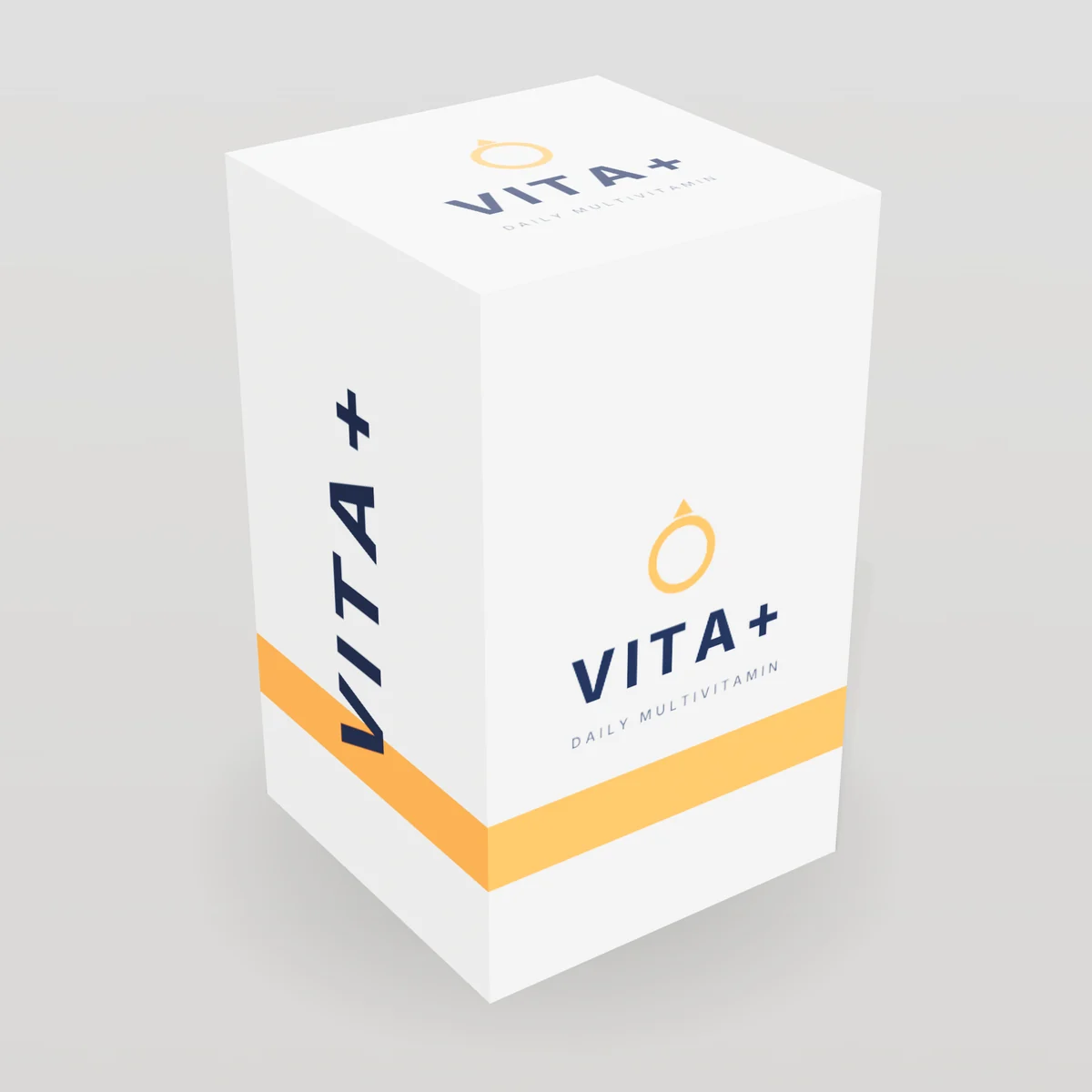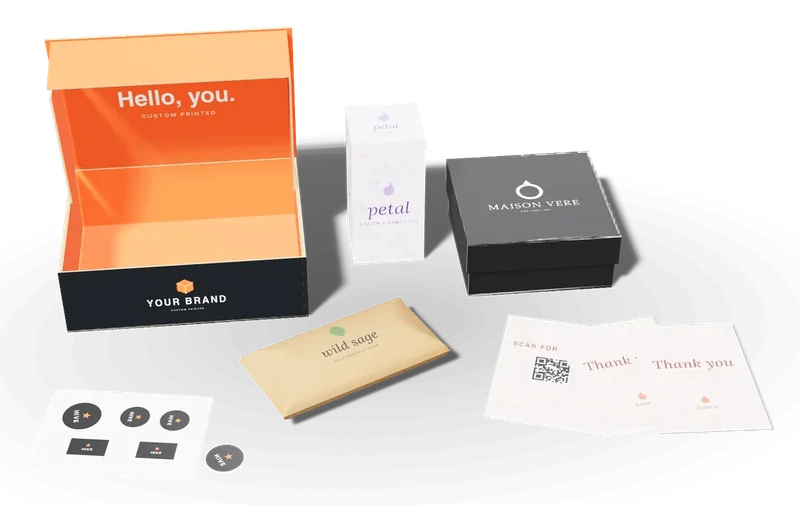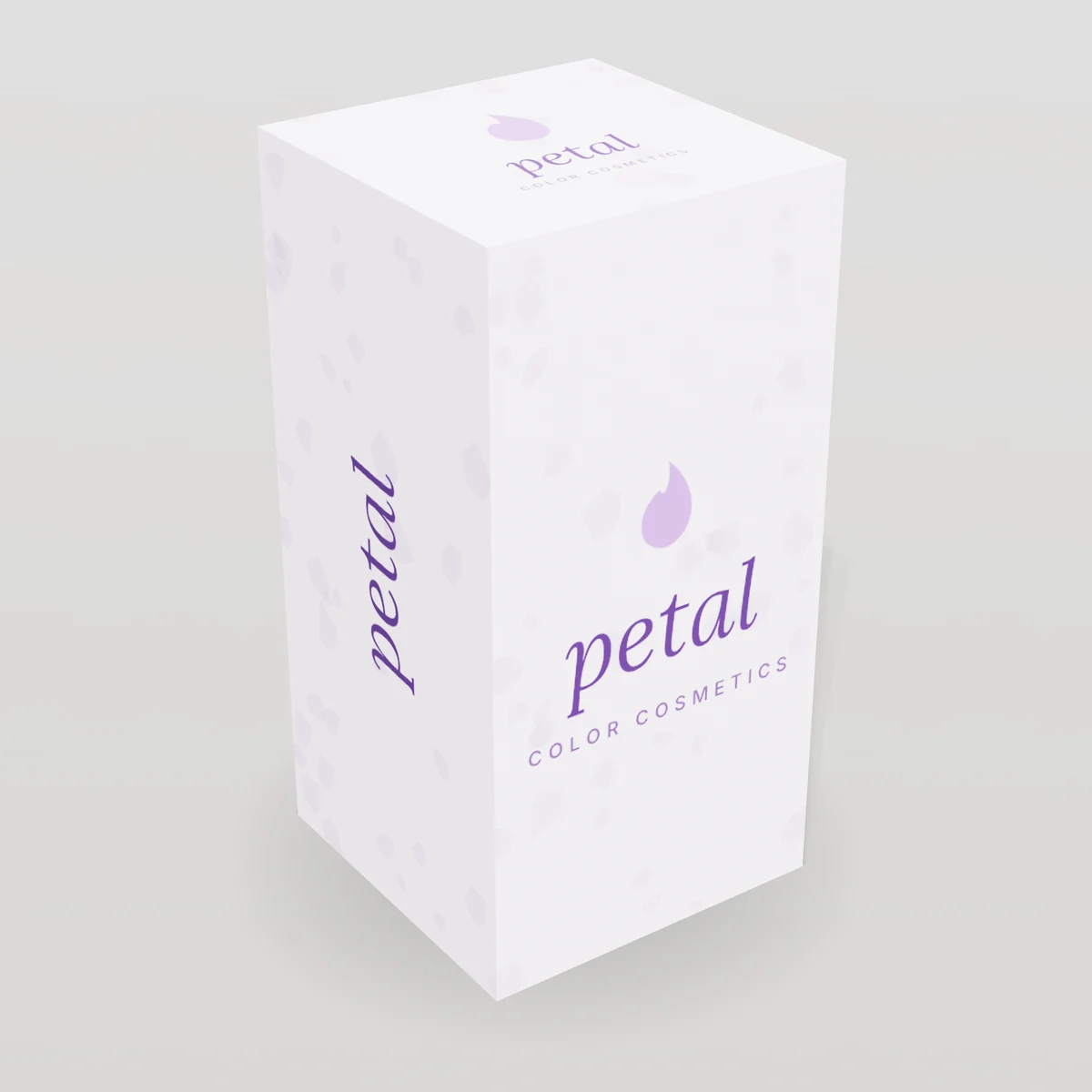
Quick answer
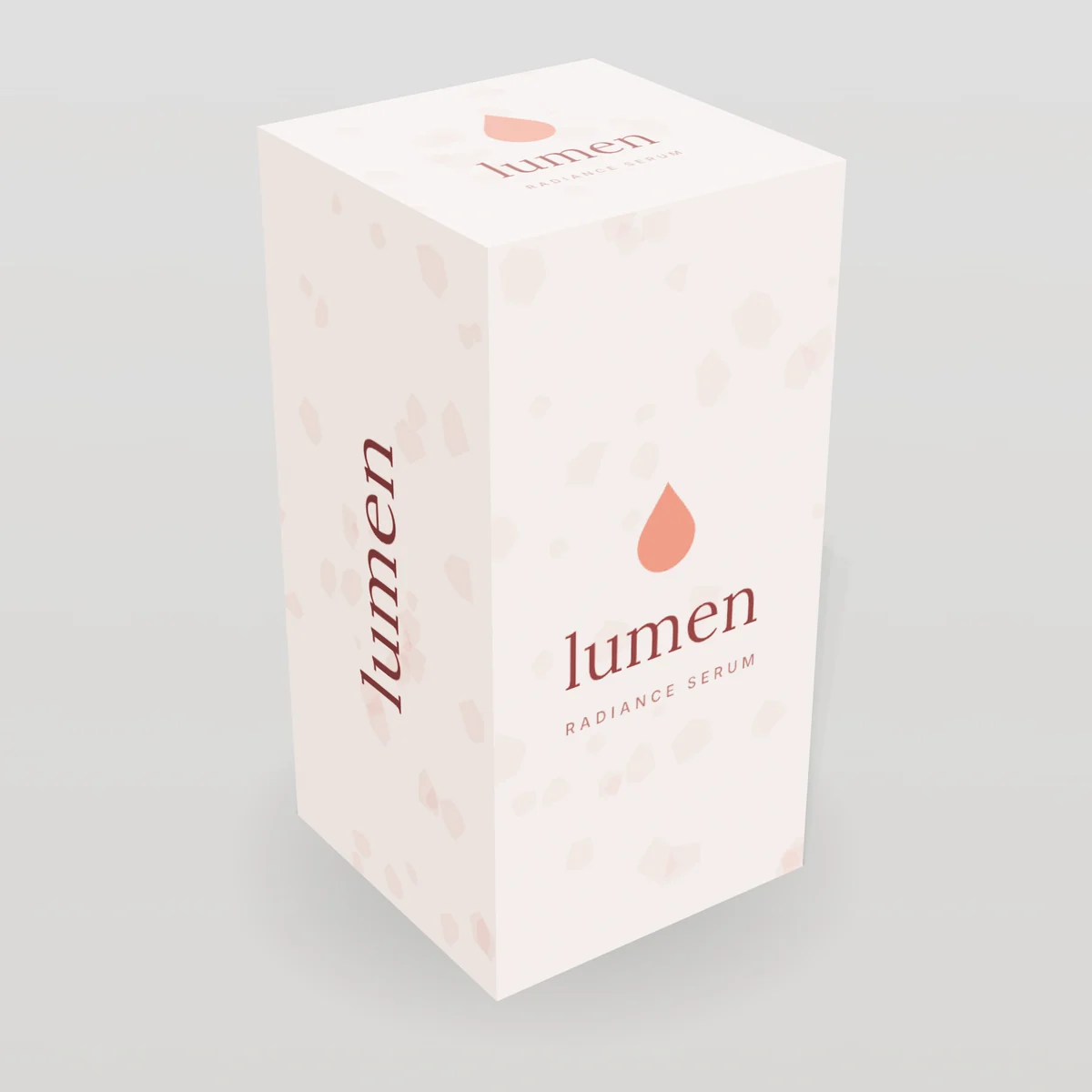
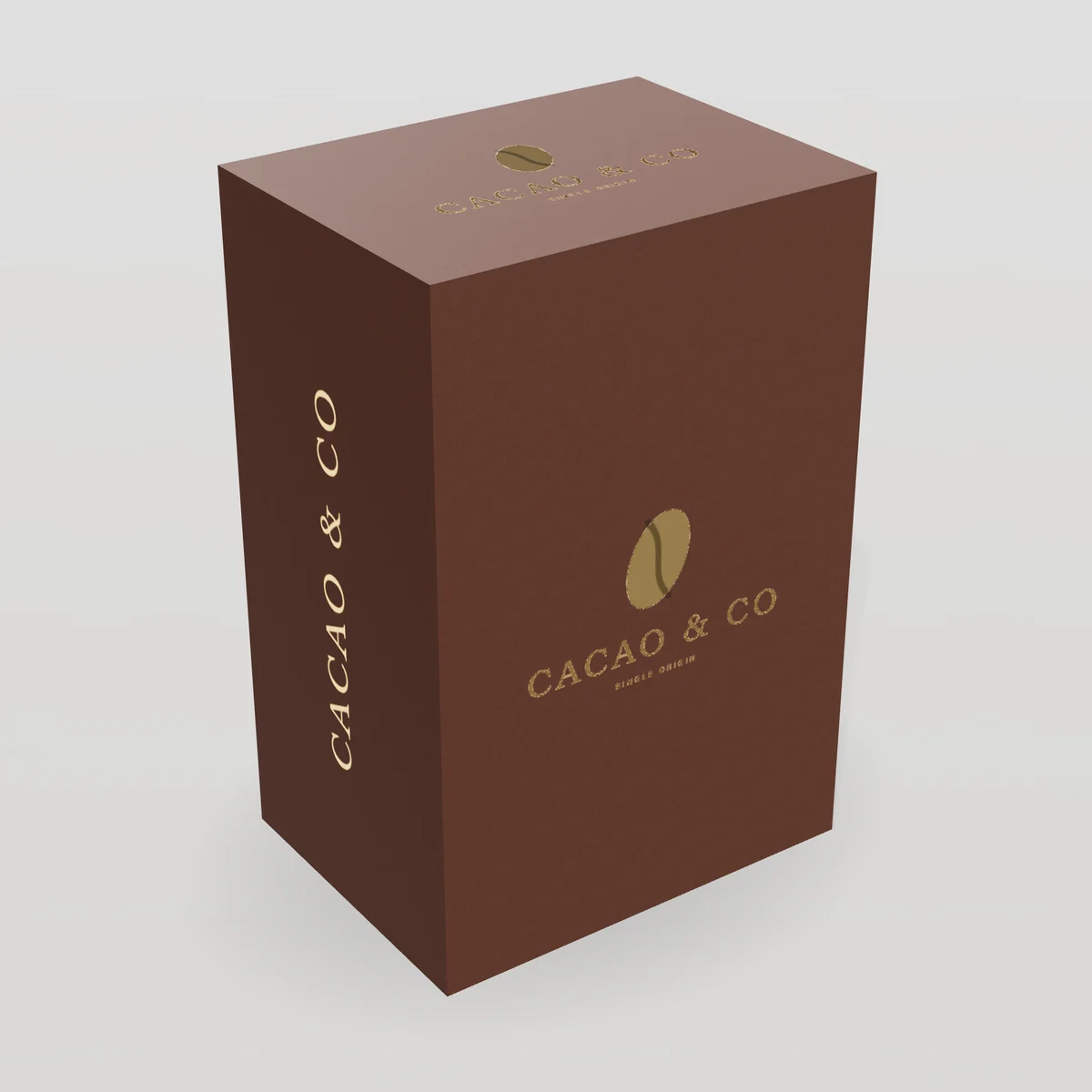
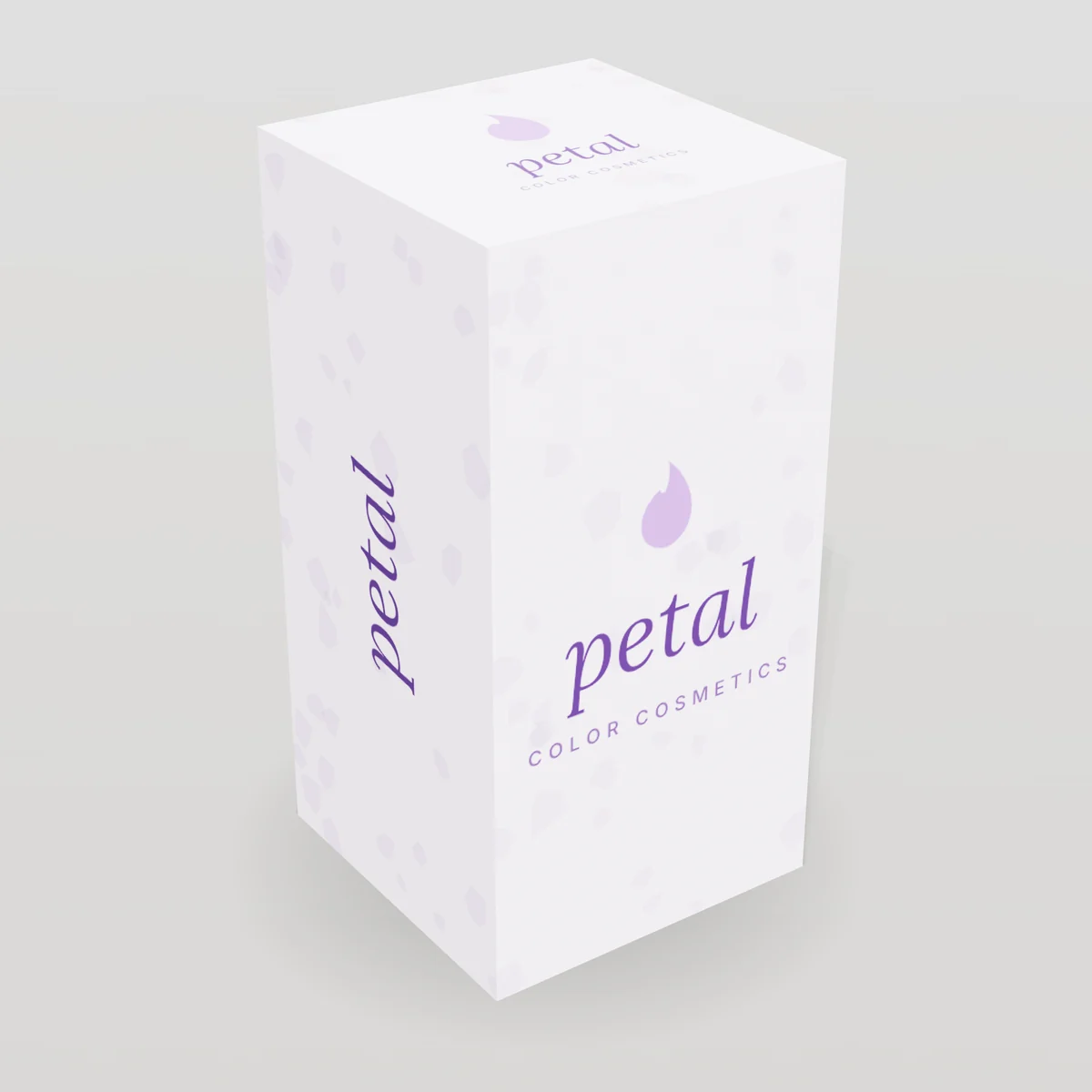
Lightweight printed paperboard cartons that ship flat and fold up fast on your packing line. Estimated prices start around $0.21 per unit at 10,000 units and $1.00 at 250 units for a 3×3×5" box. Typical turnaround is 10–14 business days after proof approval.
Folding Cartons: specifications
| Styles | Straight tuck, reverse tuck, auto-lock, seal end, sleeve |
|---|---|
| Board | 14–24pt SBS (C1S/C2S), kraft CUK, recycled CRB |
| CMYK + PMS offset; digital for short runs | |
| Coatings | Aqueous, UV, matte/gloss/soft-touch lamination |
| Minimum order | 250 units |
| Turnaround | 10–14 business days after proof |
Folding Cartons: price breaks
How the estimated unit price of a 3×3×5" folding carton in SBS white paperboard (18pt) changes with quantity. Setup costs are spread over more boxes as the run gets longer, so the per-box price drops sharply in the first few tiers.
| Quantity | Est. unit price | Est. total | Saving vs. first tier |
|---|---|---|---|
| 250 | $1.00 | $251 | — |
| 500 | $0.62 | $310 | −38% |
| 1,000 | $0.42 | $419 | −58% |
| 2,500 | $0.29 | $726 | −71% |
| 5,000 | $0.24 | $1,212 | −76% |
| 10,000 | $0.21 | $2,144 | −79% |
Estimates from our published pricing model, full-color print, no finishes, delivered to the contiguous US. Your written quote confirms the exact price. Get an exact quote →
Popular sizes for folding cartons
Sizes are inside dimensions (length × width × height) in inches. Any custom size is available at no extra cost; these are simply the sizes brands order most.
| Size (L×W×H) | Typical use | Est. @ 500 | Est. @ 1,000 | Quote |
|---|---|---|---|---|
| 2 × 2 × 5" | Lip care, jewelry, single sachets, small accessories | $0.54 | $0.35 | Quote |
| 3 × 3 × 5" | Serums, candles, soaps, single small products | $0.62 | $0.42 | Quote |
| 3 × 2 × 6" | Serums, candles, soaps, single small products | $0.58 | $0.38 | Quote |
| 4 × 4 × 6" | Gift sets, apparel accessories, small electronics | $0.74 | $0.53 | Quote |
| 6 × 2 × 8" | Gift sets, apparel accessories, small electronics | $0.70 | $0.49 | Quote |
Material options and how they affect price
Estimated unit price at 1,000 units for a 3×3×5" folding carton with full-color printing, by material. Material choice changes look, strength and recyclability as well as cost.
| Material | What it’s like | Est. unit price |
|---|---|---|
| SBS white paperboard (18pt) | Bright white, smooth solid bleached sulfate board. Sharpest print and the best base for foil, spot UV and embossing. | $0.42 |
| Kraft paperboard (18pt CUK) | Natural brown unbleached kraft board with long, tough fibers. Looks handmade and eco-minded; best with one or two dark inks. | $0.41 |
| Recycled paperboard (CRB) | Coated recycled board with a white printing face and grey back. The economical, high-recycled-content choice for everyday retail. | $0.40 |
Printing options compared
How the print specification changes the estimated unit price of a 3×3×5" folding carton in SBS white paperboard (18pt). One- and two-color printing carries a small plate charge that matters less as quantities grow; full-color digital and offset printing have no plate charge in our model.
| Printing | 500 units | 1,000 units | 5,000 units |
|---|---|---|---|
| Plain (no print) | $0.54 | $0.34 | $0.18 |
| 1 color | $0.68 | $0.43 | $0.21 |
| 2 colors | $0.76 | $0.47 | $0.23 |
| Full color outside | $0.62 | $0.42 | $0.24 |
| Full color outside + inside | $0.69 | $0.49 | $0.30 |
What is a folding carton?
A folding carton is a box made from a single sheet of paperboard that is printed, die-cut, creased and (usually) glued along one side seam, then shipped flat. At your packing line it is pushed open, the bottom is closed, the product goes in and the top is tucked or sealed. Folding cartons are the most common form of retail packaging in the world: cereal boxes, cosmetics cartons, tea boxes, medicine packs and toothpaste boxes are all folding cartons.
Their popularity comes from a rare combination of qualities. Paperboard prints with photographic sharpness, ships and stores flat, is light enough to keep freight costs down and is widely recyclable. Production is highly efficient at scale, and short runs are now practical thanks to digital printing and digital cutting. The cigarette pack is a well-known example of how precise high-volume folding carton engineering can be (see how a carton of cigarettes is built).
On this page you will learn how folding cartons are made, how to choose the board and structure, what to expect on price, and how to set up artwork that prints and folds perfectly.
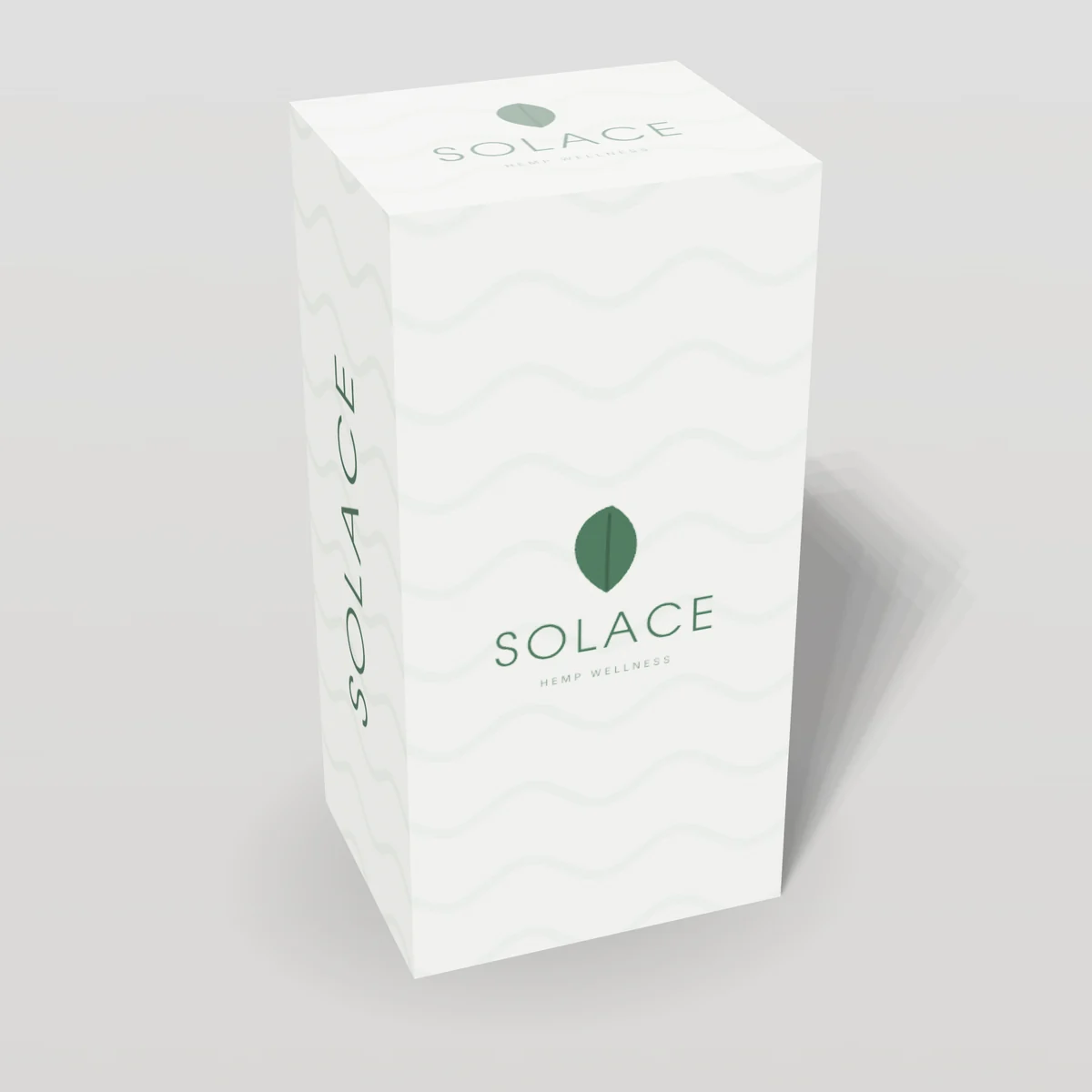
How folding cartons are made
Understanding the production steps explains why some design choices cost more than others.
- Sheeting and printing. Large sheets of paperboard are printed on an offset or digital press. Many cartons fit on one sheet, which is why setup cost is spread across the run.
- Coating or laminating. An aqueous or UV coating, or a laminate film, is applied for protection and finish.
- Embellishing. Foil stamping, embossing or spot UV are added in separate passes, each with its own tooling.
- Die-cutting and creasing. A steel-rule die cuts the outline and presses crease lines so the carton folds cleanly.
- Stripping. Waste board between cartons is removed.
- Folding and gluing. A folder-gluer applies glue to the side seam (and the base, for auto-lock styles) and folds the carton flat.
- Inspection and packing. Cartons are checked against the approved proof and packed flat in shipping cases.
Every extra step (a second foil, a window patch, an auto-lock base) adds machine time. That is why the cleanest designs are often the most economical.
Folding carton styles
| Style | Description | Typical uses |
|---|---|---|
| Reverse tuck end (RTE) | Top tuck closes front-to-back, bottom tuck back-to-front | The most economical general-purpose carton |
| Straight tuck end (STE) | Both tucks close from the back, leaving the front panel unbroken | Premium cartons, window cartons |
| Tuck top auto-bottom (crash lock) | Pre-glued base pops into place | Jars, bottles, heavier items |
| Seal end (glue end) | Flaps glued at both ends on automated lines | Food, household, high-speed packing |
| Tuck top snap-lock bottom (1-2-3 bottom) | Interlocking bottom flaps, no glue | Medium weights, hand packing |
| Sleeve | Open-ended tube | Wraps around trays or products |
| Six-corner and four-corner trays | Glued trays for display or lids | Bakery, gifts, display packaging |
For a detailed walkthrough of every style, see our box styles guide. The free Dieline Generator creates templates for reverse tuck, straight tuck and auto-lock cartons in your exact size.
Choosing paperboard for folding cartons
Paperboard grade is the foundation of carton quality. The three main families in North America are:
SBS: solid bleached sulfate
Made from bleached virgin fiber throughout, SBS is bright white on both sides, very smooth and strong for its weight. It gives the sharpest print, the cleanest folds and the most consistent finish for foils and embossing. It is the standard for cosmetics, pharmaceuticals, fragrance and premium retail. Grades are often written as C1S (coated one side) or C2S (coated both sides). Learn more about SBS paperboard.
CUK and kraft paperboard
Coated or uncoated unbleached kraft board has long, strong fibers and a natural brown color. It is very tough and tear resistant. Uncoated kraft gives a rustic, eco-forward look; coated kraft (CUK) has a white printable face over a brown back. See kraft paperboard.
CRB: coated recycled board
Made from recycled fiber with a white clay-coated face and a grey back. It prints very well, costs less than SBS and is the workhorse of food and household packaging. Whites are slightly less brilliant and folds can crack more easily on dark solid colors, so a laminate or careful color choice helps. See recycled paperboard.
Caliper guide
| Caliper | Feel | Use for |
|---|---|---|
| 14–16pt | Light, flexible | Sachets, tea, lightweight items |
| 18pt | Standard, firm | Most cosmetics, supplements, small goods |
| 20pt | Sturdy | Larger cartons, heavier products |
| 24pt | Very rigid | Premium feel, large cartons, heavier contents |
Printing folding cartons
Folding cartons are where print quality shines. Most runs use one of two methods:
- Offset lithography prints CMYK and Pantone spot colors at very high resolution with excellent color consistency. It is the most economical method from roughly 1,000–2,000 units up and the best choice for exact brand color matching. See offset printing.
- Digital printing prints directly from the file with no plates. It suits short runs, test markets, multiple SKUs and versioned or personalized cartons. See digital printing.
Color tips for cartons
- Specify Pantone for brand-critical colors, and approve a printed proof for exact matches.
- Use rich black (for example C40 M30 Y30 K100) for large black areas so they look deep, but keep small text in 100% K only to avoid registration blur.
- Watch dark solids on folds. Dark ink on the outside of a fold can crack and show white fibers. Lamination, a lighter color at the fold, or a suitable board grade reduces cracking.
- Barcodes should be 100% black on white or a light color, at nominal size, with quiet zones intact.
Coatings and finishes
| Finish | Effect | Notes |
|---|---|---|
| Aqueous coating | Light protection, natural feel | Standard, recycles easily |
| UV coating | High gloss, harder surface | Strong shine; fewer finishing options on top |
| Matte or gloss lamination | Scuff resistance, rich color | Film adds durability and premium feel |
| Soft-touch lamination | Velvety, luxurious | Pairs well with spot UV and foil |
| Spot UV | Glossy accents | Needs a separate vector layer |
| Foil stamping | Metallic highlights | One-time die; small areas are most economical |
| Embossing / debossing | Tactile relief | Works best on 18pt+ board |
| Window | Shows the product | Film patch optional |
For details on each, see our packaging finishes guide.
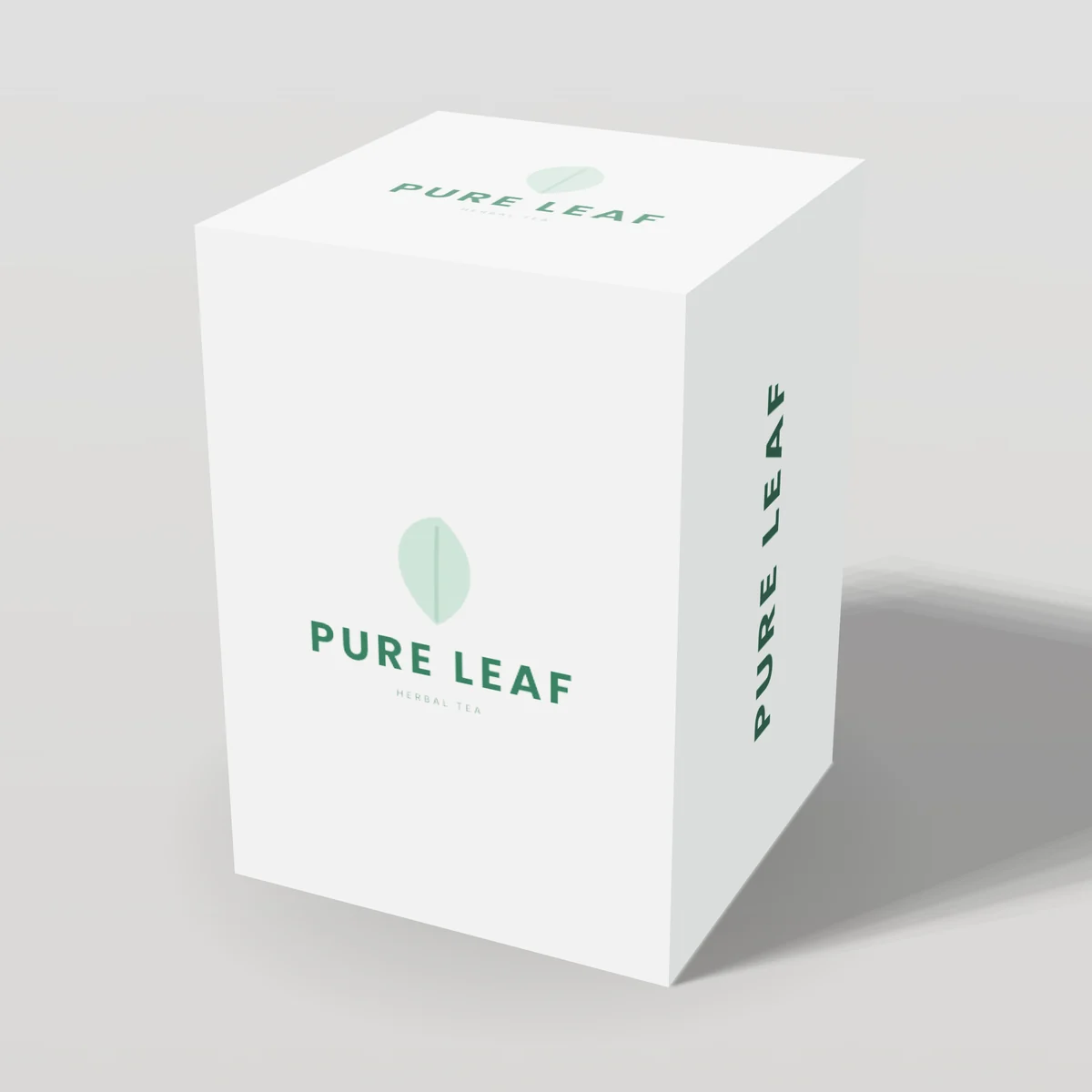
Sizing folding cartons
Folding cartons are specified by inside dimensions in the order Length × Width × Height (or Depth). For tuck end cartons, length and width form the tuck opening; height runs between the tucks.
- Measure the product at its largest points, including closures.
- Allow 1/16 to 1/8 in clearance per dimension for most products.
- Consider how the product goes in. Tall bottles go in through the end; wide items may need the opening on the larger face, which changes which dimension is "length".
- Test with a plain sample for critical fits such as glass dropper bottles or palettes.
Remember that board thickness affects fit: 24pt board takes up more space than 16pt. If you change caliper, ask for an updated dieline.
Folding carton pricing
The estimate table at the top of this page shows a 3 × 3 × 5 in carton. Costs depend on:
- Sheet utilization. How many cartons fit on a press sheet. Odd sizes that waste board cost more per carton.
- Quantity. Plates, make-ready and dies are spread over the run.
- Board grade and caliper.
- Number of colors and finishes, each a separate setup.
- Structure. Auto-lock bottoms and windows add folder-gluer complexity.
- Number of SKUs. Several designs can share a sheet (ganging) to save setup costs.
For comparison, here is a larger 4 × 4 × 6 in carton in recycled board:
| Quantity | Est. unit price | Est. total | Saving vs. first tier |
|---|---|---|---|
| 250 | $1.09 | $273 | — |
| 500 | $0.70 | $349 | −36% |
| 1,000 | $0.49 | $493 | −55% |
| 2,500 | $0.36 | $895 | −67% |
| 5,000 | $0.31 | $1,529 | −72% |
| 10,000 | $0.27 | $2,748 | −75% |
Estimates from our published pricing model, full-color print, no finishes, delivered to the contiguous US. Your written quote confirms the exact price. Get an exact quote →
Cost-saving ideas
- Gang SKUs: design several products to the same carton size so they print together.
- Pick a standard caliper (18pt) unless the product truly needs more.
- Limit foils to a logo-sized area.
- Choose RTE over STE or auto-lock when the product is light.
- Order for the season, not the month, if storage allows.
Use the Packaging Cost Calculator to compare scenarios.
Artwork setup for folding cartons
- Start from the dieline for your exact size, style and caliper.
- Keep live text 1/8 in (3 mm) inside cut and crease lines.
- Add 1/8 in bleed beyond the cut line on all printed edges.
- Leave glue areas unprinted (or knocked out) so the side seam bonds properly.
- Set finishes as spot layers (foil, spot UV, emboss) at 100% in a named swatch.
- Use 300 ppi images at final size and vector logos.
- Outline fonts or package them.
- Export PDF/X-1a or PDF/X-4 with bleed.
Our artwork guidelines cover each step with diagrams. Free file checks are included with every quote.
Folding cartons by industry
- Cosmetics and fragrance: SBS, soft-touch, foil, embossing, inserts. See cosmetic boxes and perfume boxes.
- Supplements and wellness: auto-lock cartons around bottles with clear regulatory panels. See supplement boxes.
- Food and beverage: CRB or SBS with food-safe coatings; windows for bakery. See food boxes.
- Tea and coffee: tuck cartons for tea bags, sleeves for gift sets. See coffee & tea boxes.
- CBD and hemp: cartons with room for compliance text and batch information. See CBD boxes.
- Soap and personal care: kraft cartons and sleeves. See soap boxes.
Folding cartons and sustainability
Paperboard cartons are made from renewable fiber, and CRB is made almost entirely from recycled fiber. Most cartons are accepted in US curbside recycling. To keep them that way, prefer aqueous coatings, keep laminations and foils modest, choose paper windows or no window when possible, and right-size the carton. If you make FSC claims, you need certified supply and the correct license code on pack; see our sustainable packaging guide.
Folding cartons compared
| Compared with | Choose a folding carton when… | Choose the alternative when… |
|---|---|---|
| Rigid box | You need efficient, flat-shipping retail packaging | The box must feel heavy and luxurious |
| Mailer box | The product is sold on shelves or packed inside a shipper | The box ships directly to the customer |
| Stand-up pouch | The product is solid or needs a rigid shape | You sell loose, pourable or resealable goods |
Common folding carton mistakes
- Choosing board by price alone. Too thin a board bulges and crushes; the saving disappears in returns and a poor shelf look.
- Designing on a generic template that ignores your board's thickness and grain direction.
- Heavy dark ink across folds without lamination, causing visible cracking.
- Forgetting tuck clearance, so products scuff on the way in or tucks pop open.
- Too little space for required information, discovered at the proof stage.
- Not testing with the real product, especially for bottles with pumps or caps.
- Ordering every SKU separately when sizes could be standardized to share dies and setup.
Questions to ask any carton supplier
When comparing quotes, ask:
- Which board grade and caliper is quoted?
- Is the price for printed one side or two?
- Which coating or lamination is included?
- Are dies, plates and setup included in the unit price?
- What is the production lead time after proof approval?
- What tolerance applies to quantity (overs and unders)?
- Is delivery included, and to which address?
- What proofs are provided (PDF, 3D, physical sample)?
- What happens if cartons do not match the approved proof?
Our quotes answer all of these up front; see pricing and our reprint guarantee.
Folding cartons and the supply chain
Folding cartons are delivered flat in counted bundles, packed in corrugated cases on pallets. Plan for:
- Storage: dry, flat, away from heat. Flat cartons take far less space than assembled boxes.
- Acclimation: let cartons adjust to the packing room for a day before use, especially in winter or humid summers, so they fold smoothly.
- First in, first out: use older stock first.
- Reorder lead time: typically 10–14 business days of production plus shipping; set reorder points accordingly.
From carton to shelf: secondary packaging
Cartons rarely travel alone. Plan how they ship:
- Inner packs and shipper cases hold multiple cartons for distribution.
- Shelf-ready packaging (SRP) cases open into a tray that goes straight on the shelf.
- E-commerce: cartons ship inside mailers or shipping boxes with inserts or void fill.
Cartons designed together with their shippers save space and prevent crushed corners.
Worked example: a three-SKU supplement launch
A supplement brand launches three products in 60-count bottles.
- Size standardization: one carton size (2.5 × 2.5 × 4.75 in) fits all three bottles, so one die serves every SKU.
- Board: 18pt SBS.
- Print: CMYK plus one Pantone brand color; each SKU has its own accent color.
- Finish: matte aqueous coating with spot UV product names.
- Information: Supplement Facts on the back panel, sized at the start of design.
- Ordering: all three printed in one run, sharing setup.
See supplement boxes.
Folding cartons by product weight
| Product weight | Suggested structure | Board |
|---|---|---|
| Under 4 oz | Reverse tuck end | 16–18pt SBS, kraft or CRB |
| 4–8 oz | Reverse or straight tuck end | 18pt |
| 8 oz–1 lb | Tuck top with snap-lock or auto-lock bottom | 18–20pt |
| 1–2 lb | Auto-lock bottom | 20–24pt |
| Over 2 lb | Auto-lock bottom in heavy board, or E-flute | 24pt or E-flute corrugated |
Special carton constructions
Beyond the standard tuck and auto-lock styles, folding cartons can include:
- Tear strips for easy, tamper-evident opening
- Dispenser panels that tear away to dispense sachets or tea bags
- Hang tabs for peg display
- Windows with or without film
- Double-wall panels for extra stiffness on premium cartons
- Integrated inserts folded from the same blank to hold bottles or jars
- Reclosable tabs for products used over time
Each adds a little complexity to the die and gluing, so ask for them in your quote and we will confirm the structure and cost.
Cartons and cartoning machines
Brands that pack at volume often move from hand packing to semi-automatic or automatic cartoning. Plan cartons with the machine in mind:
- Choose a style the machine supports (often straight tuck, reverse tuck or seal end).
- Keep tolerances tight and consistent.
- Ask for pre-broken folds so cartons open reliably.
- Specify bundle counts and case packing to match the machine's magazine.
- Run a trial batch before a large order.
Folding cartons in one paragraph
Folding cartons are printed paperboard boxes cut from a single sheet and folded into shape, the standard packaging for retail products. Choose SBS for premium print, kraft for a natural look and CRB for economical high-volume lines; size them snugly around the product; pick a tuck end for light items and an auto-lock bottom for heavier ones; and add one finish that supports your brand. Ship them flat, store them dry, and pack them in a corrugated outer for distribution.
A brief history of the folding carton
The folding carton is younger than most people assume. For much of the nineteenth century, retail goods were sold loose, in bags or in heavy set-up boxes assembled by hand. The modern folding carton became practical when printers learned to cut and crease paperboard in a single press stroke, a technique credited to a happy accident in a Brooklyn paper-bag factory in the 1870s when a misaligned rule cut and creased a stack of bags at once. Pre-cut, pre-creased blanks could be shipped flat and folded where products were packed, which made branded packaging affordable for mass-market goods. Breakfast cereals, crackers, soap and medicines quickly moved into printed cartons, and the shelf as we know it was born.
The principles have not changed: a flat, printed, die-cut blank that folds into a box at the point of packing. What has changed is precision and choice. Modern presses register color to fractions of a millimeter, digital printing makes short runs economical, and finishing equipment can add foil, embossing and spot UV inline. That is why a growing brand can now order a few hundred cartons that look as polished as a global brand's.
How to brief a carton project
A clear brief saves rounds of revisions. Include:
- The product: dimensions, weight, closure type (pump, dropper, cap), and a photo
- The channel: retail shelf, peg, e-commerce, gift, or all of these
- The look: references you like and dislike, brand colors with Pantone numbers
- The must-haves: required information, barcode, claims, logos of certifications you legitimately hold
- The budget and quantity range: even a rough figure helps us recommend board and finishes
- The timing: launch date, and whether a sample is needed before the order
With that, we can recommend structure, board, print and finish in one quote and send a dieline for your exact size.
Folding carton checklist
- [ ] Product measured with caps, pumps and inserts
- [ ] Style chosen by weight and how cartons are packed
- [ ] Board and caliper chosen (SBS, kraft, CRB; 16–24pt)
- [ ] Coating or lamination chosen, plus any one premium finish
- [ ] Required information listed and placed
- [ ] Barcode sized and placed away from folds
- [ ] Dieline for the exact size used for artwork
- [ ] Proof checked word by word and approved
- [ ] Outer shipping case and storage planned
Ordering checklist
- Product size and weight; inside carton dimensions
- Style (RTE, STE, auto-lock, seal end, sleeve)
- Board and caliper
- Print colors, Pantone references, inside print
- Coatings and finishes
- Window or insert requirements
- Number of SKUs and quantities per SKU
- Labeling requirements and barcode
- Delivery ZIP and target date
What finishes and add-ons cost
Estimated extra cost per unit at 1,000 units when you add one finish to a 3×3×5" folding carton (base estimate $0.42). One-time tooling such as foil and embossing dies is already spread across the run in the per-unit figure and listed separately for reference.
| Finish | What it does | Adds per unit | One-time setup |
|---|---|---|---|
| Matte lamination | A thin film with a smooth, low-glare finish that protects print from scuffs. | +$0.02 | — |
| Soft-touch | A velvety, premium coating that invites customers to hold the box. | +$0.04 | — |
| Spot UV | Clear glossy varnish on selected areas for a sleek contrast against matte. | +$0.12 | $80.00 |
| Foil stamping | Gold, silver, rose gold or holographic foil for logos and accents. | +$0.20 | $120 |
| Embossing / debossing | Raised or recessed logo detail you can feel with your fingertips. | +$0.18 | $120 |
| Window | A die-cut window with clear film so the product sells itself. | +$0.14 | $60.00 |
| Custom insert | Paperboard, corrugated or foam inserts that hold products in place. | +$0.22 | $80.00 |
How folding cartons compare with similar styles
Estimated unit prices at 1,000 units for each style at its most popular size, full-color print, delivered within the contiguous US, so you can weigh folding cartons against the alternatives customers often consider.
| Style | Typical board | Minimum | 1,000 units | Ships | Best for |
|---|---|---|---|---|---|
| Folding Cartons3 × 3 × 5" | SBS white paperboard (18pt) | 250 units | $0.42 | Flat | Lightweight printed paperboard cartons that ship flat and fold up fast on your packing line. |
| Tuck End Boxes4 × 2 × 6" | SBS white paperboard (18pt) | 250 units | $0.40 | Flat | Straight and reverse tuck end cartons that open and reclose cleanly. Ideal for lightweight retail products. |
| Auto-Lock Bottom Boxes5 × 3 × 7" | SBS white paperboard (18pt) | 250 units | $0.55 | Flat | Crash-lock bottom cartons that pop open in one motion and carry heavier products safely. |
| Sleeve Boxes6 × 4 × 2" | SBS white paperboard (18pt) | 250 units | $0.67 | Flat | A printed sleeve over a sliding tray. Interactive, premium and easy to brand on two surfaces. |
| Window Boxes5 × 3 × 5" | SBS white paperboard (18pt) | 250 units | $0.63 | Flat | Paperboard boxes with a die-cut window and clear film so shoppers see the product. |
| Product Boxes4 × 4 × 4" | SBS white paperboard (18pt) | 250 units | $0.49 | Flat | Printed paperboard boxes for retail shelves, gift sets and everyday products. |
Learn about these materials
How to order folding cartons
- 1Request a quote
Tell us the style, size, quantity and artwork you have. Use the form or the live estimator.
- 2Free design & dieline
We send a dieline for your exact size, check your artwork and help with layout at no charge.
- 3Approve your proof
Review a digital 3D proof (and an optional physical sample) before anything is printed.
- 4Production & QC
Your boxes are printed, finished, die-cut and inspected against the approved proof.
- 5Delivered to your door
Shipped flat-packed with tracking to any address in the contiguous US.
Key terms on this page
- Folding carton
- A paperboard box printed, die-cut, creased and glued, shipped flat and folded into shape at packing.
- Carton
- A box made from paperboard, usually a folding carton. In shipping, "carton" can also mean a corrugated case.
- Paperboard
- Thick paper (usually 0.010 inch or more) used for folding cartons, such as SBS, kraft and recycled board.
- Digital printing
- Printing directly from a digital file without plates. Ideal for short runs, multiple designs and fast changes.
- Board
- A general term for thick paper materials used in packaging, including paperboard, corrugated board and greyboard.
- Artwork
- The final graphic files (logos, images, text and colors) placed on a dieline and used to make printing plates or digital print files.
- SBS (solid bleached sulfate)
- Premium paperboard made from bleached virgin fiber, bright white throughout, with the best print and finish quality.
- Setup cost
- One-time costs to prepare a job, such as plates, dies, make-ready and proofing, spread across the order quantity.
- UV coating
- A clear coating cured by ultraviolet light, giving high gloss and a hard surface.
- Finish
- Any treatment applied after printing to change appearance or protect the surface, such as coatings, laminations, foil, embossing or spot UV.
- Foil stamping
- Applying metallic or pigmented foil to packaging with heat and pressure using a metal die.
- Embossing
- Raising part of the board surface into a relief using matched dies, often combined with foil or ink.
- Spot UV
- A clear, glossy UV-cured varnish applied to selected areas to create contrast with a matte background.
- Die-cutting
- The process of cutting and creasing printed sheets into box shapes using a die.
- Die
- A custom tool, usually steel rule mounted in a board, used to cut and crease packaging to shape.
- Crease (score)
- A line pressed into board so it folds cleanly in the right place. Shown as dashed lines on dielines.
- Proof
- A preview of the final package (digital PDF, 3D render or physical sample) that the customer approves before production.
- Reverse tuck end (RTE)
- A carton whose top and bottom tucks close from opposite sides. The most economical tuck style.
- Straight tuck end (STE)
- A carton whose top and bottom tucks close from the same side, leaving the front panel uninterrupted.
- Panel
- A face of a box, such as the front, back, side, top or bottom panel.
- Sleeve
- An open-ended band or tube that slides over a tray or box, often printed to brand plain packaging.
- Dieline
- A flat template showing the exact shape of a box before folding, with cut, crease, bleed and safe zones. Artwork is designed on top of it.
- CUK
- Coated unbleached kraft paperboard: a strong brown board with a white clay-coated printing surface.
- Kraft
- Paper or board made from unbleached wood pulp, naturally brown and strong.
- Kraft paperboard
- Unbleached paperboard with a natural brown surface, used for eco-minded and artisan packaging.
- Coated recycled board (CRB)
- Paperboard made from recycled fiber with a white clay-coated printing face and a grey back. Economical and widely used for food and household cartons.
- Caliper
- The thickness of paper or board. Paperboard caliper is usually given in points, where 1 point equals 0.001 inch.
- CMYK
- The four process ink colors (cyan, magenta, yellow and key/black) combined in small dots to reproduce full-color images in print.
More definitions in our packaging glossary.
Customer reviews
Reviews come only from verified customers. Ordered folding cartons from us? Share your experience.
Discussed on Quora & X
Folding Cartons FAQ
What is the difference between a folding carton and a box?
A folding carton is a specific kind of box made from paperboard (not corrugated) that ships flat and is folded into shape at packing. Most retail product boxes are folding cartons.
What is the minimum order for custom folding cartons?
Our minimum is 250 units. Digital printing makes short runs practical; offset printing becomes more economical from about 1,000 units.
What thickness of paperboard should I use?
18pt is the standard for most cartons. Use 14–16pt for small, light products and 20–24pt for larger cartons, heavier contents or a more premium feel.
What is SBS board?
SBS (solid bleached sulfate) is a premium, bright white paperboard made from bleached virgin fiber. It offers the best printing surface and is the standard for cosmetics and pharmaceutical cartons.
Can folding cartons be food safe?
Yes. Cartons for direct food contact use food-grade board, inks and coatings that meet FDA requirements. Tell us if your product contacts the board directly.
How do I stop dark colors cracking on folds?
Use a lamination, choose a board grade that resists cracking, or adjust the design so the darkest solids avoid the main folds. We will flag risky areas when we check your artwork.
Can I print several products in one order?
Yes. Different designs of the same size can be printed together, which spreads setup costs and lowers the price per SKU.
Are folding cartons recyclable?
Yes. Paperboard folding cartons are accepted in most US curbside recycling programs. Keep plastic elements minimal for the easiest recycling.
What is the difference between a folding carton and a corrugated box?
A folding carton is made from a single sheet of solid paperboard and is used for retail presentation. A corrugated box has fluted board between liners and is designed for shipping.
Can folding cartons be printed inside?
Yes. Inside printing adds a reveal and is especially effective on SBS, which is white throughout.
What is the minimum order for folding cartons?
Most folding carton styles start at 250 units.
How long does carton production take?
Typically 10–14 business days after proof approval, plus 3–7 business days shipping within the contiguous US.
Can folding cartons go in the freezer?
With moisture-resistant coatings or boards designed for frozen food, yes. Tell us the storage conditions.
What is the difference between SBS and CRB?
SBS is bleached virgin board, white throughout; CRB is recycled board with a white printing surface and a grey back.