Quick answer
Die-cut windows backed with clear PET or plant-based film to show the product. Typical turnaround is 10–14 business days after proof approval.
What is window patching?
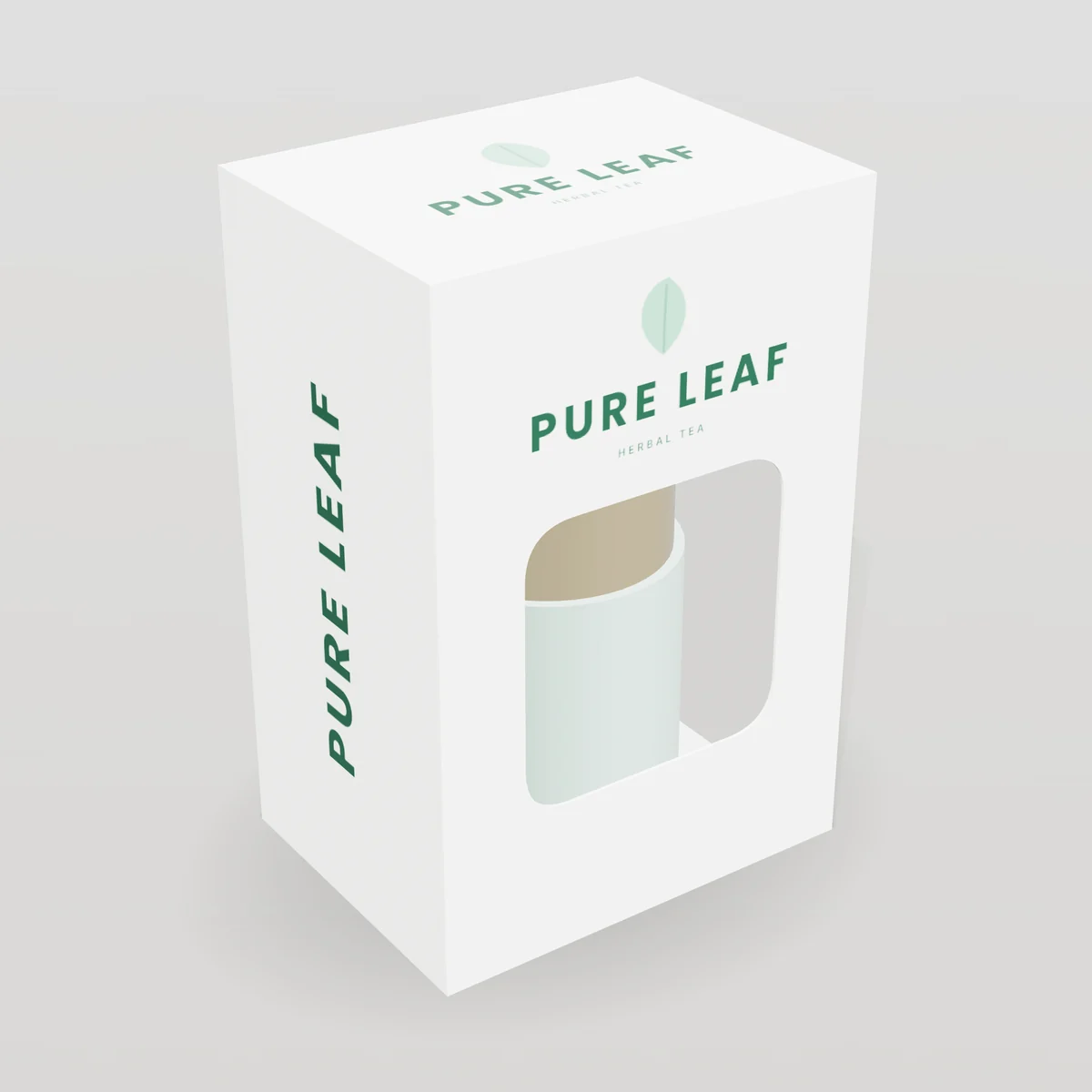
Window patching is the process of die-cutting a window in a carton and gluing a clear film behind it. The film protects the product from dust and touch while letting customers see it. Windows can be open (no film) or patched, and they can be any shape the die can cut: rectangles, circles, arches, leaves or your logo.
Windows are among the most effective features in retail packaging because they let the product sell itself: color, texture, craftsmanship and freshness are all visible.
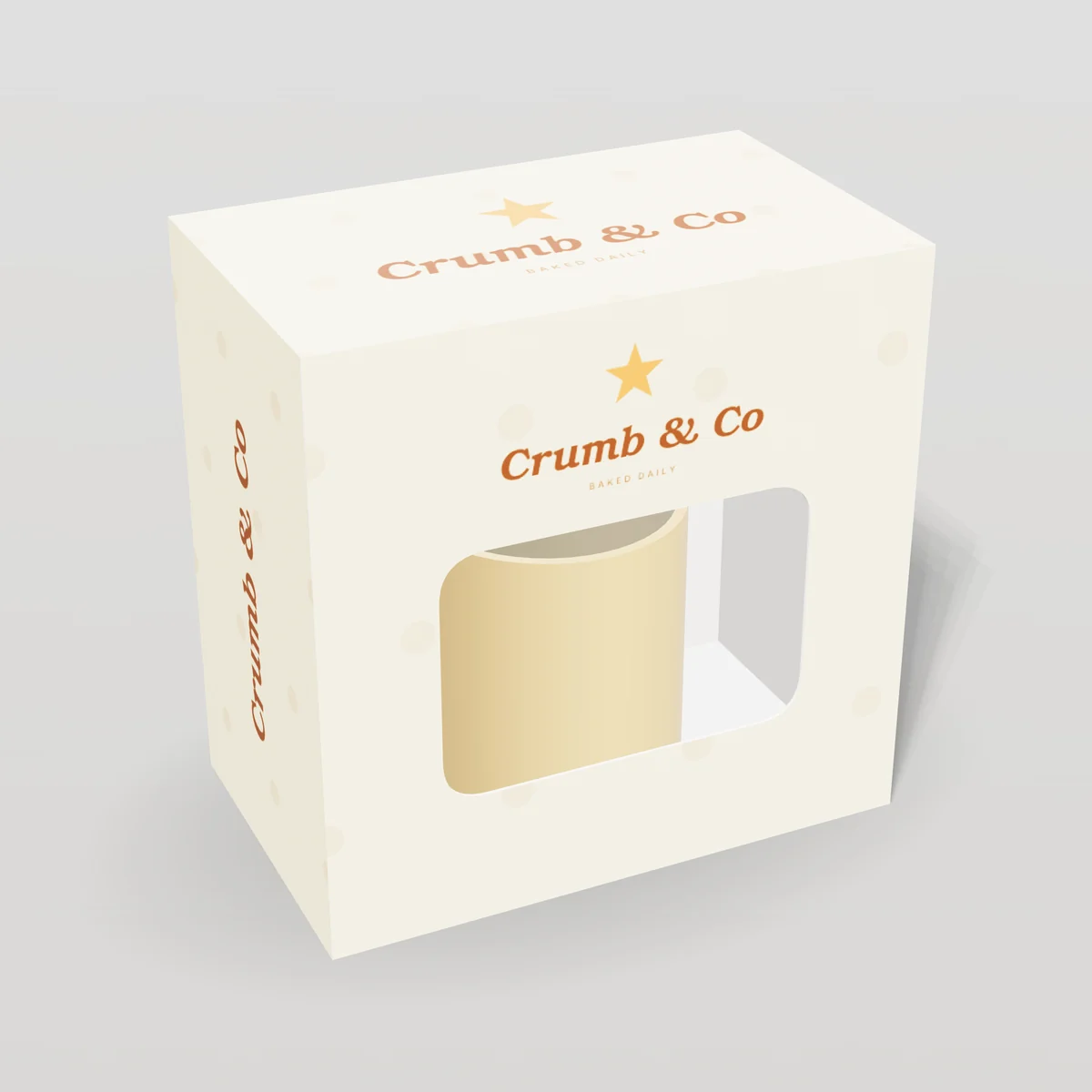
Open vs. patched windows
| Open window | Patched window | |
|---|---|---|
| Protection | None | Dust and touch protection |
| Look | Natural | Clean, slightly glossy |
| Material | All paper | Paper + film |
| Recycling | Simple | Film should be removed or be compatible |
Why use a window?
A window lets customers see the product before they buy, which builds confidence and lets the product sell itself. Windows work best when the product looks appealing as it is: colorful candies, baked goods, toys, soaps, candles, socks, cosmetics with attractive shades, or anything where customers want to check color, size or quality. They also save on printing, because the product becomes part of the design.
Windows are less useful when the product inside looks plain, when it needs protection from light (some foods, cosmetics and supplements), or when tamper evidence and hygiene matter more than visibility.
How window patching works
Window patching is done on a dedicated machine, usually after printing and die-cutting:
- Die-cutting. The window opening is cut at the same time as the carton outline, using the same cutting die.
- Glue application. A thin line of glue is applied around the opening on the inside of the carton.
- Film placement. A piece of clear film is cut from a roll and pressed onto the glue, covering the opening with a margin.
- Folding and gluing. The carton continues to the folder-gluer as usual.
Because the patch is applied on the inside, the outside of the box stays clean and printed right up to the window edge.
Window shapes and placement
Almost any shape is possible: rectangles, circles, ovals, arches, product silhouettes, logo shapes or playful custom outlines. Practical guidelines:
- Keep the window at least 1/4 in (6 mm) from folds and edges so the carton keeps its strength and the glue margin fits.
- Avoid very narrow bridges of board between windows or between a window and the edge; they tear easily.
- Round tight corners slightly (a small radius) to prevent tearing during packing.
- Consider shelf orientation: a window on the front panel is standard; a wraparound window across a corner shows two faces of the product.
- Align the product behind the window using an insert so the best side faces out.
- Leave room for required information on other panels.
Film materials compared
- PET: crisp, clear and rigid; the most common
- PLA: plant-based film where available
- Cellulose: a paper-derived transparent film for some uses
| Film | Clarity | Stiffness | Notes |
|---|---|---|---|
| PET | Excellent | Good | Most common; crisp and clear |
| PP (polypropylene) | Very good | Lower | Flexible, economical |
| Anti-fog film | Good | Good | For chilled and fresh food where condensation forms |
| Plant-based / compostable films (e.g. PLA, cellulose) | Good | Varies | Ask about availability and claims |
| No film (open window) | — | — | All-paper and easiest to recycle |
Film thickness is typically selected for the carton size; larger windows need stiffer film to stay flat.
Open windows: the all-paper option
An open window has no film at all. It keeps the carton mono-material and easy to recycle and has a tactile, modern look. Open windows suit:
- Products that do not need protection from dust or touch (soap bars, candles in tins, wrapped goods, socks)
- Products with an inner wrap or bag
- Sustainability-focused brands
For food or cosmetics that must stay clean, use film or an inner wrap.
Windows and product protection
A window weakens the panel it is cut from. To keep cartons strong:
- Choose a slightly heavier board for large windows (for example 20pt instead of 18pt).
- Keep windows away from the bottom panel on heavier products.
- Use an insert that supports the product so it does not press against the film.
- For heavier products, consider an auto-lock bottom carton.
Windows by industry
| Industry | Typical window use |
|---|---|
| Bakery | Cake and cookie boxes with anti-fog film |
| Food | Pasta, candy and snack cartons |
| Soap | Open windows to show and scent the bar |
| Candles | Showing the vessel and wax color |
| Apparel | Socks, ties and accessories |
| Cosmetics | Showing shades of lipstick or palettes |
| Retail packaging | Toys, tools and accessories |
See window boxes for prices and sizes.
Sustainability of windows
A patched window adds a small piece of plastic film to a paper carton. Many recycling facilities can separate small film patches during pulping, but customers may be unsure what to do. Options:
- Open windows with no film
- Easily removable film with a short instruction ("Remove window before recycling")
- Plant-based or cellulose films where suitable, with accurate claims
- No window at all, with great product photography on the carton
Cost of window patching
Window patching adds a per-unit cost for film and machine time and a modest setup. The window opening itself is cut by the same die as the carton, so it adds little tooling. The table on this page shows the estimated per-unit impact by style.
A window needs a die-cut opening (part of the main die) and, for patched windows, an extra gluing pass and film. See "What finishes cost" on product pages for estimates.
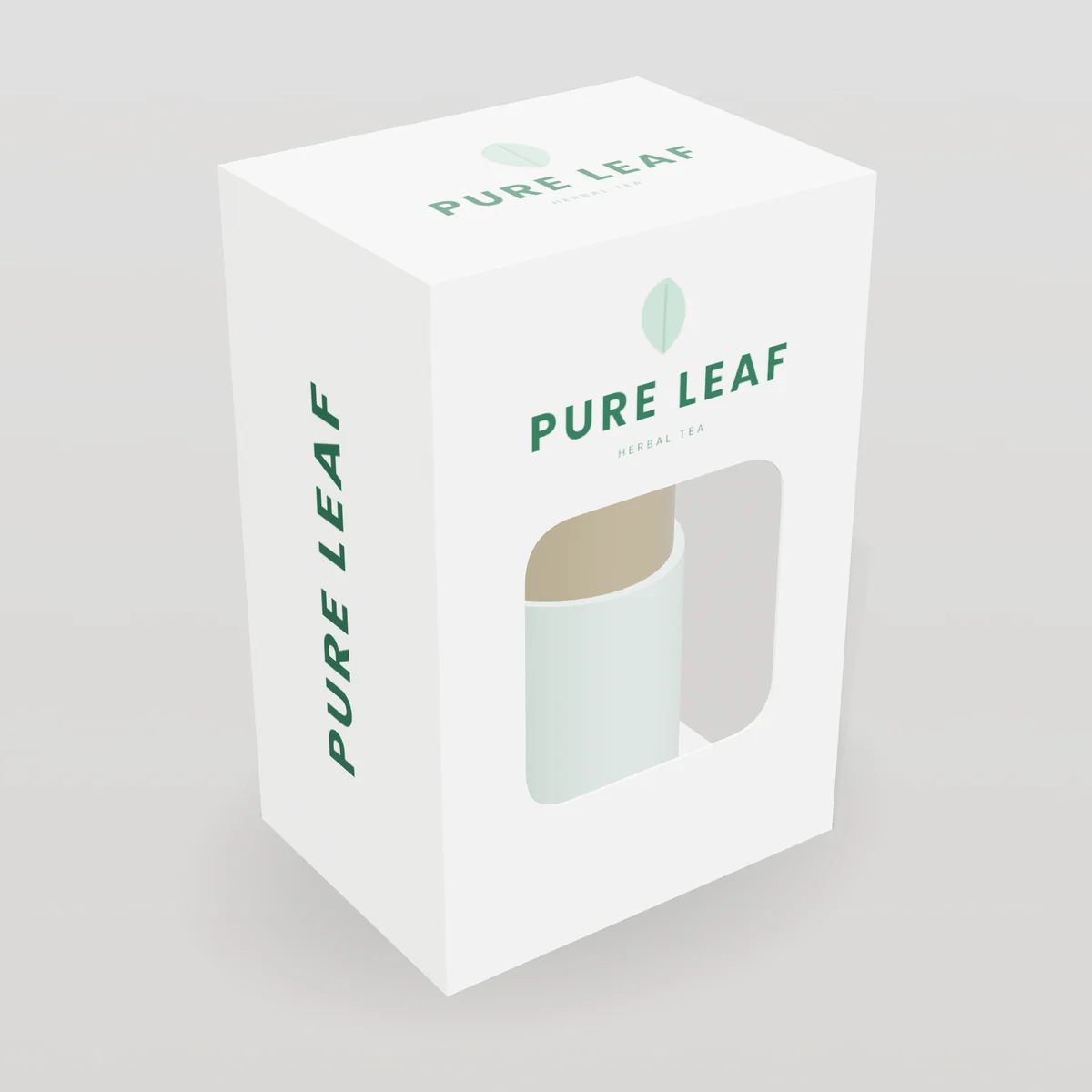 Box StylesWindow BoxesPaperboard boxes with a die-cut window and clear film so shoppers see the product.
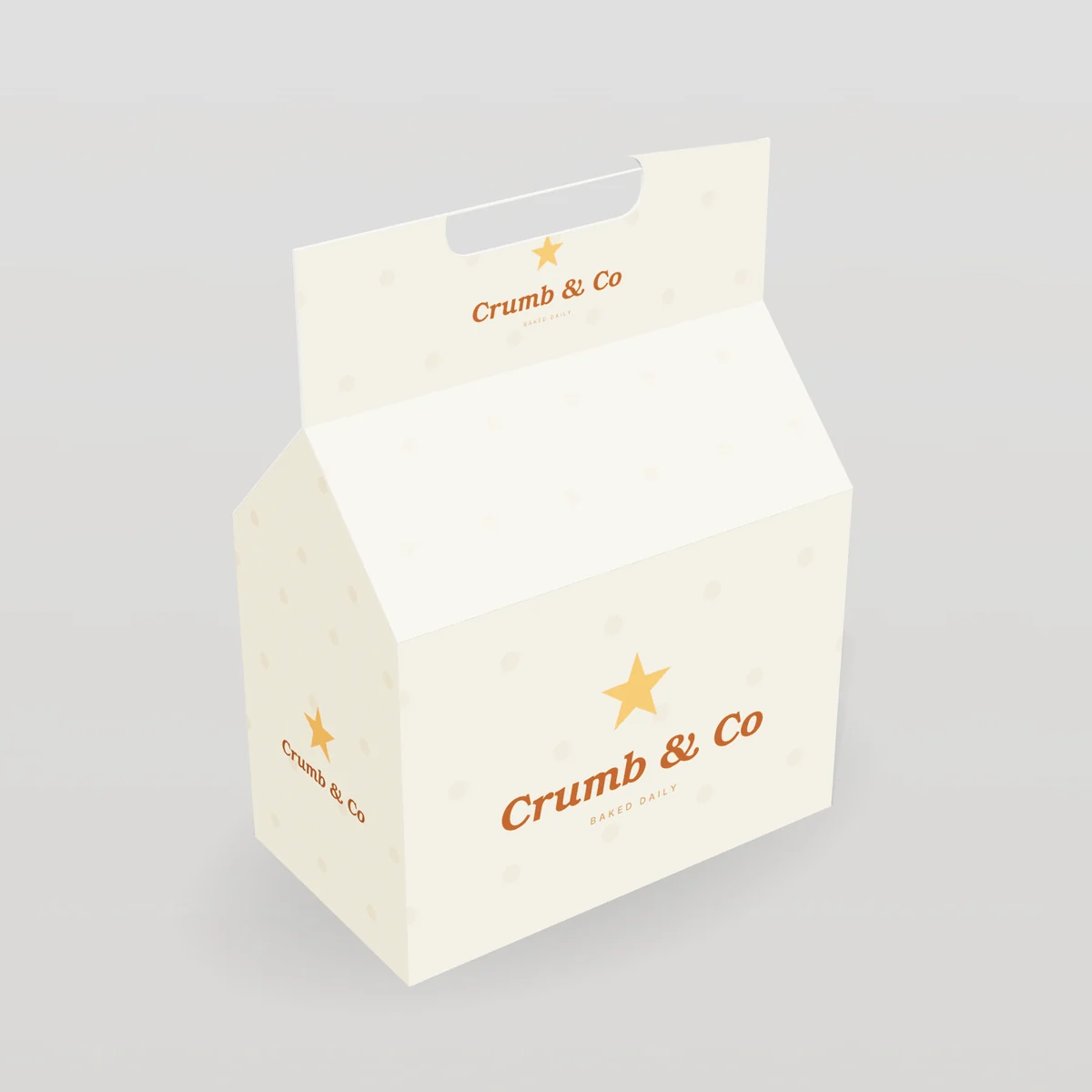 IndustriesBakery BoxesCake, cupcake, cookie and pastry boxes in food-grade board, with or without windows.
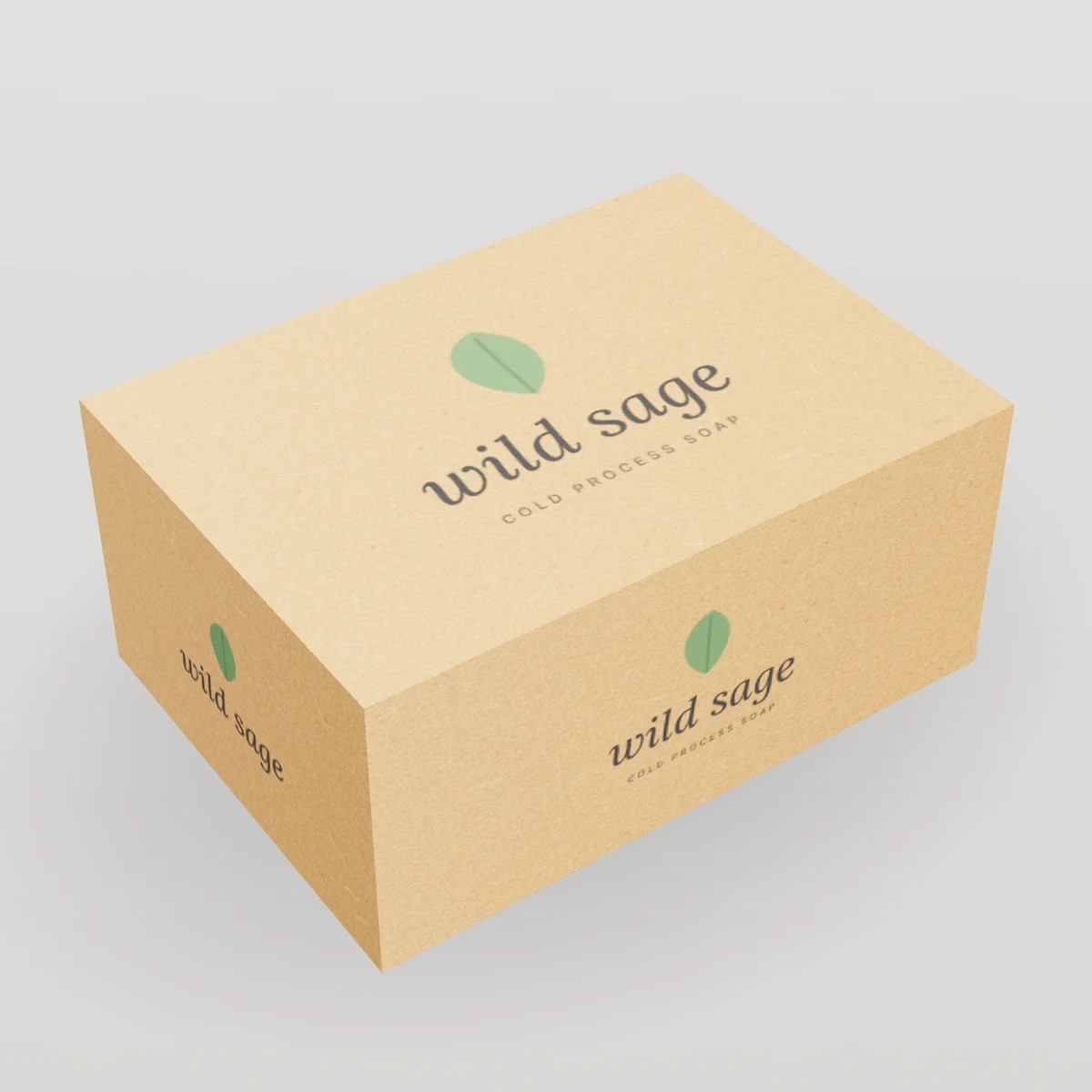 IndustriesSoap BoxesKraft and printed boxes, sleeves and pillow packs for bar soap and bath products.
 IndustriesFood BoxesFood-grade cartons, pouches and mailers for snacks, takeaway, meal kits and specialty foods.

Specification checklist
- [ ] Window shape, size and position (on the dieline)
- [ ] Open or patched
- [ ] Film type (PET, PP, anti-fog, plant-based)
- [ ] Product insert to position the product
- [ ] Board caliper adjusted for window size
- [ ] Food contact: yes or no
Window design ideas
- Product silhouette: a window shaped like the product (a bottle, a cookie, a leaf) makes the carton itself part of the brand story.
- Peekaboo window: a small circular window that shows a color or texture, inviting curiosity.
- Wraparound window: a window across a corner shows two sides of the product.
- Framed window: print a frame or label around the window so the product looks displayed.
- Logo-shaped window: cut your brand mark as the window for a memorable shelf presence.
- Multiple windows: several small windows in a pattern, each showing a different item in a set.
- Window with printed film: print white or color on the film itself for labels or patterns floating over the product.
Windows on different box styles
| Style | Window placement |
|---|---|
| Tuck end cartons | Front panel, sometimes wrapping to the side |
| Window boxes | Designed around a large front window |
| Gable boxes | Side panels for bakery and gifts |
| Display boxes | Front or lid to show stacked products |
| Sleeve boxes | Window in the sleeve showing the tray contents |
| Pillow boxes | Small decorative windows |
| Rigid boxes | Lid windows with film, more complex and costly |
Food and windows
For food packaging, windows are popular because shoppers want to see freshness and quality. Considerations:
- Use food-safe film where food may touch it.
- Use anti-fog film for chilled and fresh products.
- Consider light sensitivity: some foods degrade with light exposure, so a window may shorten shelf life.
- Consider grease: buttery baked goods can mark board around the window; grease-resistant board helps.
See bakery boxes and food boxes.
Window artwork setup
- Keep windows at least 1/2 in from folds and edges for strength.
- Plan product position with an insert so the best side faces the window.
- Use the frame around the window for branding.
- Avoid windows on panels that carry required labeling.
- Draw the window as a vector outline on the dieline layer, marked as a cut line.
- Extend background artwork 1/8 in into the window as bleed, so no unprinted edge shows.
- Keep text and logos at least 1/8 in from the window edge.
- Mark any printed film artwork on a separate layer.
- Show the product position in your mockup so the window frames the product well.
Common mistakes with windows
- Windows too close to folds, weakening the carton and leaving no room for glue.
- Thin board bridges that tear during packing.
- The product not lining up with the window because there is no insert.
- Windows on light-sensitive products.
- Assuming film is invisible: film reflects light; very glossy film can obscure the product under store lights.
Choosing window size and position
A window should show the most persuasive part of the product: the color of a candle, the texture of a cookie, the label of a bottle or the shape of a toy. Position it where the product sits once packed, allowing for movement and tolerances. Windows that are too large weaken the carton and reduce space for branding and required information; windows that are too small look like an afterthought. A useful approach is to sketch the window over a photo of the packed product and adjust until the product is framed well from the typical viewing angle on a shelf.
Window strength and carton structure
A window removes board from a panel, which reduces stiffness. On small cartons this rarely matters, but on large cartons or heavy products, a big window can let the panel bow or the carton crush more easily. Keep windows away from folds and corners, leave enough board around them and avoid placing windows on panels that carry the most load. Inserts can support the product so it does not press against the film.
Film thickness and clarity
Window films vary in thickness and clarity. Thicker films resist punctures and wrinkles but cost more and use more material. Clear films show products crisply; matte or frosted films create a softer, more mysterious look. Anti-fog films help when products are chilled and condensation might form. Your supplier will suggest a film suited to your product's weight, shape and storage conditions.
Window cutouts without film
Open windows, cutouts without film, keep packaging all-paper and let customers touch the product. They suit products that are not affected by dust or handling, such as some toys, candles in sealed jars, hardware and packaged goods inside the carton. Cutout shapes can become part of the design, such as a logo shape or a playful silhouette. Open windows need careful positioning so products cannot fall out and edges are not too fragile.
Windows and printing
The area around a window is printed like any other part of the carton. Designers often use the window edge as a frame, with a printed border or shadow that draws attention to the product. Text should stay outside the window area and its glue margin. If the window film is printed, for example with a white outline or a small logo, the film printing is planned separately from the board printing.
Windows for food packaging
Food packaging windows let customers see freshness and quality, which builds trust in bakery items, snacks, pasta, tea and confectionery. For food that touches the window film directly, use films suitable for food contact, and consider grease resistance for oily foods. Windows also affect shelf life for some products: exposure to light can fade colors or affect flavors over time, so products sensitive to light may need smaller windows or protective inner packaging.
Window alternatives
If a window is not right for your product or sustainability goals, consider alternatives:
- Printed photography shows the product on the outside of the carton.
- Die-cut peek holes show a small part of the product without film.
- Sleeves that slide over a tray leave part of the product visible when designed with an open end.
- Lift-up lids or tabs let shoppers look inside without opening the product.
Quality checks for windowed cartons
On delivery, check that window films are flat and clear, without wrinkles, bubbles or glue marks. Confirm the film covers the opening completely with an even glue margin. Pack a few cartons and check that products sit correctly behind the window and that the film does not touch or scratch them. Report any issues with photos, carton numbers and quantities.
How windows affect shelf impact
On a crowded shelf, shoppers look for reassurance before they buy. A window answers questions instantly: what color is it, how big is it, does it look fresh, is it really what the picture shows? For products where appearance is the main selling point, such as baked goods, candles, toys, socks, pasta and confectionery, a window can do more persuasion than any printed claim. For products whose appearance is plain or inconsistent, such as powders or liquids in opaque bottles, a window adds little, and printed imagery or a strong label usually works better.
Think about how the product looks through the window from the shelf: at eye level, slightly from above, and from a distance of a meter or two. Arrange the product inside so the best side faces the window, using an insert if necessary to hold it in position.
Window placement by carton style
Tuck end cartons: windows usually sit on the front panel, sometimes wrapping around a corner onto the side panel for a wider view. Keep the window away from the tuck flaps and dust flaps.
Auto-lock bottom cartons: heavier products sit on the bottom, so the window can be lower on the front panel, showing the product's base or full height.
Gable and handle boxes: windows on the side panels show bakery items and gifts while keeping the handle structure strong.
Sleeves: a window in a sleeve reveals the printed tray or the product inside, a popular approach for gift sets.
Display boxes: windows in the lid or front let shoppers see contents while the box stands open on a counter.
Rigid boxes: windows in rigid lids are possible but less common, because rigid boxes are usually about the reveal when the lid is lifted.
Window shapes as brand elements
A window does not have to be a rectangle. Rounded rectangles feel friendly, circles feel playful, arches feel elegant and custom shapes can echo a logo, a product silhouette or a brand motif. A bakery might use a house-shaped window; a pet brand a paw shape; a coffee brand a coffee-bean outline. Custom shapes are cut with the main cutting die, so they add little cost once the die is made. Keep shapes simple enough for clean cutting and film application, and avoid very narrow sections that weaken the board.
Patched film and recyclability in practice
Window films are usually thin plastic. In paper recycling, small amounts of film are typically separated during pulping and removed, so cartons with small windows are commonly accepted in paper recycling programs. Customers may still wonder whether to remove the film. Clear disposal guidance printed on the carton, such as "Remove window film and recycle the carton," helps. If you want an all-paper carton, consider open windows, cellulose-based films where suitable, or printed imagery instead of a window.
Window and dust protection
Patched windows keep dust, fingerprints and moisture off products while showing them. This matters for food, cosmetics, textiles and anything handled by shoppers. Open windows do not protect in the same way, so they suit products that are wrapped inside or not sensitive to dust. For products that are touched often in stores, a patched window reduces damage and returns.
Window size and printed information
Required information, such as ingredients, net quantity, warnings and barcodes, needs space on the carton. Large windows reduce printable area, which can force text to become too small or move to less visible panels. Plan the information layout and window together. If space is tight, a smaller window on the front panel with information on the side and back panels is often the best balance.
Costs and minimums for windowed cartons
Windows add a cutting step (included in the main die) and a film application step on a window patching machine. Film costs depend on size and type. For short runs, the window patching setup adds a noticeable cost per carton; for longer runs, the cost per carton becomes small. Combining several products with the same window size and position in one production run can reduce setup costs.
Designing the window edge
The edge of a window is a strong visual line. Designers often treat it as a frame: a printed border, a shadow, a contrasting color band or a playful outline. Text that runs too close to the edge looks cramped and may be partly hidden by the film's glue margin. Leave a clear margin around the window, and test the design with the product inside to see how the frame and product work together.
Window ideas by product
- Candles: a window showing the wax color and the label on the jar.
- Socks and apparel: a window showing the knit pattern or a folded garment.
- Cookies and pastries: a window showing freshness, often with a grease-resistant film.
- Pasta and grains: a narrow window showing the product shape.
- Toys and collectibles: a large window showing the item in its insert.
- Tea and coffee: a small window showing loose leaves or beans in an inner pouch.
- Soap: an open window letting customers smell the bar.
Window films and food contact
When window films touch food, use films suitable for food contact. Grease-resistant films help with oily or buttery foods. For chilled foods, anti-fog films keep windows clear. Tell your supplier how the product will be stored and displayed so they can recommend the right film.
Window patching on corrugated boxes
Windows can be added to corrugated boxes, such as display boxes or retail-ready shippers. The thicker board needs careful cutting, and films must bond to the corrugated surface. Corrugated windows suit larger products such as toys, household goods and gift hampers. Test strength, since a window removes material from a panel that may carry load.
Window FAQ for designers
Designers often ask how close artwork can come to a window edge. Leave a margin around the window for the film glue area, typically a few millimeters, and keep text further away so it is not partly covered by glue or film edges. Ask your supplier for the exact glue margin.
Worked example: a cookie brand's window carton
A bakery selling cookies in plain cartons wanted shoppers to see freshness. It added a rounded window on the front panel, sized to show three cookies stacked in a paperboard tray, with grease-resistant film. Ingredients and the barcode moved to the side and back panels so the front stayed clean. A printed border framed the window, and a small line on the back explained how to separate the film before recycling the carton. The window made the product the hero of the shelf without changing the carton's structure.
More window FAQ
Can windows be added to small runs?
Yes, though window patching setup adds a cost that is more noticeable on short runs. Combining products with the same window design helps.
Do windows weaken boxes?
They remove some board, so large windows can reduce panel stiffness. Keep windows away from folds and edges and test with real products.
Quick decision guide for windows
| If you need… | Choose… | Because… |
|---|---|---|
| Show freshness of food | Patched window with grease-resistant film | Protects and displays |
| All-paper packaging | Open die-cut window | No plastic film |
| Chilled products | Anti-fog film | Stays clear with condensation |
| Soft, mysterious look | Frosted or matte film | Hints at the product |
| Maximum shelf impact | Shaped window with printed frame | Turns the window into design |
| No window at all | Product photography on the carton | Shows product without film |
How to brief us on windows
Windows are added to your carton quote. Tell us:
- Product and what to show. Photos help us position the window.
- Window shape and size. Or let us suggest one.
- Film needs. Food contact, grease resistance or anti-fog.
- Open or patched. Film or an all-paper cutout.
Send what you have, even if some answers are rough. Our specialists reply within one business day with recommendations, a price estimate and next steps, and every order includes free design help and a 3D proof before anything goes to production.
Window patching in one paragraph
A window lets shoppers see the product before they buy, building trust and shelf appeal. Patched windows protect the product with a clear film; open cutouts keep packaging all-paper. Position windows to frame the best view of the product, keep them away from folds and required text, choose a film suited to the product, and explain how to separate the film when recycling the carton.
What window adds to popular box styles
Estimated unit prices from our published pricing model for each style at its most popular size, full-color print, delivered within the contiguous US. The last two columns show what window adds per box at 1,000 and 5,000 units; setup tooling is spread across the run, so the premium shrinks as quantity grows.
| Box style | Without (1,000) | With (1,000) | Adds at 1,000 | Adds at 5,000 |
|---|---|---|---|---|
| Product Boxes4 × 4 × 4" | $0.49 | $0.63 | +$0.14 | +$0.07 |
| Tuck End Boxes4 × 2 × 6" | $0.40 | $0.54 | +$0.14 | +$0.08 |
| Window Boxes5 × 3 × 5" | $0.63 | $0.77 | +$0.14 | +$0.08 |
| Gable Boxes6 × 4 × 5" | $0.71 | $0.85 | +$0.14 | +$0.08 |
| Display Boxes10 × 7 × 4" | $1.13 | $1.26 | +$0.13 | +$0.08 |
| Sleeve Boxes6 × 4 × 2" | $0.67 | $0.81 | +$0.14 | +$0.08 |
| Pillow Boxes6 × 3 × 1.5" | $0.32 | $0.45 | +$0.13 | +$0.08 |
Estimates for planning. Your quote confirms the exact price for your size, coverage and artwork.
How to order window patching
- 1Request a quote
Tell us the style, size, quantity and artwork you have. Use the form or the live estimator.
- 2Free design & dieline
We send a dieline for your exact size, check your artwork and help with layout at no charge.
- 3Approve your proof
Review a digital 3D proof (and an optional physical sample) before anything is printed.
- 4Production & QC
Your boxes are printed, finished, die-cut and inspected against the approved proof.
- 5Delivered to your door
Shipped flat-packed with tracking to any address in the contiguous US.
Key terms on this page
- Die-cutting
- The process of cutting and creasing printed sheets into box shapes using a die.
- Carton
- A box made from paperboard, usually a folding carton. In shipping, "carton" can also mean a corrugated case.
- Die
- A custom tool, usually steel rule mounted in a board, used to cut and crease packaging to shape.
- Tamper evidence
- Features that show if a package has been opened, such as seals, tear strips or shrink bands.
- Board
- A general term for thick paper materials used in packaging, including paperboard, corrugated board and greyboard.
- Panel
- A face of a box, such as the front, back, side, top or bottom panel.
- Insert
- A component inside a box that holds products in place, such as die-cut paperboard, corrugated, foam or molded pulp.
- Wrap
- The printed or specialty paper glued around the board of a rigid box or tube.
- Auto-lock bottom
- A pre-glued carton base, also called a crash-lock bottom, that locks into place automatically when the flattened box is opened. Stronger and faster to pack than a tuck bottom.
- Paperboard
- Thick paper (usually 0.010 inch or more) used for folding cartons, such as SBS, kraft and recycled board.
- Food-grade
- Materials, inks and adhesives suitable for packaging that contacts food, meeting the relevant FDA requirements.
- Kraft
- Paper or board made from unbleached wood pulp, naturally brown and strong.
- Proof
- A preview of the final package (digital PDF, 3D render or physical sample) that the customer approves before production.
- Dieline
- A flat template showing the exact shape of a box before folding, with cut, crease, bleed and safe zones. Artwork is designed on top of it.
- Caliper
- The thickness of paper or board. Paperboard caliper is usually given in points, where 1 point equals 0.001 inch.
- Lid
- The top part of a box, hinged or separate.
- Sleeve
- An open-ended band or tube that slides over a tray or box, often printed to brand plain packaging.
- Tray
- An open-topped box base, often used with a sleeve or lid.
- Artwork
- The final graphic files (logos, images, text and colors) placed on a dieline and used to make printing plates or digital print files.
- Cut line
- The line on a dieline where the board is cut through, usually shown as a solid line.
- Bleed
- Artwork that extends beyond the cut line, normally 1/8 inch (3 mm), so that no unprinted edge appears if cutting shifts slightly.
- Point (pt)
- The unit of paperboard thickness: 1 point equals 0.001 inch. 18pt board is 0.018 inch thick.
- Net quantity
- The amount of product in a package (weight, volume or count), which many US consumer products must state on the main display panel.
More definitions in our packaging glossary.
Customer reviews
Reviews come only from verified customers. Ordered window patching from us? Share your experience.
Discussed on Quora & X
Window Patching FAQ
What is window patching?
Gluing a clear film behind a die-cut window in a carton.
Can windows be custom shapes?
Yes, any shape a die can cut.
Are window boxes recyclable?
Open windows are all paper. Film windows should be removed before recycling unless the film is compatible with local programs.
Do windows weaken the box?
Slightly. Keep windows away from folds and edges, and use inserts or heavier board for heavy products.
Do windows make boxes weaker?
Slightly, because board is removed. Good window placement, heavier board for large windows and supportive inserts keep cartons strong.
Can windows be any shape?
Almost. Very complex shapes with sharp internal corners or thin bridges are harder to cut and patch cleanly; we will suggest adjustments.
What is anti-fog film?
A film treated to prevent condensation droplets from forming, so chilled or fresh food stays visible.
Can I have a window on a mailer box?
Yes, though windows on shipping boxes expose the product to damage and dirt in transit. A window on an inner carton or a sleeve is often better.
Can the window film be printed?
Yes. Printing white or colors on the film is possible on some productions, for example to add a label or a pattern over the window.
Is window film recyclable?
Small film patches are often removed during paper recycling, but customers should ideally remove them. Open windows avoid the issue entirely.
Can a window be on more than one panel?
Yes. Windows can wrap around a corner onto two panels, though this needs careful structural design.
What shapes can windows be?
Almost any shape that can be cut cleanly, from simple rectangles to circles, arches and custom silhouettes.
Can windows be printed on?
The film itself can carry simple printing, such as a white outline or small logo, planned separately from the carton print.