Key takeaways
- Size the box to the product first; empty space is the main cause of damage.
- Run ISTA-style drop tests on your own packages before a big launch.
- Amazon has specific box, weight and labeling rules; check them before you ship.
- Inside printing and a card often beat expensive outer finishes for e-commerce.
The parcel journey is harder than you think
A typical e-commerce package is handled many times between your packing table and your customer's door: picked up, loaded, sorted on conveyors, dropped into chutes, stacked in trucks under other packages, carried and sometimes left in the rain. Industry testing standards assume drops of around 30 inches or more, compression from stacked loads and vibration for hours. Packaging that survives a shelf in a store may fail in a parcel network.
Good e-commerce packaging balances four goals:
- Protection: products arrive intact
- Cost: materials, packing labor and shipping
- Experience: the unboxing reflects your brand
- Sustainability and returns: minimal waste and easy returns
Step 1: Choose the right outer package
| Package | Best for | Protection | Cost |
|---|---|---|---|
| Mailer box | Most DTC products | Good | Medium |
| Shipping box (RSC) | Heavy, multi-item | Good–high | Low per volume |
| Poly mailer | Soft goods | Low | Lowest |
| Padded mailer | Small, light items | Low–medium | Low |
| Box-in-box | Fragile, high-value | Highest | Higher |
Step 2: Right-size
Empty space is the main cause of damage. Products move, build momentum and hit walls. Right-sized boxes reduce damage, void fill and dimensional weight at the same time. See our sizing guide.
Step 3: Choose board strength
- E-flute 32 ECT for most mailers under about 10 lb
- B or C flute 32 ECT for heavier items
- 44 ECT or double-wall for heavy, fragile or long-stacked shipments
Check stacking strength with the Box Strength Calculator.
Step 4: Immobilize and cushion
| Method | Strengths | Considerations |
|---|---|---|
| Custom inserts (paperboard, corrugated) | Precise, fast packing, branded | Tooling for die-cut |
| Molded pulp | Plastic-free, protective | Tooling for custom shapes |
| Paper void fill (crinkle, kraft) | Recyclable, flexible | Takes space |
| Air pillows | Light, cheap | Plastic; can deflate |
| Foam | Strong protection | Not curbside recyclable |
Inserts are the most efficient for repeated products: they speed packing and make the unboxing neat. See custom inserts.
Step 5: Seal properly
- Mailers lock closed; add a sticker or tear strip for tamper evidence.
- RSCs need tape: use an H-pattern for heavy boxes. Water-activated paper tape bonds into the fibers, resists tampering and is recyclable with the box. See packing tape.
Step 6: Test before you launch
You do not need a lab to catch most problems. Try this simple test, inspired by ISTA procedures:
- Pack a real order exactly as customers will receive it.
- Drop it from about 30 inches onto a hard floor: on the bottom face, then each side face, then a corner and the edges adjoining it (around ten drops).
- Apply pressure on the top to simulate stacking.
- Shake it vigorously for a minute.
- Open and inspect the product and the packaging.
Repeat with your heaviest and most fragile products. For high-value or very fragile goods, consider formal ISTA testing at a certified lab.
Tip: Ship a few test orders to friends in different regions and ask them to photograph the box on arrival. Real-world data is invaluable.
Step 7: Brand the unboxing efficiently
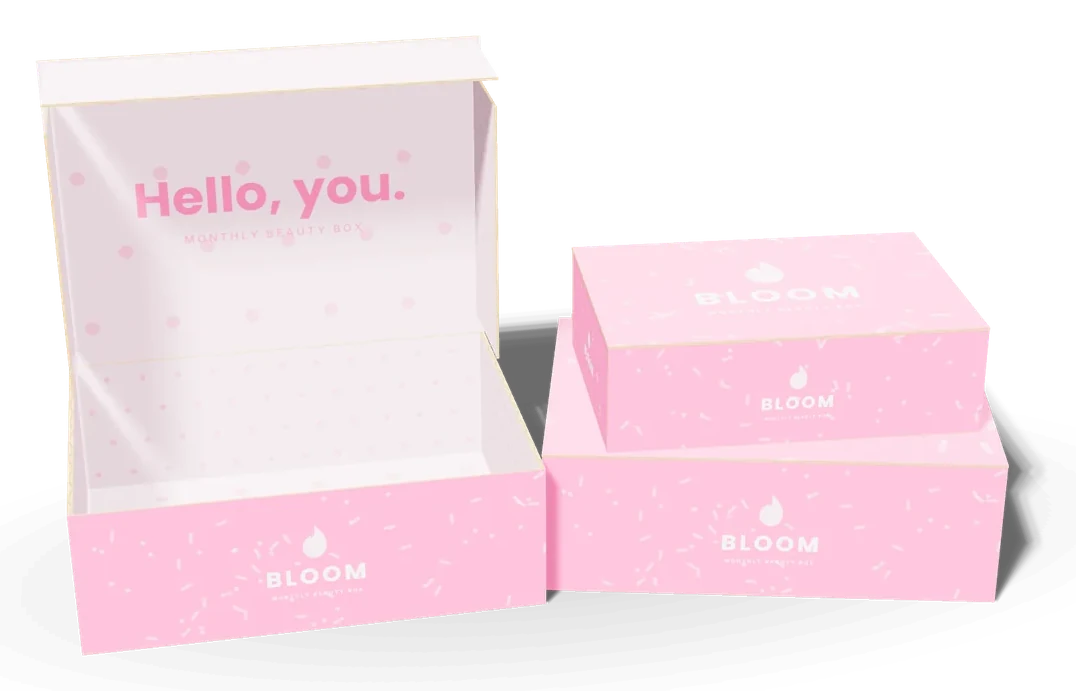
In order of impact per dollar:
- Inside print on the mailer
- Tissue wrap sealed with a sticker
- A thank-you or care card
- One- or two-color outside print
- Full-color outside print
- Premium finishes
See our unboxing design guide.
Step 8: Plan for returns
- Resealable mailers (second adhesive strip) or dual-strip poly mailers
- Return instructions printed on the card or box
- Durable packaging that survives two trips
Amazon, marketplaces and 3PLs
If you sell through Amazon FBA or use a 3PL, packaging must meet their requirements for box strength, size and weight limits, labeling, case packs and product preparation (for example poly bags for certain products, bubble wrap for fragile items). Amazon also runs programs that encourage frustration-free and ships-in-own-container packaging. Requirements change, so always check the current rules in Seller Central or with your 3PL before ordering packaging.
Shipping cost optimization
- Right-size to reduce DIM weight
- Choose lighter materials where strength allows (E-flute vs. C-flute)
- Use poly mailers for soft goods
- Negotiate carrier rates as volumes grow
- Check zone strategy (shipping from multiple locations can reduce zones)
Sustainability in e-commerce
- One-material packaging (corrugated + paper tape + paper fill)
- Right-sizing to reduce material and emissions
- Recycled content where available
- Clear disposal instructions
- Honest claims under the FTC Green Guides
Understanding the parcel network
To design good e-commerce packaging, it helps to picture what actually happens to a parcel. After you hand it to a carrier, it is typically scanned and loaded onto a truck, unloaded at a sorting hub, carried on conveyor belts, pushed by diverters into chutes, dropped into containers, loaded onto another truck, perhaps flown or moved between hubs, sorted again, loaded onto a delivery vehicle and finally carried to a door. Along the way it may be dropped from the height of a conveyor or a delivery driver's arms, stacked under heavier parcels, vibrated for hours on highways, squeezed in packed cages and left in the rain.
Industry test procedures model these hazards. The International Safe Transit Association (ISTA) publishes test sequences such as ISTA 3A for packaged products in parcel delivery, which combine atmospheric conditioning, vibration, multiple drops from heights that depend on package weight, and compression. You do not need to run a formal lab test for most products, but designing with these hazards in mind prevents most damage.
Damage: where it comes from and how to stop it
| Damage | Usual cause | Packaging fix |
|---|---|---|
| Broken glass or ceramics | Impact from drops; product hits box wall | Suspension inserts, 2 in clearance with cushioning, box-in-box |
| Crushed boxes | Stacking under heavy parcels | Stronger board grade (44 ECT, double-wall), right-sized boxes without empty space |
| Scuffed retail boxes | Abrasion in transit | Outer shipping box, tissue wrap, tighter fit |
| Leaking liquids | Pressure on pumps and caps, temperature changes | Pump locks, caps taped or shrink-banded, sealed bags, upright inserts |
| Bent items (prints, cards) | Flexing in flat mailers | Rigid mailers, board stiffeners |
| Missing items | Poor sealing, tears | Secure closure, water-activated tape, tamper-evident seals |
| Water damage | Rain, wet porches | Poly mailers for soft goods, coated boxes, inner bags |
Track damage claims by product and packaging. Patterns usually point directly at the fix.
Choosing cushioning
| Cushioning | Protection | Sustainability | Packing speed | Notes |
|---|---|---|---|---|
| Fitted paperboard or corrugated insert | High for repeated products | Recyclable with box | Fast | Best for consistent products |
| Molded pulp | High | Recyclable, often compostable | Fast | Needs a mold |
| Crinkle paper | Medium | Recyclable | Medium | Looks good in unboxing |
| Kraft void fill (crumpled) | Medium | Recyclable | Medium | Uses more volume |
| Honeycomb paper wrap | Medium–high | Recyclable | Medium | Replaces bubble wrap |
| Air pillows | Low–medium | Plastic | Fast | Can deflate |
| Bubble wrap | Medium | Plastic | Slow | Familiar but plastic |
| Foam | High | Rarely recyclable | Fast if fitted | Avoid where possible |
Packaging for specific product types
Glass and ceramics
Use a corrugated or pulp insert that holds each item away from the walls and from other items, or wrap individually in honeycomb paper and surround with at least 2 in of cushioning. Box-in-box (a snug inner box inside a larger outer box with cushioning between) is the most reliable method for high-value fragile items.
Liquids
Secure caps with tape or shrink bands, lock pumps, place bottles in sealed bags if leaks would damage other items, and keep them upright with inserts. Check carrier rules for flammable liquids such as perfumes and some cosmetics.
Apparel and soft goods
Poly or paper mailers are efficient. Fold garments neatly and use tissue for presentation. Boxes are worth it for gifts and premium items.
Electronics
Use suspension inserts or molded pulp, avoid loose cables, and consider anti-static bags for components. Follow battery shipping rules.
Food
Use food-contact inner packaging, protect crisp items from crushing, and plan temperature control for chocolate and perishables.
Art prints and flat items
Use rigid mailers or flat boxes with stiffeners; tubes for rolled prints.
Packing station design
The best packaging fails if it is slow or awkward to pack. A good packing station:
- Keeps box sizes within reach, with the most-used sizes closest.
- Has inserts pre-folded or quick to fold.
- Uses a tape dispenser suited to your tape (water-activated tape needs a dispenser).
- Shows a packing guide with photos for each packing profile.
- Includes a scale and label printer.
- Keeps unboxing extras (cards, stickers, tissue) organized.
Time a few orders to find bottlenecks. Seconds saved per order add up quickly.
Working with a 3PL
If a third-party logistics provider packs your orders, packaging decisions must work for them:
- Share packing instructions with photos.
- Confirm they can store your boxes and inserts.
- Check receiving requirements for packaging deliveries.
- Keep box sizes few so their staff choose correctly.
- Ask for damage and packing-time data to improve over time.
Box-in-box packing explained
Box-in-box is the most protective standard method for fragile or high-value items. The product is packed snugly in an inner box (often its retail carton with an insert), and that box is placed inside a larger outer shipping box with cushioning on all sides.
- Inner box: snug fit; product immobilized with an insert.
- Gap: about 2 in between inner and outer box on every side.
- Cushioning: fill the gap with paper void fill, honeycomb paper or molded pulp corner pieces.
- Outer box: a strong corrugated shipping box, sealed with an H-pattern of tape.
The inner box protects the product from local impacts; the cushioning absorbs the energy of drops; the outer box resists crushing. Box-in-box costs more in materials and dimensional weight, so use it where the product's value or fragility justifies it.
Peak season planning
Holiday peaks strain everyone: your packing team, carriers and packaging suppliers. Prepare early:
- Forecast volume by week from last year's data plus growth.
- Order packaging at least a month or two before peak, allowing for production and transit times.
- Pre-fold inserts and stock packing stations before the rush.
- Simplify gift options to a few packaging variants.
- Communicate shipping cut-off dates to customers clearly.
- Expect slower carrier transit and plan buffer days.
Returns and reverse logistics
Returns are a normal part of e-commerce, especially in apparel. Packaging can make them easier and cheaper:
- Resealable mailers with a second adhesive strip
- Boxes that can be reclosed without new tape (mailers with locking tabs)
- Return instructions printed on a card or inside the lid
- Return labels included or easy to print
- Durable packaging that survives two trips
Make returns easy, but also make them less necessary by using packaging that protects products and includes clear sizing or usage information.
E-commerce packaging glossary
- Billable weight: the greater of actual and dimensional weight.
- Box-in-box: a fragile item packed in an inner box inside a cushioned outer box.
- DIM weight: weight calculated from package volume.
- ISTA: International Safe Transit Association test procedures.
- RSC: regular slotted container, the standard shipping box.
- SIOC: ships in own container; packaging designed to ship without an overbox.
- Void fill: material filling empty space in a box.
- 3PL: third-party logistics provider.
More in the glossary.
Carrier size limits and surcharges
Carriers apply extra charges to packages that are large, heavy or awkward to handle. These typically include additional handling fees for packages beyond certain lengths, girths or weights, or packed in non-standard containers, and much higher charges for oversize packages. Thresholds and fees change regularly and differ by carrier and service. Practical guidance:
- Check current carrier rules for length, girth (2 × width + 2 × height) and weight thresholds.
- Avoid non-corrugated outer packaging where carriers apply handling fees (for example, some charge more for packages not fully enclosed in corrugated).
- Design large boxes deliberately, staying below thresholds where possible.
- Watch cylindrical packages like tubes, which may be treated differently.
Shipping insurance and damage claims
Even with good packaging, some parcels are damaged. To support claims:
- Photograph packed orders for high-value shipments.
- Use tracking and, where appropriate, insurance.
- Keep packaging specifications on file, since some carriers require adequate packaging for claims.
- Ask customers for photos of damaged parcels and products.
- Track claims to find packaging improvements.
Building a packaging specification for your store
Write down your packaging standard so everyone packs orders the same way:
| Packing profile | Box or mailer | Inner protection | Extras | Seal |
|---|---|---|---|---|
| Single small item | 8 × 6 × 2 in mailer | Tissue | Card, sticker | Self-locking |
| Two items | 9 × 6 × 3 in mailer | Paperboard insert | Card | Self-locking |
| Bundle | 12 × 9 × 4 in mailer | Paper fill | Card, sample | Self-locking |
| Fragile item | RSC with 2 in clearance | Corrugated cradle | Care card | Paper tape, H-pattern |
| Oversize order | 16 × 12 × 8 in RSC | Paper fill | Card | Paper tape |
Print the table with photos at your packing station and share it with your 3PL. Update it whenever packaging changes.
When to upgrade from stock boxes to custom boxes
Stock boxes are a fine starting point. Consider custom boxes when:
- You ship enough orders that right-sizing saves meaningful shipping costs.
- Damage rates are high because stock sizes do not fit.
- Your brand depends on the unboxing, especially for gifts or premium products.
- You are preparing for retail or wholesale, where branded packaging matters.
- Customers mention packaging in reviews or social posts.
Custom mailers start at 100 units with us, so the step from stock to custom can be small.
Packaging for international orders
If you ship outside the US, packaging needs extra attention:
- Longer transit and more handling mean stronger boxes and more cushioning.
- Customs inspection may open parcels; packaging that can be resealed neatly helps.
- Volumetric weight is usually calculated in centimeters ÷ 5,000 or 6,000.
- Commercial invoices and labels need space on the box.
- Restricted items (liquids, batteries, aerosols) have extra rules.
Test international shipments with a few orders before offering international shipping widely.
E-commerce packaging checklist (extended)
- [ ] Order profiles identified from real data
- [ ] Right-sized box or mailer per profile
- [ ] Board grade matched to weight and stacking
- [ ] Inserts or cushioning chosen and tested
- [ ] Closure and tape method defined
- [ ] Drop test passed for fragile items
- [ ] Unboxing elements chosen within budget
- [ ] Returns approach defined
- [ ] Packing guide with photos at the station
- [ ] Marketplace and 3PL requirements checked
- [ ] Carrier size limits checked for large boxes
- [ ] Reorder points set for every packaging item
Packaging metrics worth tracking
| Metric | How to calculate | Why it matters |
|---|---|---|
| Damage rate | Damaged orders ÷ orders shipped | Shows if protection is adequate |
| Packaging cost per order | Total packaging spend ÷ orders | Budget control |
| Shipping cost per order | Shipping spend ÷ orders | Reveals sizing opportunities |
| Average billable weight | Sum of billable weights ÷ orders | DIM weight impact |
| Fill rate | Product volume ÷ box volume | Right-sizing opportunity |
| Packing time | Minutes per order | Labor cost and capacity |
| Return rate due to damage | Damage returns ÷ orders | Customer experience |
Review these monthly. A single packaging change can move several metrics at once.
Seasonal packaging operations
Before peak season, run a quick packaging review:
- Check stock levels of every box, mailer, insert and accessory.
- Confirm reorder lead times with suppliers.
- Prepare gift options (tissue, ribbon, gift notes).
- Train temporary staff with photo guides.
- Test any new seasonal packaging with real orders.
Marketplace and fulfillment program basics
Marketplaces and fulfillment programs have their own packaging rules, which change over time, so always check the current requirements in your seller account or with your provider. Common themes include:
- Unit labeling: scannable barcodes or program-specific labels on each unit, placed where they can be scanned without opening the package.
- Poly bag requirements: minimum thickness, suffocation warnings on bags above certain sizes, and transparency for scanning.
- Case requirements: maximum case weight and dimensions, case labels, and rules about mixing products in cases.
- Prep for fragile items: bubble wrap or boxes that pass drop tests.
- Expiration dates: for dated products, legible expiry information.
- Sets: clear labeling that items must be sold together.
Many programs reward packaging that ships in its own container or reduces excess packaging. Designing to these programs early saves rework.
Packaging for repeat and subscription customers
Customers who order repeatedly see your packaging many times. Keep the experience consistent and efficient, but add small variations to avoid monotony: seasonal stickers, new card messages, or a thank-you note after a set number of orders. Consider whether repeat customers need the same amount of presentation as first-time buyers; some brands offer a "minimal packaging" option at checkout that uses less material.
Example: switching from bubble wrap to fitted inserts
A brand shipping glass bottles in bubble wrap and air pillows switched to a die-cut corrugated insert holding each bottle upright. Packing time fell because there was nothing to wrap, the box size shrank because the insert used space efficiently, and customers commented on the neat presentation. The insert required a die, but the cost per order was offset by smaller boxes and fewer damaged bottles. Results will vary by product, but the pattern is common: fitted inserts often outperform loose cushioning for consistent products.
E-commerce packaging FAQ, extended
Should I use crinkle paper or air pillows? Crinkle paper looks better and recycles with paper; air pillows are lighter but plastic.
Do I need custom boxes to start selling online? No. Many brands start with stock boxes plus branded tape and cards, then move to custom boxes as volume grows.
How do I stop boxes from being crushed? Use the right board grade, fill empty space and right-size the box so the contents support the walls.
What is the best tape for e-commerce boxes? Water-activated paper tape is strong and tamper-evident; pressure-sensitive tape is quicker without a dispenser.
Packaging heavy items
Heavy products (over about 20 lb) need extra attention:
- Board: 44 ECT, double-wall or heavier, depending on weight and stacking.
- Fit: snug boxes so contents support the walls.
- Closure: H-pattern taping with strong tape; reinforced water-activated tape for very heavy boxes.
- Handling: handholds or two-person lift labels where appropriate.
- Carrier limits: check weight limits and surcharges for heavy parcels; consider freight for very heavy items.
- Testing: drop and compression tests with real weight.
Shipping fragile and high-value items: a checklist
- [ ] Product immobilized with a fitted insert or suspension
- [ ] At least 2 in of cushioning on all sides, or box-in-box
- [ ] Strong outer box with H-pattern taping
- [ ] Fragile marks as appropriate (they help but do not replace protection)
- [ ] Drop test passed with real products
- [ ] Tracking and insurance for valuable items
- [ ] Signature on delivery where appropriate
- [ ] Clear damage claim process for customers
When to call in a packaging engineer
For very fragile, very heavy, high-value or unusual products, or when damage rates stay high despite improvements, a packaging engineer can design and test solutions using lab equipment. Tell us about difficult products when you request a quote, and we will recommend whether a custom engineered solution is worth it.
Shipping packaging glossary (continued)
- Corner protectors: board or pulp pieces that protect box corners or product edges.
- Dunnage: any material used to fill space and protect products.
- Edge crush test (ECT): measure of corrugated stacking strength.
- H-pattern taping: taping the center seam and both edge seams.
- Honeycomb paper: expandable paper wrap used as cushioning.
- Overbox: an outer box used in box-in-box packing.
- Suspension packaging: holding a product away from box walls.
Delivery to apartments, offices and lockers
Many parcels are delivered to apartment mailrooms, offices and parcel lockers. Smaller, mailbox-friendly packages are less likely to be left outside; discreet outer packaging reduces theft risk; and clear labeling helps mailroom staff. Parcel lockers have size limits, so compact packaging increases the chance of locker delivery where customers choose it.
Summary: what to remember
- Design for the parcel network: drops, stacking and vibration.
- Right-size boxes to cut damage, void fill and shipping costs.
- Immobilize products with inserts or cushioning.
- Choose board grade by weight and stacking.
- Test packed orders with drops before launch.
- Brand the inside where customers look first.
- Make packing fast and consistent with guides.
- Plan returns and check marketplace rules.
Common mistakes to avoid
Trusting a box because it survived a desk test. A gentle drop on carpet is not a parcel network. Test packed orders with drops on hard floors onto faces, edges and corners.
Relying on void fill alone. Loose fill shifts during transit and leaves products free to move. Inserts or tight packing protect better and look more intentional.
Oversized boxes. Large boxes raise dimensional weight charges, need more fill and let products move. Right-size for your top orders.
Branding only the outside. Printed outsides can attract attention in transit and scuff. Inside print, tissue and a card often deliver more for less.
Ignoring the packing station. A box that is slow or confusing to pack causes errors and damage. Design packing steps with the people who do them.
Forgetting returns. If customers return products often, a resealable strip or a box that survives a second trip saves damage and replacement cost.
E-commerce packaging checklist
- [ ] Outer package type per product
- [ ] Box sizes based on order analysis
- [ ] Board grade checked for weight and stacking
- [ ] Inserts or cushioning chosen
- [ ] Sealing method
- [ ] Drop test passed
- [ ] Unboxing elements (inside print, tissue, card)
- [ ] Returns approach
- [ ] Marketplace/3PL requirements checked
Shipping glass, ceramics or electronics? Our guide on how to ship fragile items covers cushioning depths, inserts and the box-in-box method, and mailer box vs shipping box helps you choose the right outer box.
Sources and further reading
Official and standards-body pages we used for this guide. Rules and standards are updated from time to time, so check the current version before you rely on them.
- ISTA test procedures: standard drop, vibration and compression tests for packaged products.
- UPS packaging guidelines (PDF): carrier guidance on boxes, cushioning and sealing.
- FedEx: How to pack (PDF): carrier packing guidance, including fragile items.
- USPS Flat Rate quick reference: current Flat Rate box and envelope options.
Key terms on this page
- Mailer box
- A self-locking corrugated box with a hinged lid and tuck front, widely used for e-commerce and subscriptions.
- Regular slotted container (RSC)
- The standard corrugated shipping box with four top and four bottom flaps of equal depth (FEFCO 0201).
- Poly mailer
- A lightweight plastic shipping envelope used mainly for apparel and soft goods.
- Void fill
- Material that fills empty space in a shipping box to stop products moving, such as crinkle paper or air pillows.
- Dimensional weight (DIM weight)
- A billing method used by carriers that charges by package volume when it is higher than actual weight. Calculated as L × W × H divided by a divisor.
- Board
- A general term for thick paper materials used in packaging, including paperboard, corrugated board and greyboard.
- E-flute
- A thin corrugated flute about 1/16 inch thick. It prints sharply and folds crisply, making it the standard for mailer boxes.
- ECT (edge crush test)
- A test measuring how much force corrugated board can take on its edge before crushing, in pounds per inch. It predicts stacking strength.
- Flute
- The wavy middle layer of corrugated board. Flute size (A, B, C, E, F) determines thickness, cushioning and strength.
- Double-wall
- Corrugated board with two fluted layers, stronger than single-wall board.
- Stacking strength
- How much weight a box can carry from boxes stacked on top of it.
- Paperboard
- Thick paper (usually 0.010 inch or more) used for folding cartons, such as SBS, kraft and recycled board.
- Molded pulp
- Packaging formed from wet paper fiber in molds and dried, used for protective inserts and trays. Plastic-free and recyclable.
- Kraft
- Paper or board made from unbleached wood pulp, naturally brown and strong.
- Tear strip
- A perforated or reinforced strip that opens a box by pulling a tab.
- Tamper evidence
- Features that show if a package has been opened, such as seals, tear strips or shrink bands.
- ISTA
- The International Safe Transit Association, which publishes standard test procedures for package performance during shipping.
- Wrap
- The printed or specialty paper glued around the board of a rigid box or tube.
- C-flute
- A corrugated flute about 5/32 inch thick and the most common flute for standard shipping cartons, balancing cushioning, stacking strength and cost.
- Right-sizing
- Designing packaging to fit products closely, reducing material, void fill and shipping costs.
- Cushioning
- Materials that absorb shock and vibration to protect products, such as paper void fill, molded pulp, foam or air pillows.
- Water-activated tape
- Paper tape with an adhesive activated by water that bonds into box fibers, secure and recyclable with the box.
- Point (pt)
- The unit of paperboard thickness: 1 point equals 0.001 inch. 18pt board is 0.018 inch thick.
- Insert
- A component inside a box that holds products in place, such as die-cut paperboard, corrugated, foam or molded pulp.
More definitions in our packaging glossary.
Discussed on Quora & X
Frequently asked questions
What is the best packaging for e-commerce?
Printed E-flute mailer boxes suit most DTC products; RSC shipping boxes for heavy items; poly mailers for soft goods.
How do I reduce breakage?
Right-size the box, immobilize products with inserts or cushioning, choose the correct board grade and test with drop tests.
How do I test packaging at home?
Pack a real order and drop it from about 30 inches onto faces, edges and a corner, then inspect.
Do I need special packaging for Amazon?
Amazon has packaging and prep requirements. Check the current rules in Seller Central.
How can I make e-commerce packaging more sustainable?
Use right-sized corrugated boxes with paper tape and paper fill, recycled content and clear recycling instructions.
What is ISTA testing?
Standardized test procedures from the International Safe Transit Association that simulate shipping hazards such as drops, vibration and compression. ISTA 3A is commonly used for parcel shipments.
How much cushioning do fragile items need?
As a rule of thumb, about 2 in of cushioning on every side for fragile items, or a fitted suspension insert. Test with drops.
Is a mailer box strong enough for shipping?
Yes, for most products under about 10 lb when the box is right-sized and the board grade suits the weight.
What is the most common cause of shipping damage?
Empty space inside the box that lets products move and hit the walls, combined with insufficient cushioning. Right-sizing and fitted inserts solve most damage problems.
How do I choose between E-flute and B-flute for mailers?
E-flute is thinner with a smooth print surface, ideal for most mailers under about 10 lb. B-flute is thicker with more cushioning and crush resistance for heavier or more fragile contents.
Do "fragile" labels help?
They may encourage careful handling in some cases, but automated sorting systems ignore them. Packaging must protect the product without relying on labels.
How often should I review my packaging?
At least every quarter, or whenever you launch new products, change carriers or see damage rates rise.
Can I reuse incoming boxes from suppliers?
Reusing sturdy boxes for some shipments can reduce waste, but they may not fit products well or look on-brand. Use them where presentation matters less.
What is the best way to pack multiple items?
Use inserts or partitions to separate items, place heavier items at the bottom, and fill remaining space so nothing shifts.
Related products & pages
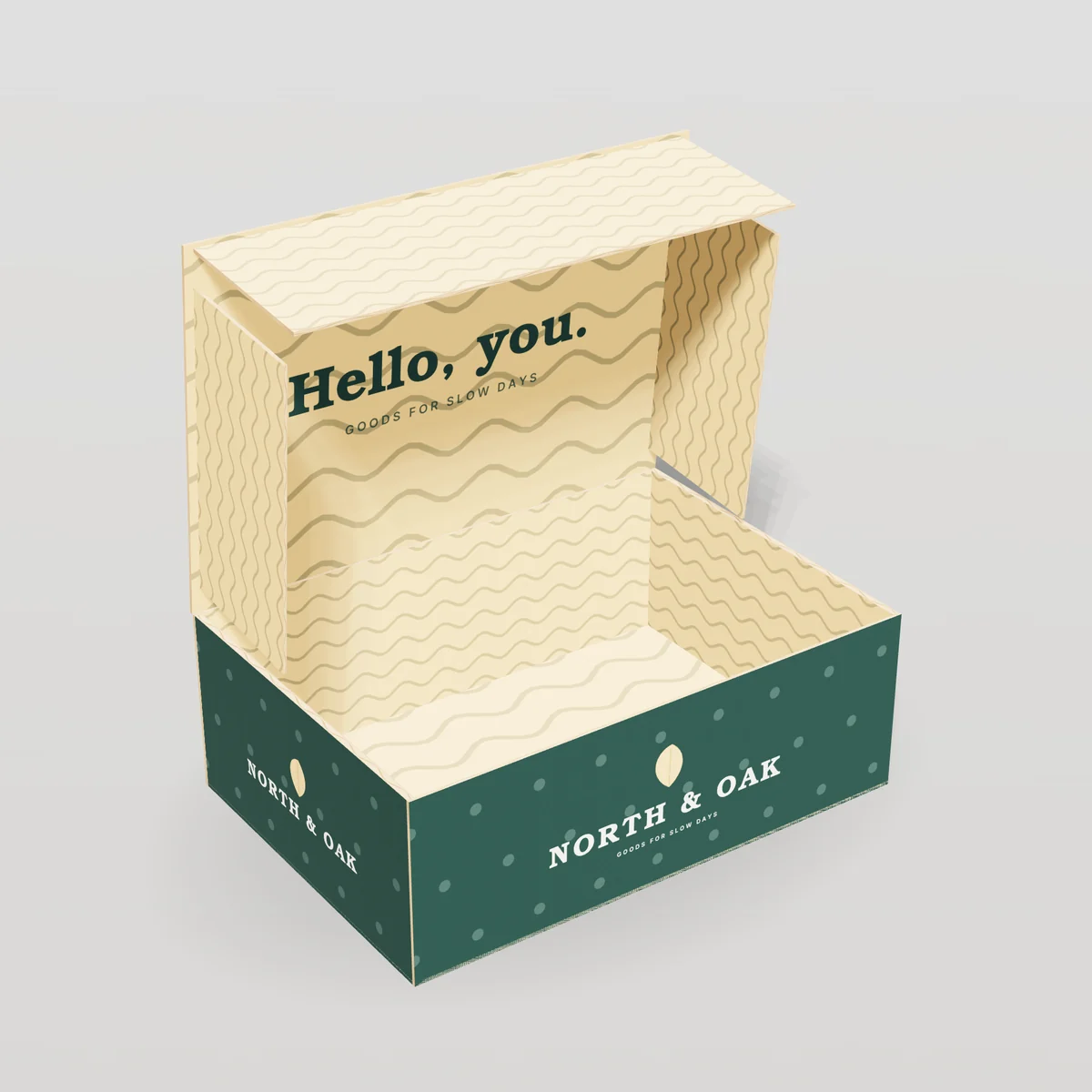 Box StylesMailer BoxesSelf-locking corrugated mailers printed inside and out. The go-to box for DTC brands and subscriptions.
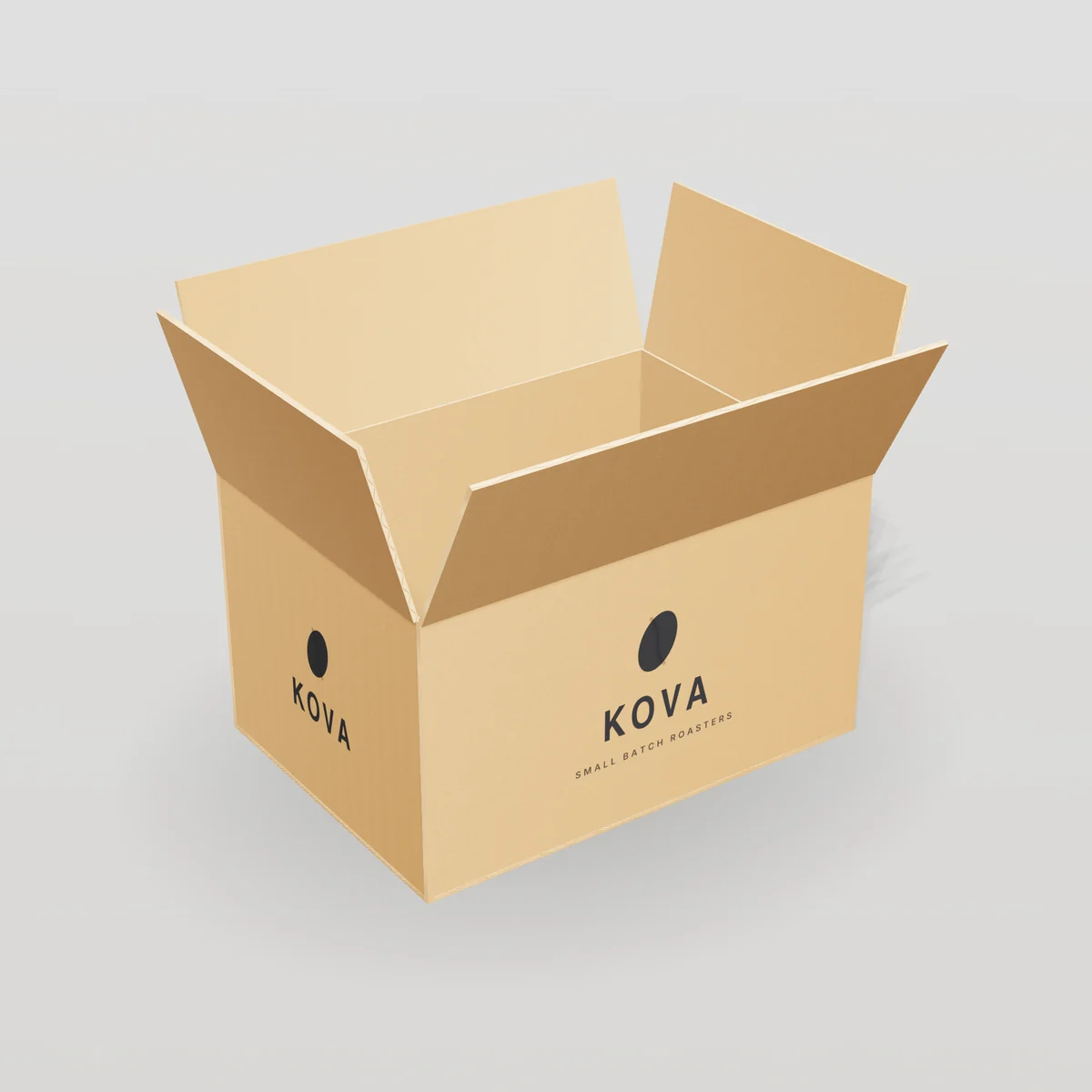 Box StylesShipping BoxesPrinted corrugated regular slotted cartons (RSC) for e-commerce, wholesale and freight.
 Finishes & Add-onsCustom InsertsDie-cut paperboard, corrugated, EVA foam and molded pulp inserts that lock products in place.
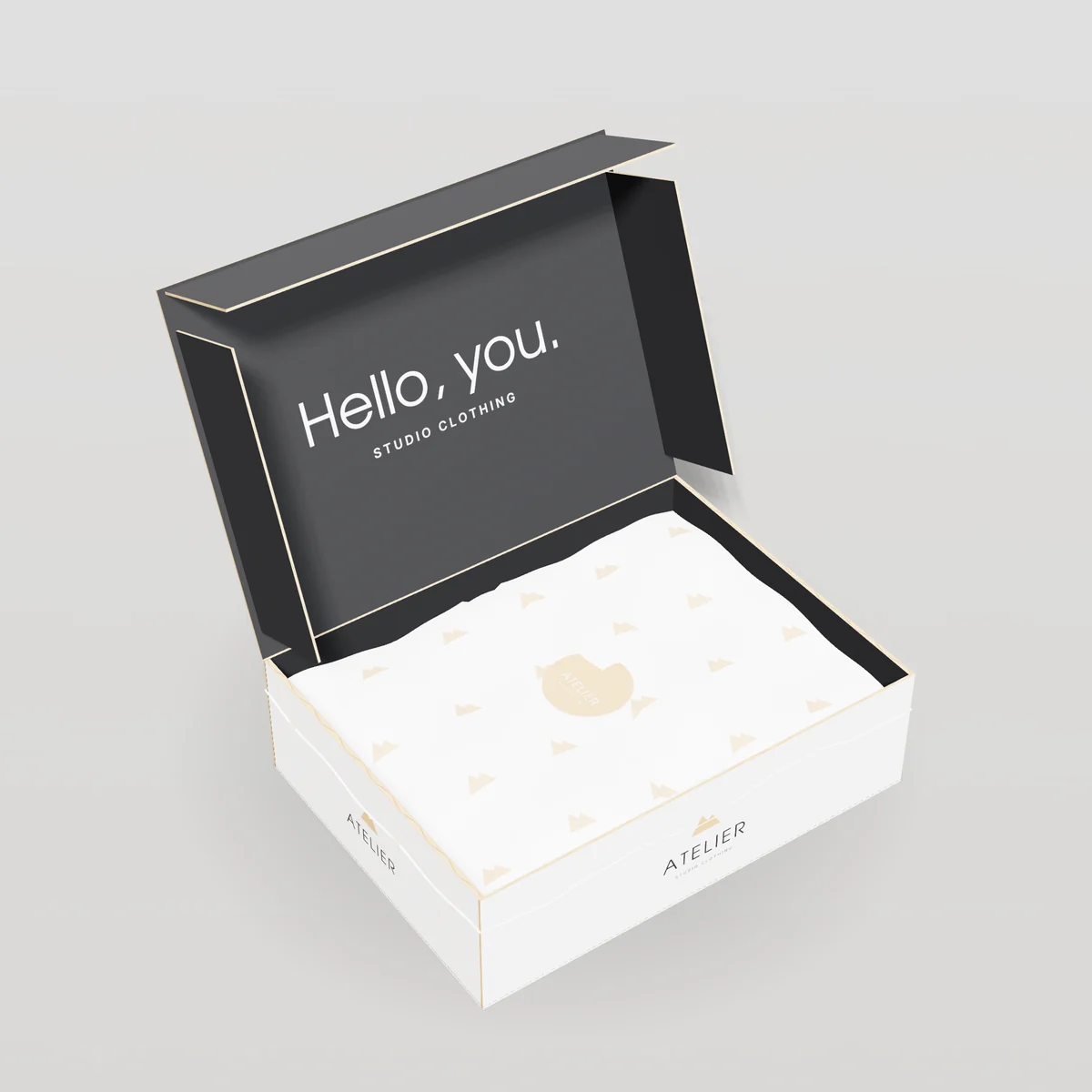 AccessoriesCustom Tissue PaperBranded tissue paper (17gsm) printed with your logo in one or two colors.